


Rococo Silver Table Box
These rococo silver table box pieces bring heavy ornamentation and curved lines straight into a room, offering functional storage with an ornate decorative flourish.
Rococo Silver Table Box
A rococo silver table box encompasses small decorative vessels designed to sit upon a surface, drawing on styles such as Rococo Revival, Victorian, and George III Rococo. You are most likely to encounter sterling silver, solid silver, and silver-gilt items ranging from nineteenth-century boxes to eighteenth-century examples.
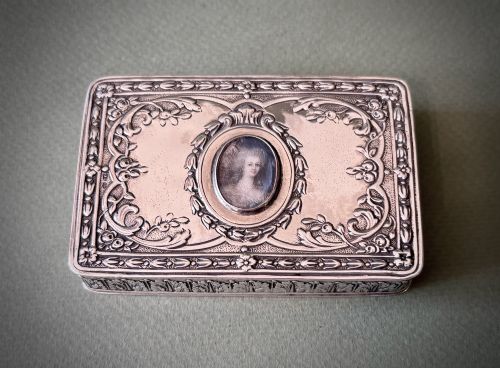
The forms span snuff boxes, trinket boxes, and jewellery caskets alongside tea caddies and decorative containers. These pieces reflect diverse origins including German Hanau manufacture and domestic British silversmithing.
Makers and makers' marks anchor many of these objects, connecting surviving vessels to specific workshops and periods like the Edwardian era and the year 1900.
How they were made
Silversmiths utilised sterling silver, solid silver, and silver-gilt to construct the primary body of each box, often incorporating glass, fabric, and wood elements into the interior lining or structure. Metalworking techniques allowed craftsmen to hammer, cast, and chase intricate ornamentation directly into the precious metal.
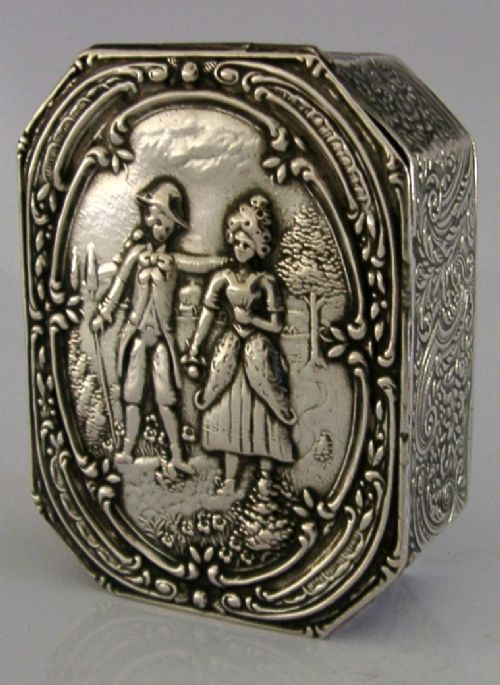
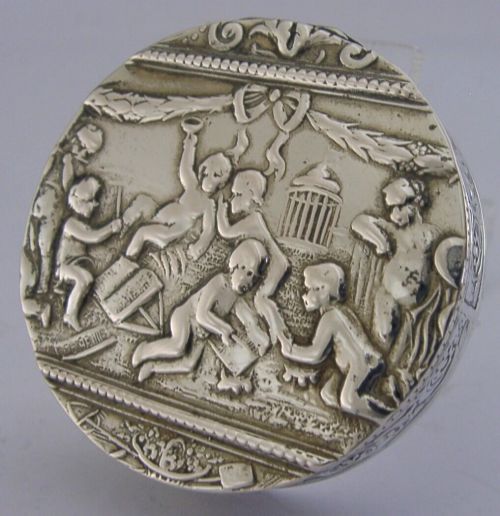
Decorative surfaces frequently feature figural scenes, cherub motifs, and hunting subjects such as Meleager boar head scenes. Gilding was applied to the interior or exterior surfaces of solid silver pieces to create a rich contrasting finish.
Object forms on this page range from German Hanau figural table boxes and tea caddies to British dressing table jewellery caskets.
What varies in quality
The depth and clarity of the chased and embossed rococo motifs determine the visual hierarchy among these boxes, separating mass-produced vessels from masterwork objects. Crisp detailing in figural scenes and cherub carvings indicates superior workshop execution.
Material composition and structural integrity also divide the range, with heavy solid silver-gilt construction commanding greater appreciation than standard silver-plated items or pieces with compromised wooden and fabric elements.
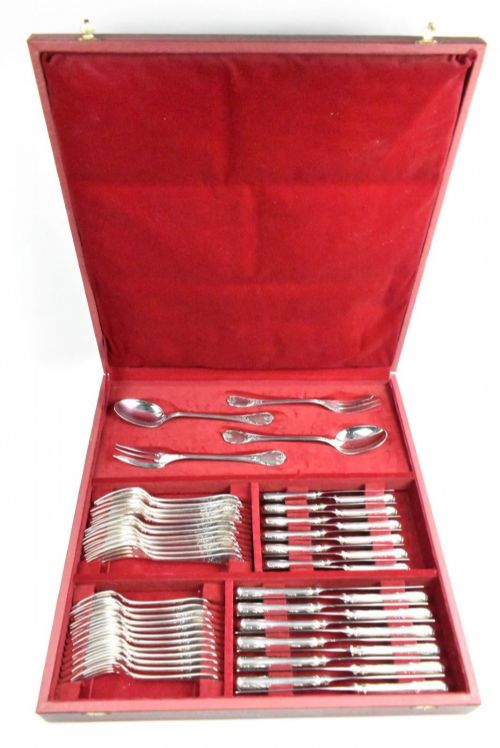
Christofle Marly·William Comyns·David Pettifer
The Rococo Silver Table Box Glossary
- Rococo Revival
- An artistic movement from the nineteenth century that resurrects the asymmetrical C-scrolls, shell motifs, and exuberant ornamentation of the original eighteenth-century French style. It dominates the decorative vocabulary of many Victorian and Edwardian boxes.
- Silver-gilt
- Silver that has been coated with a thin layer of gold on its surface, often called vermeil. This technique enhances the warmth and visual richness of interior compartments and exterior chased scenes.
- Snuff box
- A small pocket-sized or table-standing container specifically proportioned for holding dry powdered tobacco. They frequently feature tight-fitting hinged lids to preserve the contents.
- Trinket box
- A small lidded receptacle intended for the safekeeping of rings, pins, and small personal ornaments. These domestic items often include lined interiors made of fabric or glass.
- Casket
- A larger ornamental box or chest designed for jewellery and precious keepsakes, usually fitted with a secure hinged lid. They appear in dressing table settings from the Victorian period onwards.
Rococo Silver Table Box: Frequently Asked Questions
How were these boxes used?
Domestic owners utilised them to store small valuables, jewellery, snuff, and tea leaves depending on the specific form of the vessel. They sat prominently in reception rooms and private chambers.
Their dual role as functional containers and artistic ornaments meant they were meant to be handled, opened, and admired at close quarters.
How do I live with silver boxes?
Place them on stable surfaces away from direct moisture, and handle them carefully by their solid metal edges to preserve chased details and gilding. Soft interior linings in some boxes accommodate delicate items safely.
Occasional gentle dusting helps maintain the polished appearance of the silver without wearing down the delicate high-relief ornamentation.
How do I tell periods apart?
Eighteenth-century pieces often display hand-chased figural scenes and distinct Georgian proportions, while Victorian and Edwardian examples lean into revivalism with heavier cast mounts and distinct maker stamps. Examining the hallmarks provides a reliable guide to the exact decade of manufacture.
Style shifts between George III rococo and later Victorian revivals show subtle changes in the crispness and depth of the embossed scrollwork.