
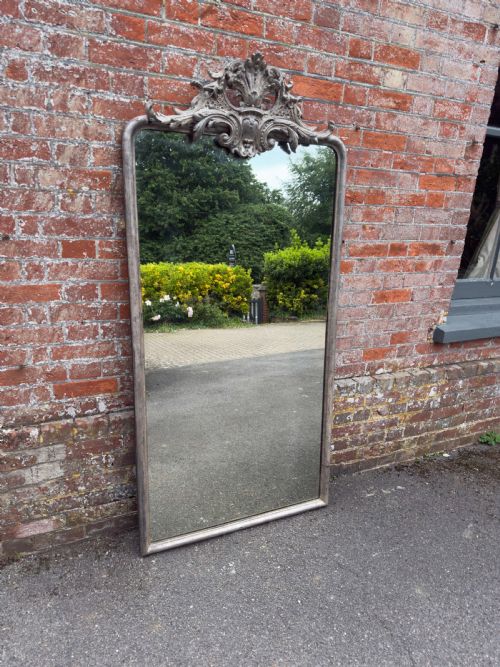


Rococo Silver Frame
These rococo silver frame pieces combine sweeping organic curves with precious metal, offering an ornate focal point for any interior table or wall.
Rococo Silver Frame
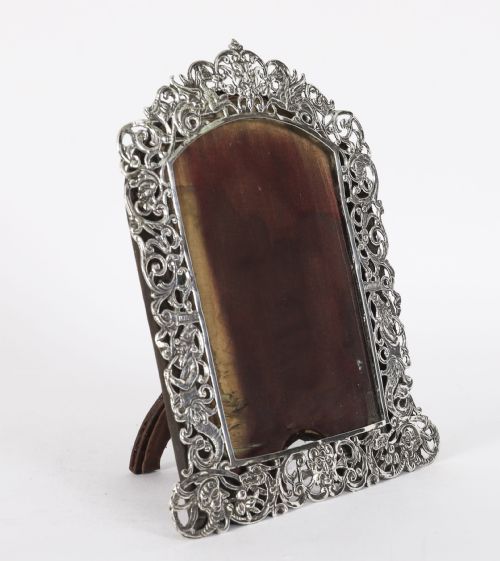
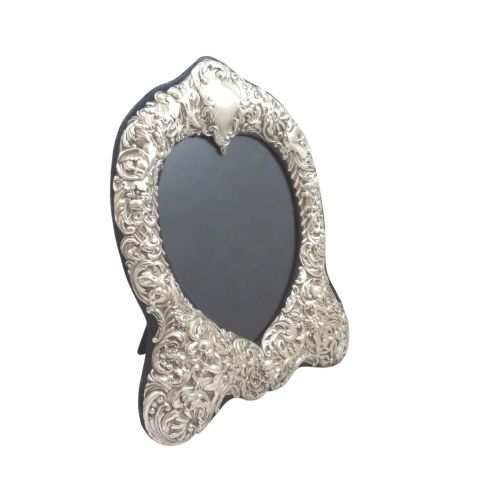
When you search for rococo silver frame, you encounter a selection of photo frames, easel mirrors, and wall mirrors created across multiple centuries. The Victorian era dominates the current assortment, particularly with sterling silver photo frames featuring embossed cherubs, angels, or heart shapes designed for domestic display.
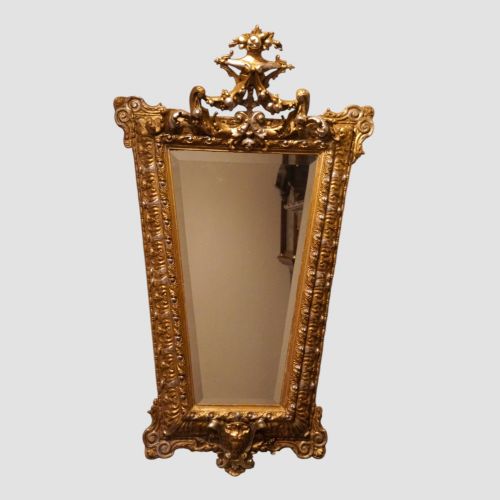
Beyond table items, the search reveals large architectural wall mirrors and trapezoidal looking glasses spanning the eighteenth, nineteenth, and twentieth centuries. These encompass carved wood and gesso surfaces finished in silver leaf, silver gilt, or combination gold leaf treatments originating from Britain, France, and Italy.
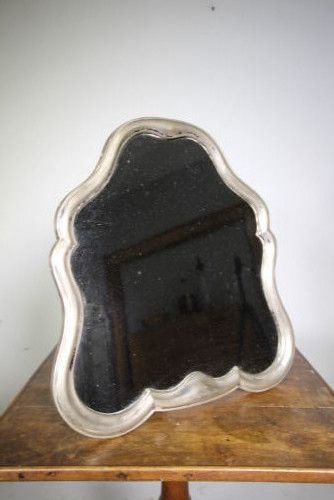
The objects serve primarily as functional display items for photographs or reflective wall ornaments, utilising elaborate asymmetrical scrolls and naturalistic motifs characteristic of the revival styles. Smaller examples retain functional easel backs and velvet linings, whilst larger pieces provide substantial reflective glass surfaces.
Materials and construction methods
Makers constructed the smaller desk and table pieces using sterling silver sheet over wooden armatures, utilising embossing and chasing techniques to create high-relief scrollwork and figural scenes. Hallmarked examples from silversmiths demonstrate careful stamping and mounting around glass panels and fabric easel backs.
Large wall mirrors rely on carved wood and gesso foundations built up by hand before receiving layers of silver leaf, gold leaf, or silver-gilt applications. Craftsmen shaped these wooden frames into arched and shaped top profiles, burnishing the metallic leaf to achieve varied levels of reflection.
Listings feature items spanning the Victorian, Edwardian, and eighteenth-century periods, utilising sterling silver, carved wood, gesso, and mirror glass.
Assessing quality in the collection
The depth and clarity of the metalwork dictate the standard of silver table pieces, where crisp chasing on motifs like Reynolds angels or cherubs separates mass production from finer silversmith output. Hallmark legibility and the structural integrity of the internal wooden frame and velvet backing further distinguish superior items.
For large carved mirrors, quality rests in the crispness of the gesso application and the preservation of the original silver and gold leaf surfaces. Hand-carved wooden details retaining their early surface patination hold greater distinction than heavily restored or later re-gilt examples.
Rosenthal, Jacob & Co.·Philip Mercier
The Rococo Silver Frame Glossary
- Sterling silver
- A silver alloy containing 92.5 percent pure silver and 7.5 percent other metals, typically copper. This standard composition provides the durability required for detailed embossing on photograph frames.
- Silver gilt
- Silver objects or wooden surfaces that have been coated with a thin layer of gold, creating a warm metallic tone. This technique protects the underlying metal whilst offering a dual-colour aesthetic.
- Gesso
- A paint mixture consisting of a binder mixed with chalk, gypsum, or pigment, applied to wood. Artisans carve and shape this ground layer before laying silver leaf.
- Easel mirror
- A freestanding looking glass supported by a hinged rear leg for tabletop display. These pieces frequently incorporate velvet backing panels and silver mounts.
- Repoussé
- A metalworking technique where the artisan hammers the metal from the reverse side to form a raised design in relief. This method defines the sculptural borders of Victorian photo frames.
Rococo Silver Frame: Frequently Asked Questions
How do I clean a silver photo frame?
Use a soft, dry cloth to remove dust from the embossed silver surfaces without applying aggressive chemical polishes that might damage recessed details.
Take care to avoid touching velvet backing materials and delicate glass components during the cleaning process.
Are these frames suitable for modern photographs?
Most antique photo frames accommodate standard photographic prints, though aperture dimensions vary according to nineteenth and twentieth-century sizing standards.
Measure the visible window rather than the overall frame dimensions before selecting your photograph.
How do I date a silver mirror?
Examine the hallmarks on silver-mounted pieces for specific town marks and date letters that pinpoint the exact year of manufacture. For wooden frames, construction methods, gesso composition, and mirror glass characteristics indicate the period.
Can these wall mirrors be hung safely?
Large carved wood and gesso wall mirrors require robust professional fixings due to their substantial weight and solid wooden construction. Ensure your wall fixings engage directly with structural studs or masonry.