
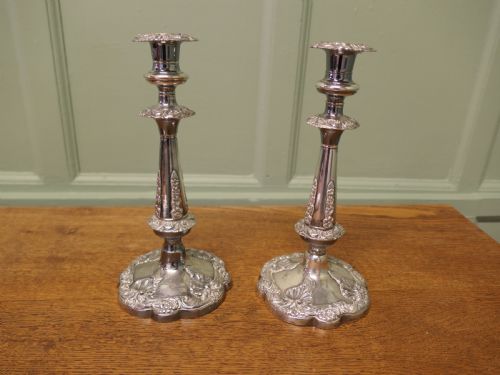
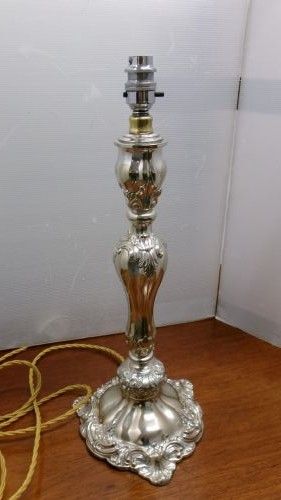

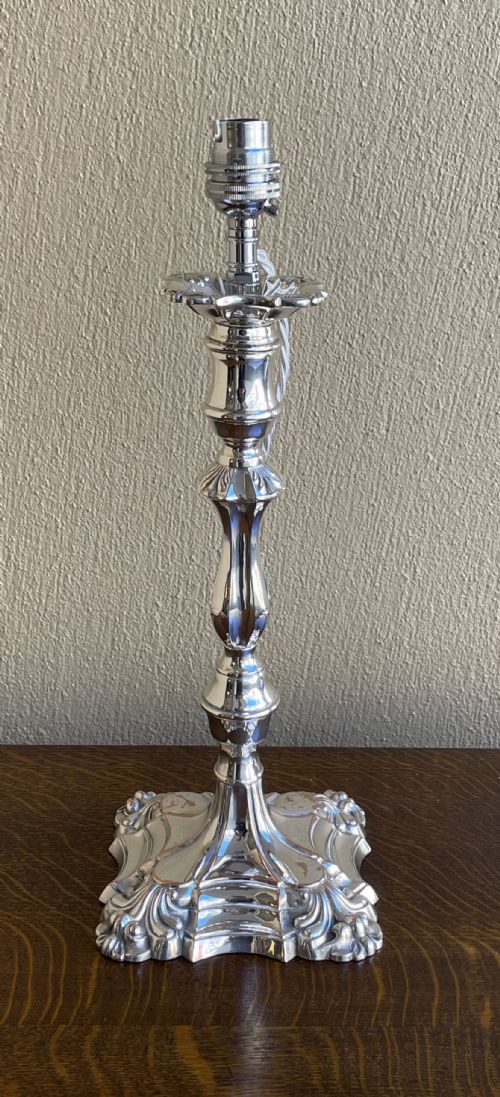


Rococo Silver Candlesticks
Rococo silver candlesticks combine asymmetrical C-scrolls with heavy cast bases, offering dramatic lighting for a dining table.
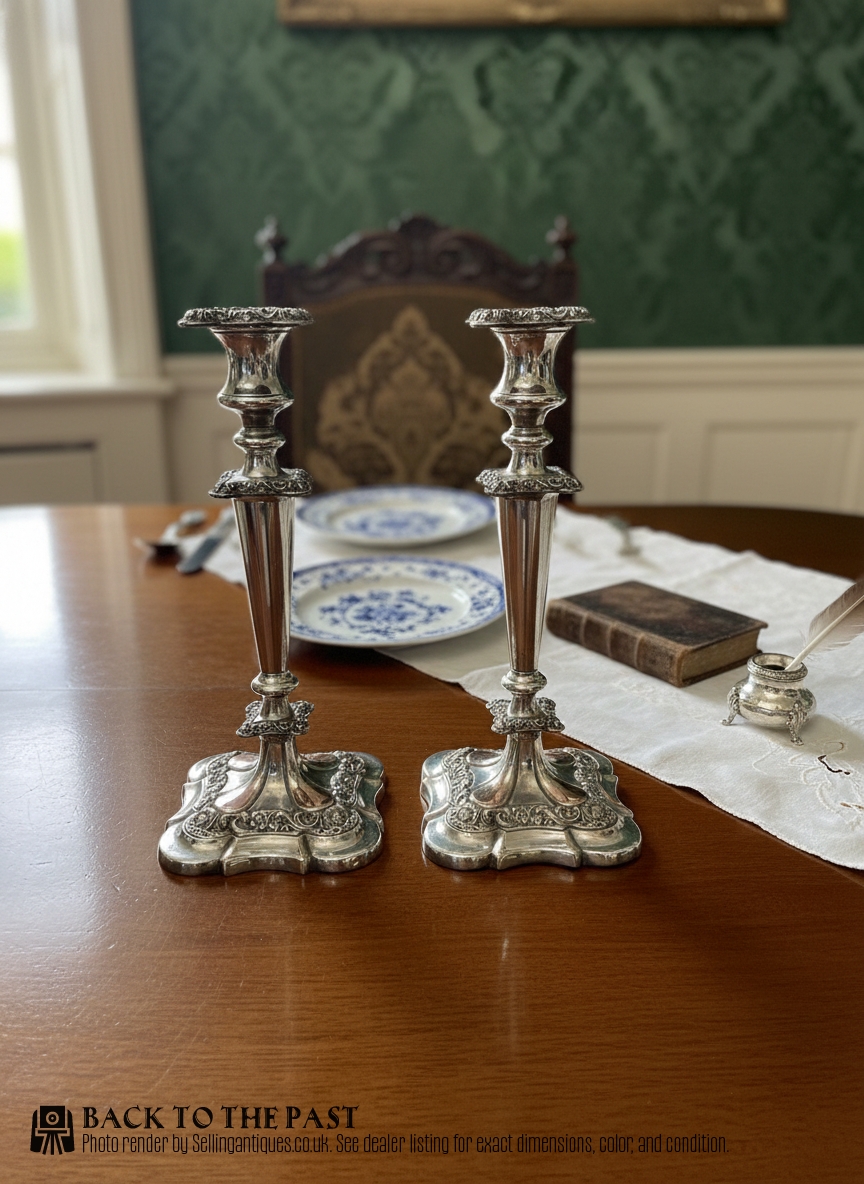
Rococo Silver Candlesticks
When you search for rococo silver candlesticks, you look at domestic lighting pieces that range from single shafts to multi-branch candelabra and chambersticks. The version you meet most often on this page is the Victorian or Edwardian silver-plated pair, though sterling silver and Old Sheffield plate examples also appear.
These items trace their design lineage back to eighteenth-century Georgian and Italian origins before undergoing widespread revival during the nineteenth century. Forms include baluster columns, floral motifs, and detachable sconces designed to catch melted wax.
Makers and workshops utilised base metals such as brass, copper, nickel silver, and pewter alongside silver plate and solid sterling silver. Styles span from strict Rococo Revival and Baroque Revival to Victorian interpretations.
Materials and Manufacture
Makers formed these items using casting techniques for the heavy, ornate bases and spinning or soldering for the shafts and nozzles. Silver plating, EPNS, and Old Sheffield plate provided the reflective surface over copper or base metal bodies.
Sterling silver and solid silver pieces required skilled silversmiths to hammer and shape the metal before chasing intricate shell and scrollwork by hand. Some variations incorporated pewter, brass, or bronze alongside silver leaf details.
Rococo Silver Candlesticks Retail Price Guide 2026
Typical asking prices for rococo silver candlesticks among the pieces listed under this phrase on Sellingantiques today, from the lower quarter to the upper quarter. They describe what is for sale here now, not the wider market.
The listings span from 1750 Georgian pieces through Victorian silver plate up to Edwardian lamps.
Assessing Quality
The distinction between tiers rests in the crispness of the cast ornamentation and the thickness of the silver application over the base metal. Heavy, solid casting yields a reassuring weight in the hand, whereas lighter pieces rely on thin pressed metal.
Makers who invested time in hand-chasing achieved depth and definition in the foliage and scrollwork that machine stamping simply misses. Complete sets with matching hallmarks or original detachable sconces command stronger interest among collectors.
John Cafe·Smith & Sissons & Co·Blagden Hodgson & Co
The Rococo Silver Candlesticks Glossary
- Candelabra
- A branched candlestick holding multiple lights on a single base. They often feature detachable sconces for easier cleaning.
- Chamberstick
- A low candlestick fitted with a handle and a shallow pan to catch drips while carrying through a house. They provide a portable light source.
- Sconce
- The detachable top pan inserted into a candlestick to catch dripping wax. Original matching components indicate an intact set.
- Old Sheffield Plate
- A method of fusing a thin sheet of silver to a thicker copper core by heat and pressure. It creates a durable layered metal.
- EPNS
- Electro Plated Nickel Silver, a technique developed in the nineteenth century for coating a base metal with silver using electricity. It became an affordable alternative to solid silver.
Rococo Silver Candlesticks: Frequently Asked Questions
How do I clean them?
Use a soft cloth and a gentle silver cream formulated for plated or solid items to preserve the finish.
Avoid abrasive dips that strip away thin silver plating or damage the underlying base metal.
Are they all sterling silver?
Many examples on this page consist of silver plate, EPNS, or Old Sheffield plate over copper and base metals.
Solid sterling silver pieces carry specific town marks and maker stamps confirming their precious metal content.
What is a detachable sconce?
The sconce is the small pan at the top that holds the candle and catches dripping wax during use.
Having matching original sconces remains important for completeness and historical accuracy.
How do I spot a revival piece?
Revival items typically date from the nineteenth or early twentieth century while adopting eighteenth-century decorative motifs.
Examine the base construction and plating methods to determine the actual period of manufacture.