




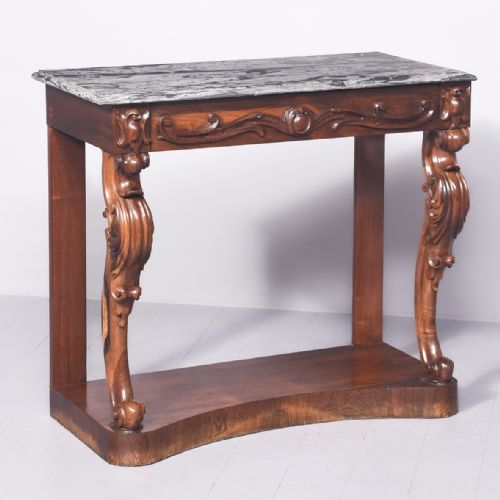
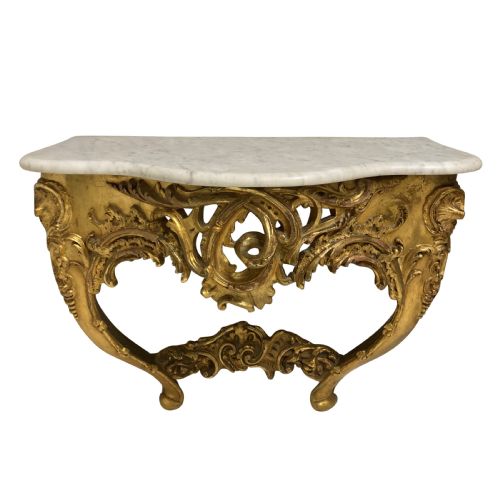

Rococo Revival Pier Table
A rococo revival pier table brings exuberant carved scrollwork and heavy marble tops into an interior, offering a grand decorative surface.
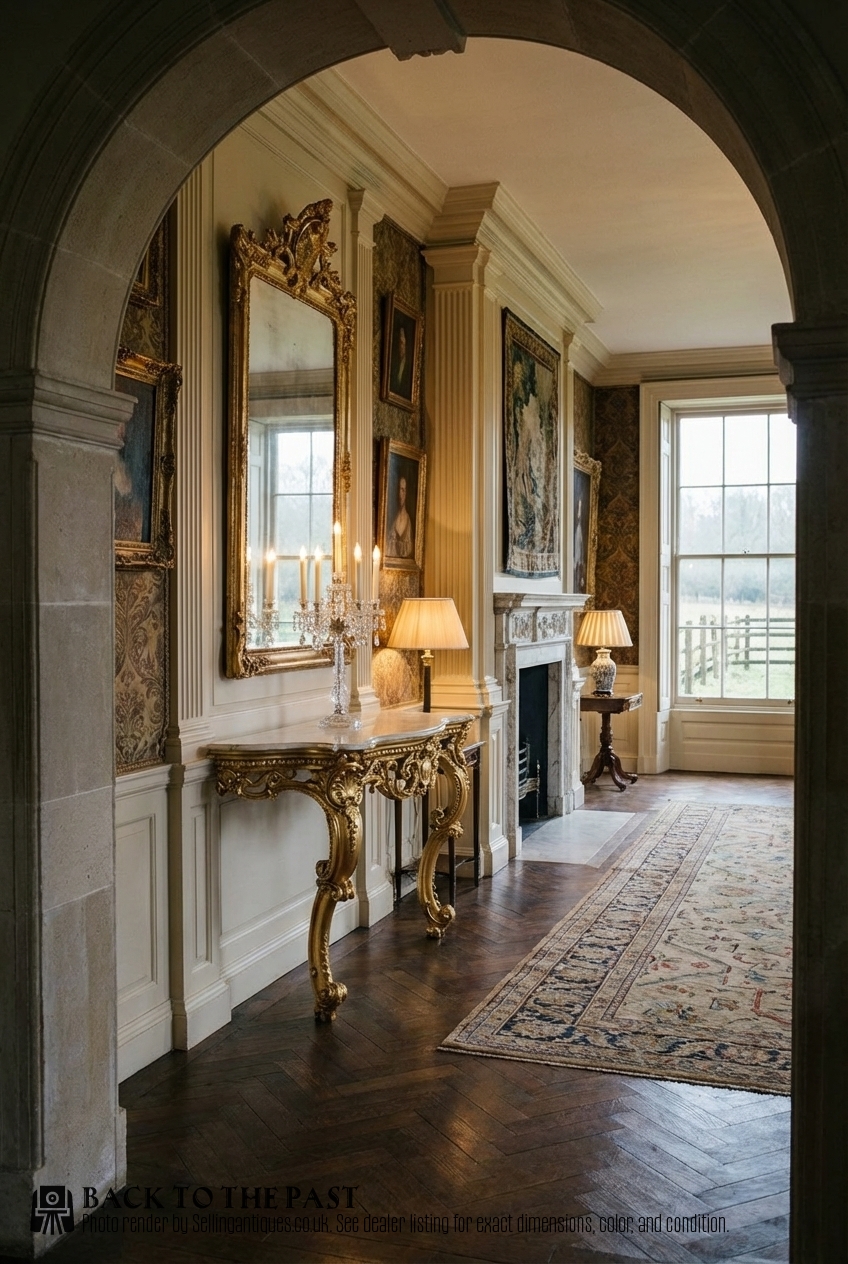
Rococo Revival Pier Table
A rococo revival pier table is typically encountered as a console, centre, or side table designed to stand against a wall beneath a mirror or window. These pieces emerge predominantly from the nineteenth century, often reflecting French Louis XV or Victorian design influences.
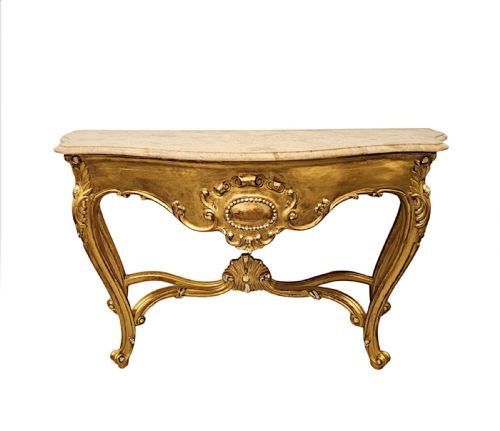
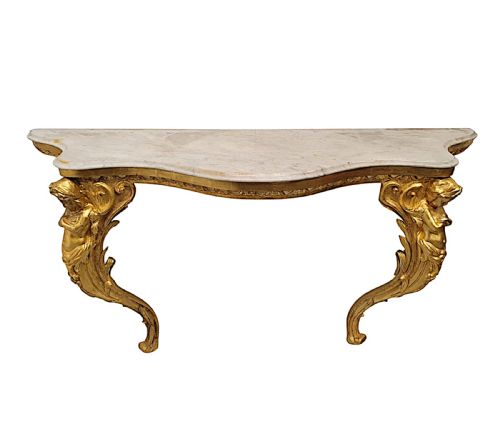
The form relies on symmetrical yet fluid shapes, frequently incorporating serpentine fronts and cabriole legs. Variations range from compact nineteenth century examples to large console tables featuring shaped marble slabs.
How They Were Made
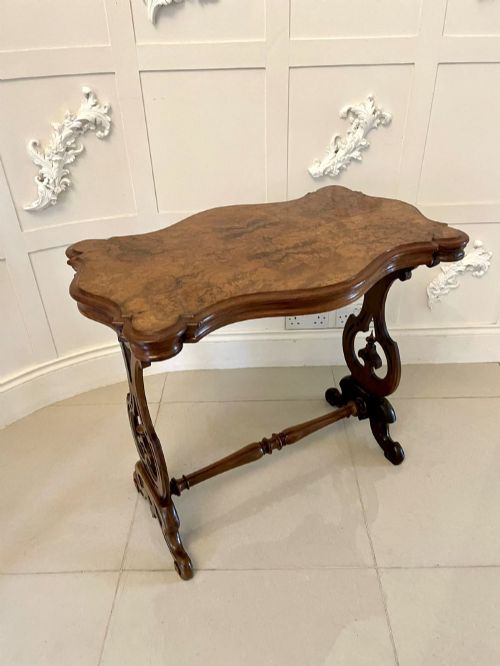
Cabinet makers utilised dense timbers such as mahogany, walnut, and burr walnut for wooden frames, alongside softer woods coated in gesso for gilt finishes. These surfaces frequently received applications of gold leaf or paint to achieve the desired metallic lustre.
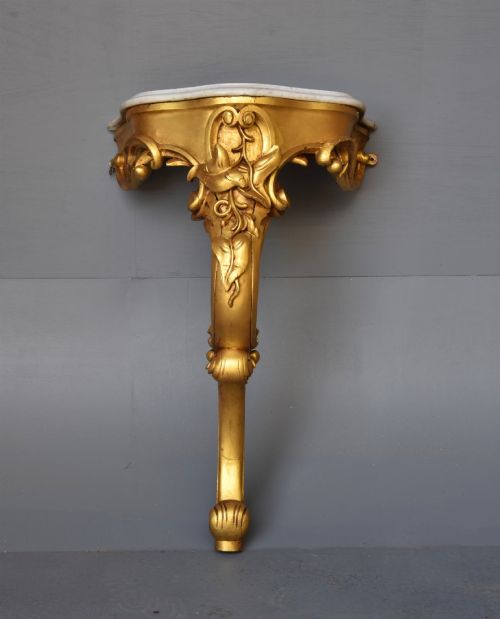
Heavy marble slabs form the tops of many examples, providing a cool, polished horizontal surface that contrasts against carved wooden bases. Joinery and sculptural carving were executed by hand, shaping the intricate scrolls characteristic of the style.
Rococo Revival Pier Table Retail Price Guide 2026
Typical asking prices for rococo revival pier table among the pieces listed under this phrase on Sellingantiques today, from the lower quarter to the upper quarter. They describe what is for sale here now, not the wider market.
Listings feature pieces spanning the eighteenth to early twentieth centuries, constructed primarily from walnut, mahogany, and giltwood with marble tops.
What Varies in Quality
Quality rests in the depth and crispness of the carved ornament, where master carvers achieved sharp undercut foliage rather than shallow relief. The selection of timber also dictates standard, with figured burr walnut and heavy giltwood sitting above simpler painted structures.
The integration of the marble top to the base demonstrates the care taken during manufacture. Thick, well-figured marble slabs fitted precisely to serpentine wooden frames signal superior craftsmanship compared to plain or poorly aligned stone.
The Rococo Revival Pier Table Glossary
- Pier table
- A table designed to stand against a wall pier between windows. These pieces often support heavy marble tops and match large wall mirrors.
- Giltwood
- Timber coated with gold leaf over a prepared gesso ground. This finish provides a bright reflective surface popular in formal nineteenth century reception rooms.
- Cabriole leg
- A furniture leg that curves outward and then inward in a graceful S-shape. It originates from classical forms and defines much nineteenth century revival seating and table design.
- Serpentine
- A furniture front or edge curving outward at the centre and inward at the sides. This contour requires precise woodworking to follow the undulating line smoothly.
- Burr walnut
- Timber sliced from walnut tree growths, revealing intricate swirling grain patterns. Cabinet makers prized this wood for decorative veneering on high-status tables.
Rococo Revival Pier Table: Frequently Asked Questions
Where should a pier table go?
These tables are traditionally placed against a flat wall section between two windows, frequently beneath a matching wall mirror. Their shallow depth allows them to sit neatly in hallways or reception rooms without obstructing walkways.
Because many examples feature finished backs intended for wall placement, they anchor decorative displays of lamps or porcelain effectively.
Can these tables hold heavy items?
The thick marble slabs fitted to many examples provide a sturdy, weight-bearing surface suitable for heavy lamps and decorative bronze figures. The solid wooden frames underneath support the stone without bending.
Care should be taken to ensure the table stands level on uneven floors to distribute the substantial weight of the marble evenly across the legs.
How do I identify a revival piece?
Revival furniture draws upon earlier historical motifs, particularly the eighteenth century Louis XV style, while utilising nineteenth century manufacturing techniques and timber preparation. Look for the combination of nineteenth century secondary woods beneath gilt or walnut surfaces.
Makers of this era reinterpreted asymmetrical cartouches and C-scrolls with a distinct Victorian or continental nineteenth century heaviness.
How do I care for giltwood?
Giltwood surfaces require gentle dusting with a soft, dry brush to avoid disturbing the delicate gold leaf applied over gesso. Moisture and harsh cleaning agents can strip the metallic finish from the wooden substrate.
Keeping these tables away from direct sunlight and strong heat sources protects the underlying gesso from cracking over time.