



Rococo Planter Table
A rococo planter table brings botanical display and lively serpentine curves together, offering a functional botanical stand rooted in nineteenth-century craftsmanship.
Rococo Planter Table
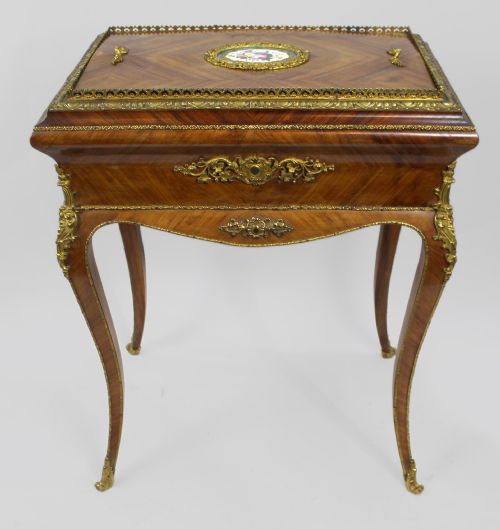
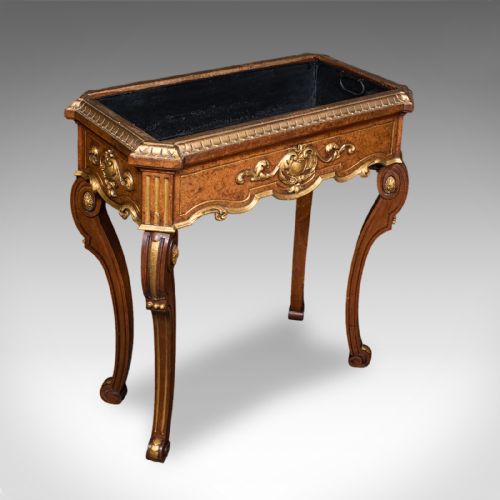
When you search for a rococo planter table, you are looking at nineteenth-century furniture designed to house indoor plants or serve as a decorative jardinier stand. The examples seen here appear across Victorian, Regency, and Napoleon III periods, drawing heavily on French Louis XV style and French Rococo Revival aesthetics.
The forms span walnut and kingwood jardinieres, side tables with plant liners, and decorative stands that double as decanter caddies or wine coolers. You are most likely to meet walnut and rosewood iterations mounted in gilt metal or ormolu, reflecting the revival tastes of the eighteen-fifties and eighteen-eighties.
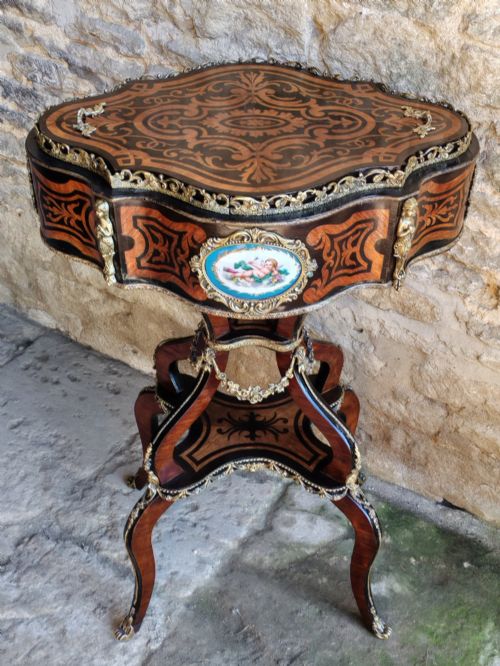
These pieces combine practical horticulture with ornate display, often featuring marquetry or intricate woodwork alongside metal liners for holding plants. They sit comfortably in reception rooms or conservatories, designed to bring living greenery indoors within an elaborate nineteenth-century framework.
How they were made
Cabinetmakers constructed these tables using a foundation of hardwoods like walnut, kingwood, rosewood, and satinwood, frequently applying intricate marquetry patterns to the tabletops and aprons. The reliance on burr walnut and exotic veneers gives the timber surfaces deep grain movement and rich natural warmth.
Metal enrichment plays a defining role, with gilt metal mounts and ormolu framing the curves, legs, and botanical liners. Brass components and enamel details further accent the woodwork, combining heavy timber construction with luminous metalwork characteristic of revival design.
Rococo Planter Table Retail Price Guide 2026
Typical asking prices for rococo planter table among the pieces listed under this phrase on Sellingantiques today, from the lower quarter to the upper quarter. They describe what is for sale here now, not the wider market.
Materials recorded across the inventory include ormolu, porcelain, brass, kingwood, enamel, walnut, rosewood, and burr walnut.
What varies in quality
The calibre of a piece rests largely on the execution of its woodwork and the crispness of its gilt metal mounts. Hand-cut marquetry and deeply figured burr walnut elevate an example well above plain timber builds, showing greater ambition from the cabinetmaker.
The integration of the planter liner and the weight of the bronze or ormolu mounts signal the workshop standards behind the object. Heavier, finely chased mounts and robust timber framing separate superior exhibition pieces from simpler domestic stands.
Kister·Scheibe-Alsbach
The Rococo Planter Table Glossary
- Jardiniere
- A decorative stand or container designed to hold indoor plants or flowers. It often forms the main body of a planter table.
- Ormolu
- Gilded bronze used extensively for decorative mounts and accents on nineteenth-century furniture. The technique involves applying a gold amalgam to cast bronze.
- Marquetry
- The art of applying pieces of veneer to a structure to form decorative patterns and pictures. Cabinetmakers used various exotic timbers to create contrasting floral or geometric designs.
- Kingwood
- A dense, heavy timber with rich violet-brown and golden colouring used in fine cabinetmaking. It frequently appears as a veneer on nineteenth-century revival furniture.
- Rococo Revival
- A nineteenth-century design movement inspired by the asymmetrical curves, C-scrolls, and natural motifs of the eighteenth-century French Louis XV style.
Rococo Planter Table: Frequently Asked Questions
What is a rococo planter table used for?
These tables were originally built to hold live potted plants and flowers inside nineteenth-century drawing rooms and parlours, protecting fine floors with metal liners.
Today, they serve the same botanical function or act as striking decorative display surfaces in traditional and eclectic interiors.
How do I identify the period of a planter table?
You can date these pieces by examining the secondary timbers, the style of the gilt metal mounts, and the specific revival characteristics of the woodwork.
Nineteenth-century examples often blend Victorian cabinetmaking techniques with French Louis XV decorative motifs, spanning periods from the Regency era to the late eighteen-eighties.
Where should I place a planter table at home?
They suit bright reception rooms, hallways, or conservatories where their curved silhouettes and botanical function can be appreciated from multiple angles.
Keep them away from direct heat sources to protect the delicate veneers and marquetry work from drying out.
Are these tables waterproof?
Most original planter tables feature removable metal or brass liners designed to catch water from potted plants during routine care.
It remains wise to lift the pots out when watering them to prevent moisture from seeping past the metal liner and damaging the surrounding wood.