


Rococo Period Portrait Painting
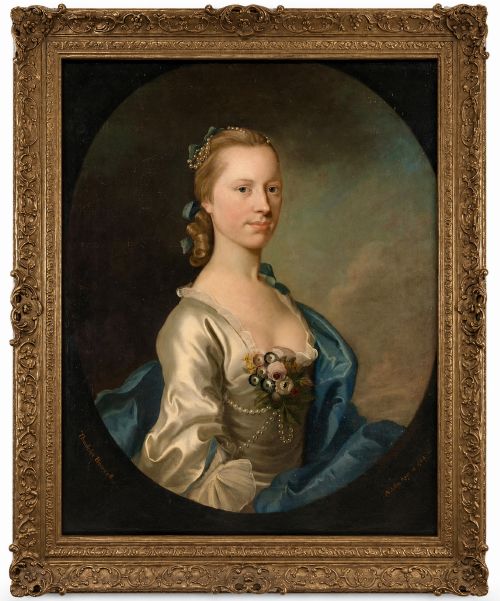
These rococo period portrait painting works capture the elegance of the eighteenth century through delicate oils on canvas and elaborate giltwood frames.
Rococo Period Portrait Painting
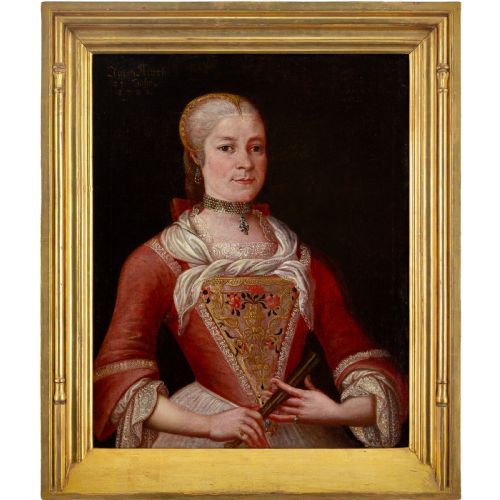
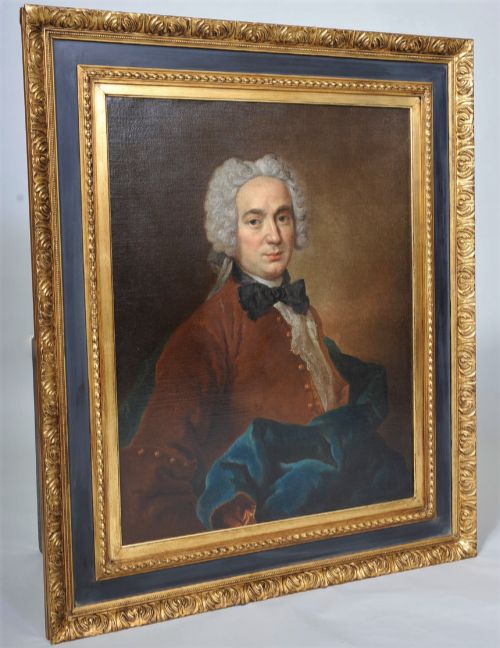
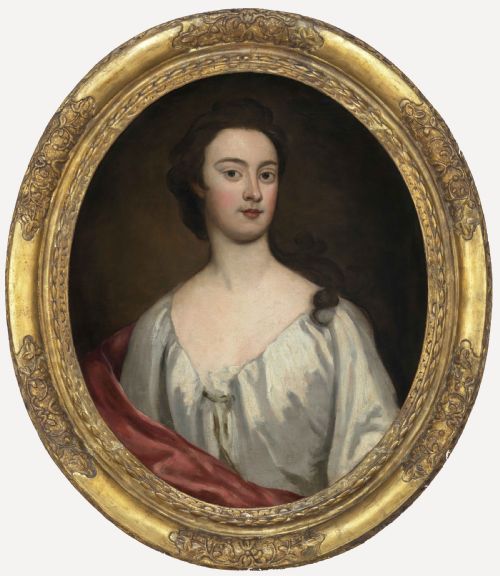
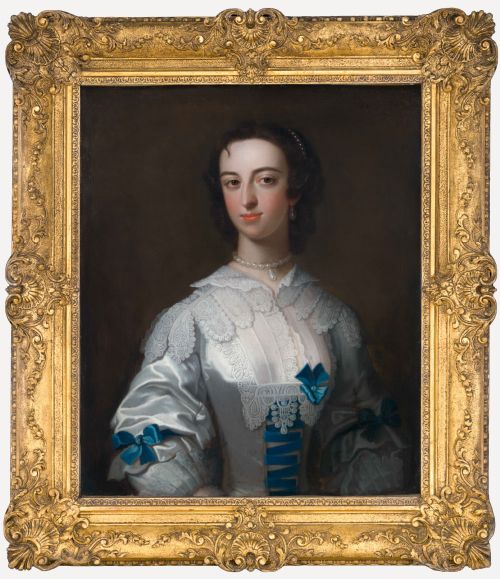
A rococo period portrait painting typically depicts aristocratic sitters, young ladies, and gentlemen rendered in refined eighteenth-century attire. These works frequently emerge from British, French, and German schools of painting, capturing courtly life and refined domesticity.
The versions most commonly met on this page include eighteenth-century oil paintings on canvas or copper panels. Many examples portray sitters in silk dresses, blue ribbons, and ornate coats, framed in period giltwood.
Alongside authentic eighteenth-century canvases, the selection encompasses later nineteenth-century revivals and mid-twentieth-century genre scenes depicting courtiers at Versailles. These later interpretations adopt the rococo manner to evoke the decorative splendor of the earlier era.
Materials and technique
Painters applied oil paint onto stretched canvas supports, and occasionally onto copper panels, building translucent layers to render silk, lace, and flesh tones. Canvases were secured within wooden stretchers and housed in carved giltwood frames.
Frames utilise gilded wood and elaborate giltwood mouldings, often featuring scrollwork and foliate motifs characteristic of the rococo style. These frames complement the luminosity of the oil pigments within the composition.
Several youthful sitters share the canvas with unexpected companions, including a small pet bird and a spinning top.
Distinctions in execution
The caliber of a rococo period portrait painting rests upon the refinement of the brushwork in rendering textile textures such as silk, satin, and lace. Superior examples display subtle tonal gradations in flesh and drapery, whereas lesser works remain stiff and generalized.
Attribution to documented artists or recognised continental schools elevates an artwork beyond anonymous workshop production. The preservation of the original oil paint surface and the matching period giltwood frame significantly influence the standing of the piece.
Jeremiah Davison·Henry Pickering·Allan Ramsay·Pierre Gobert·Christian Lindner·Francois Boucher·Philip Mercier·Nathaniel Hone·Joseph Highmore·Francis Hayman
The Rococo Period Portrait Painting Glossary
- Giltwood
- Wood that has been coated with gold leaf or gold paint. This material forms the ornate frames typical of the period.
- Oil on canvas
- Pigments bound in a drying oil applied to a woven fabric support. This combination allowed artists to achieve rich colour depth and smooth blending.
- Rococo manner
- An artistic style characterised by ornate decoration, asymmetry, and pastel palettes. It emphasises playful elegance and courtly leisure.
- Genre painting
- A category of art depicting scenes from everyday life. These works often show courtiers engaging in domestic activities like chess or afternoon tea.
Rococo Period Portrait Painting: Frequently Asked Questions
How do I identify a true eighteenth-century canvas?
Examine the weave of the canvas and the composition of the oil paint under magnification for signs of age-appropriate craquelure. Eighteenth-century works typically display hand-planed stretchers and historical pigments consistent with the period.
Compare the sitter's costume, hair styling, and lace details against documented fashion timelines of the seventeen-thirties and forties. Attributions to named painters or specific regional schools also help confirm authenticity.
Where were these portraits displayed originally?
These paintings hung in the grand reception rooms, parlours, and private chambers of aristocratic townhouses and country estates. They served to project family lineage, social standing, and refined taste to visiting guests.
Later interpretations from the twentieth century often decorated sophisticated drawing rooms designed to emulate historical French interiors. Their intimate scale made them suitable for both large salons and private studies.
How should I care for an oil painting on canvas?
Keep the artwork away from direct sunlight and maintain stable indoor humidity to prevent the canvas from slackening and the oil paint from cracking. Avoid hanging pieces near active heat sources that dry out the wooden stretcher and giltwood frame.
Dust the surface gently with a soft, dry brush, leaving deeper conservation cleaning to professional restorers. Ensure the giltwood frame is supported securely from the wall by appropriate hardware.
What is the difference between rococo and rococo revival?
Original rococo works were created during the eighteenth century and embody the spontaneous lightness and decorative fluidity of the reigns of Louis XV and George II. Their brushwork and sitter attire reflect contemporary seventeenth and eighteenth-century sensibilities.
Rococo revival pieces date from later periods, such as the mid-twentieth century, and consciously imitate the earlier aesthetic for decorative effect. These later works often depict historical genre scenes like courtiers playing chess at Versailles.