


Rococo Pedestal Table
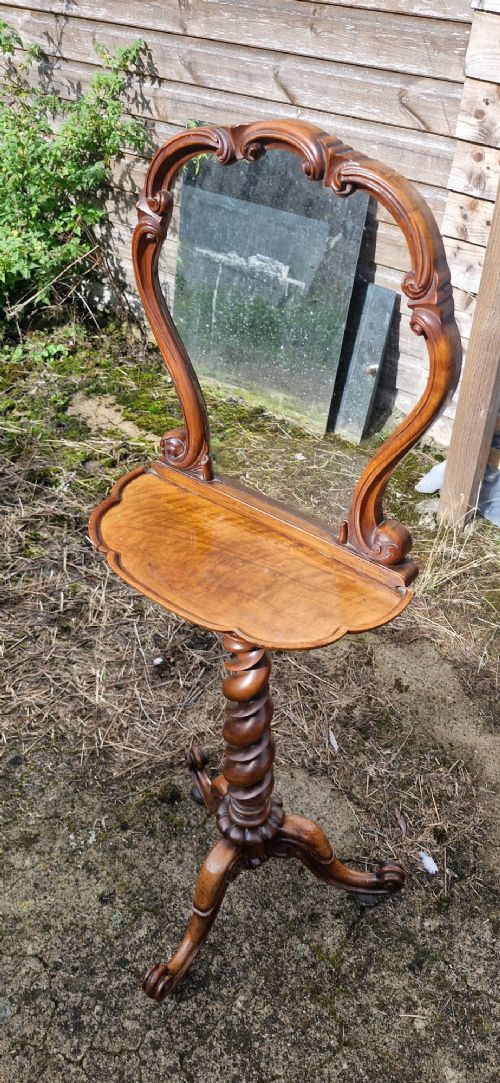
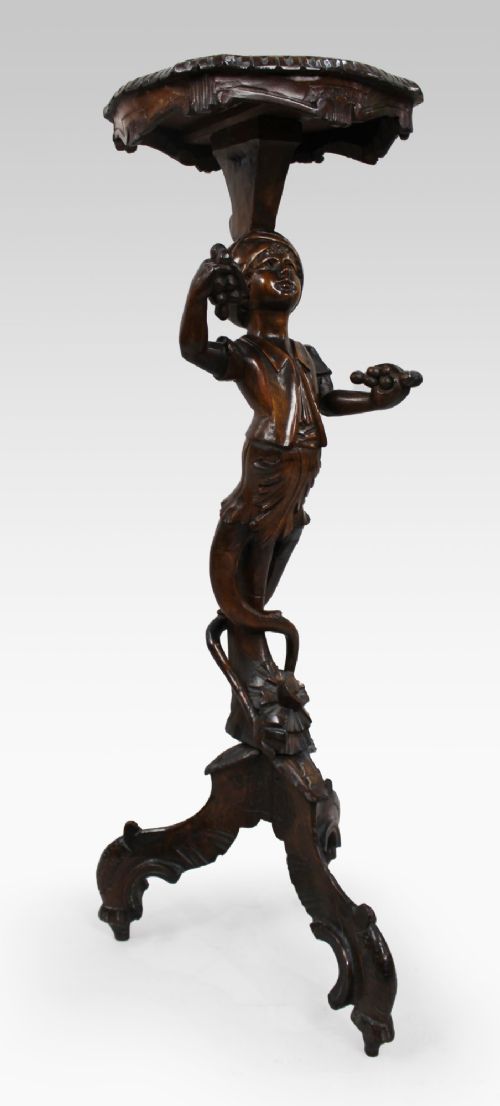
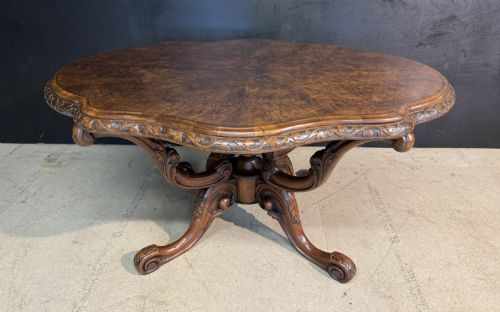
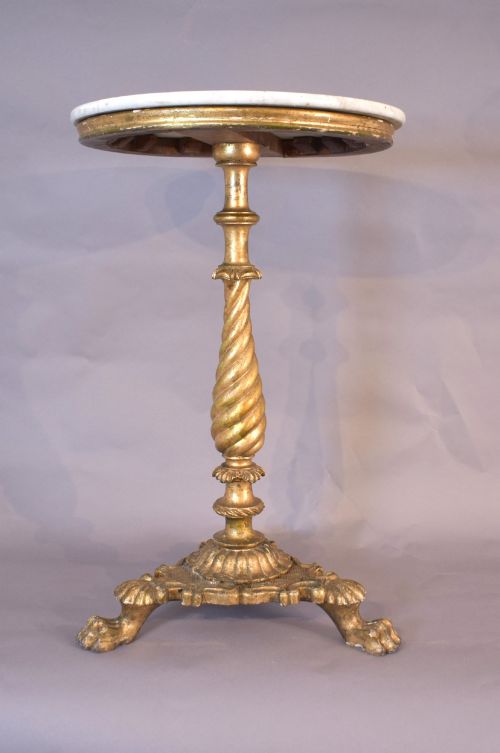
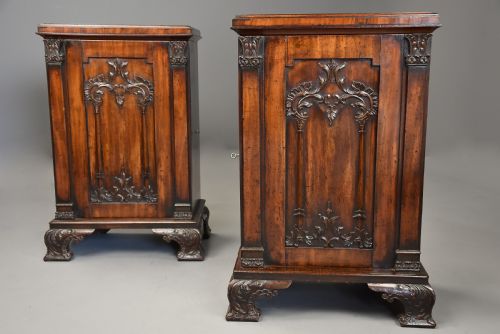
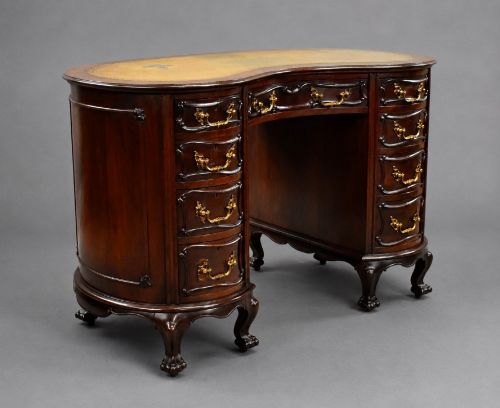
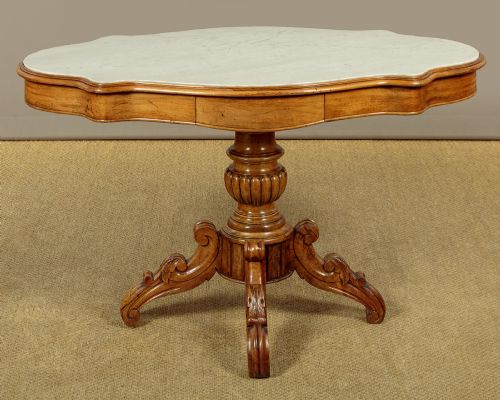
These rococo pedestal table examples combine flowing organic curves with practical surfaces, offering collectors decorative focal points for living spaces.
Rococo Pedestal Table
When buyers search for a rococo pedestal table, they encounter a variety of nineteenth century revival forms including centre tables, occasional tables, and card tables. Walnut, mahogany, and rosewood predominate amongst the surviving examples, often enriched with marquetry or topped with marble. Most pieces originate from Victorian Britain or continental workshops following French styles.
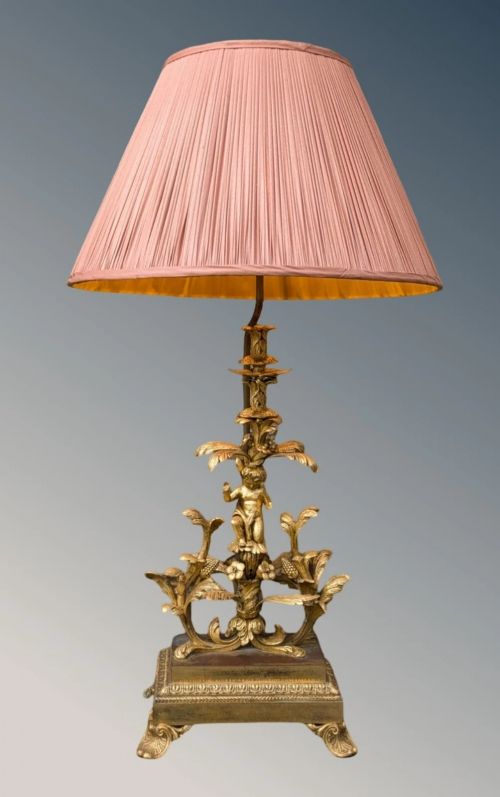
The inventory on this page ranges from compact bedside lamp tables to larger centre tables supported by carved pillars or tripod bases. Marquetry work, shaped oval tops, and giltwood highlights recur frequently across the selection. Buyers regularly find pieces drawing upon nineteenth century revivals of eighteenth century aesthetics.
How they were made
Cabinetmakers utilised dense timbers such as walnut, rosewood, and mahogany as foundations for carving and veneer work. Burr walnut and flame mahogany sections provide striking grain patterns across table tops, whilst kingwood and marquetry add contrasting decorative details. Marble inserts appear on several tops, offering durable surfaces framed by shaped timber or giltwood.
Structural stability relies on central pedestals, tripod supports, or stretcher frames designed to balance the ornate upper portions. Skilled joinery connects shaped aprons to central pillars, accommodating folding mechanisms on card tables and tilting tops on specific tripod variants. Brass and gilt bronze mounts frequently accent the timber frames.
One particularly sturdy survivor is robust enough to be dubbed a Rolls Royce among stands.
What varies in quality
The standard of carving distinguishes superior examples from simpler production, separating crisp, deep relief work from soft or shallow detailing. Timber selection also drives divergence, with finely figured burr walnut or flame mahogany commanding greater visual presence than plain boards. Integration of marquetry and quality marble or onyx tops further elevates a piece.
Construction integrity governs everyday utility, distinguishing rigid, well-fitted framing from loose joints or warped tops. Original mounts, intact veneers, and well-preserved surface polishes maintain the intended visual harmony of each table. Pieces retaining their original configuration demonstrate superior craftsmanship through the decades.
Edwards & Roberts
The Rococo Pedestal Table Glossary
- Rococo Revival
- A nineteenth century design movement that reinterpreted the flowing, asymmetrical ornamentation of the eighteenth century. This style favours C-scrolls, naturalistic plant motifs, and curved outlines.
- Centre table
- A freestanding table designed to be viewed from all sides, commonly positioned in the middle of a room. These frequently feature circular, oval, or shaped tops resting on central pedestals.
- Burr walnut
- Timber taken from the warted excrescences of walnut trees, prized for its intricate, swirling grain patterns. Cabinetmakers sliced this wood into thin veneers for table tops.
- Marquetry
- The art of applying small pieces of veneer to a structure to form decorative patterns or pictures. Different coloured timbers create tonal contrast within the design.
- Tripod table
- A small table supported by a pillar above three spreading legs. Many nineteenth century examples incorporate a tilt top mechanism for convenient storage.
Rococo Pedestal Table: Frequently Asked Questions
What rooms suit a rococo pedestal table?
These tables find natural placement in reception rooms, libraries, or parlours where freestanding furniture creates distinct conversational areas. Centre tables anchor large spaces, whilst occasional or bedside lamp tables fit comfortably beside seating.
Compact card tables or tea tables offer versatile surfaces that deploy easily against walls when not in active use. Their decorative bases provide visual interest from every angle within a room.
How do I identify a Victorian revival piece?
Nineteenth century revival pieces typically exhibit machine-sawn internal timbers alongside hand-carved exterior details. Walnut and rosewood dominate this era, often combined with heavy pedestal supports and refined marquetry.
Examination of the underside and structural joints reveals construction methods characteristic of the Victorian period. Comparing these details against eighteenth century originals clarifies the timeline of manufacture.
How were card tables used originally?
Card tables served households during evening entertainments for games such as whist, quadrille, or chess. The hinged tops folded open to reveal baize-lined playing surfaces supported by swing legs.
When closed, the tables functioned as side or pier tables against domestic walls. This dual purpose made them practical additions to nineteenth century drawing rooms.
How do marble top tables differ in care?
Marble top tables require gentle cleaning with damp cloths rather than abrasive chemical polishes. The stone surface provides robust resistance to heat and daily wear compared to polished timber.
Care must still be taken to avoid acidic spills that can etch polished marble surfaces over time. The underlying timber frame benefits from standard wax maintenance away from direct heat sources.