
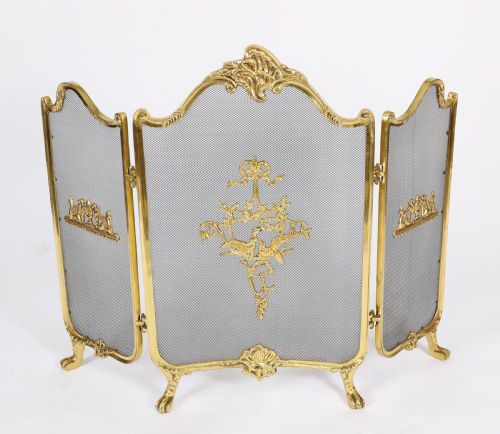
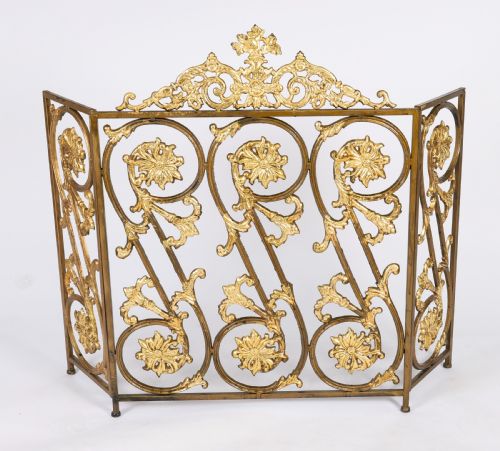
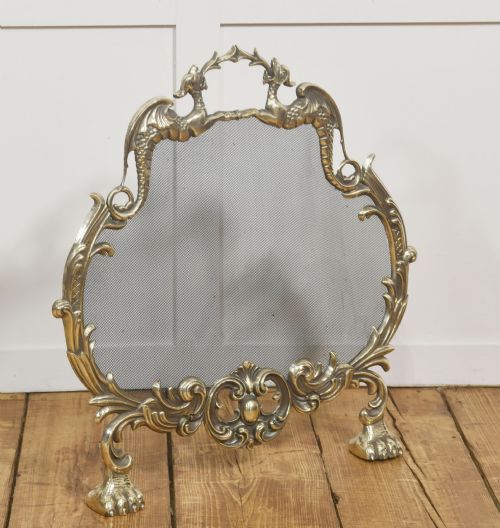
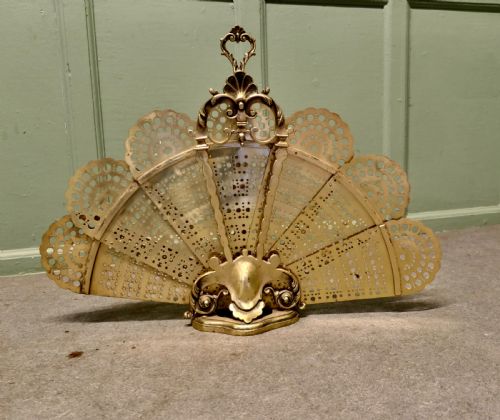

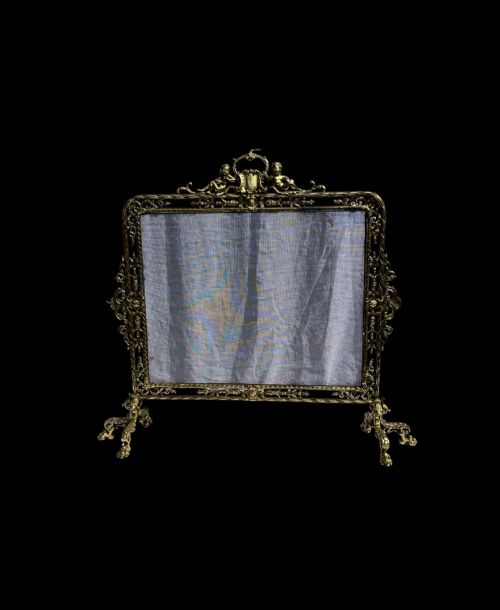
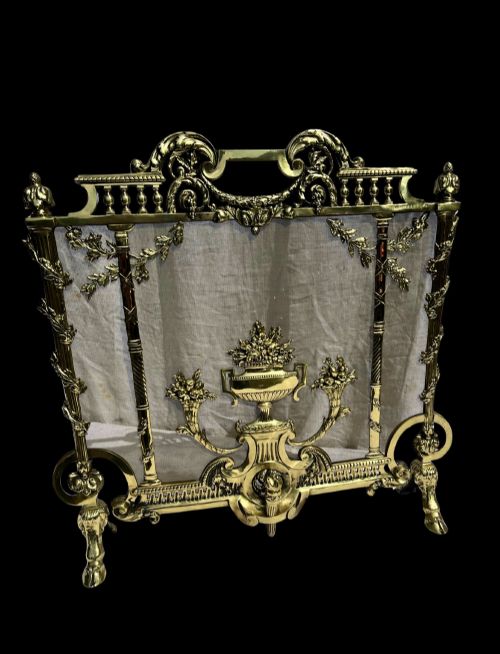


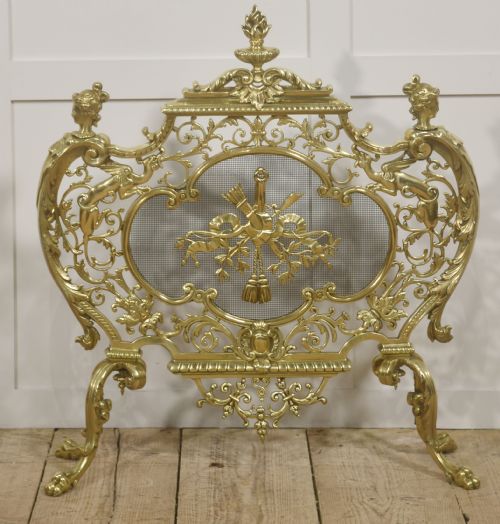

Rococo Fire Screen
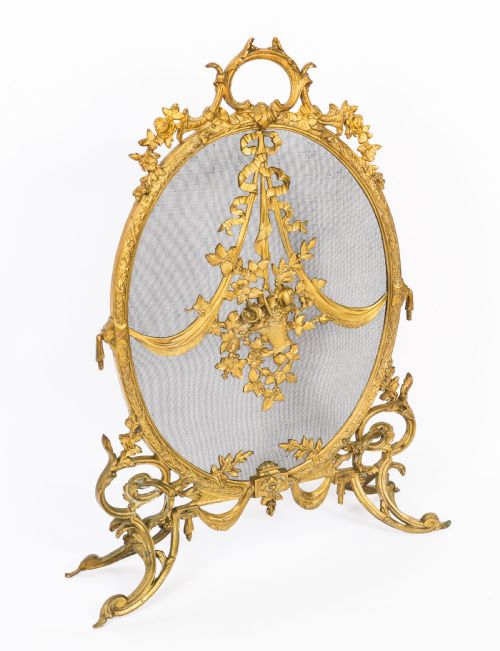
A rococo fire screen guards the hearth with exuberant cast metal scrollwork, framing the fire while blocking stray embers.
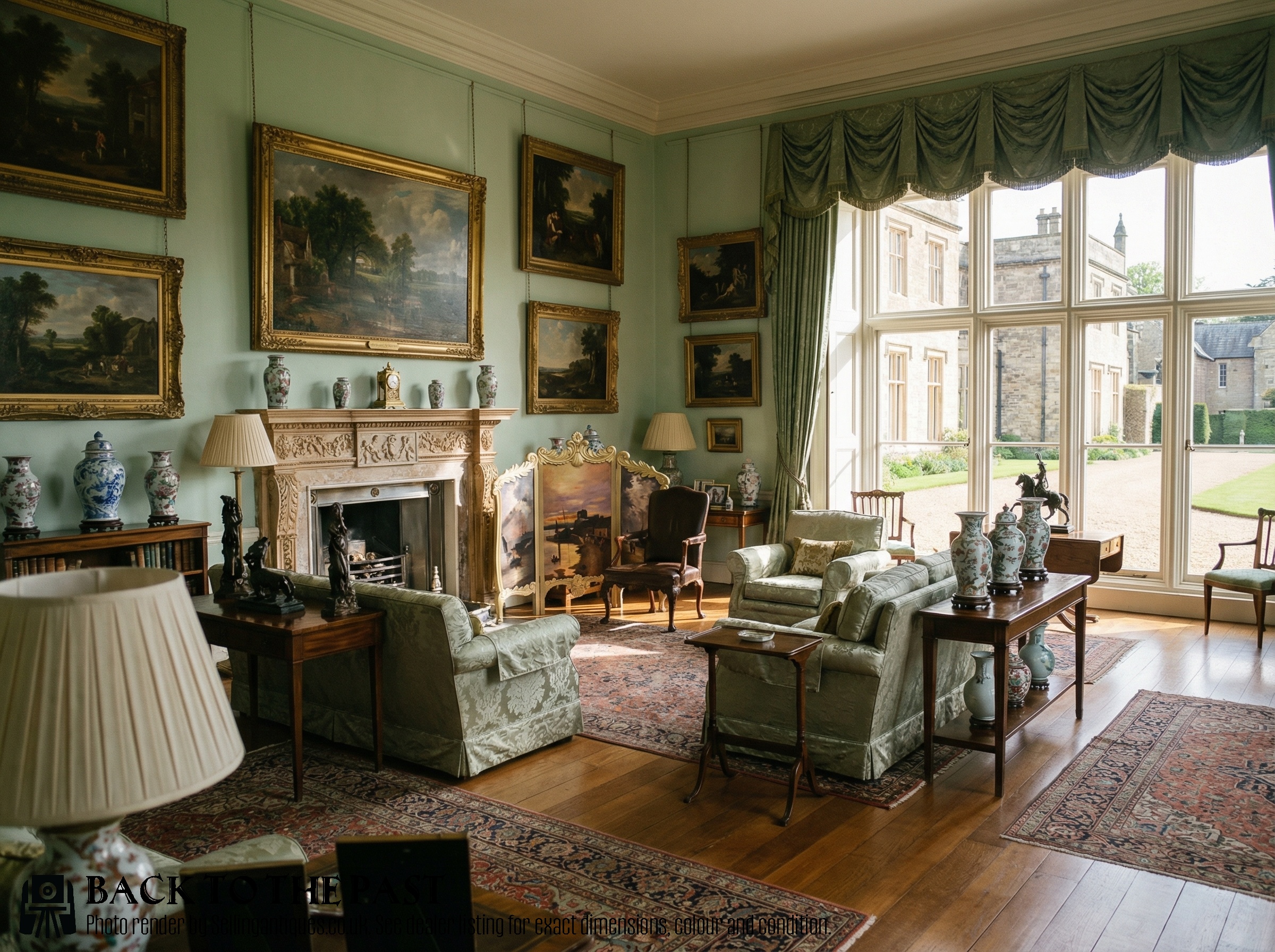
Rococo Fire Screen
A rococo fire screen stands before the fireplace to temper radiant heat and catch sparks when the grate burns low. The pieces seen here span the nineteenth century and the early twentieth century, drawing on French and English revival designs.
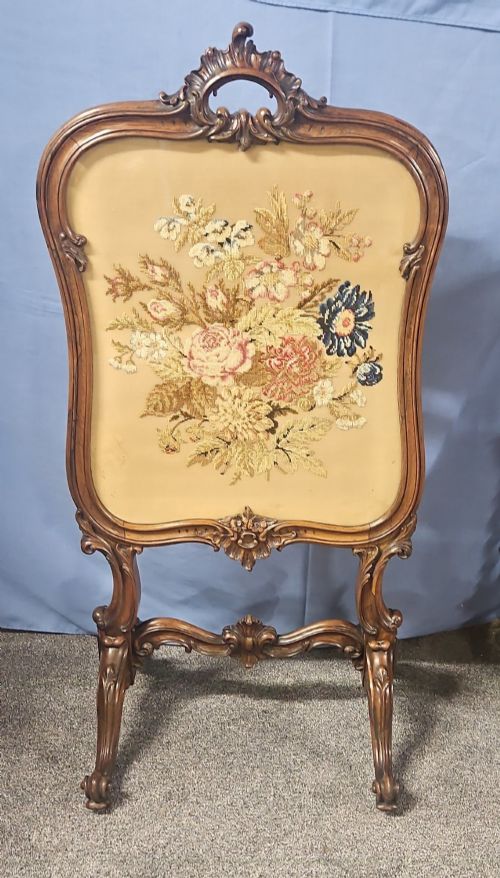
Most examples encountered on this page utilise brass, ormolu, and gilt bronze, often incorporating wire mesh or folding fan panels. Wooden frames in walnut, oak, rosewood, and giltwood appear alongside metal versions, frequently enclosing hand-woven tapestry or needlepoint panels depicting pastoral scenes and floral motifs.
How they were made
Metal screens rely on cast brass, ormolu, and gilt bronze formed into asymmetric scrolls, dolphins, and flaming torches. Pierced work and wire mesh provide the necessary barrier against sparks while maintaining visibility of the flames.
Wooden frames utilise carved walnut, oak, rosewood, and giltwood, constructed to hold textile inserts. These central panels consist of wool, canvas, and embroidered tapestry worked in needlepoint.
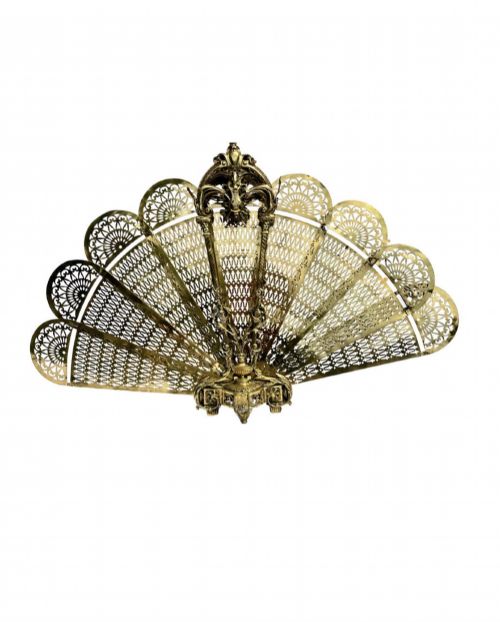
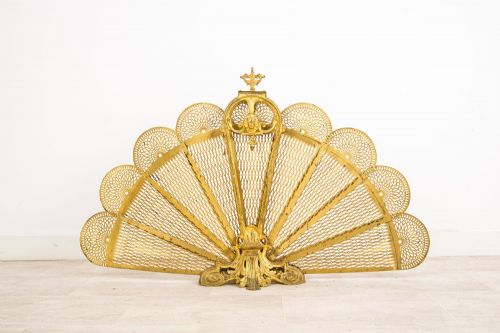
Several brass screens deploy mechanically opening leaves that fan out like a peacock's tail to guard the hearth.
What varies in quality
The distinction between ordinary and exceptional work rests in the crispness of the casting and the depth of the metal chasing. Heavier gauge brass and finely articulated gilt bronze display sharper relief in the characteristic C-scrolls and floral motifs.
In textile panels, the density and execution of the needlepoint or tapestry determine the refinement of the piece. Solid timber frames with hand-carved detailing outclass simpler turned supports.
The Rococo Fire Screen Glossary
- Ormolu
- Gilded bronze or brass applied to decorative metalwork. This technique creates a rich golden surface finish common in French revival pieces.
- Pole screen
- A vertical stand holding an adjustable sliding panel to shield the face from hearth heat. These typically feature tripod bases and needlepoint embroidery.
- Spark screen
- A protective mesh or guard designed to contain flying embers. Many examples utilise folding peacock or fan configurations.
- Rococo Revival
- A nineteenth-century design movement favouring asymmetric ornament, C-scrolls, and naturalistic shell motifs. It draws directly upon eighteenth-century French models.
Rococo Fire Screen: Frequently Asked Questions
How do I use a fire screen?
These pieces stand before the hearth opening to deflect intense heat when the fire burns high. They also serve to conceal the empty grate during warmer months.
Folding fan and peacock designs adjust in width to suit different fireplace openings, while rigid panel screens remain freestanding on feet or a tripod base.
Are these screens safe to use with an open fire?
Metal frames incorporating wire mesh or solid brass guards function effectively as spark barriers. They intercept flying embers while allowing warmth to circulate into the room.
Screens containing delicate textile panels or antique needlepoint require greater clearance from active flames to prevent heat damage to the fabrics.
How do I tell nineteenth century pieces apart?
Dating relies upon material composition, casting weight, and revival styles. Mid-nineteenth-century examples often combine heavy cast brass with detailed rococo scrollwork.
Later Victorian and early twentieth-century pieces introduce mechanical folding elements, such as the expanding peacock fan screens.
How do I care for brass and gilt surfaces?
Dust metal frames regularly with a soft, dry cloth to prevent grime accumulation. Avoid abrasive metal polishes that can strip thin gilt layers.
Wooden frames and textile inserts benefit from stable room humidity and protection from direct sunlight to preserve the embroidery.