

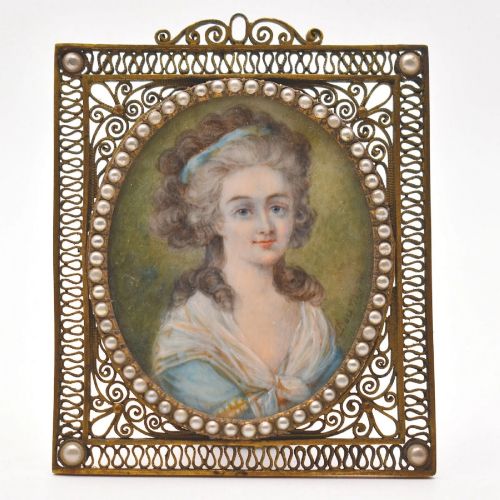


Rococo Female Portrait Painting
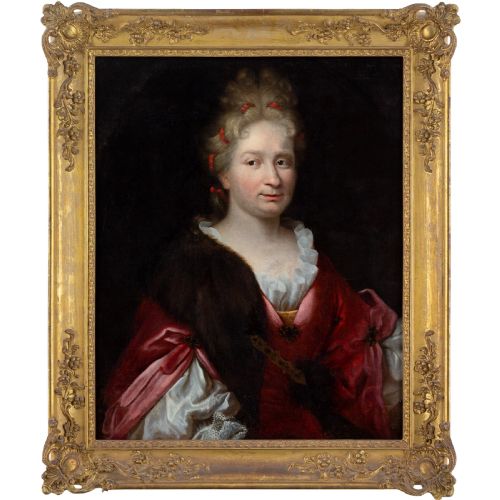
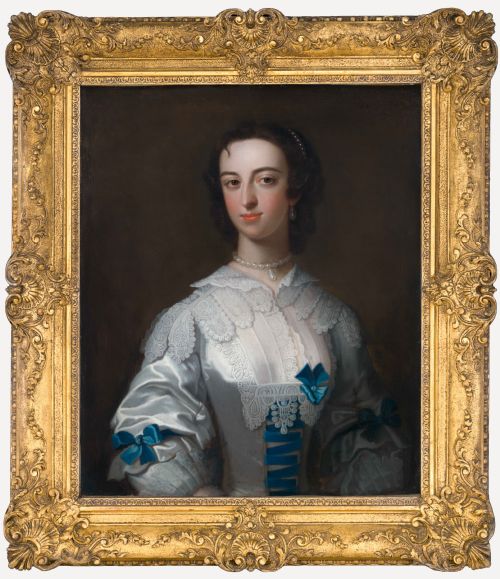
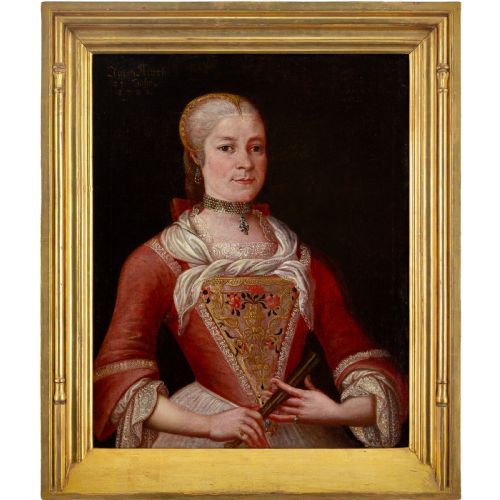
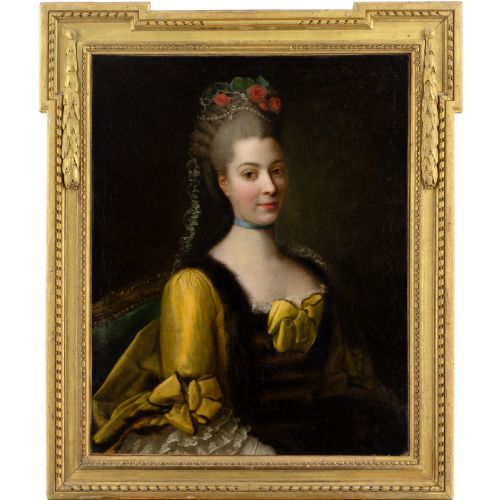
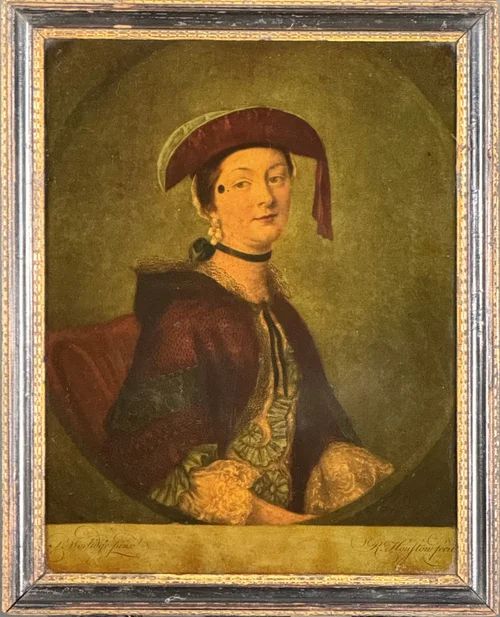
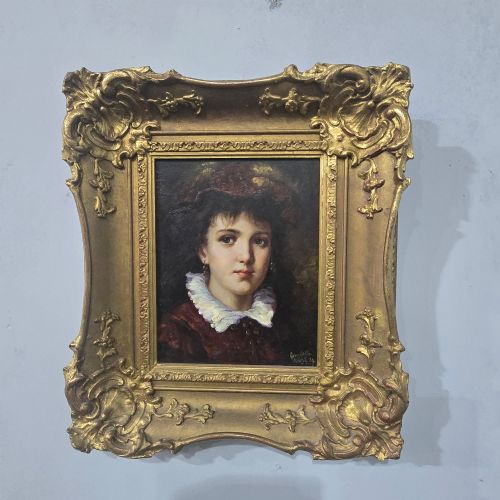
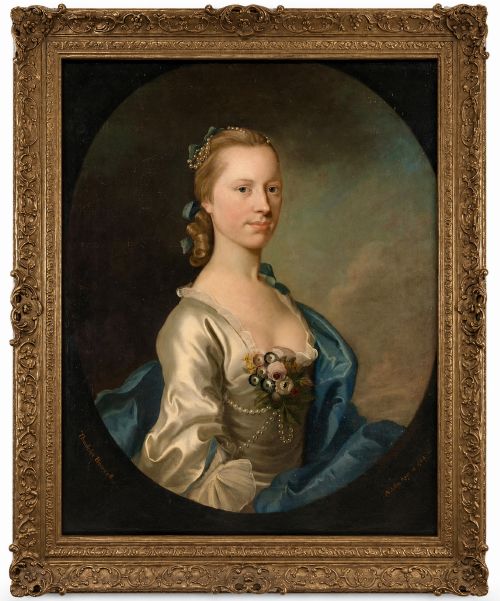
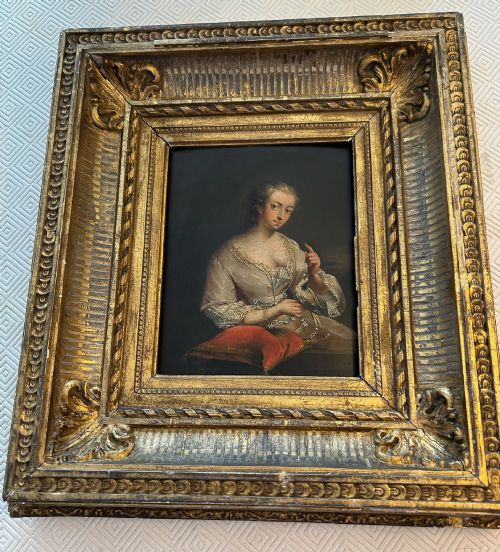
These works are a rococo female portrait painting, capturing aristocratic grace in oil on canvas, giltwood, and wood.
Rococo Female Portrait Painting
A rococo female portrait painting depicts aristocratic women within compositions defined by soft palettes, ornate gowns, and decorative flourishes. You will frequently encounter 18th-century European school pieces alongside later revivals on this page.
The subjects range from titled ladies in silk and lace to mythological figures rendered with intimate theatricality. These canvases document the period's fascination with elegance, youth, and courtly fashion.
Most examples originate from British, French, and Bavarian workshops, utilising traditional canvas and panel supports. The enduring appeal lies in the delicate brushwork and the social standing of the sitters.
Materials and construction
Artists built these works primarily using oil paint applied to woven canvas supports, occasionally employing oil on copper or board. Pigments were hand-ground from minerals and plant extracts, layered to achieve translucent flesh tones and rich textile depths.
Original frames often consist of carved giltwood with intricate gesso ornamentation that complements the ornate style of the canvas. The preparation of the ground involved layers of size and chalk to ensure the stability of the paint surface over centuries.
Several ladies on these canvases share space with curious companions, including lambs, doves, and even a cello.
Assessing artistic merit
Quality rests upon the subtlety of facial modeling and the natural rendering of textiles, where master hands achieve realistic silk sheens and delicate lace textures. Weaker examples often display rigid proportions and heavy, uninspired drapery.
The distinction between a primary studio hand and a secondary provincial copy alters the depth of character in the subject. Superior works retain expressive vitality in the eyes and hands, whereas lesser pieces slip into formulaic stiffness.
Sir Allan Ramsay·Jeremiah Davison·Henry Pickering·Jean-Baptiste Greuze·Jean-Baptiste van Loo·Nicolas Fouche·Pierre Gobert·Jean-Marc Nattier·William Edward Frost·Balthasar Denner·Nathaniel Hone·Arthur Pond·George Knapton·Philip Mercier·Joseph Highmore·Fra Galgario·Paul Schier·Jonny Gaston·Charles Spooner
The Rococo Female Portrait Painting Glossary
- Oil on Canvas
- Pigments bound in drying oils applied to a stretched woven fabric support. This combination allowed artists to blend tones smoothly and achieve luminous glazes.
- Giltwood Frame
- Wood carved with decorative motifs and coated with a thin layer of gold leaf. These surrounds often reflect the specific aesthetic of the painting period.
- Portrait Miniature
- A small-scale likeness executed with fine detail on materials such as vellum, copper, or ivory. These portable works required specialised magnification and steady brushwork.
- School
- A group of artists working in a particular region and time sharing stylistic traits. Attribution to a school indicates a shared artistic lineage rather than a named master.
Rococo Female Portrait Painting: Frequently Asked Questions
What defines a rococo portrait?
A rococo portrait relies on asymmetrical curves, pastel tones, and playful elegance, often placing female subjects in theatrical or pastoral settings. The aesthetic prioritizes decorative charm and fluid brushwork over rigid formality.
Subjects wear elaborate silk and velvet costumes adorned with ribbons, lace, and pearls. The overall atmosphere emphasises leisure, romance, and aristocratic sophistication.
How can I date an 18th-century painting?
Dating relies on the analysis of canvas weave, stretcher construction, pigment composition, and costume details. Fashion trends in hairstyles and gowns provide precise chronological markers.
Secondary evidence such as artist signatures, exhibition labels, and framing styles help narrow the creation window. Comparative study with documented works by the same school solidifies the timeline.
Where were these portraits displayed?
Historical portraits hung in the principal reception rooms and galleries of country houses and urban townhouses. They served to project family lineage, wealth, and social status to visitors.
Smaller works and miniatures resided in more private chambers, including boudoirs and libraries. This placement dictated the scale and intimacy of the composition.
How do I care for an oil painting?
Oil paintings require stable indoor humidity and temperature away from direct sunlight to prevent canvas warping and pigment fading. Dusting should occur gently with a soft, dry brush without applying pressure.
Professional conservation is necessary for cleaning old varnish layers or stabilizing flaking paint. Avoid hanging canvases near direct heat sources or damp exterior walls.