



Rococo Decor
Rococo decor brings expressive asymmetry, organic curves and ornamental energy into a room, drawing collectors through its exuberant forms.
Rococo Decor
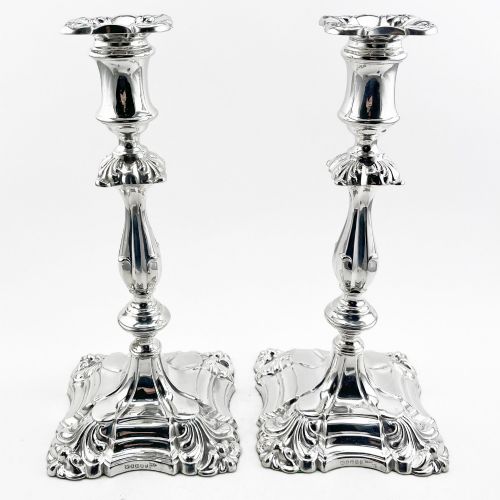
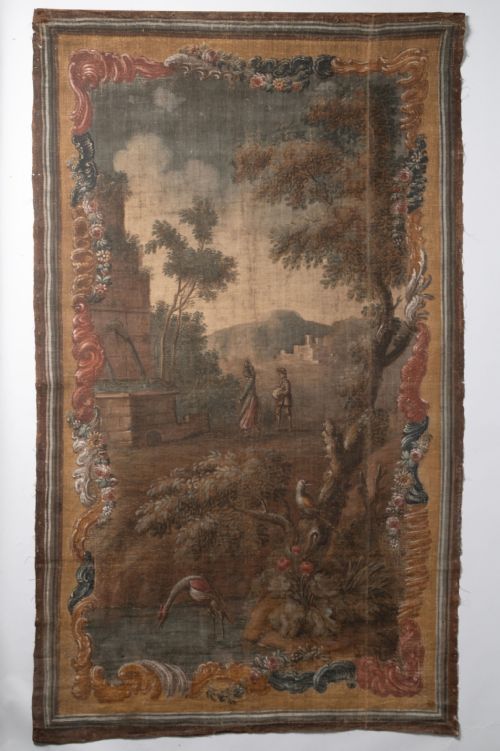
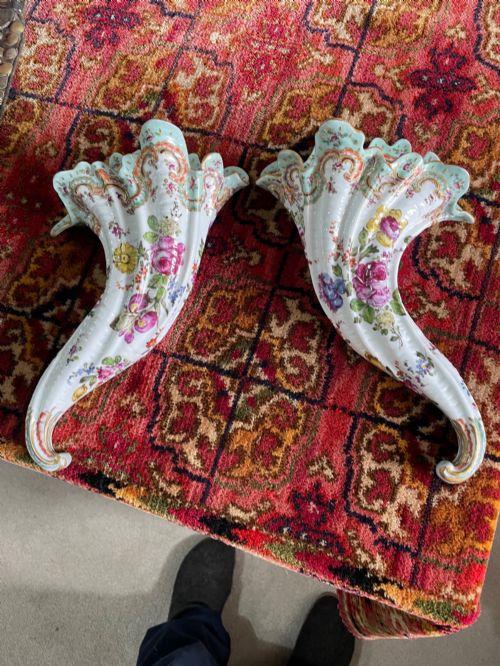
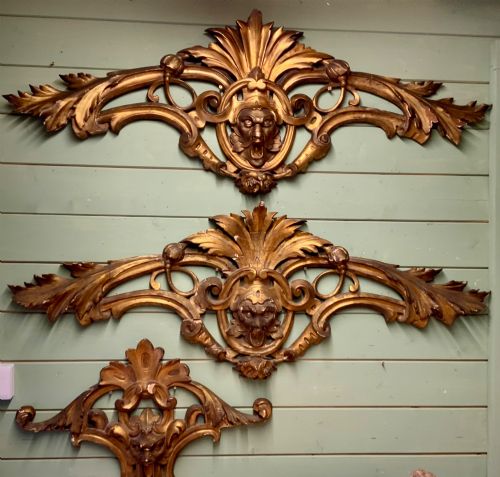
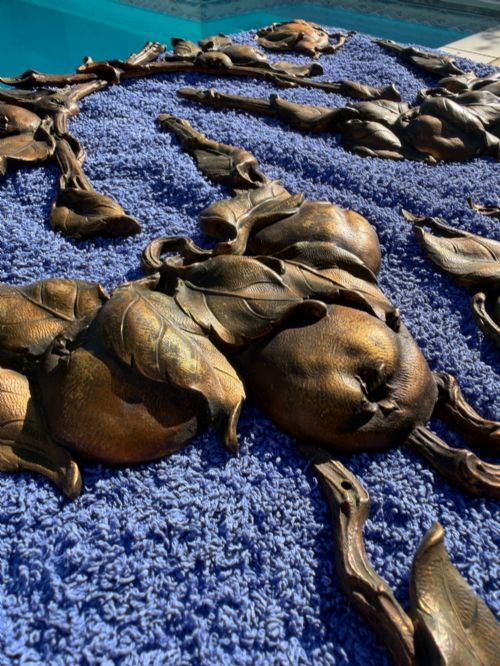
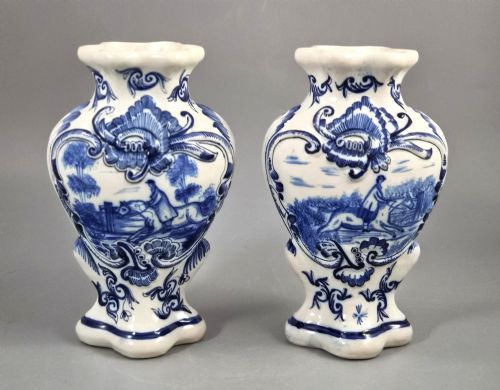
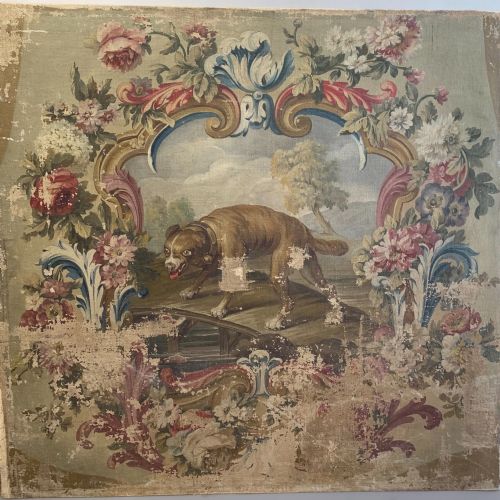
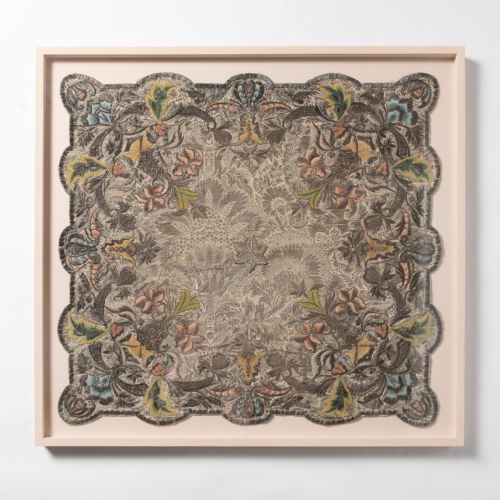
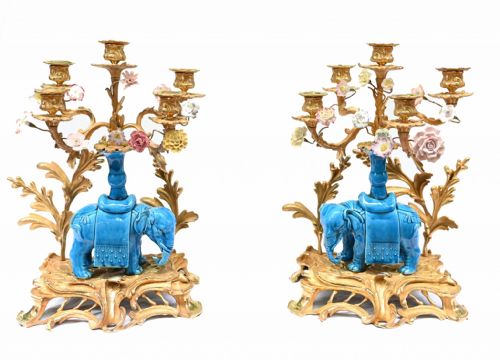
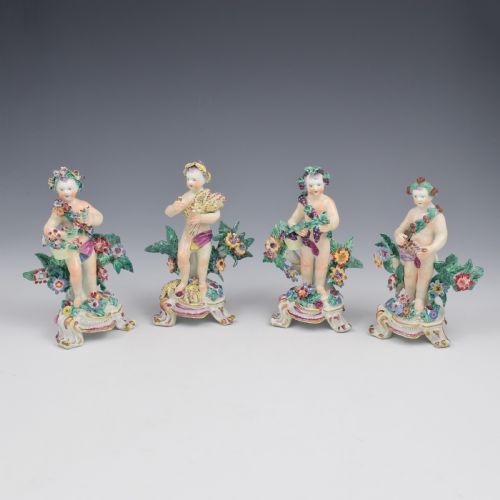
When you search for rococo decor, you encounter a selection of objects spanning the eighteenth and nineteenth centuries, including French Rococo Revival pieces, Dutch items and Victorian examples. These pieces range from porcelain cornucopia wall vases and figural candlesticks to gilt bronze appliques, architectural fragments and oil paintings.
The most common forms on this page include pairs of metal candlesticks, fireplace chenets, ceramic figurines and decorative wall plaques. They originate from periods such as the eighteenth century, the Victorian era and the decades around eighteen eighty.
Collectors seek these furnishings to introduce dynamic scrollwork and ornate detailing into interiors. The selection covers everything from utilitarian hearth accessories to fine wall art and porcelain figures.
Materials and Construction
Makers utilised cast and chased bronze, often finished with gold leaf or ormolu, alongside hand-painted porcelain, enamel, faience and carved wood. Metal pieces rely on foundry casting and manual chasing to achieve crisp relief, while ceramic items involve moulded clay fired with polychrome pigments or blue and white glazes.
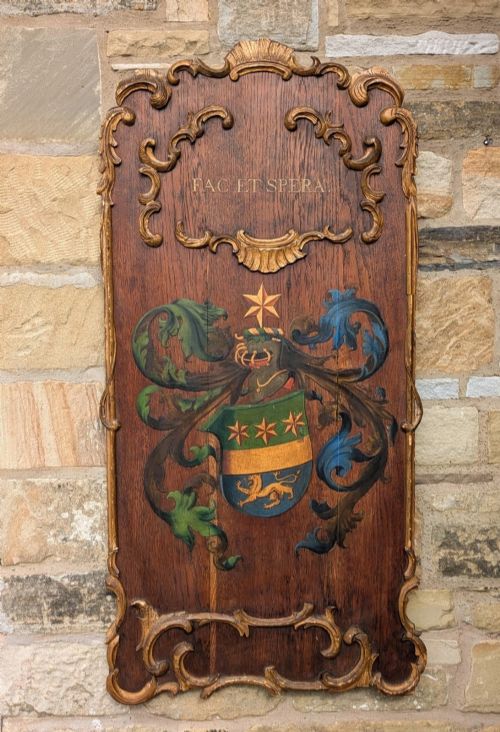
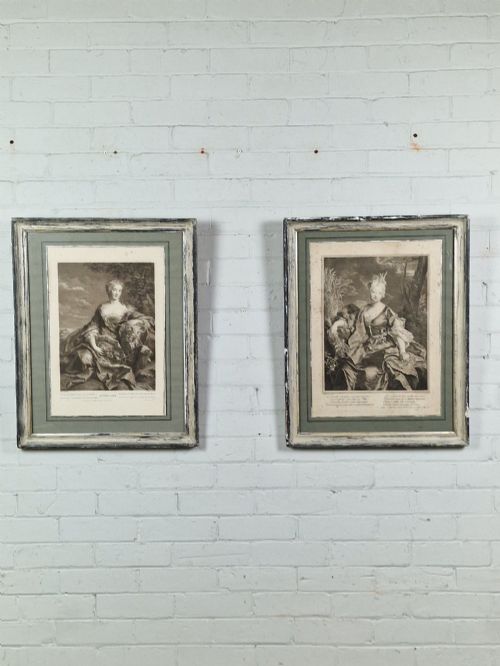
Wood elements, such as wall carvings and appliques, feature hand-carved giltwood surfaces that display deep undercutting and flowing vegetative motifs. Canvases and prints employ traditional oil painting techniques and engraving methods, sometimes serving as cartoons for tapestries.
Rococo Decor Retail Price Guide 2026
Typical asking prices for rococo decor among the pieces listed under this phrase on Sellingantiques today, from the lower quarter to the upper quarter. They describe what is for sale here now, not the wider market.
Listings feature works from the eighteenth and nineteenth centuries, incorporating gold leaf, porcelain, enamel, gilt bronze, wood, glass and oil pigments.
Qualities of Distinction
Quality rests upon the crispness of the chasing in metalwork and the delicacy of the hand-painting on porcelain figures and plaques. Finer pieces demonstrate precision in sculptural modelling and depth in gilding or polychrome pigment application.
The sophistication of the design distinguishes superior examples from standard production, particularly in the fluidity of asymmetrical scrolls and the naturalism of human and floral forms. Original mounting and surface preservation further elevate the standing of any object.
Meissen Porcelain·Poix Blin·Fourmaintraux Courquin·Sitzendorf·John Cafe
The Rococo Decor Glossary
- Ormolu
- A technique of applying finely ground high-carat gold to a bronze object. This finish provides a bright golden appearance characteristic of fine French metalwork.
- Chenets
- Metal fire dogs placed at the front of a hearth to support logs. They often feature elaborate decorative fronts matching the style of the fireplace accessories.
- Faience
- Tin-glazed earthenware produced in various European centres. It provides an opaque white surface suitable for hand-painted polychrome decoration.
- Applique
- An ornamental fitting attached to a wall or furniture surface. These pieces frequently incorporate cast bronze or carved wood in floral and scroll designs.
- Garniture
- A set of three or more decorative vases designed to be displayed together on a mantelpiece or sideboard.
Rococo Decor: Frequently Asked Questions
What is rococo decor?
Rococo decor encompasses eighteenth-century and nineteenth-century Revival objects defined by shell motifs, C-scrolls and asymmetrical arrangements. The style emerged in France and prioritised lightness, ornamentation and naturalistic curves over rigid symmetry.
Items in this category range from gilt bronze chenets and silver candlesticks to porcelain figures, wall vases and painted panels.
How were chenets used?
Chenets sat inside or directly in front of the fireplace opening, serving a dual purpose of decorative display and practical hearth management. They held logs in place to improve air circulation while presenting ornate bronze or iron facades to the room.
In many interiors, they formed part of a matched suite of fireplace accessories alongside wall appliques and garnitures.
How do I identify porcelain periods?
Porcelain identification relies on examining base marks, paste consistency and the style of hand-painted polychrome or blue and white pigments. Factories such as Meissen and Sitzendorf utilised distinct factory stamps and modelling traits tied to their specific operational eras.
Stylistic cues, including the clothing of figural subjects and the floral details on bases, help separate eighteenth-century originals from nineteenth-century Revival pieces.
How do I live with these pieces?
Living with these items involves integrating ornate metalwork, ceramics and carved wood into traditional or contemporary spaces as focal points. Placing gilt bronze candlesticks on a mantelpiece or hanging wall plaques allows the organic forms to catch natural light.
Careful placement away from direct heat sources ensures that delicate gilt surfaces and hand-painted glazes remain preserved over time.