
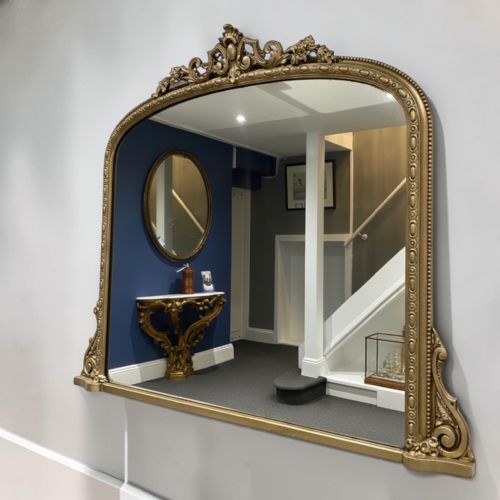
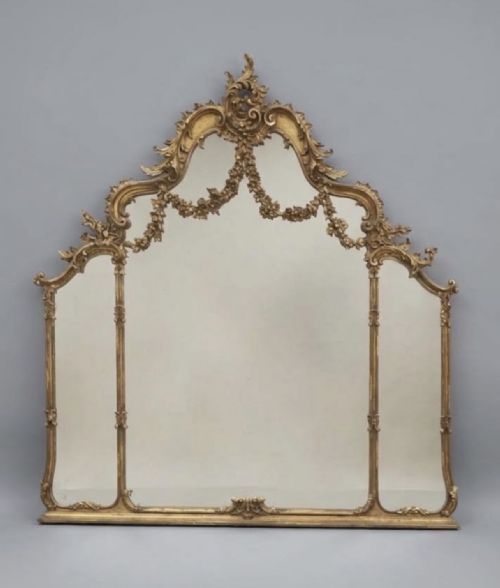
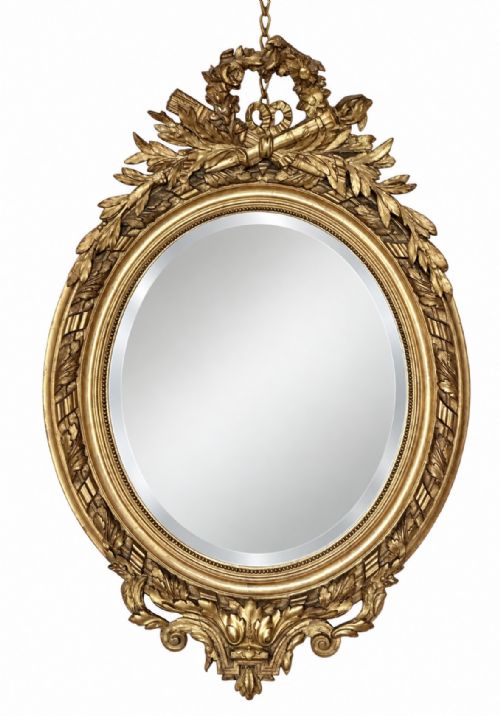
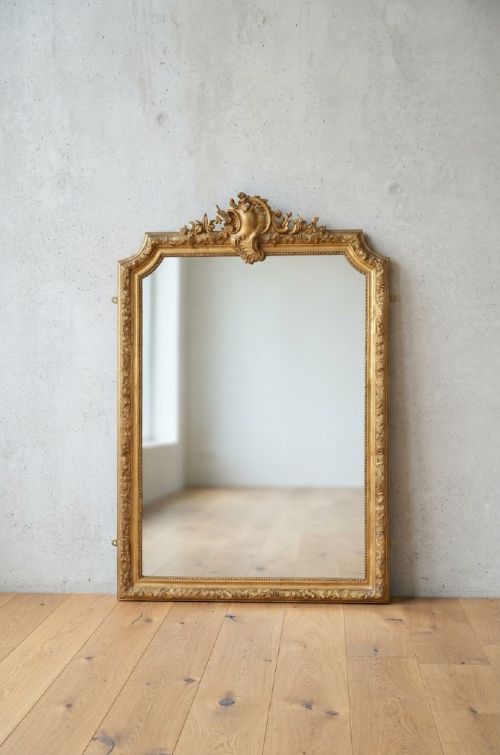
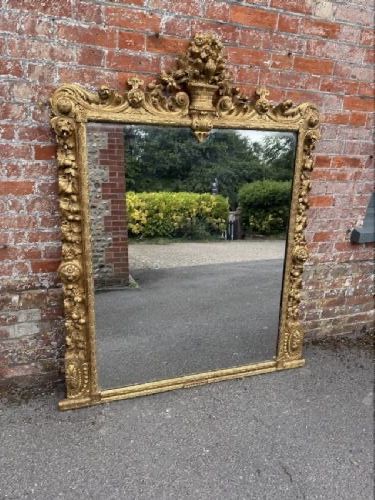
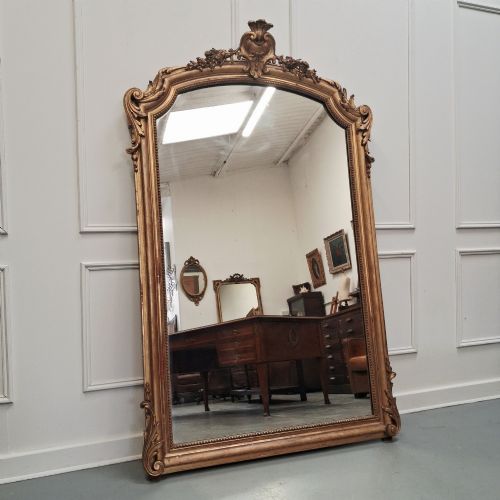
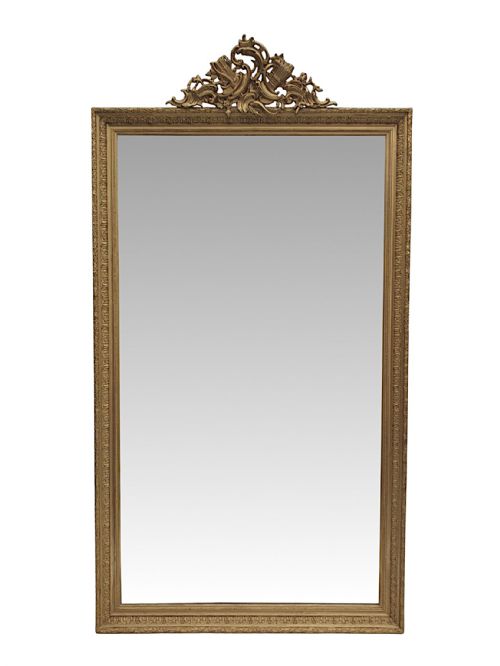
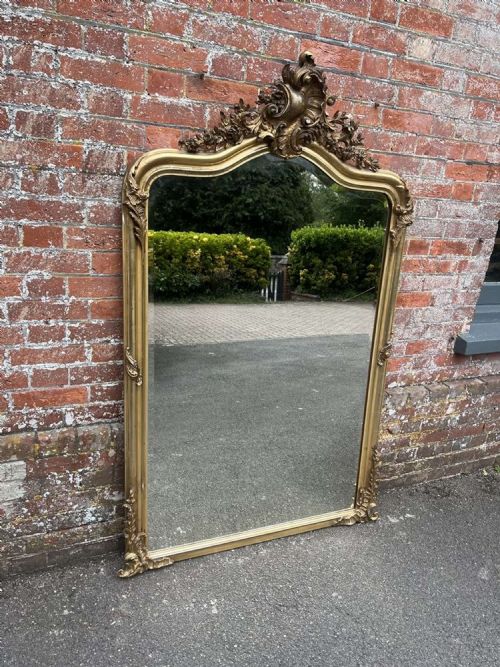
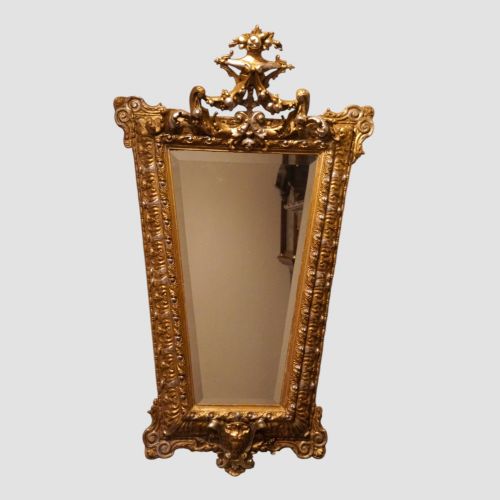
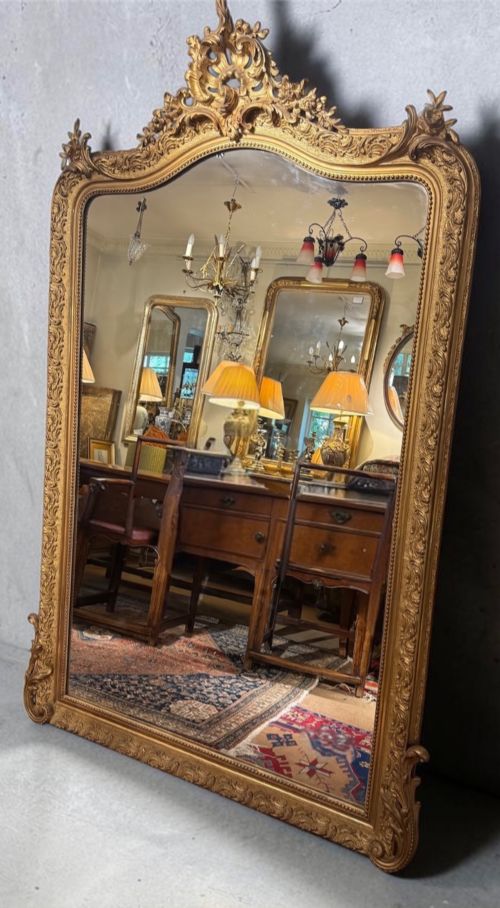
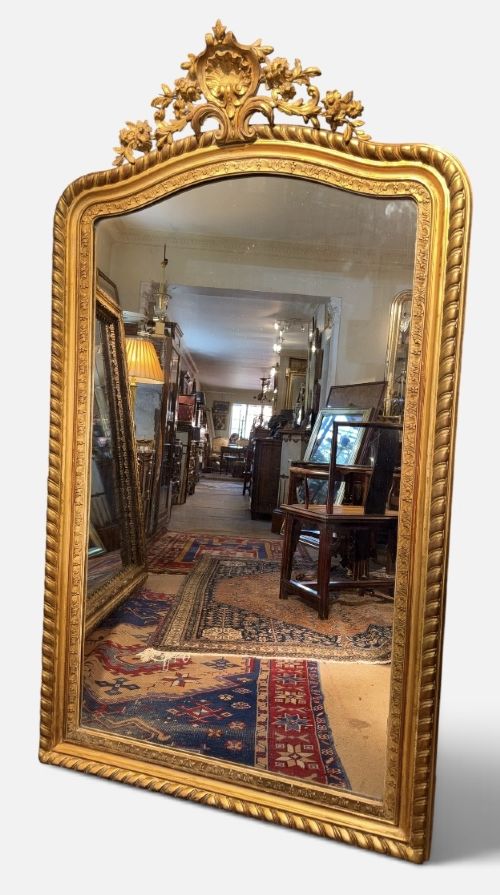
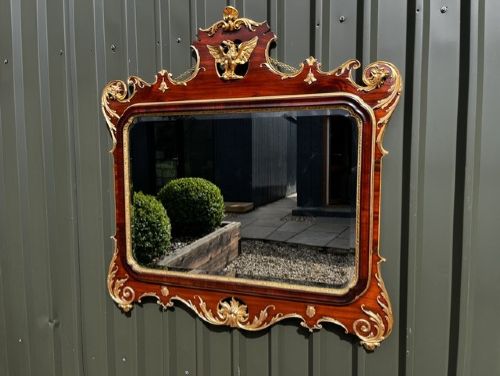
Rococo Crest Giltwood Mirror
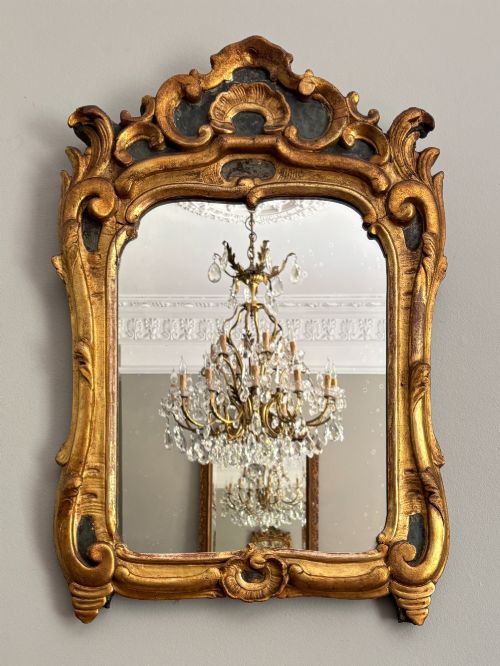
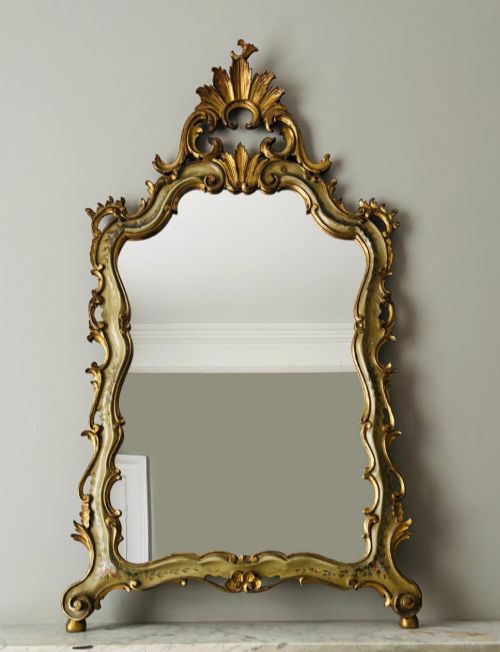
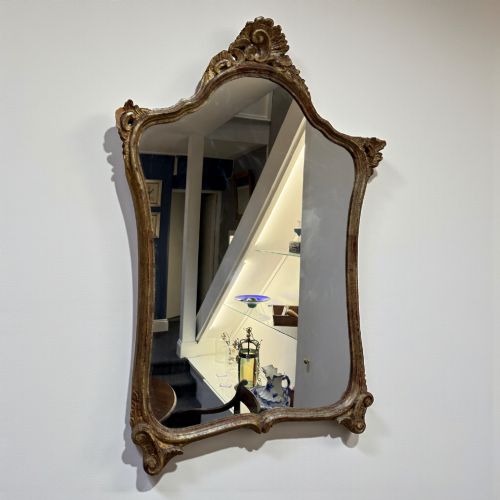
A rococo crest giltwood mirror brings dramatic C-scrolls, asymmetric cartouches and lavish gilding to any interior.
How They Were Made
Makers built the foundational structure using carved wood or composition applied over a wooden base to form the intricate relief. Gesso provided the smooth ground necessary for capturing crisp botanical motifs and scrollwork before gilding took place.
Artisans applied thin sheets of gold leaf or silver-gilt onto the prepared surface, burnishing the metal to achieve a bright, reflective sheen. Mirror glass of the period often exhibits subtle imperfections and hand-beveled edges that catch the light distinctively.
What Varies in Quality
The depth and crispness of the carved detail define the upper tiers of quality, distinguishing hand-carved wooden relief from heavy composition mouldings. Superior examples show fluid, undercut scrollwork rather than rigid, repetitive patterns.
The integrity of the original gilding and the preservation of the mirror plate itself dictate the standing of a piece. Original mercury glass and undisturbed gold leaf demonstrate authentic period craftsmanship.
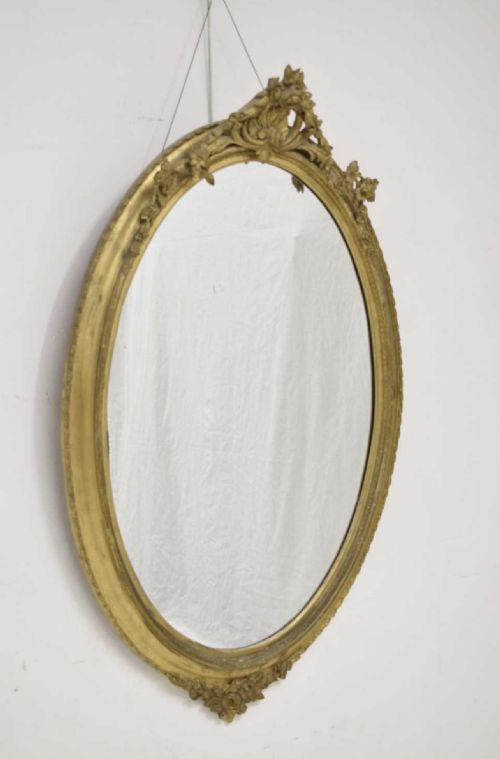
Listings feature periods spanning from the 18th Century through the Victorian era and into the early 20th Century.
The Rococo Crest Giltwood Mirror Glossary
- Giltwood
- Wood coated with gold leaf or metal leaf applied over a prepared ground. This technique creates a rich, metallic surface typical of formal antique mirrors.
- Gesso
- A plaster-like mixture applied to wood frames to create a smooth surface for carving and gilding. It allows artisans to render sharp, detailed motifs.
- Overmantel mirror
- A large mirror specifically proportioned to hang above a fireplace mantel. These pieces often anchor the decorative scheme of a formal room.
- Cartouche
- An ornamental tablet or frame resembling a rolled-up piece of paper, frequently placed at the crest of the mirror. It often bears central motifs or blank spaces for crests.
- Pier mirror
- A tall, narrow mirror designed to hang on the wall space between windows. They maximise light reflection in domestic interiors.
Rococo Crest Giltwood Mirror: Frequently Asked Questions
Where should I hang an overmantel mirror?
Position the piece directly above the fireplace mantelpiece to anchor the room's proportions and reflect light across the space. Ensure the weight is properly supported by structural wall fixings.
Alternatively, place the mirror above a large sideboard or console table in a dining room or hallway to create a sense of expanded depth.
How do I clean a gilded frame safely?
Dust the surface gently using a soft, dry ostrich feather duster or a clean, dry artist's brush. Avoid applying moisture or chemical cleaning products, which can lift fragile gold leaf.
Keep the mirror out of direct sunlight and away from excessive humidity to protect the underlying gesso and wood structure over time.
How can I tell an 18th century mirror from a revival piece?
Examine the construction of the wooden frame behind the gilding, looking for hand-cut joinery, old fixings and the natural oxidation of the materials. Eighteenth-century examples show distinct tool marks and heavier patination.
Revival pieces from the Victorian era or later often utilise machine-sawn timber and uniform composition ornament, reflecting the industrial techniques of their production period.
What is the difference between a pier mirror and a wall mirror?
A pier mirror is specifically built to fit the narrow wall space between two windows, typically featuring an elongated vertical format. Standard wall mirrors follow broader proportions suited for general placement.
Both styles utilise the rococo crest design, but the pier mirror prioritises a narrow footprint to maximise light between architectural openings.