



Rococo Ceramic Figurines
These rococo ceramic figurines bring mid-eighteenth-century theatricality and pastoral subjects to porcelain collections.
Rococo Ceramic Figurines
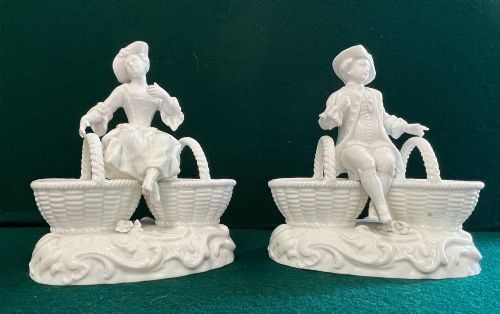
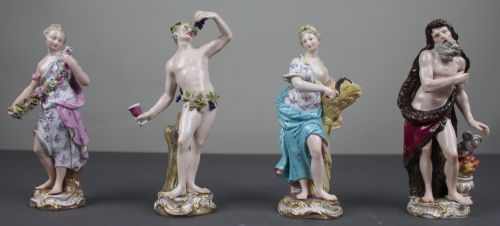
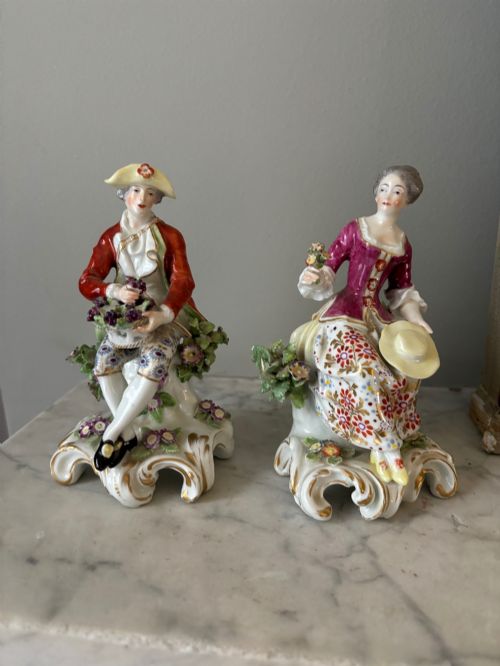
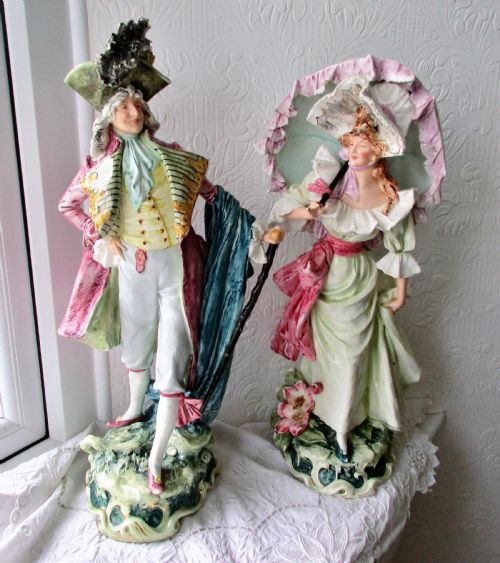
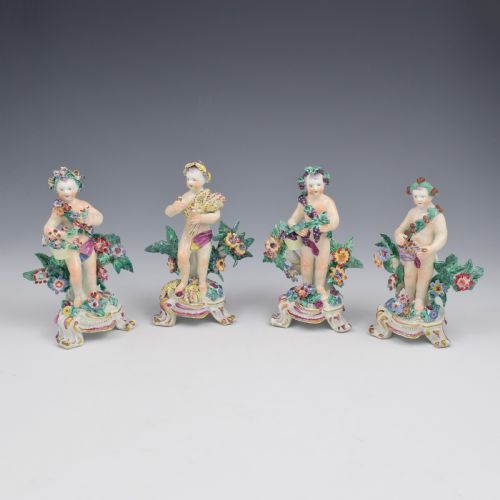
Rococo ceramic figurines encompass modelled porcelain groups, allegorical figures representing the seasons or elements, and pastoral subjects like gardeners and musicians. When searching for rococo ceramic figurines, buyers encounter both eighteenth-century originals from factories such as Meissen, Derby, and Bow, and nineteenth-century revival pieces from continental and English makers.
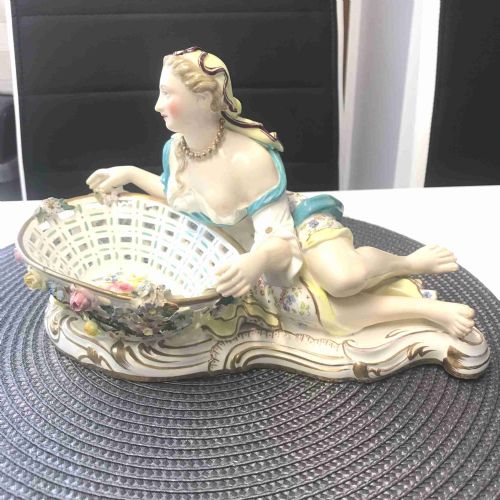
The forms range from single standing figures to complex multi-figure groups with bocage backgrounds, sweet baskets, and animal companions. Eighteenth-century examples often originate from the primary European porcelain centres, while nineteenth-century interpretations follow French and Georgian stylistic revivals.
How They Were Made
Makers utilised soft-paste and hard-paste porcelain body pastes, shaped in multi-piece moulds before being hand-finished with applied floral garlands and delicate lace details. Figures received hand-painted enamel decoration, frequently accented with gilding or gold leaf.
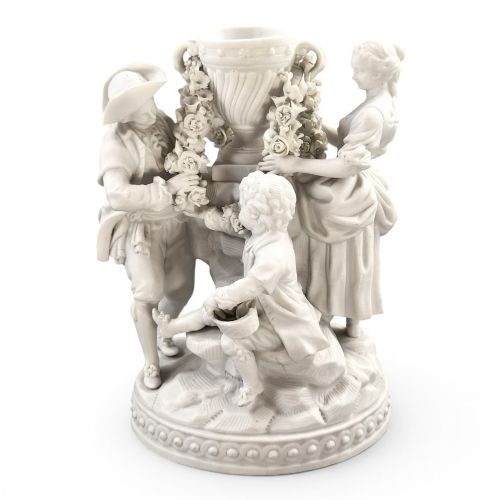
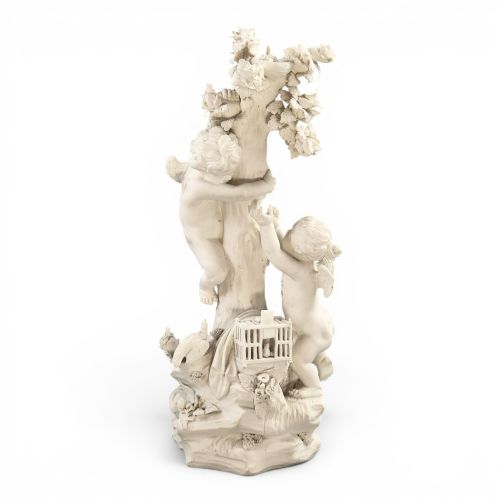
Biscuits porcelain pieces remained unglazed to display the matte texture of the fired body, particularly popular for sculptural groups and classical figures.
Periods represented span from the mid-eighteenth century through the Victorian era and the late nineteenth century.
What Varies in Quality
The crispness of the modelling and the delicacy of applied details distinguish different tiers of production, separating factory-standard work from later commercial output. Hand-painted enamel precision and the preservation of intricate elements such as bocage foliage or lace drapery dictate the finish of the piece.
Markings also play a role, with authentic period factory marks or later pseudo-marks indicating the lineage of the manufacture, though the primary indicator remains the fidelity of the sculptural execution.
Meissen·Edme Sampson·Bourdois & Bloch·Volkstedt·Triebner Ens & Eckert·Richard Eckert·La Coutille Factory·Vion & Baury·Letu & Mauger
The Rococo Ceramic Figurines Glossary
- Bocage
- Applied ceramic foliage and leafy background screens often framing eighteenth-century figures. This feature provides a naturalistic, wooded backdrop behind the modelled subject.
- Biscuit porcelain
- Unfired-glaze porcelain fired to a matte, white state. It resembles marble and was favoured for neoclassical and allegorical sculptural groups.
- Soft-paste porcelain
- An artificial porcelain composition fired at lower temperatures than hard-paste. It possesses a warmer lustre and a softer glaze surface.
- Hard-paste porcelain
- True porcelain composed of kaolin and petuntse, fired at high temperatures. It yields a durable, vitrified body with a bright, glassy appearance.
- Enamel
- Vitreous pigments applied over or under the glaze to colour porcelain decoration. These metallic oxides fix permanently during secondary kiln firings.
Rococo Ceramic Figurines: Frequently Asked Questions
How do I spot a reproduction?
Examine the base, glaze texture, and painting style to understand the manufacturing period. Nineteenth-century revival pieces often display heavier porcelain bodies and different enamel vibrancy compared to eighteenth-century originals.
Look closely at factory marks, but remember that pseudo-marks appeared frequently during later revival periods. Comparing the baseline modelling quality against known museum examples provides the clearest guide.
What are bocage figures?
Bocage figures feature an intricate background of ceramic leaves and branches wrapping around the main subject. This technique originated in eighteenth-century English and continental factories to add depth and a pastoral setting.
Because the foliage is delicate, these areas often show restoration or minor losses. Collectors prize intact bocage screens for their visual impact and survival rate.
Are biscuit figures glazed?
Biscuit porcelain is left unglazed after firing, producing a matte surface texture similar to fine marble. This finish highlights the precise modelling of facial expressions and drapery.
Manufactories often utilised biscuit porcelain for classical or allegorical subjects throughout the eighteenth and nineteenth centuries. Cleaning requires care to avoid staining the porous, unglazed surface.
How were these figures used?
These ceramic pieces served as decorative ornaments for dining tables, mantelpieces, and cabinet displays in prosperous households. Elaborate figure groups often acted as dessert service centerpieces during formal meals.
They also functioned as conversational objects embodying contemporary tastes in theatre, mythology, and pastoral romance. Their scale made them versatile additions to domestic interior schemes.