



German Ceramic Statuettes
German ceramic statuettes capture centuries of European artistry, offering finely modelled figures that bring historic character to any cabinet.
German Ceramic Statuettes
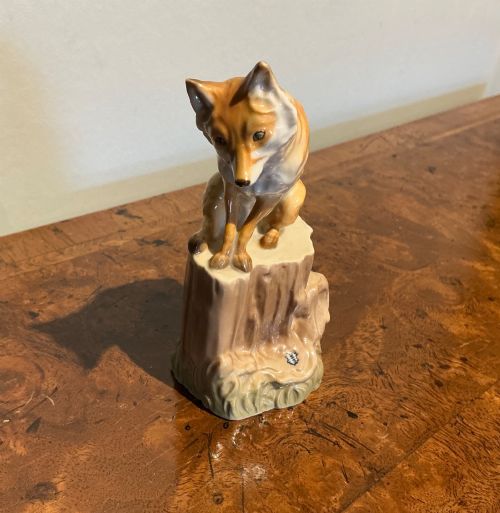
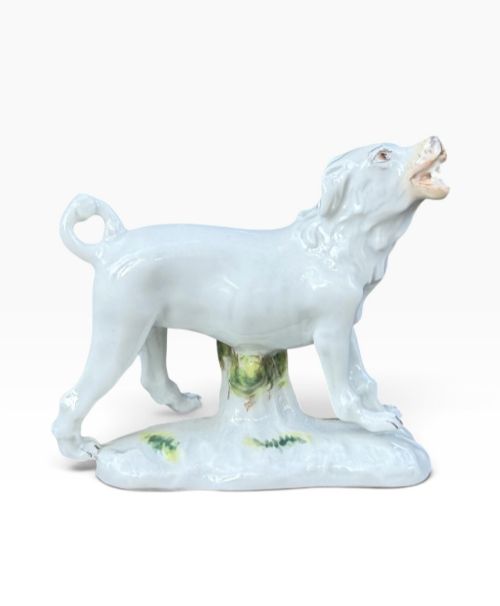
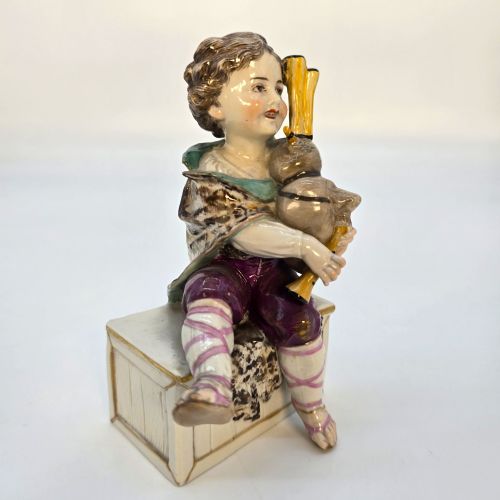
German ceramic statuettes encompass a rich variety of figurative works, ranging from delicate eighteenth-century pastoral groups to robust nineteenth-century models. Collectors encountering these pieces will discover subjects that include musicians, traders, children, and animals modelled with distinct theatricality. The selection spans notable regional factories that defined European porcelain production over multiple centuries.
The assortment relies heavily on historical Meissen models alongside works from Volkstedt, Sitzendorf, and various Dresden decorator studios. Eighteenth-century examples often present mythological or courtly scenes, while later nineteenth-century pieces lean towards sentimental genre subjects and lively children. Figures typically appear individually or in matched pairs intended for mantle display.
Materials and production methods
Makers utilised hard-paste porcelain as the primary medium, shaped through intricate multi-part mould casting before undergoing high-temperature firing. Artisans then applied detailed enamel painting by hand, frequently incorporating rich gilt highlights and gold leaf to accentuate garments and bases. Some nineteenth-century pieces utilise bisque porcelain or parian biscuit, leaving the ceramic unglazed to highlight the sculptural modelling.
Surface decoration depended upon precise brushwork for facial expressions, clothing patterns, and naturalistic flora on the bases. Transparent or tinted glazes sealed the fired body, while specialised workshops applied transferred or painted floral motifs characteristic of Dresden and other regional centres.
Listings feature hard-paste porcelain, bisque porcelain, enamel, and gold leaf across the eighteenth, nineteenth, and early twentieth centuries.
Factors influencing quality
The execution of the hand-painted enamels and gilding dictates the visual success of each piece. Skilled painters achieved subtle tonal gradations in flesh and fabric, while lesser examples rely on flat colours and hurried line work. The retention of original painted factory marks on the underside also guides the assessment of origin.
Meissen Porcelain·Volkstedt Rudolstadt Factory·Sitzendorf Porcelain·Carl Thieme·Helena Wolfsohn·Nymphenburg
The German Ceramic Statuettes Glossary
- Hard-paste porcelain
- A dense ceramic compound composed of kaolin and petuntse fired at very high temperatures. This material yields a durable, vitrified body that resists scratching and accepts bright enamel colours.
- Bisque porcelain
- Unglazed ceramic fired to maturity that presents a matte, marble-like surface texture. It allows sculptural details and fine anatomical modelling to remain entirely crisp.
- Enamel
- Opaque or translucent coloured glass applied to the fired ceramic surface and fixed in a muffle kiln. It forms the vibrant palette seen on historical figures.
- Gilt
- A thin layer of gold or gold leaf applied to highlights on porcelain surfaces. It emphasises decorative edges and costume details.
- Rococo Revival
- A nineteenth-century design style emulating the asymmetrical curves and ornate scrollwork of the mid-eighteenth century. It frequently appears on the moulded bases of Victorian figures.
German Ceramic Statuettes: Frequently Asked Questions
How do I identify eighteenth-century pieces?
Eighteenth-century pieces usually exhibit underglaze blue factory marks, such as crossed swords for Meissen, alongside hand-modelled bases with distinct scrollwork.
The weight, feel of the hard-paste body, and softer enamel palettes also separate genuine early productions from later nineteenth-century revival copies.
Were these figures meant for display?
Historical statuettes served primarily as decorative centerpieces for dining tables or ornamental displays on mantelpieces and cabinets.
Wealthy households used them to demonstrate cultural refinement and engage guests in conversational allegories.
How should I clean porcelain figures?
Dusting with a soft, dry artist's brush removes everyday particles without risking delicate painted details or protruding fingers.
Moisture should be used sparingly, and harsh chemical cleaners avoided entirely to protect fragile enamel layers and gold leaf.