
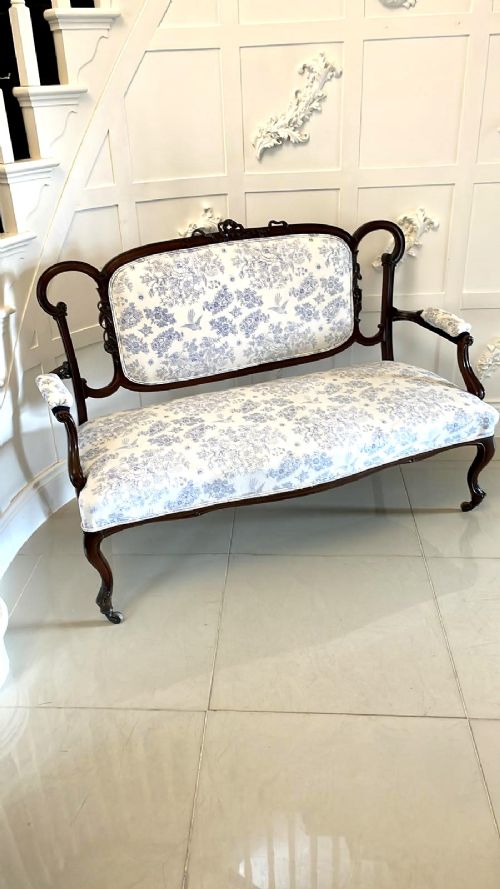
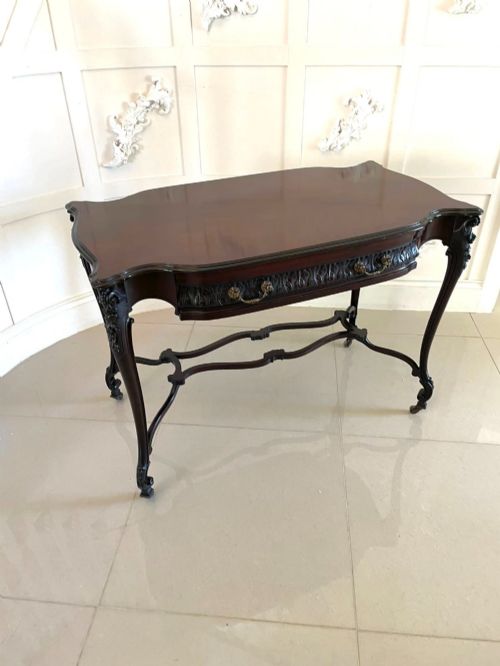
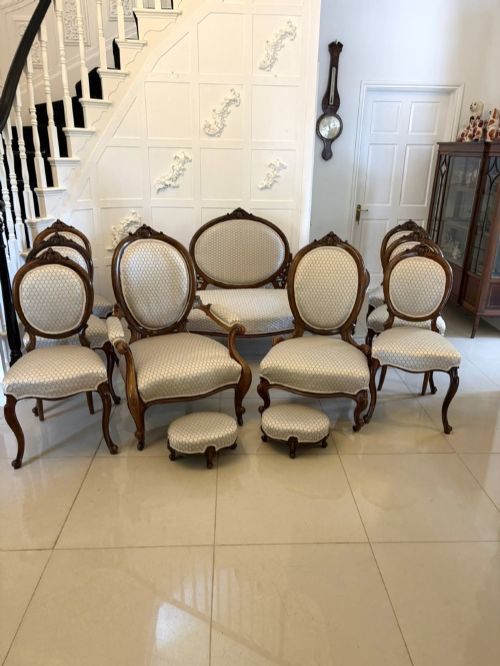
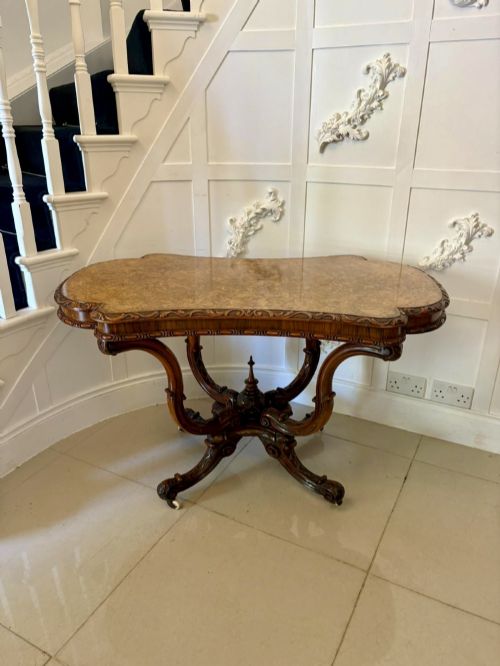

Rococo Carved Sofa
A rococo carved sofa brings flowing nineteenth-century curves and elaborate woodwork into a room, offering both historic character and deep cushioned seating.
Rococo Carved Sofa
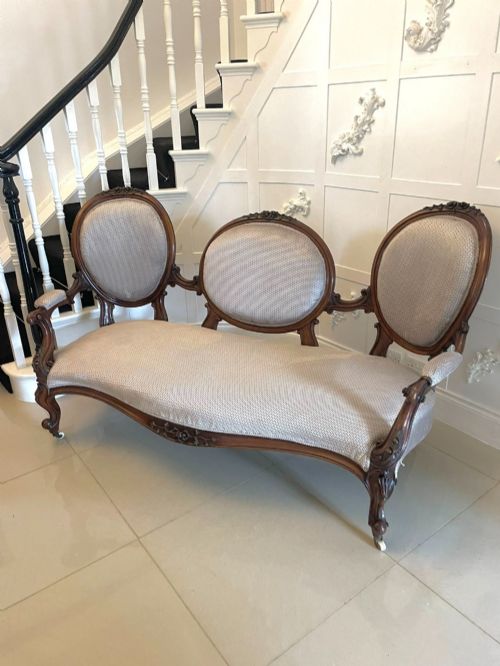
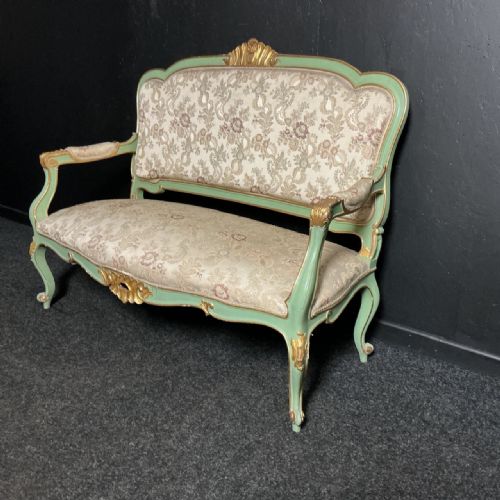
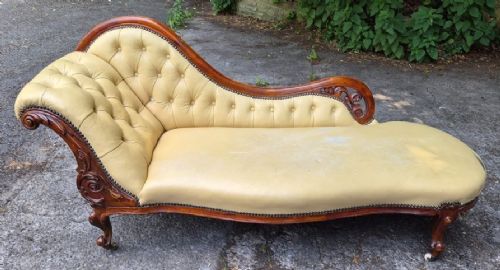
A rococo carved sofa represents a distinctive blend of nineteenth-century revival styles, drawing heavily on Louis XV aesthetics and Victorian interpretations. Buyers searching for a rococo carved sofa encounter framed wooden seating that ranges from compact boudoir love seats to three-piece salon suites and daybeds. The majority of pieces on this page stem from the Victorian era and continental European workshops, spanning various decades of the nineteenth and early twentieth centuries.
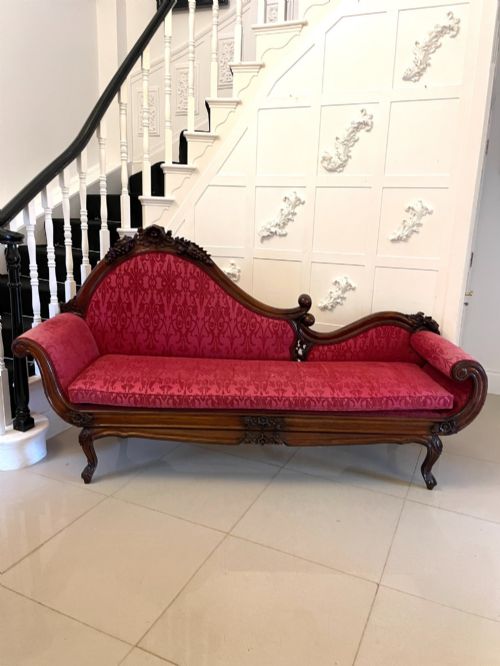
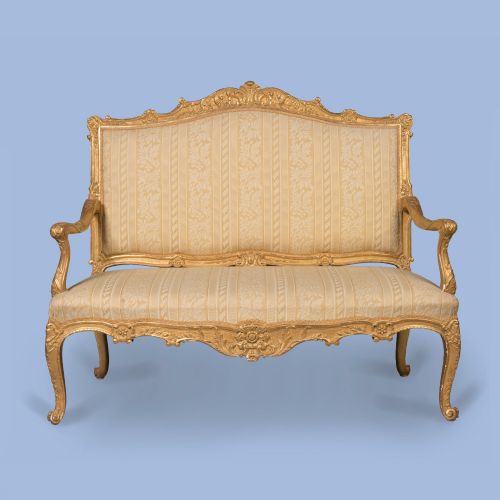
These items manifest as settees, couches, and canapés defined by undulating frames and organic motifs. Originating in forms like the cameo back sofa or the French-inspired giltwood settee, they serve as principal seating arrangements or decorative centrepieces. The selection balances English Victorian walnut frames with continental painted or gilt woodwork.
How they were made
Makers shaped these frames from solid timbers such as walnut, mahogany, and rosewood, often applying giltwood or paint finishes to the carved surfaces. Woodcarvers worked by hand to produce the characteristic scrolls, foliage, and asymmetrical flourishes associated with the rococo revival taste. Canework and exposed wooden frames frequently appeared alongside textile upholstery and silk layers.
Upholstery techniques combined traditional stuffing methods with supportive sprung foundations, finished with decorative fabric or silk. Brass elements and structural joinery secured the heavy timber frames, while gilt application involved layering gold leaf over prepared wooden grounds.
What varies in quality
The distinction between tiers rests upon the crispness of the hand-carving and the choice of primary timber. Finer examples display deeply undercut wooden foliage and select burr walnut or substantial giltwood frames, whereas simpler iterations rely on flat machine-assisted moulding and plain hardwoods.
Proportion and structural integrity separate the exceptional pieces from standard production. A well-proportioned frame retains its original architectural harmony without sagging joints, while lesser items may show heavy-handed past restoration or clumsy timber replacement.
The Rococo Carved Sofa Glossary
- Canapé
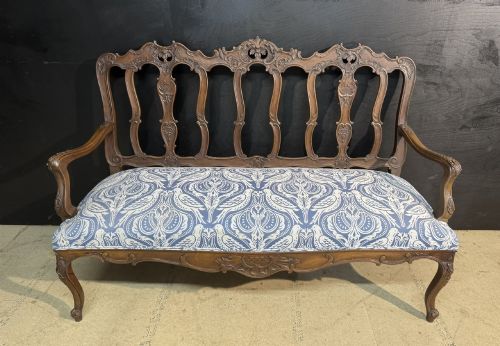
- An upholstered sofa or settee, typically with a decorative wooden frame in the French taste. This form frequently adopts the curved lines and exposed woodwork of the Louis XV style.
- Giltwood
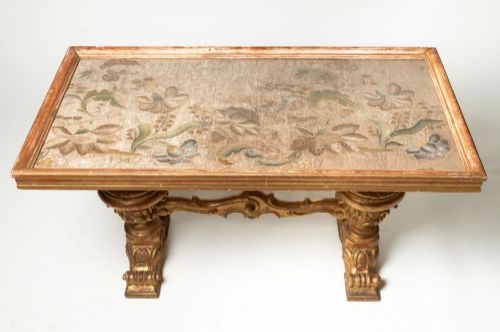
- Timber coated with gold leaf or gesso and gold paint. It provides a reflective, ornate surface common on continental salon furniture.
- Cameo back
- A framed seat back shaped to resemble a carved cameo medallion. This profile is a hallmark of mid-nineteenth-century Victorian walnut seating.
- Salon suite
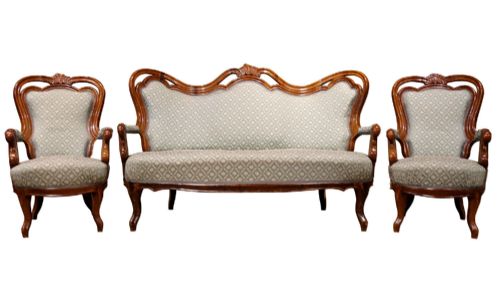
- A matched set of seating comprising a small sofa and accompanying armchairs. These groupings furnished formal nineteenth-century reception rooms.
- Chaise longue
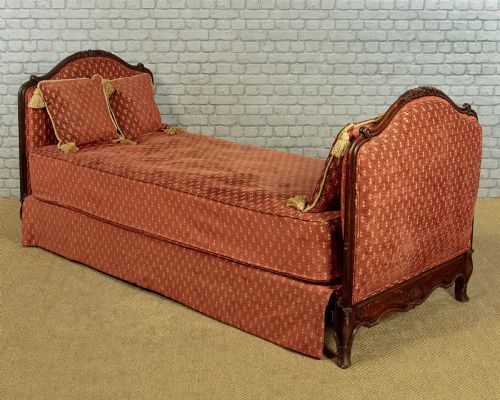
- An upholstered couch with a headrest at one end, designed for reclining. Nineteenth-century makers often combined this form with carved walnut or mahogany frames.
Rococo Carved Sofa: Frequently Asked Questions
How do I identify a rococo revival sofa?
Look for asymmetrical wooden frames, C-scrolls, floral carvings, and cabriole legs. These elements distinguish revival pieces from stricter classical furniture.
Check the timber beneath any gilding or paint, as walnut and mahogany form the basis of the best nineteenth-century examples.
Where should I place a settee in my home?
These settees suit living rooms, large hallways, or bedrooms where the carved wooden back can be appreciated from multiple angles. Their decorative profiles work well against plain walls.
Keep them away from direct sunlight to protect silk and textile upholstery from fading over time.
What is the difference between a settee and a couch?
In nineteenth-century terminology, a settee generally denotes an upholstered wooden seat for two or more people with a defined back and arms. A couch or salon sofa often incorporates asymmetric lounging elements or specific regional styling like the canapé.
Both serve similar seating functions within period interior layouts.
How do I care for antique wood and gilding?
Dust carved wooden frames gently with a dry, soft cloth to prevent grime settling into the crevices of the rococo ornamentation. Avoid modern liquid polishes on giltwood surfaces.
Professional conservation helps preserve delicate gold leaf and fragile nineteenth-century silk fabrics.