



River Thames Painting
A river thames painting captures the changing moods of London's principal waterway and its picturesque reaches through historic oils and watercolours.
River Thames Painting
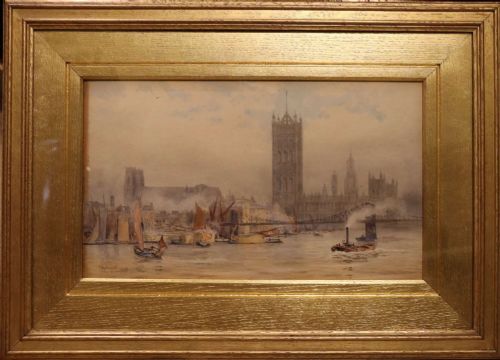
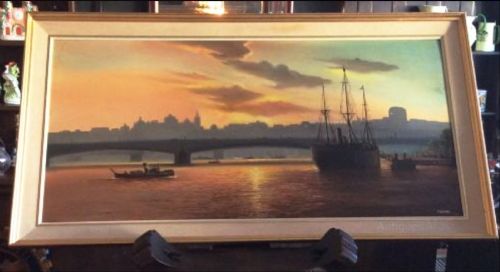
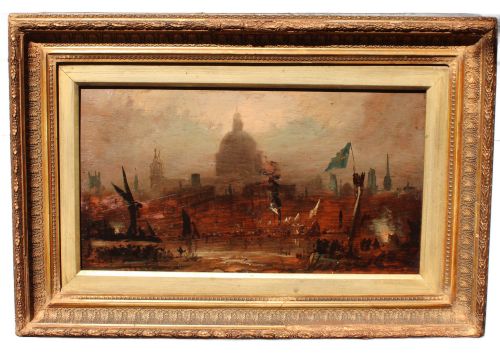
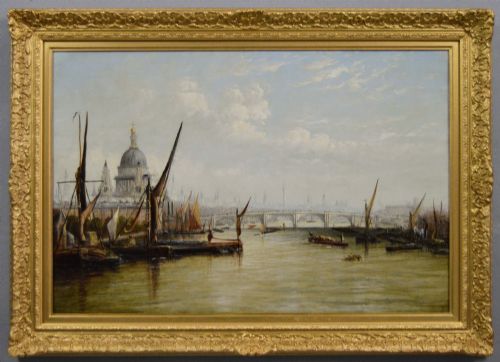
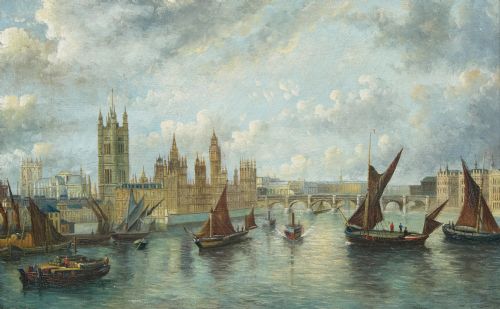
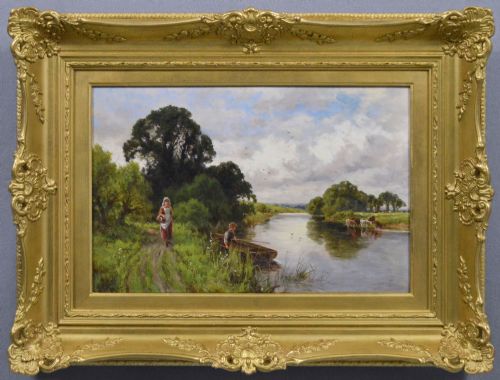
A river thames painting depicts scenes along the waterway, ranging from bustling London landmarks like St Paul's Cathedral and the Houses of Parliament to tranquil Berkshire village landscapes near Windsor, Eton, and Goring.
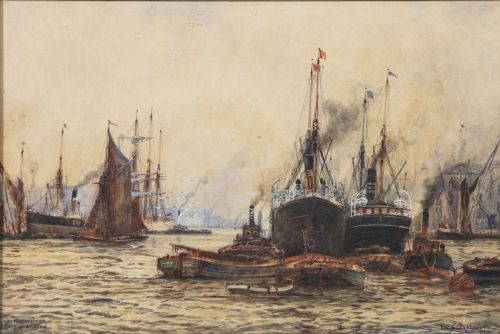
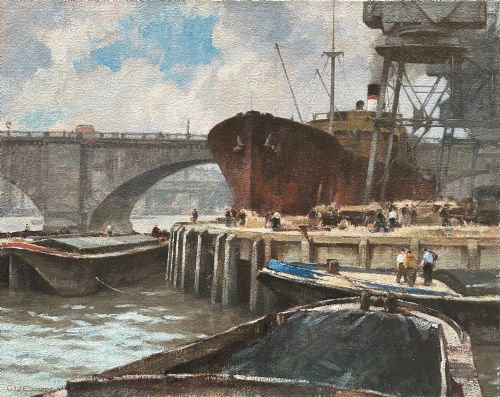
The selection includes Victorian marine works, Edwardian watercolours, and mid-twentieth-century townscapes, showing shipping, bridges, and rural riverbanks.
Watercolours on paper and oil paintings on canvas or board dominate the range, produced by both named artists and contemporary followers of traditional British landscape styles.
How they were made
Works in oil utilise traditional pigments applied to stretched canvas, wooden panels, or board, often building rich surface textures for river reflections and atmospheric skies.
Watercolour paintings employ fluid washes on paper to capture the shifting light of the Thames, frequently enhanced with subtle pencil underdrawing or gum arabic for depth.
Listings feature paper, canvas, and wood materials utilised in oil and watercolour mediums.
What varies in quality
The strength of composition and topographical accuracy distinguish masterworks from lesser topographical records, with finer hands achieving greater perspective and atmospheric depth.
Condition plays a central role, as paper watercolours vulnerable to foxing and fading contrast with stable, well-preserved oils on canvas housed in period gold leaf frames.
H Medlycott·Alfred Young Nutt·Frank William Scarbrough·Francis Moltino·Charles William Wyllie·Henry John Kinnaird·George Hilditch·Edward Henry Eugene Fletcher·Robert Winchester Fraser·Frederick G Coulridge·A G Hayward·Jack Merriott·Walter Duncan·Thomas Whittle the Younger·Henry Sykes·Frederick George Coleridge·EW Haslehurst·Frank Wasley·Carleton Grant·Frances E Nesbitt·William A Macdonald·Herbert John Finn·Harold Gregson·David Cox Senior·F Dimes
The River Thames Painting Glossary
- Watercolour
- A painting method where fine pigment is suspended in a water-soluble binder and applied to paper. It allows for translucent washes and delicate atmospheric effects.
- Oil on Canvas
- A technique using pigments bound in drying oils applied to woven fabric stretched over a wooden frame. This medium permits rich impasto and deep tonal gradations.
- Marine Seascape
- A genre of art focusing on ships, shipping, and coastal or river views. These works often document maritime commerce and naval architecture.
- Topographical
- Representing specific real-world locations and landmarks with descriptive accuracy. Such works serve as historical records of changing urban and rural environments.
- Impasto
- Paint applied thickly to a canvas or board, standing out in relief from the surface. This technique adds tactile texture to water and clouds.
River Thames Painting: Frequently Asked Questions
What periods do these paintings cover?
The available selection spans from early nineteenth-century studies and Victorian maritime scenes to Edwardian watercolours and mid-twentieth-century townscapes.
Most pieces date from the late nineteenth and early twentieth centuries, reflecting a sustained artistic interest in the river's commerce and scenery.
How do I identify a London landmark view?
Artists frequently painted recognizable structures such as St Paul's Cathedral, Tower Bridge, Waterloo Bridge, and the Houses of Parliament.
Inscriptions on the reverse or within the titles often confirm the exact bridge, reach, or pool depicted.
Are watercolours framed differently from oils?
Watercolour paintings require glass protection over paper to prevent environmental damage from dust and moisture.
Oil paintings on canvas or board are typically framed open to the air, frequently retaining original gilt or moulded wood frames.
How do I care for an antique painting?
Keep works away from direct sunlight to prevent fading in watercolours and yellowing in old varnishes. Maintain stable room temperatures to protect wood panels and canvas stretchers from warping.