

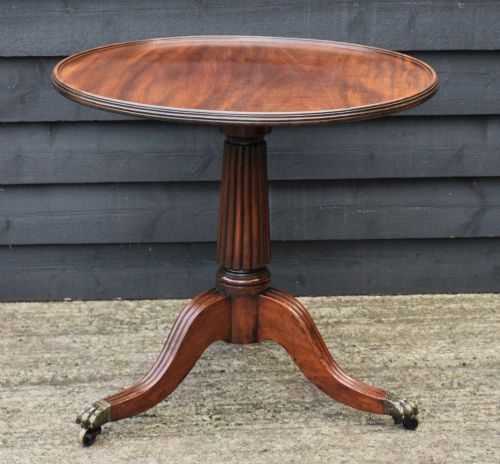
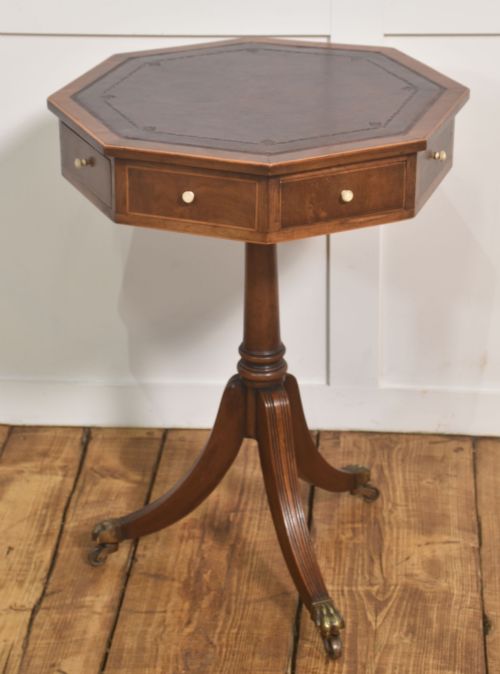


Revolving Top Side Table
A revolving top side table offers ingenious mobility and classic timber presence, combining practical surface rotation with traditional furniture design.
Revolving Top Side Table
A revolving top side table provides a moveable surface that turns upon a central support, combining the utility of an occasional piece with mechanical convenience. When searching for a revolving top side table, buyers encounter various forms including drum tables, occasional tables, and book tables originating from the eighteenth century through to the Edwardian era.
The most common examples on this page are mahogany drum tables and occasional pieces built in Regency and Victorian styles. These versatile forms appear with tripod bases, pillar supports, and occasionally octagonal tops designed for accessible placement beside seating.
How they were made
Cabinet makers constructed these tables primarily from solid and veneered mahogany, alongside rosewood and burr walnut for decorative impact. Timber selection prioritized rich grain patterns, particularly on circular drum and swivel tops.
Makers integrated turning mechanisms using brass components, pivots, and bird-cage assemblies to allow smooth rotation of the upper surface. Tripod legs and pillar pedestals provided stable support beneath the pivoting mechanisms.
Revolving Top Side Table Retail Price Guide 2026
Typical asking prices for revolving top side table among the pieces listed under this phrase on Sellingantiques today, from the lower quarter to the upper quarter. They describe what is for sale here now, not the wider market.
Listings feature mahogany, burr walnut, and rosewood across periods spanning the eighteenth century to the Edwardian era.
What varies in quality
Quality rests in the precision of the turning mechanism and the choice of timber veneers, where finer grain figures elevate the visual weight of the piece. Robust joinery at the pillar and leg junction distinguishes sturdier examples from simpler utility furniture.
Refined detailing such as brass inlay, well-proportioned tripod legs, and thoughtful small proportions separate standard production from superior cabinet work.
The Revolving Top Side Table Glossary
- Drum table
- A circular library or occasional table with a deep top resembling the shape of a drum, often fitted with drawers around the perimeter.
- Bird-cage
- A timber framework beneath a tabletop that allows the surface to tilt and revolve on its central pillar support.
- Tripod base
- A furniture support consisting of three legs radiating from a central pillar, commonly found on nineteenth-century occasional and tea tables.
- Swivel top
- A hinged or pivoted tabletop designed to turn horizontally or fold over to reveal a hidden compartment or secondary surface.
Revolving Top Side Table: Frequently Asked Questions
What is a revolving top side table used for?
These tables served various domestic functions in period interiors, acting as convenient surfaces for tea service, reading materials, or general display beside seating.
The rotating mechanism allowed users to access items easily without repositioning the entire piece of furniture.
How do I identify a Regency period table?
Regency pieces often display classical proportions, dark mahogany timbers, and restrained brass or gilt ornamentation reflecting early nineteenth-century design.
Look for tripod bases, pillar supports, and drum configurations characteristic of the era between the late eighteenth and early nineteenth centuries.
Are these tables suitable for modern rooms?
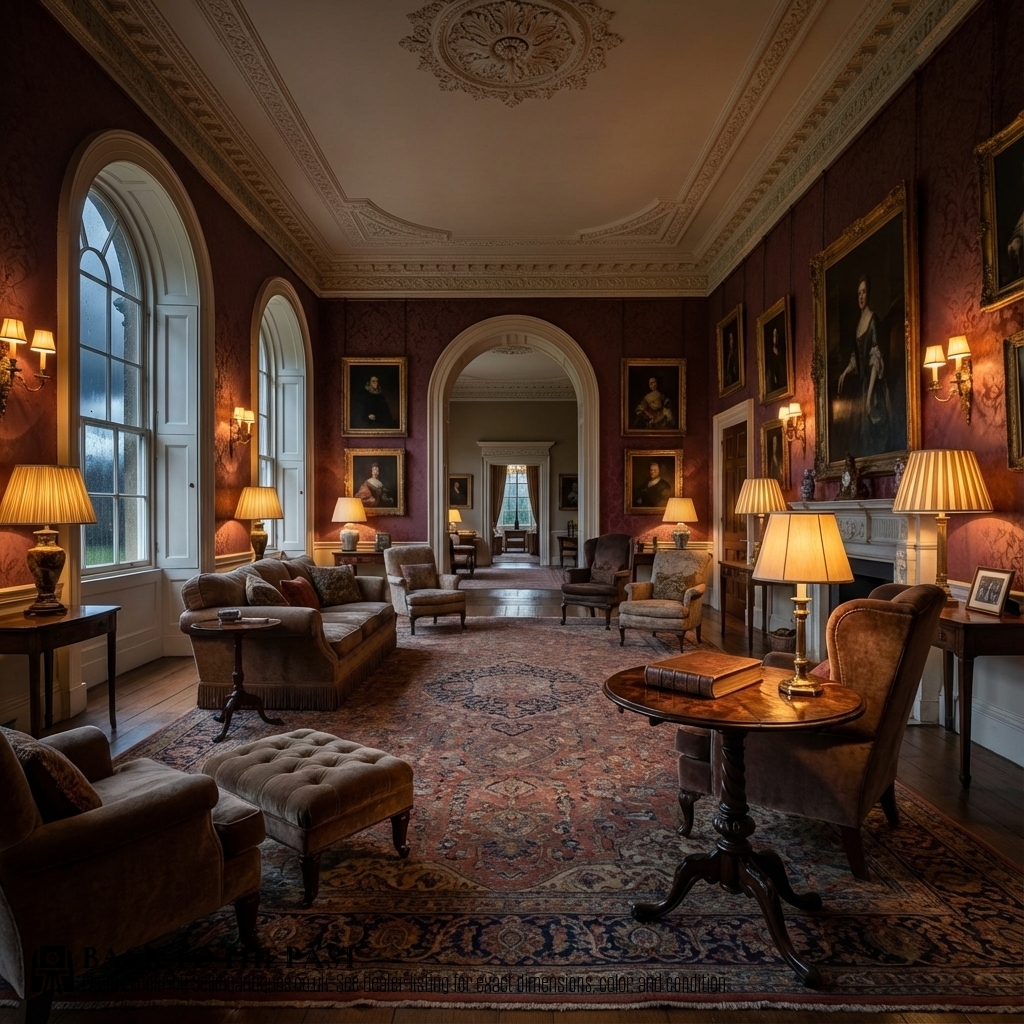
Their compact proportions make them highly adaptable for contemporary spaces as bedside stands, lamp tables, or beside armchairs.
The combination of storage options in drum formats and rotating tops provides practical functionality alongside traditional character.
What woods were commonly used?
Mahogany forms the primary material across most examples, chosen for its durability and rich reddish-brown tone.
Finer decorative variations occasionally incorporate burr walnut veneers, rosewood, and brass inlays to enhance the surface appearance.