

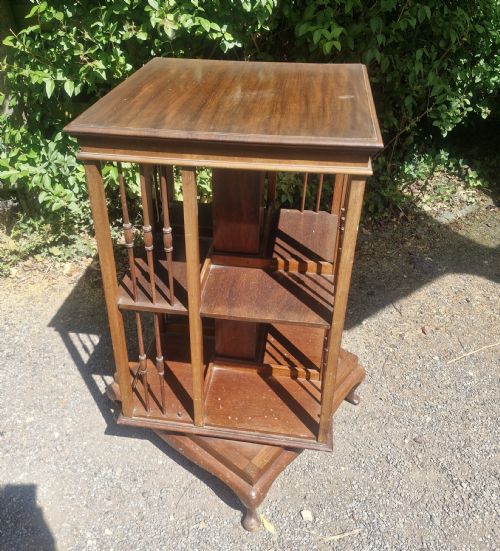
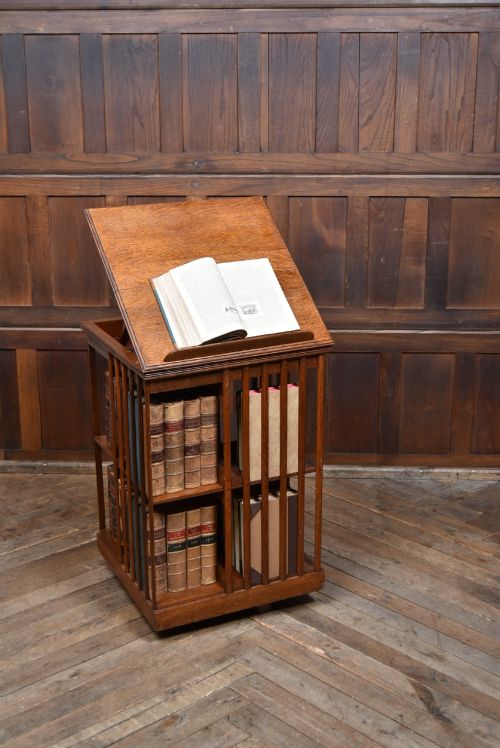
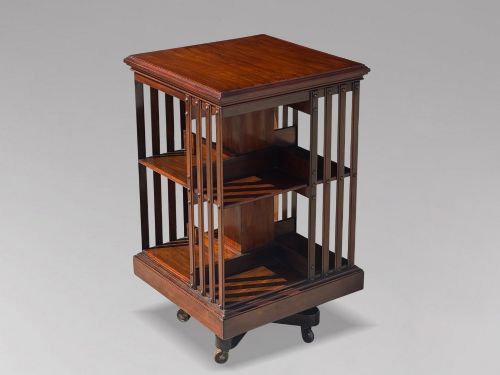
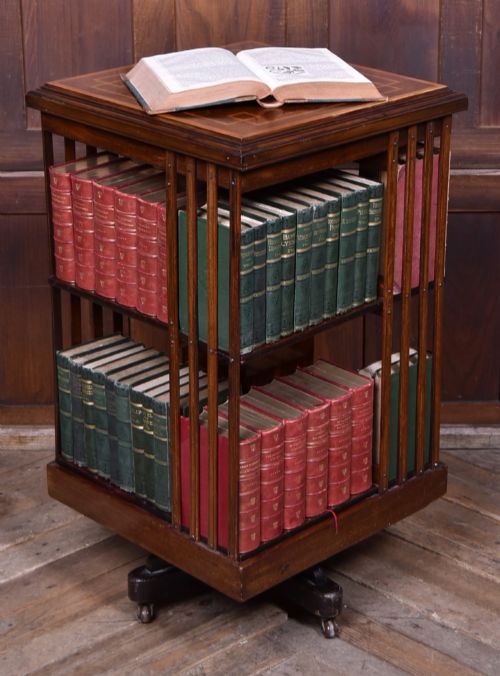
Revolving Tiered Table
A revolving tiered table offers smooth rotation and multiple levels for books or serving, bringing practical utility and period character to any room.
Revolving Tiered Table
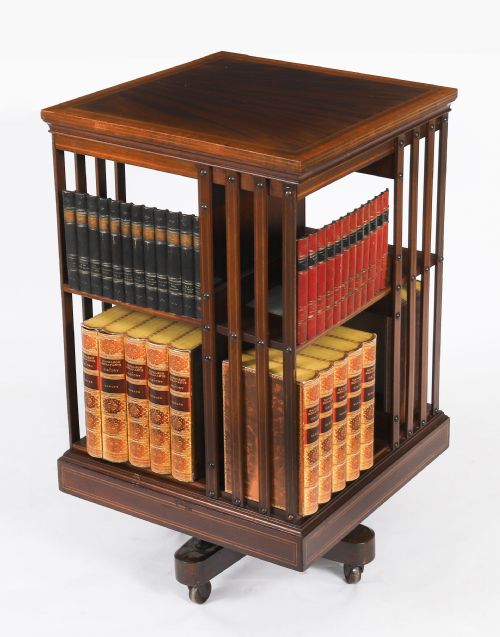
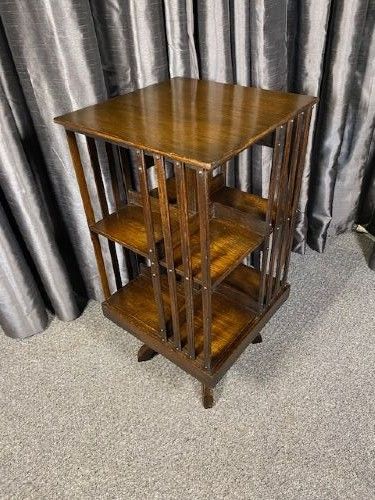
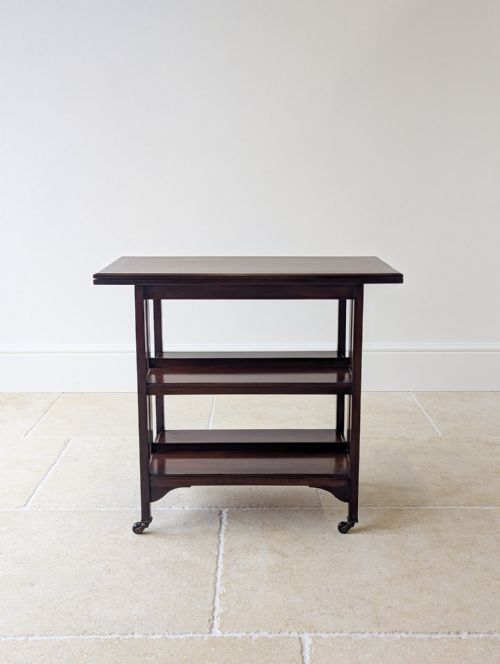
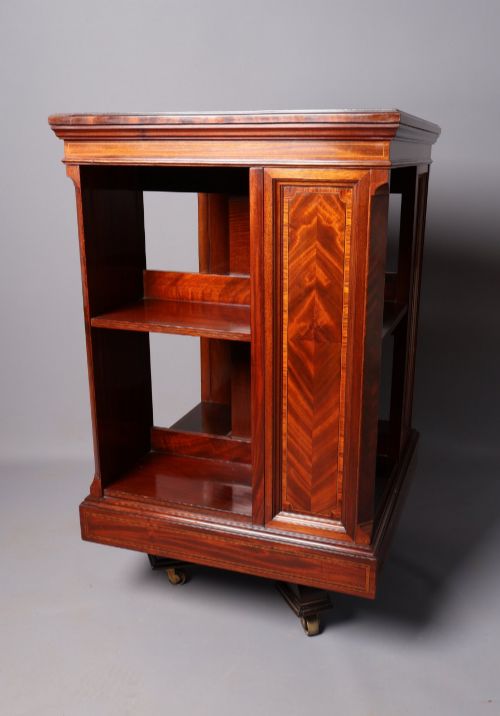
When you search for a revolving tiered table, you are looking at rotating multi-level furniture designed to hold books, serving dishes, or display items within easy reach. These pieces combine vertical storage with a pivoting mechanism that allows access from a stationary position.
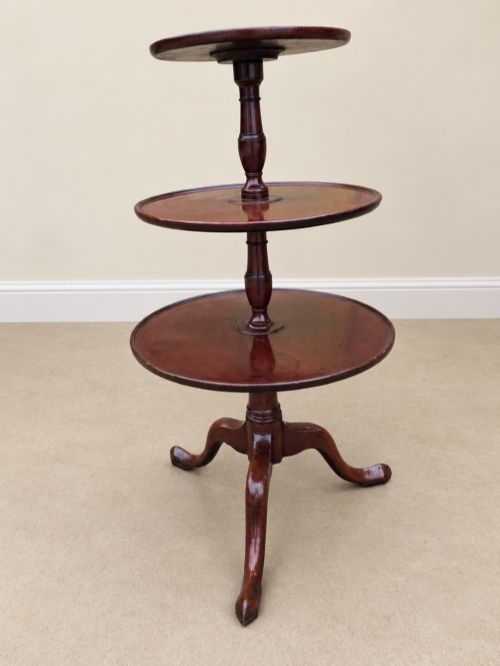
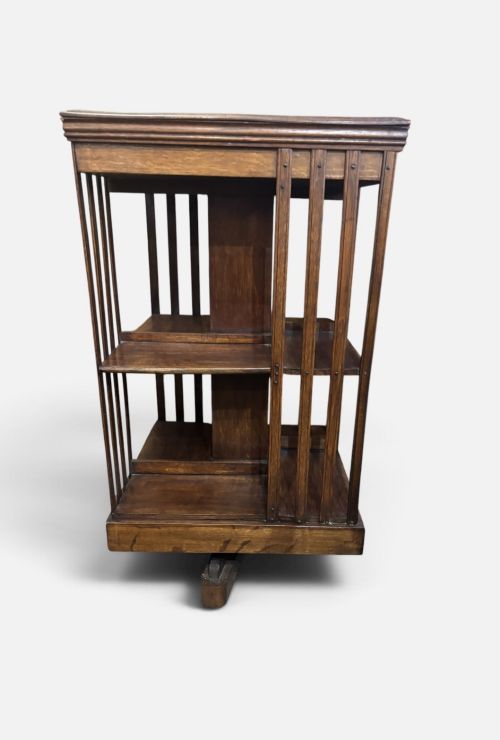
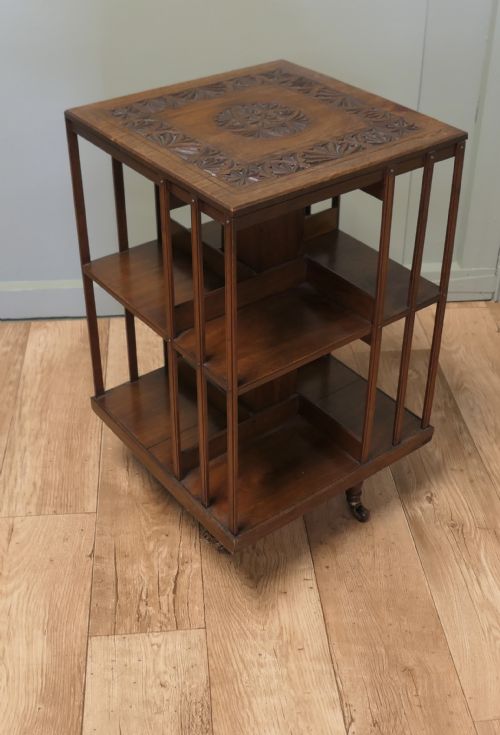
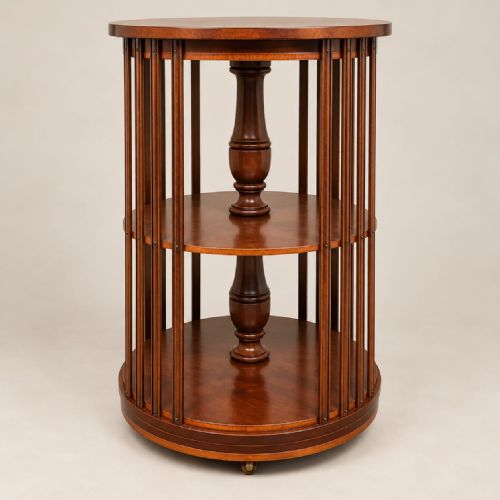
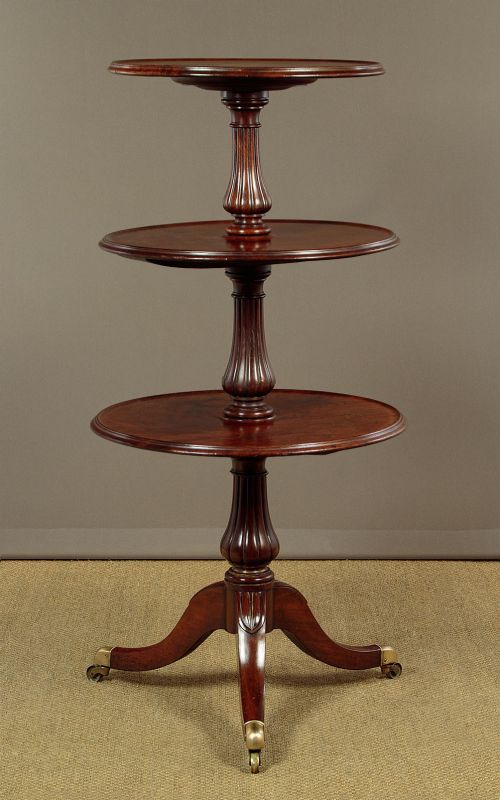
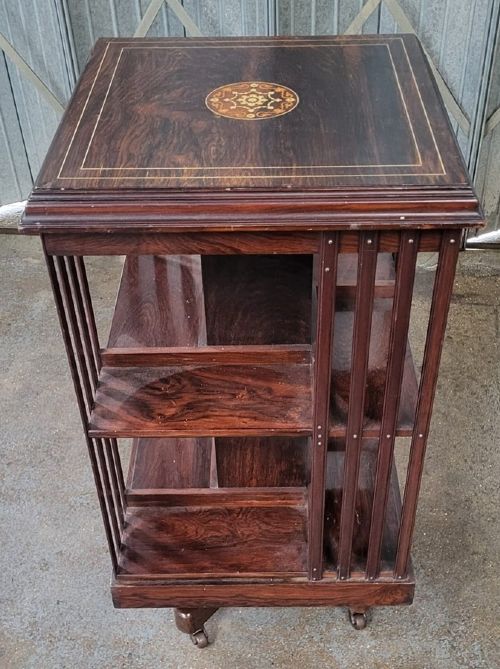
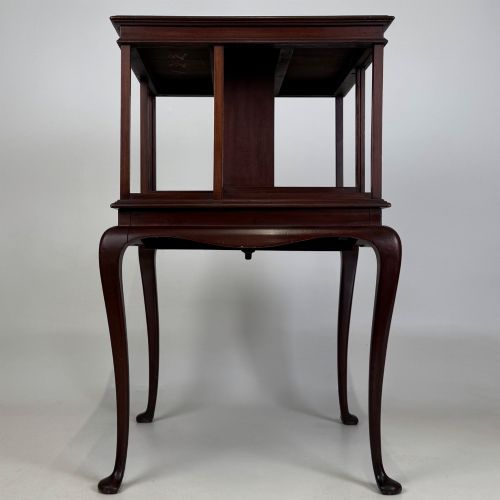
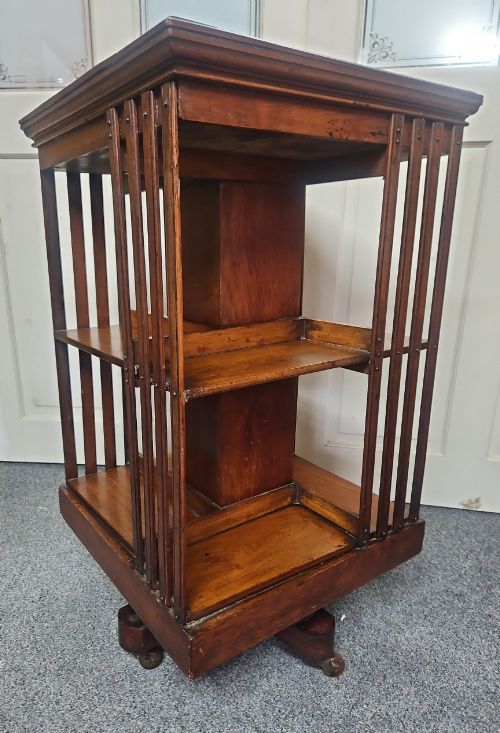
The versions most common on this page span several distinct forms, primarily revolving bookcases and multi-tiered dumb waiters or serving stands. They appear in styles ranging from Georgian and Regency to Edwardian and Victorian periods.
Origins include English workshops and occasional continental examples, constructed in woods like mahogany, walnut, and satinwood. They serve equally well as library companions, dining room servers, or bedside display surfaces.
Materials and construction methods
Makers relied heavily on solid and veneered mahogany, often selecting figured timber like flame mahogany or incorporating satinwood and rosewood inlay to create visual contrast on the revolving tiers. Walnut and kingwood also appear, paired with structural elements of oak and pine.
Metal components played a crucial role in functionality, with brass swivel mechanisms, castors, and sometimes ormolu mounts enabling the smooth rotation of heavy book tiers or serving shelves. Iron and cast iron occasionally provided robust internal support or tripod bases.
Cabinetmakers utilised traditional joinery such as dovetails for drawers and secure pivot fixings to handle the constant friction of rotation. Surface finishes were typically hand-polished to accentuate the grain of the timber.
Revolving Tiered Table Retail Price Guide 2026
Typical asking prices for revolving tiered table among the pieces listed under this phrase on Sellingantiques today, from the lower quarter to the upper quarter. They describe what is for sale here now, not the wider market.
Listings feature mahogany predominantly, alongside walnut, satinwood, and kingwood, spanning the Georgian, Victorian, and Edwardian periods.
What distinguishes finer examples
Quality rests significantly on the precision and durability of the internal revolving mechanism, which should allow smooth, silent rotation without wobbling across the tiers. Superior tables balance the weight evenly so the turning action remains effortless whether fully loaded or empty.
The choice of timber and secondary woods dictates the standard of the piece, with choice cuts of figured mahogany, crisp boxwood stringing, and finely cast brass hardware marking out the better workshops. Plain secondary timbers and loose joinery denote simpler commercial production.
Proportion and stability separate standard items from superior ones, particularly in multi-tiered dumb waiters and tall bookcases where a solid tripod or four-way base must anchor the rotating weight securely.
Maple And Co
The Revolving Tiered Table Glossary
- Dumb Waiter
- A tiered serving table, usually with two or three rotating or stationary circular shelves, designed to hold dishes or wine bottles beside a dining table without requiring a servant.
- Revolving Bookcase
- A low or table-height bookcase mounted on a pivot and cross-base, allowing books to be accessed easily from all four sides.
- Satinwood
- A durable, light-coloured tropical timber prized for its lustrous, silky sheen, frequently used for decorative veneers and inlay work.
- Ormolu
- Gilded bronze used for decorative mounts and furniture embellishments, adding metallic contrast to dark woods.
- Tripod Base
- A three-legged support structure commonly found beneath circular tables and dumb waiters to ensure stability on uneven floors.
Revolving Tiered Table: Frequently Asked Questions
What is a revolving tiered table used for?
These pieces function as versatile display and storage units, holding reference books near a desk or serving dishes and afternoon tea items beside a dining table. The rotating tiers ensure that everything placed upon them remains accessible from a single seated position.
In living spaces, smaller versions serve as lamp tables or elegant stands for displaying ornaments and small collections.
How do I identify a Georgian tiered table?
Georgian examples, particularly George III dumb waiters, feature heavy solid mahogany construction with graduated circular tiers supported by robust pillar and tripod or cabriole bases. The woodworking shows hand-cut joinery and deep patination acquired over centuries of use.
Unlike later Edwardian pieces, they rarely incorporate complex metal ball-bearing swivels, relying instead on traditional wooden or simple brass pivot pins.
Where should I place a revolving bookcase?
A revolving bookcase works best beside an armchair, beside a sofa, or freestanding in the centre of a room where its 360-degree access can be fully utilised. Because the sides rotate, it does not need to sit flush against a wall.
Keep the piece away from direct heat sources and strong sunlight to prevent the timber veneers from drying out and lifting.