



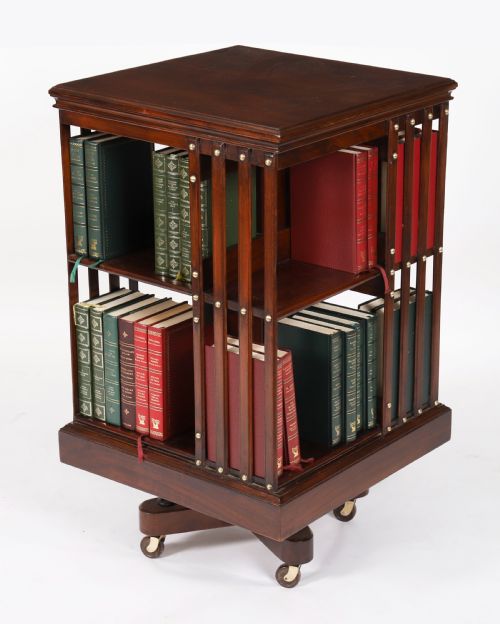


Revolving Occasional Table
These revolving occasional table designs turn smoothly on their stands, bringing books, drinks and tea closer with a simple spin.

Revolving Occasional Table
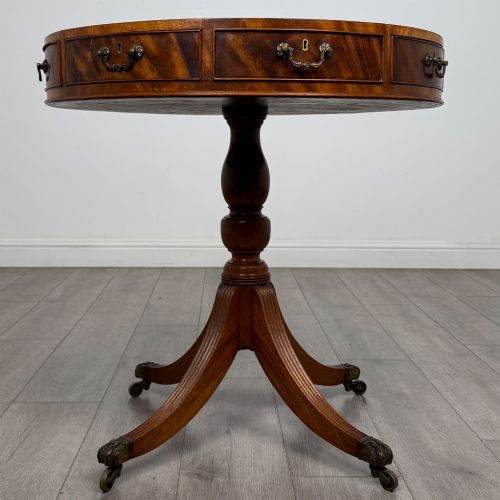
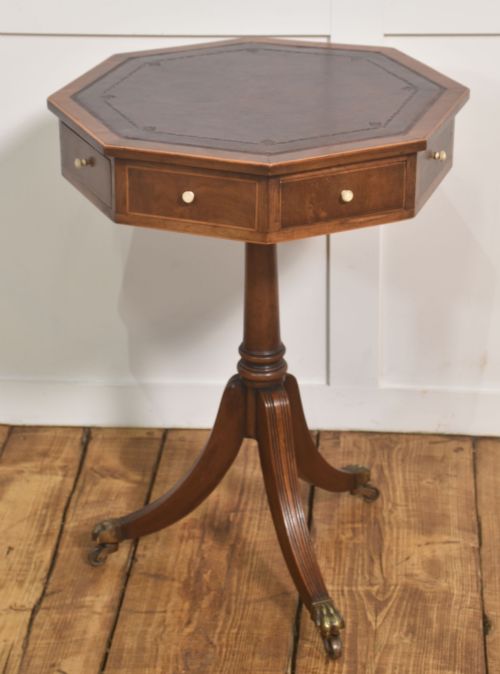
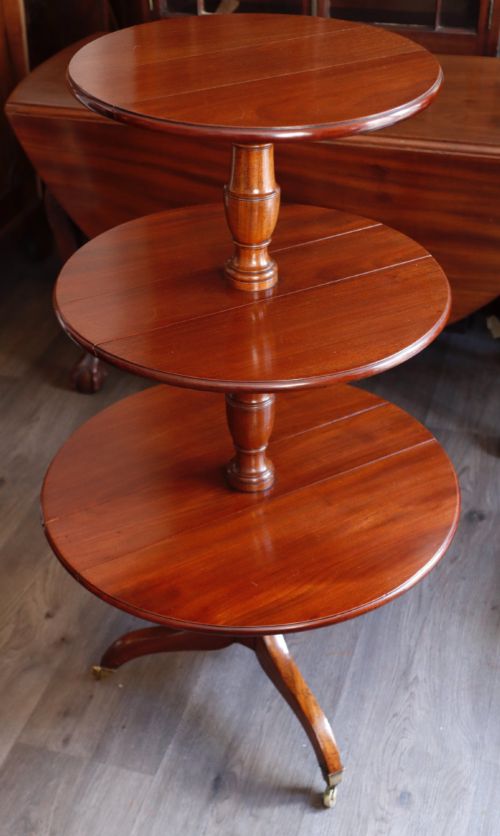
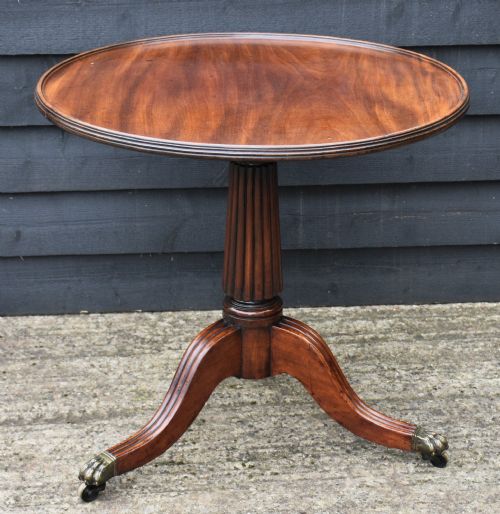
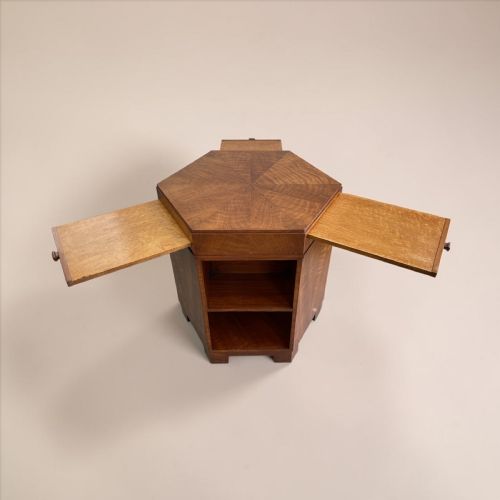
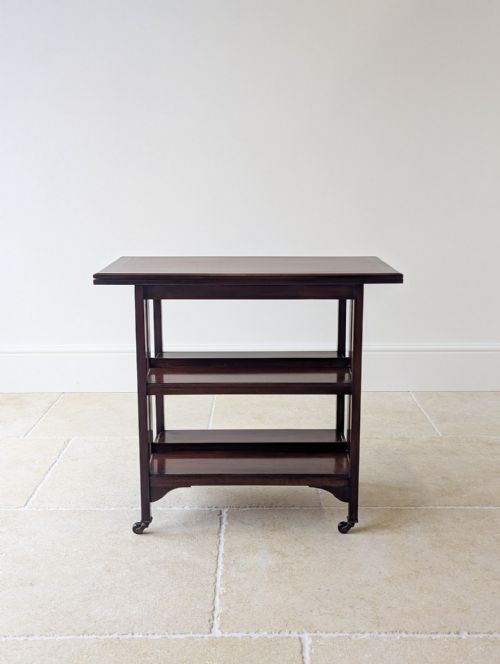
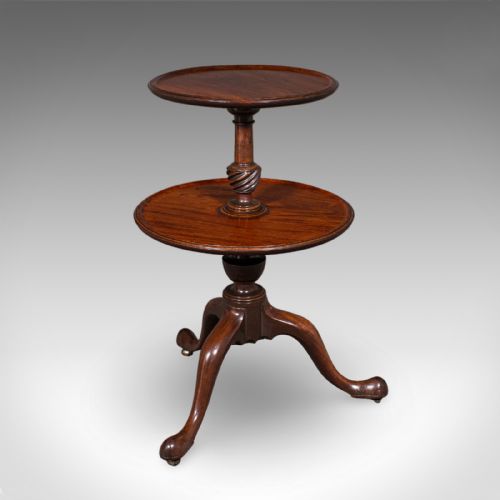
When you search for a revolving occasional table, you encounter a varied group of movable furniture pieces designed to sit beside chairs or serve as compact library tables. These items include drum tables, book tables, dumb waiters and tripod wine tables spanning periods from the Georgian era through Victorian times, the Edwardian period and the 1930s.
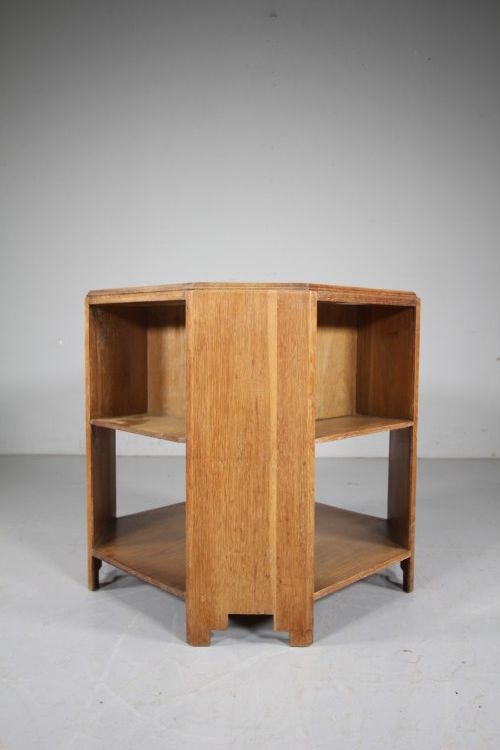
The versions you meet most frequently on this page are mahogany and walnut tripod tables with revolving tops, along with multi-tiered revolving bookcase tables from the Art Deco period. Their origins cross traditional English workshop production, Regency styles and 1930s modernism, united by the central mechanism that lets the top spin.
Makers and designers adapted the revolving mechanism to numerous domestic tasks, creating specialised pieces for books, tea service and games. Whether you examine a small Edwardian drum table or an Anglo-Indian carved occasional table, the form prioritizes accessibility and compact utility.
How they were made
Cabinet makers constructed these tables primarily in solid mahogany, oak and walnut, frequently applying burr walnut veneer to table tops and bookcase drums to create striking grain patterns. Brass components often reinforced moving parts, hinges and gallery rails, while occasional pieces incorporated leather inserts or gilt details.
The revolving action relied on specialised pivot mechanisms, bird cage assemblies or central wooden screws housed beneath the table surface to allow smooth rotation without wobble. Joinery combined traditional turning, tripod leg construction and tiered framing to support the weight of books and serving items during daily use.
One Victorian walnut table comes equipped with its own candle sconce for late-night reading by spin.
What varies in quality
Quality rests in the precision of the turning mechanism and the stability of the central pivot, ensuring the top spins freely without slack or binding. Superior examples display careful timber selection, particularly in figured veneers and solid mahogany frames that resist warping over time.
The refinement of carved details, brass fittings and proportion separates standard production from finer cabinet work. A well-balanced tripod base and clean joinery indicate skilled construction that maintains structural integrity through decades of rotation.
Maple and Co
The Revolving Occasional Table Glossary
- Drum table
- A circular library table with a deep frieze resembling a drum, often fitted with drawers and mounted on a central pillar with tripod legs.
- Bird cage table
- A table featuring a slatted wooden frame beneath the top that allows the surface to tilt and revolve independently of the column.
- Dumb waiter
- A multi-tiered serving stand with revolving or fixed shelves used during meals to hold food and utensils without requiring servants.
- Occasional table
- A small, versatile piece of furniture designed for a specific, intermittent domestic use rather than a permanent central position.
- Burr walnut veneer
- Thin slices of ornamental wood cut from walnut tree growths, applied to tabletops to display intricate, swirling grain patterns.
Revolving Occasional Table: Frequently Asked Questions
What is a revolving occasional table used for?
These tables served various practical functions in historic homes, from holding books and writing materials beside a chair to presenting tea and wine during gatherings. The spinning mechanism allowed users to access items easily from a seated position.
Over time, specific forms evolved for libraries, drawing rooms and dining spaces, adapting the rotating top to suit the needs of readers and hosts alike.
How do I identify a Georgian revolving table?
Georgian examples typically feature solid mahogany or oak construction, elegant tripod bases, and restrained classical proportions. The wood develops a deep, warm patina through age and use.
Detailing on these pieces relies on quality timber selection and traditional joinery rather than heavy ornamentation, distinguishing them from later Victorian revivals.
Are Art Deco revolving tables different?
Art Deco pieces from the 1930s lean towards multi-tiered skyscraper bookcase designs and use figured walnut veneer with clean geometric lines. They prioritize vertical storage for books alongside the rotating function.
These later tables often lack the traditional tripod legs of earlier periods, resting instead on sturdy plinth bases or stepped column structures.
How do I care for a veneer top?
Burr walnut and mahogany veneers require gentle cleaning with a soft cloth and protection from direct sunlight and extreme humidity changes. Avoid excess moisture on the wood surface.
Regular polishing with a suitable wax maintains the finish and helps preserve the natural grain patterns without harming the historic surface.