



Revolving Desk Seat
A revolving desk seat offers functional movement and sturdy construction, bringing dependable comfort to a study or office space.
Revolving Desk Seat
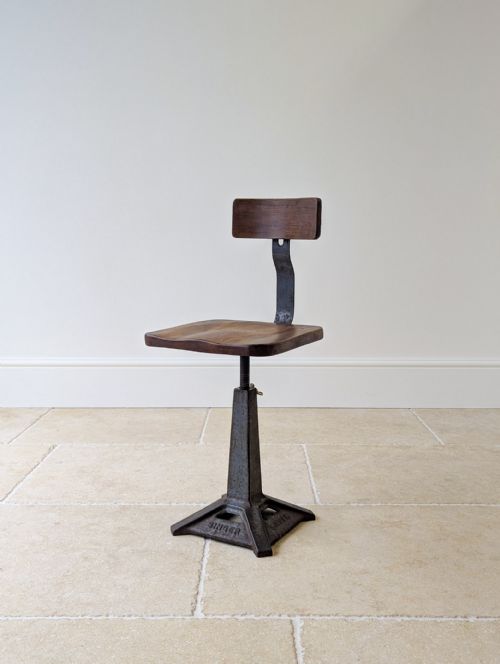
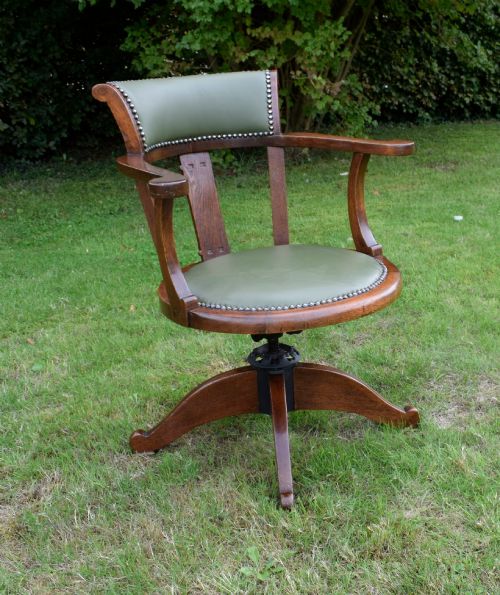
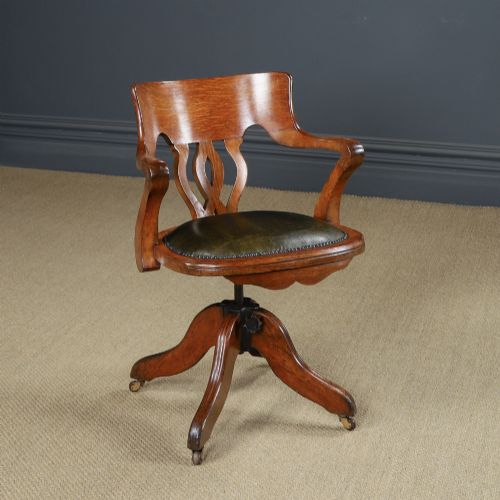
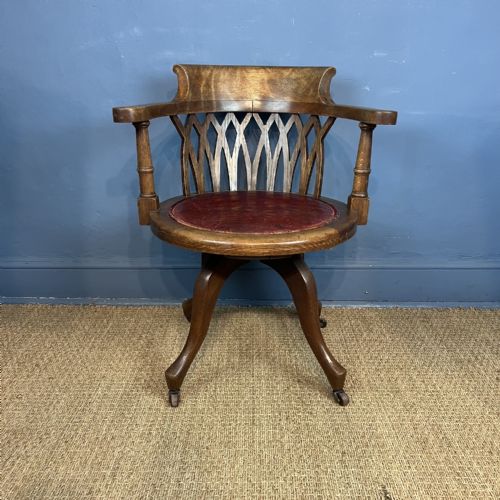
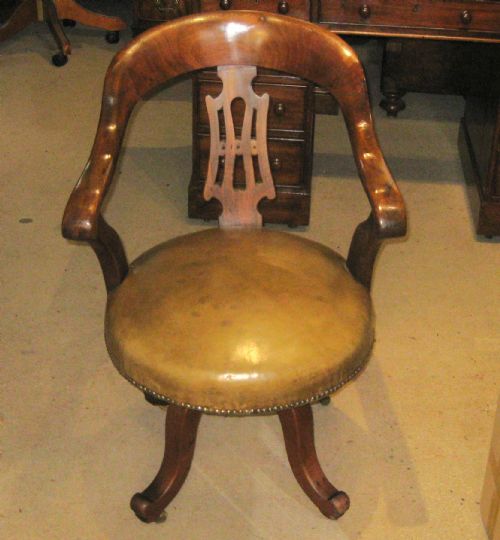
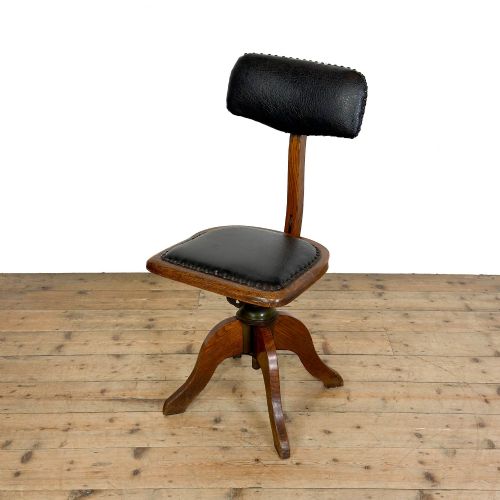
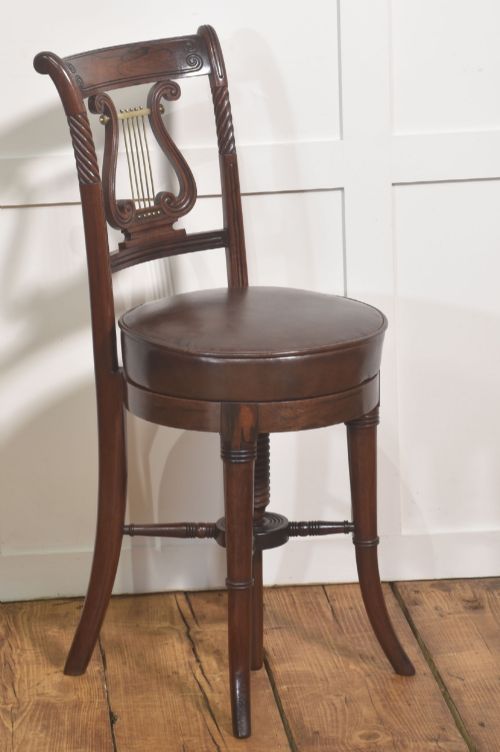
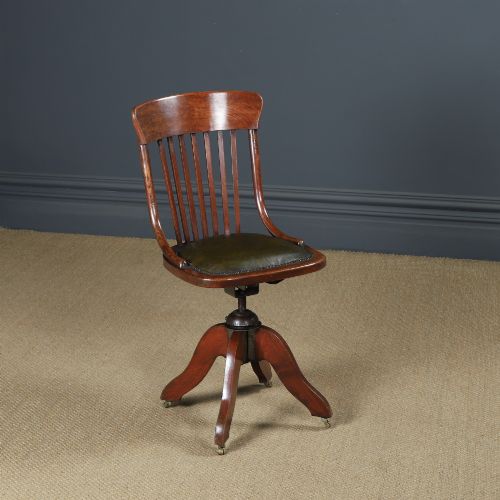
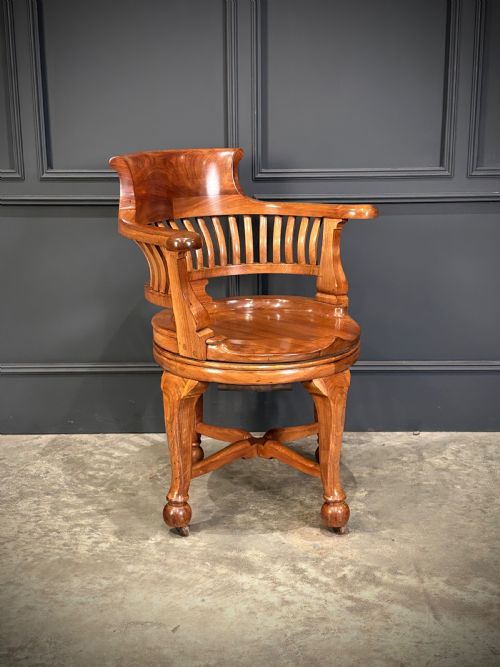
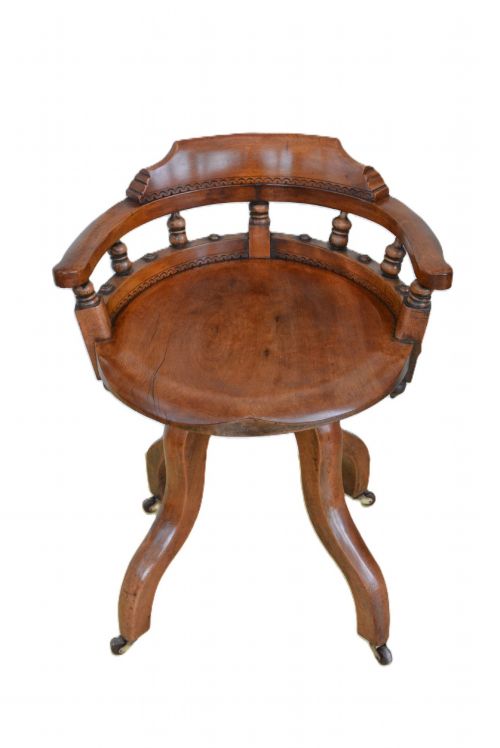
A revolving desk seat is a practical seating option designed for movement at a work table or study surface, spanning styles from the Victorian era through the early twentieth century. Buyers seeking a revolving desk seat find forms ranging from standard office armchairs to specialised ship chairs and dressing chairs.
The most common examples encountered on this page date from the Victorian and Edwardian periods, constructed in timbers like oak, mahogany, and walnut. These pieces often feature swiveling mechanisms and adjustable heights to suit working environments.
Materials and construction methods
Cabinet makers utilised dense hardwoods such as oak, mahogany, and walnut to build the frames of these chairs, ensuring durability under daily rotation. Metal components, including iron, cast iron, and brass, formed the underlying swivel mechanisms and adjustable height screws.
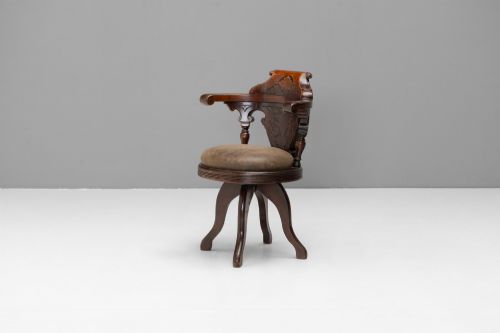
Seating surfaces were frequently finished with inset leather or upholstered padding, while alternative examples relied on solid wood, cane, or saddle seats. Carved details and satinwood inlay appeared on select pieces depending on the stylistic influence of the period.
Several listings record heavy oak ship chairs designed to withstand the rolling motion of maritime life.
Assessing quality in revolving seats
Quality depends upon the weight and selection of the timber used in the frame, with dense solid mahogany or carved oak representing superior construction. The engineering of the swivel and tilt mechanism dictates mechanical longevity and smooth movement.
The finish of the upholstery, whether hand-tooled leather or tightly woven cane, alongside the crispness of any carved ornamentation, distinguishes standard office seating from finer workshop productions.
George Bartholomew and Co
The Revolving Desk Seat Glossary
- Swivel
- A mechanical joint that allows the upper seat portion to rotate fully around the central base. This function enables easy movement between different parts of a desk.
- Rise and fall
- An adjustable height mechanism operated by a threaded spindle or screw column. It allows the user to raise or lower the seating position.
- Gothic Revival
- A nineteenth-century design style incorporating medieval architectural motifs, pointed arches, and heavy tracery. Pieces in this style often display dramatic carving.
- Aesthetic Movement
- A late nineteenth-century design approach emphasising visual beauty over narrative function. Furniture from this movement typically displays refined lines and rich timber tones.
Revolving Desk Seat: Frequently Asked Questions
What periods do these chairs come from?
The pieces span the nineteenth and early twentieth centuries, encompassing Victorian, Edwardian, and George V periods.
Designs reflect the manufacturing standards and stylistic preferences of those decades, ranging from simple office chairs to heavily carved variants.
How do the swivel mechanisms function?
Most examples utilise a central iron or metal spindle system that permits full rotation of the upper seat.
Some variants include additional tilt or height adjustment controls operated via threaded screws.
What materials were used for the seats?
Upholstered leather pads, plain wooden boards, woven cane panels, and shaped saddle seats all appear across the inventory.
Selections often depended on the intended environment, such as maritime use or administrative work.
How do I distinguish an Edwardian piece from a Victorian one?
Victorian examples often employ heavy mahogany or walnut with darker finishes and substantial proportions. Edwardian pieces frequently utilise lighter oak and simpler decorative schemes.