



Revival Dresser
A revival dresser brings centuries of historical ambition into the dining room or kitchen, offering substantial storage beneath architectural timber work.
Revival Dresser
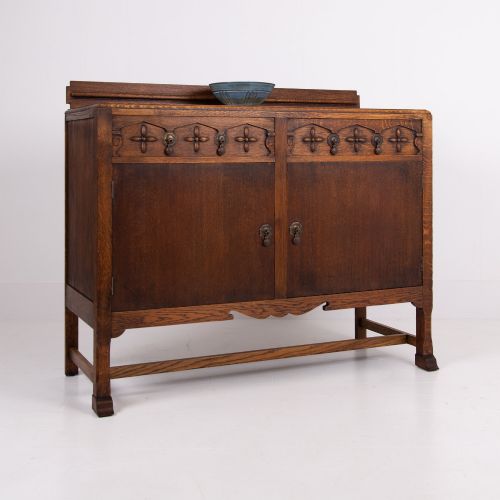
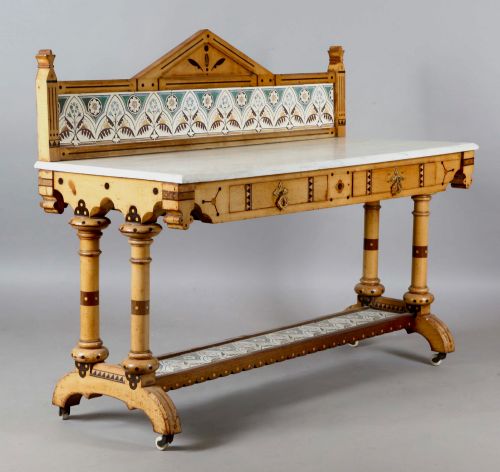
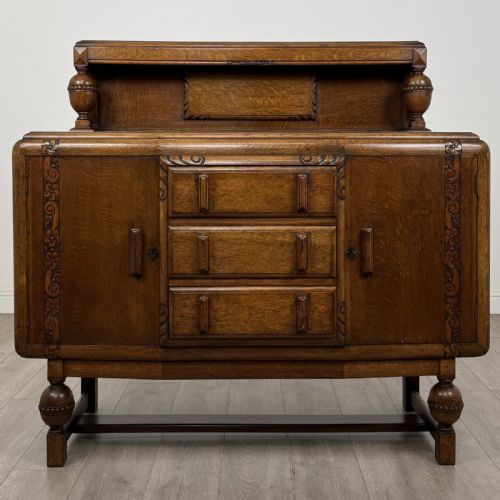
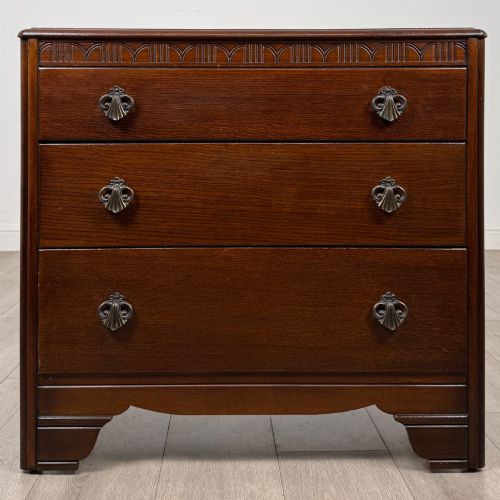
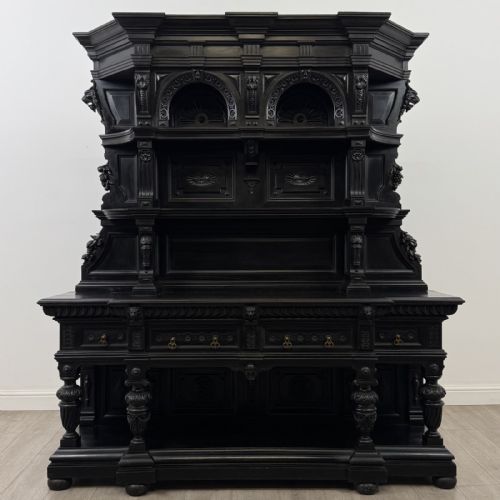
A revival dresser stands as a heavy storage piece featuring open display shelving above base cupboards or drawers, drawing directly on historical forms. When you search for this phrase, you meet items spanning the Victorian and Edwardian eras alongside early twentieth-century examples.
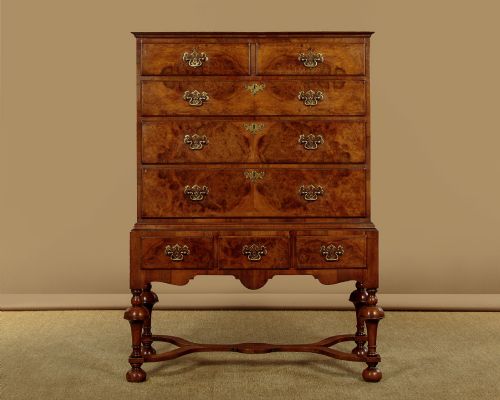
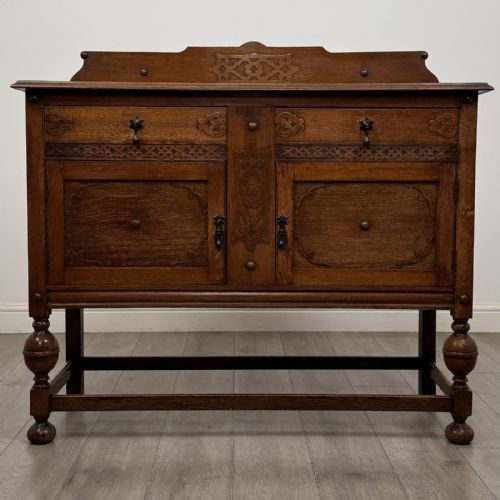
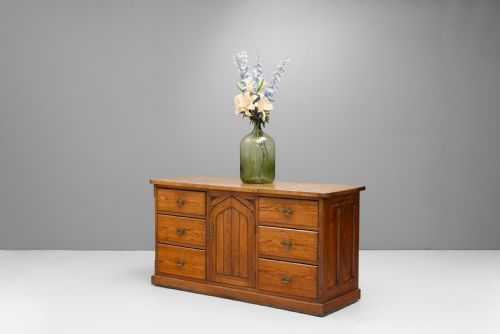
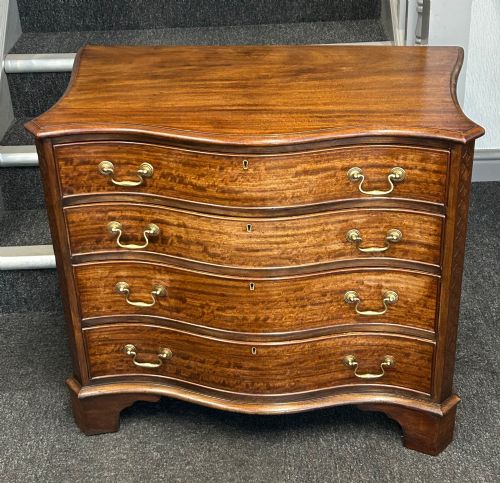
The pieces on this page emerge primarily in oak, walnut, and mahogany, reflecting stylistic revivals ranging from Jacobean and Gothic to Georgian and Arts and Crafts. Sideboards and dresser bases frequently appear alongside taller shelved formats, embodying the Victorian appetite for historical domestic design.
How they were made
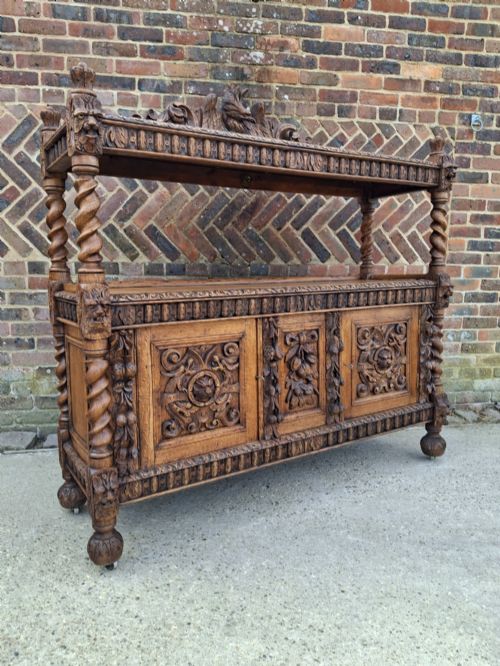
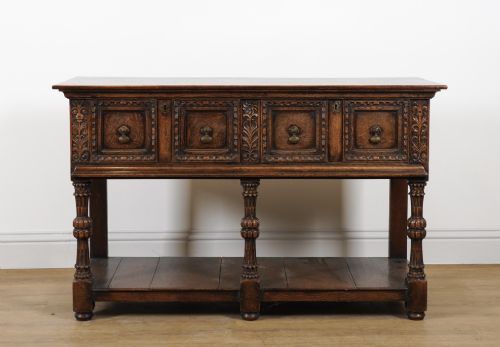
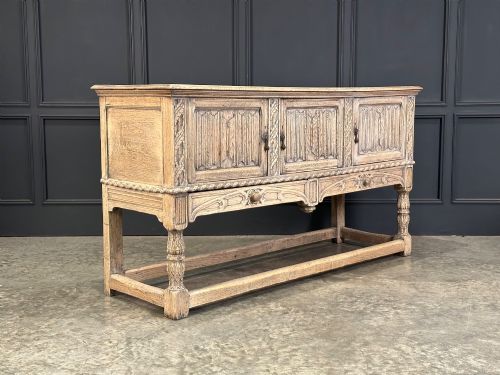
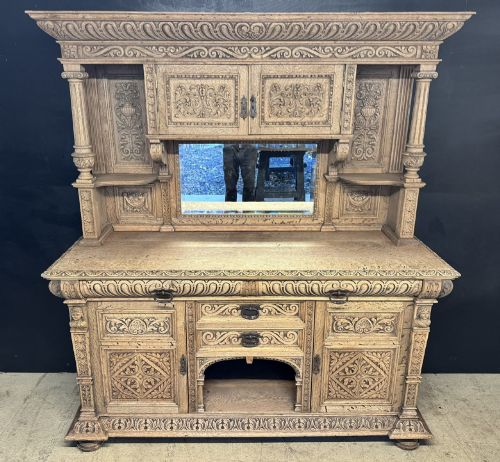
Carpenters constructed these large items chiefly from solid English and French oak, walnut, and mahogany, often mounting them on stretcher bases or barley-twist legs. Carvers applied deep relief work, including linenfold panels, Green Man motifs, and lion masks, directly into the timber.
Makers integrated functional hardware such as brass face handles, iron fittings, and leaded glass doors to secure the structural weight of the timber. Workshops utilised traditional joinery methods to support heavy mirrored backs, carved top edges, and tiered shelving units.
Revival Dresser Retail Price Guide 2026
Typical asking prices for revival dresser among the pieces listed under this phrase on Sellingantiques today, from the lower quarter to the upper quarter. They describe what is for sale here now, not the wider market.
Several heavy oak cupboards hide secret compartments built directly into the timber frame, offering a quiet place for household valuables.
What varies in quality
The standard of carving determines much of the distinction between pieces, separating crisp, deep relief work executed by skilled hands from shallow, mechanical factory stamping. Timber selection similarly dictates worth, with figured burr walnut and dense, well-figured oak holding greater visual and material depth.
Structural integrity depends on the original joinery and the stability of stretcher bases or heavy mirror backs over decades of domestic use. Pieces featuring integrated details like hidden compartments or original brass hardware show a higher level of workshop attention.
The Revival Dresser Glossary
- Dresser base
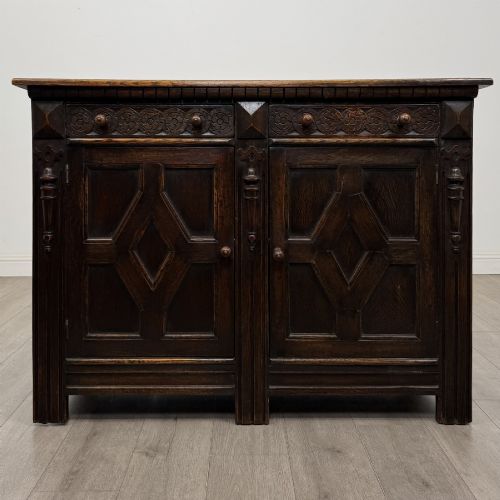
- A low wooden storage unit featuring drawers and cupboards without the upper plate racks. This form provides a wide surface top typical of nineteenth-century dining rooms.
- Gothic Revival
- An architectural and decorative style drawing on medieval ecclesiastical motifs. Pieces display pointed arches, tracery, and heavy carved panels.
- Linenfold
- A style of wood carving that mimics folded fabric. Craftsmen carved this texture onto cupboard doors and vertical panels during revival periods.
- Stretcher base
- A structural framework connecting the lower legs of a heavy cabinet. This addition provides extra stability to large oak sideboards and dressers.
Revival Dresser: Frequently Asked Questions
What is a revival dresser?
A revival dresser is a heavy timber storage unit built in the nineteenth or early twentieth century using historical design motifs.
These pieces combine traditional forms like plate racks and base cupboards with styles ranging from Gothic to Jacobean.
How do I date a revival dresser?
Dating relies on examining the timber species, construction methods, and stylistic revival cues visible across the piece.
Victorian examples often feature dark carved oak and heavy mirror backs, while later Edwardian and 1920s versions adopt lighter woods and cleaner lines.
Where should I place a dresser?
These large furniture items suit dining rooms, large kitchens, or hallways where they provide both surface display and deep storage.
Ensure the room has sufficient wall space and ceiling height to accommodate tall shelved or mirrored versions.
How do I care for antique oak?
Maintain antique oak surfaces by dusting with a dry cloth and applying natural wax sparingly to nourish the timber.
Keep the wood away from direct heat sources and strong sunlight to prevent the grain from drying and splitting.