
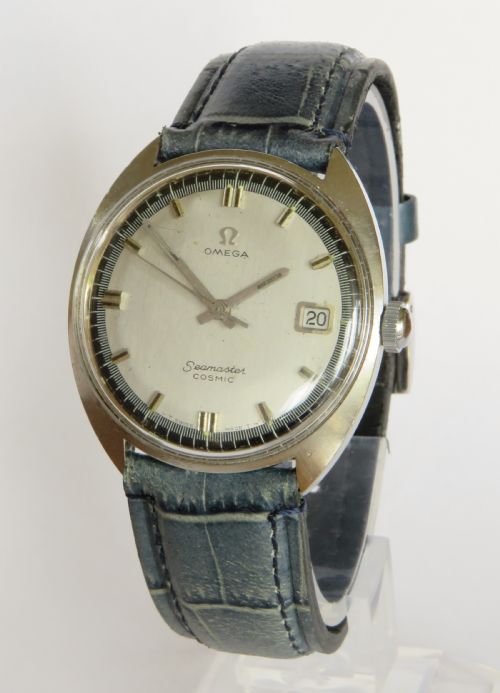
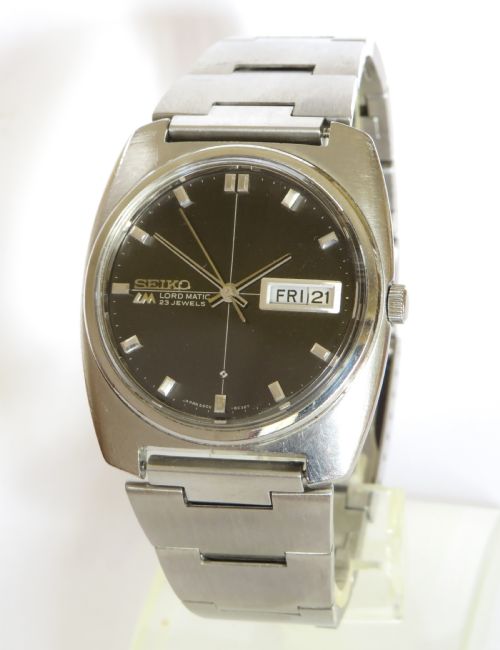
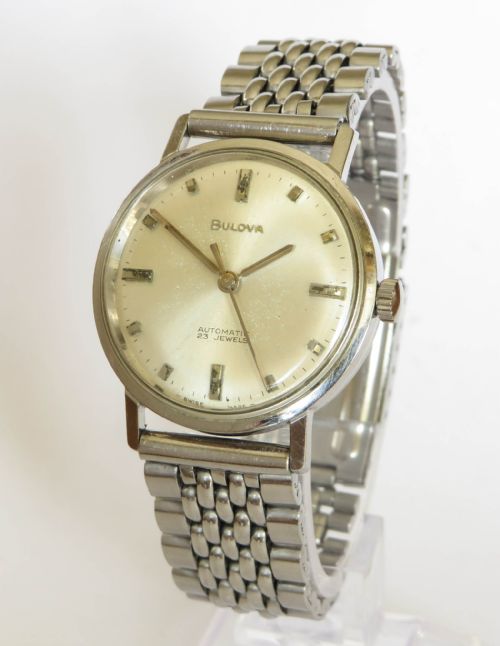
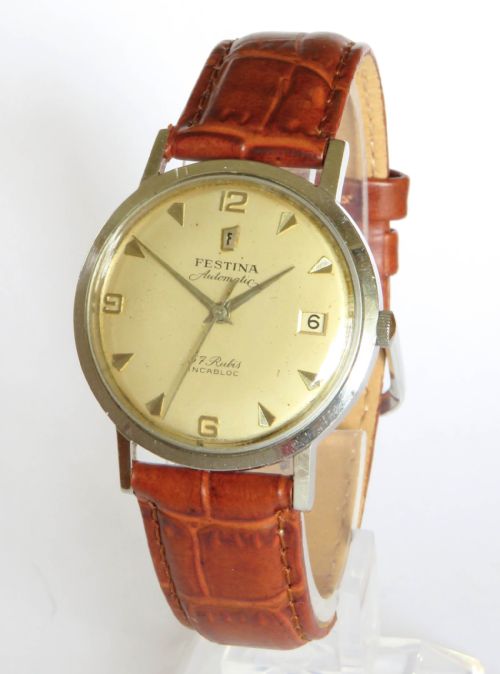
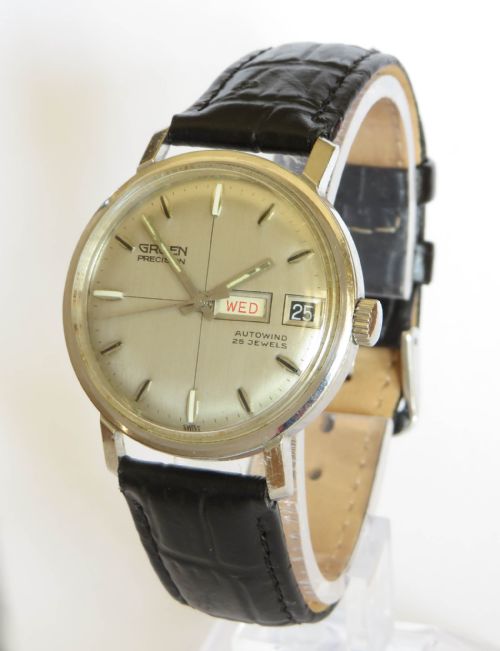
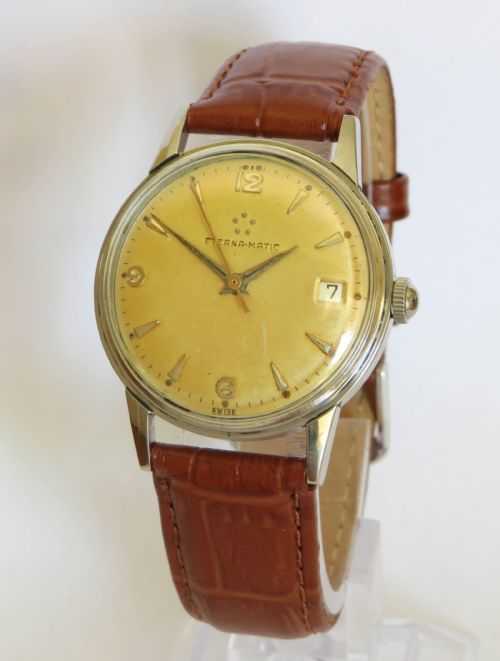
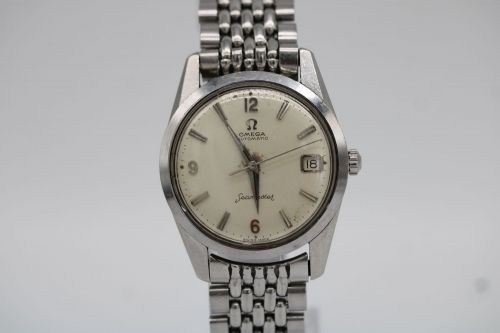
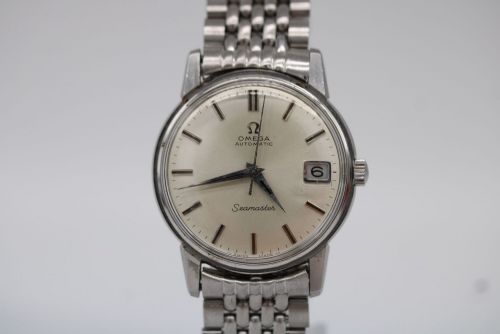
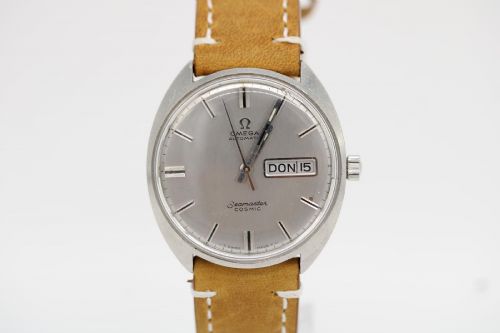
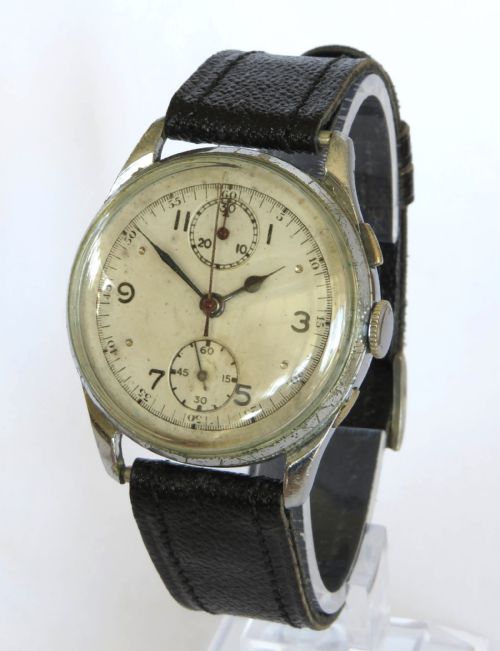

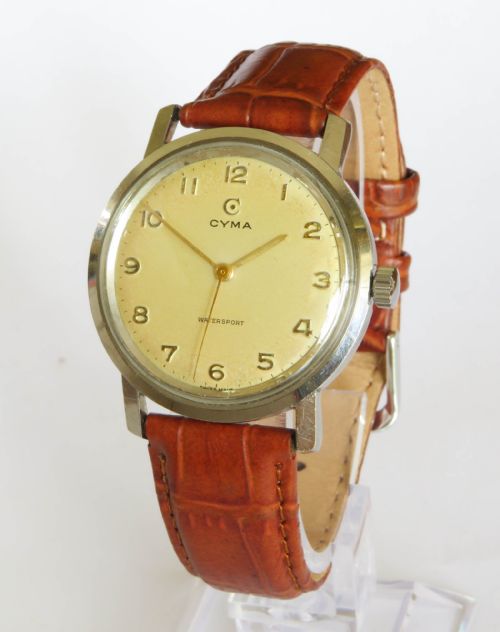
Retro Stainless Steel Watch
A retro stainless steel watch offers mid-century design combined with robust metal construction for daily wear.
Retro Stainless Steel Watch
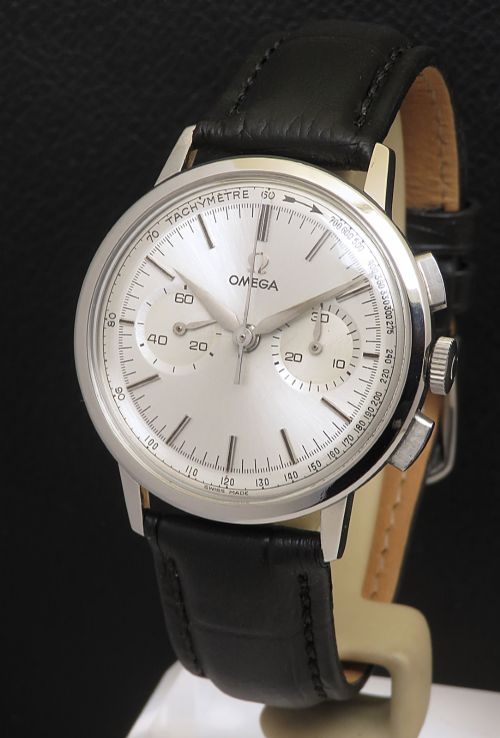
A retro stainless steel watch on this page typically spans the 1940s, 1950s, 1960s, and later decades. These timepieces take the form of gents wristwatches, including specialised chronograph and aviation models.
Buyers encounter well-known Swiss and international names alongside distinct mid-century styles. The selection ranges from simple automatic dress pieces to robust sports and aviation chronographs.
Materials and Construction
Cases utilise stainless steel alongside elements of chrome, gold plate, and solid gold. Dials are protected by glass, acrylic, or acrylic glass crystals.
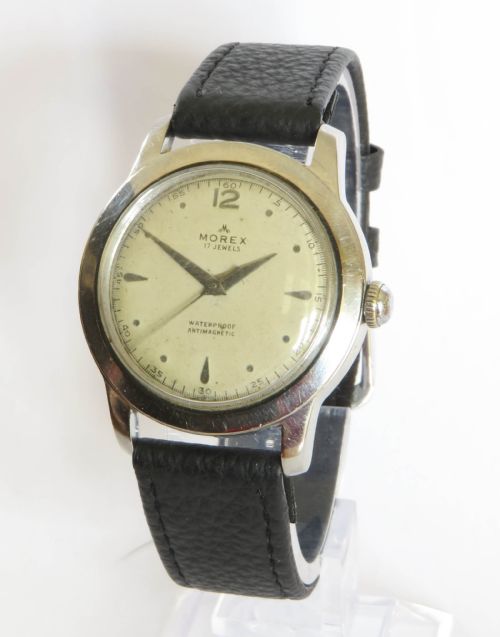
Strap configurations combine the metal cases with leather bands, driven by automatic, manual-wind, and chronograph mechanical movements.
Wristwatches that survived decades in drawers emerge today ticking steadily, bearing the quiet scuffs of forgotten adventures.
Grading Quality
Distinctions in quality rest on the originality of components such as dials, crowns, and movements. Retained factory finishes on steel cases separate preserved examples from heavily polished ones.
Mechanical condition and servicing history dictate daily reliability. Original dial patination and distinct manufacturer specifications influence the standing of individual pieces.
Omega·Seiko·Bulova·Breitling·Heuer·Tudor·Longines
The Retro Stainless Steel Watch Glossary
- Chronograph
- A watch with a stopwatch function alongside normal timekeeping. These models include subsidiary dials to measure elapsed seconds, minutes, and hours.
- Automatic
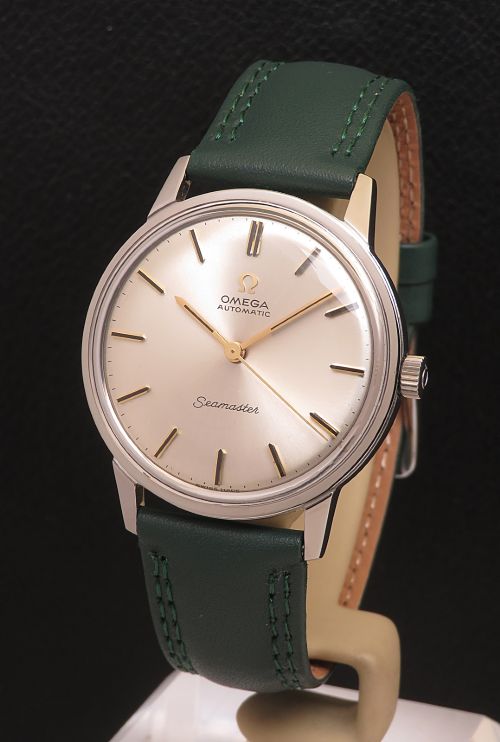
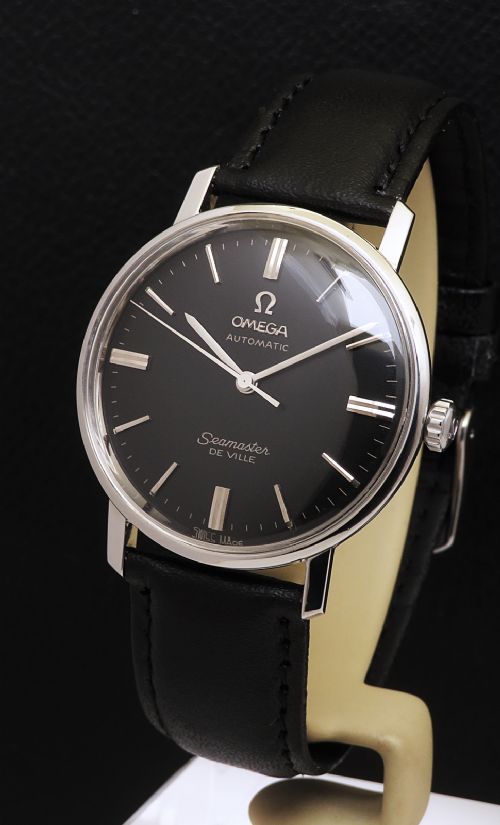
- A mechanical movement wound by the natural motion of the wearer's wrist. A weighted rotor spins inside the case to tension the mainspring.
- Acrylic glass
- A lightweight, transparent plastic material used for watch crystals during the mid-century period. It can be polished to remove surface scratches.
- Calibre
- The specific manufacturer's designation for a particular watch movement design. Collectors reference these numbers to identify the internal mechanics.
Retro Stainless Steel Watch: Frequently Asked Questions
How do I wind an automatic watch?
Automatic watches wind themselves through the movement of your wrist during daily wear. If the watch has stopped completely, give the crown a gentle manual turn to jumpstart the movement before wearing it.
Most automatic calibres do not require daily hand-winding once active. Setting the time and wearing the piece keeps the internal mainspring tensioned.
Are these watches water resistant?
Vintage timepieces generally lack modern waterproof seals. Exposure to moisture, heavy rain, or swimming can cause condensation inside the crystal.
Keep these watches dry during daily use. Gaskets degrade over decades, so professional pressure testing is necessary before any exposure to water.
What is a chronograph?
A chronograph functions as both a standard timepiece and a stopwatch. Pushers on the side of the case start, stop, and reset the central sweep seconds hand.
These complicated movements require careful handling of the pushers. They represent some of the most sought-after mechanical designs from the mid-century period.
How do I set the date?
Date mechanisms vary by movement calibre, with some requiring the hands to be advanced past midnight repeatedly. Other models feature a quickset date position when pulling the crown to the first notch.
Avoid changing the date manually during the hours near midnight when the internal gears engage the date wheel. This protects the delicate teeth of the calendar mechanism.