
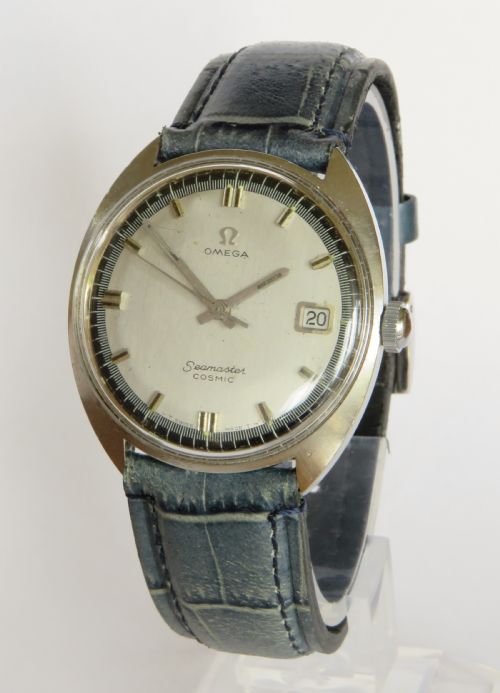
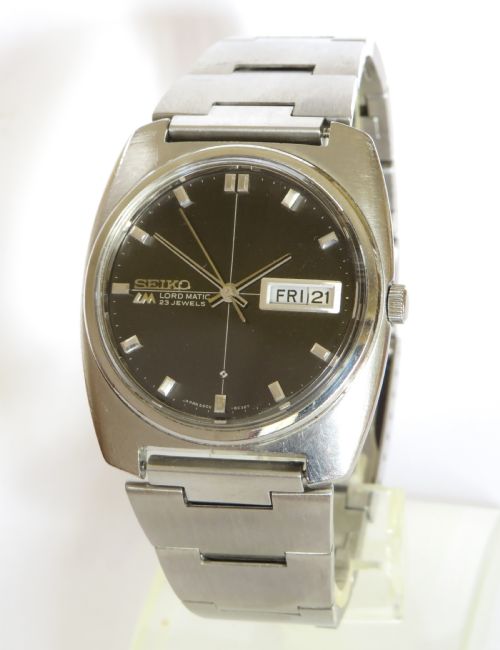
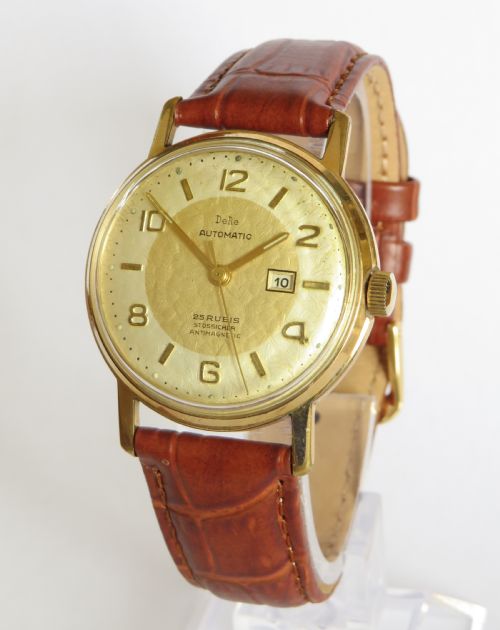
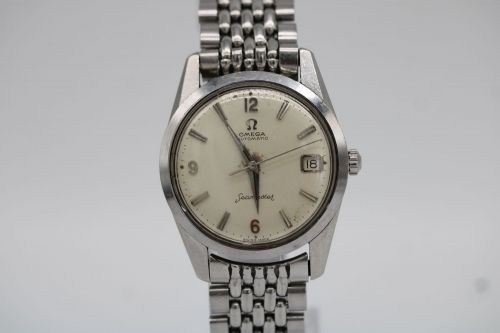
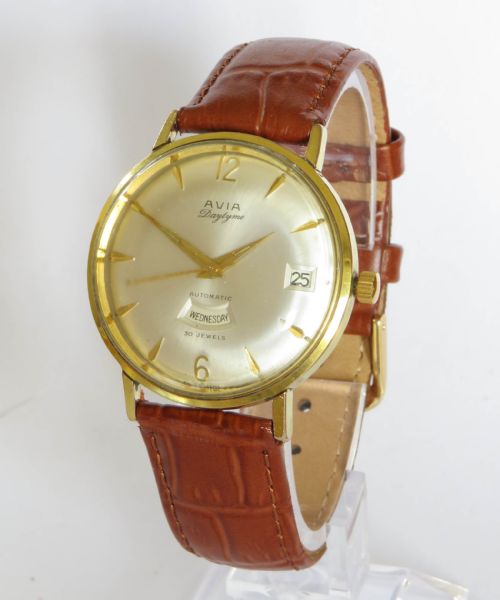
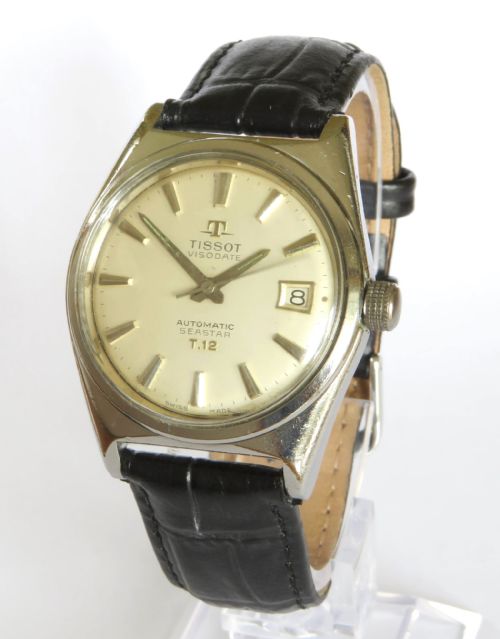
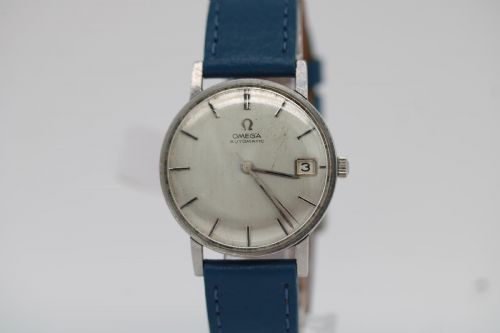


Automatic Date Wristwatch
An automatic date wristwatch winds itself with your movement and displays the day or date on the dial, combining reliable mid-century engineering with daily practicality.
Automatic Date Wristwatch
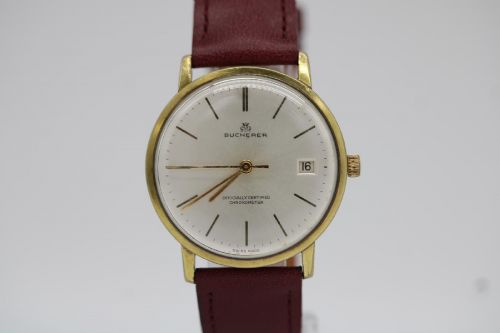
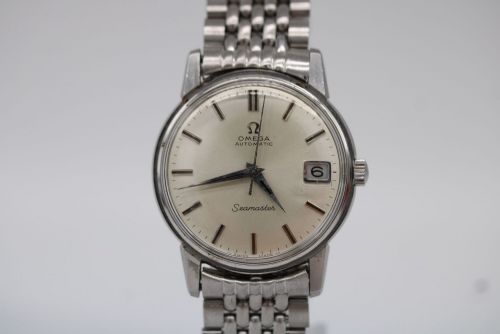
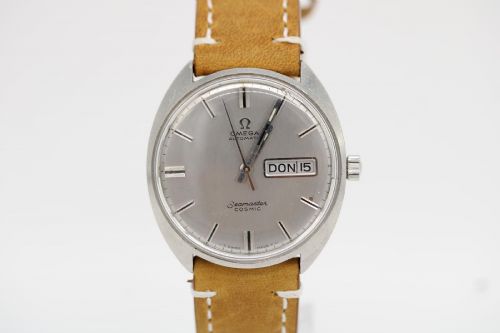
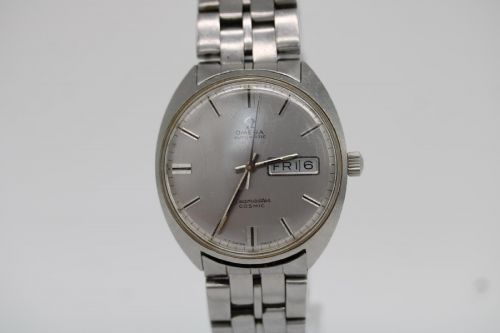
When you search for an automatic date wristwatch, you are looking at mid-century horology spanning the 1950s and 1960s. These pieces include men's and ladies' timepieces produced during the height of mechanical watch development.
The versions you are most likely to meet on this page hail from the 1960s, heavily representing Mid-Century Modern and Mid-Century Luxury design aesthetics. Prominent forms include dress and utility models equipped with self-winding movements.
The selection ranges from robust steel everyday pieces to solid 9ct gold and gold-plated luxury items. Makers such as Omega, Seiko, DeRe, Bucherer, Avia, Tissot, Eterna, Tudor, and Heuer define the origins recorded in the evidence.
What varies in quality
The grade of the precious metal used for the case and the complexity of the internal calibre separate standard models from luxury variations. Solid 9ct gold iterations and specialised movements sit at the upper end of the range compared to gold-plated or basic steel editions.
The preservation of the dial, particularly patinated or original signed faces, influences desirability alongside the precision and servicing history of the internal mechanical movement.
Listings feature automatic date wristwatches produced primarily across the 1950s and 1960s, utilising stainless steel, solid 9ct gold, and leather straps.
Omega·Seiko·Bucherer·Tissot·Eterna·Tudor·Heuer
The Automatic Date Wristwatch Glossary
- Automatic
- A self-winding mechanical watch movement that uses a weighted rotor to wind the mainspring using the natural motion of the wearer's wrist.
- Calibre
- The specific internal movement designation used by a manufacturer to identify the particular design and mechanics of a watch engine.
- Acrylic glass
- A lightweight, shatter-resistant plastic material commonly used for watch crystals during the mid-century period, easily polished if scratched.
- Gold plate
- A base metal case bonded with a thin layer of gold on the surface, offering the appearance of solid gold at a lower production cost.
- Bumper movement
- An early type of automatic winding mechanism where the rotor swings back and forth within a limited arc rather than spinning a full three hundred and sixty degrees.
Automatic Date Wristwatch: Frequently Asked Questions
How do automatic date wristwatches work?
These watches contain an internal weighted rotor that spins as your arm moves throughout the day, automatically tensioning the mainspring to power the timekeeping mechanics.
The date mechanism utilises a gear train linked to the hour wheel, advancing the calendar display automatically every twenty-four hours.
Are these watches suitable for daily wear?
Mid-century automatic watches were designed for everyday utility, housed in sturdy stainless steel or solid gold cases with reliable mechanical movements.
However, due to their age, many vintage pieces lack modern water resistance and benefit from gentle handling and regular servicing.
What is a bumper automatic movement?
A bumper movement is an early self-winding system where the internal rotor swings back and forth against internal springs rather than rotating in a full circle.
You can often feel a gentle tap on your wrist when the weighted rotor reaches the end of its travel.
How do I date a vintage wristwatch?
Dating involves examining internal movement serial numbers, case reference numbers, and stylistic cues such as dial typography and handset design.
Records from manufacturers allow collectors to match serial numbers to specific production years within the 1950s and 1960s.