
Swiss Automatic Wristwatch
A Swiss automatic wristwatch carries a self-winding mechanical movement driven by the natural motion of the wearer's wrist.
Swiss Automatic Wristwatch
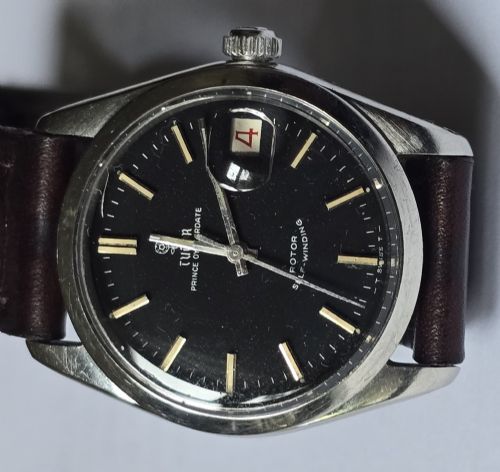
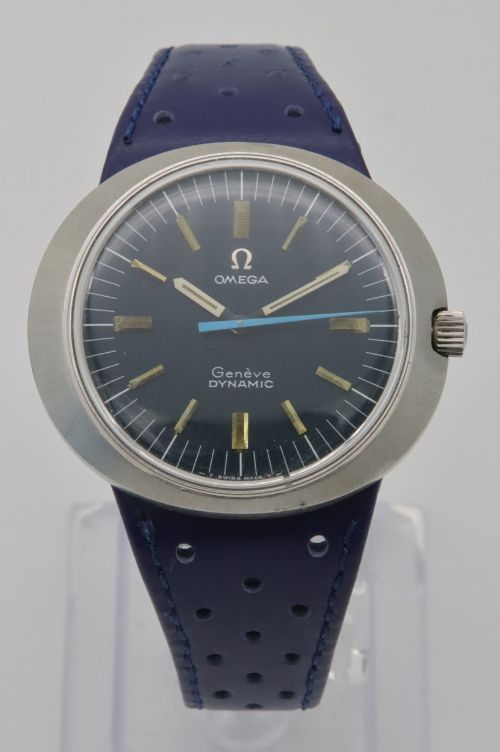
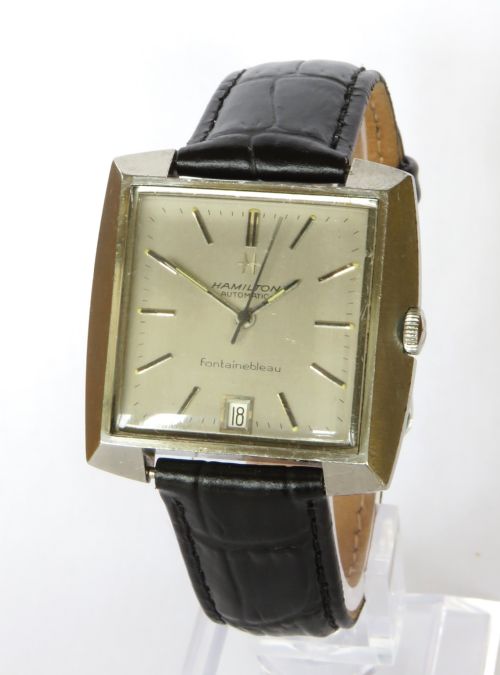
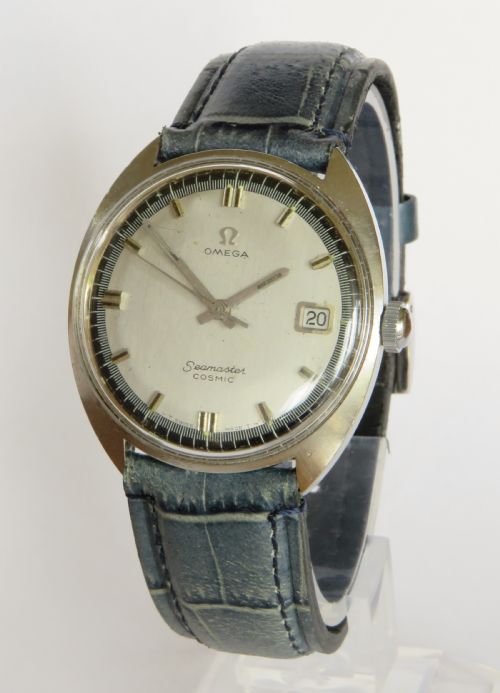
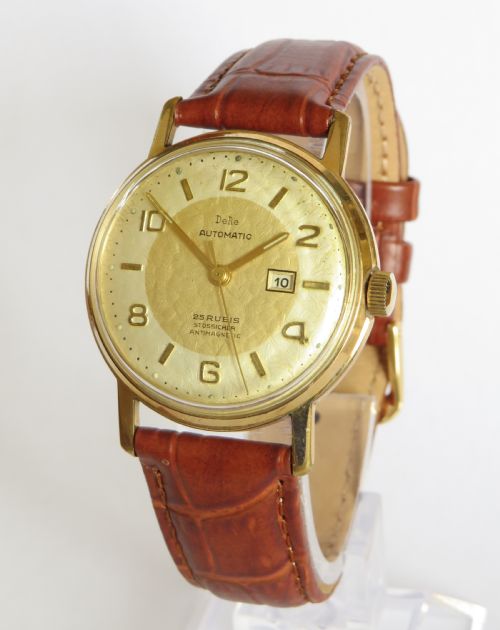
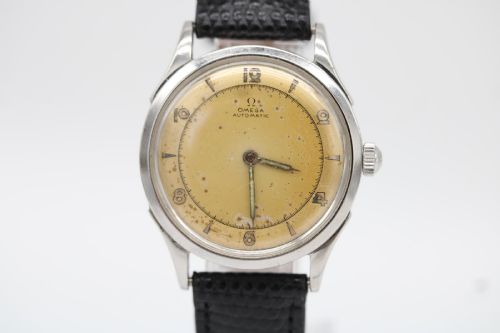
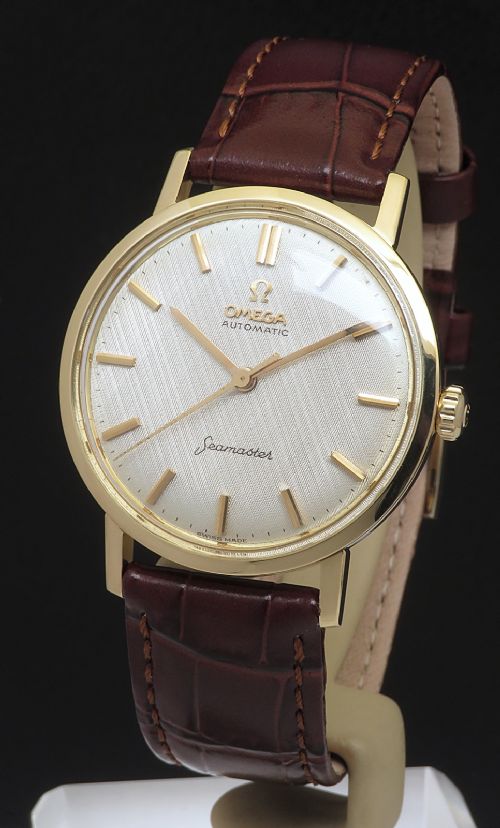
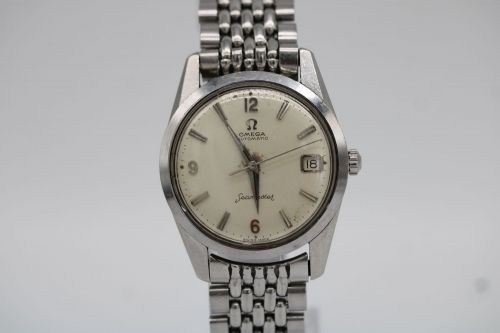
A Swiss automatic wristwatch represents a mechanical timekeeper powered by an internal weighted rotor that winds the mainspring as the arm moves. Buyers seeking a Swiss automatic wristwatch will encounter pieces predominantly from the 1940s, 1950s, and 1960s, reflecting mid-century horology.
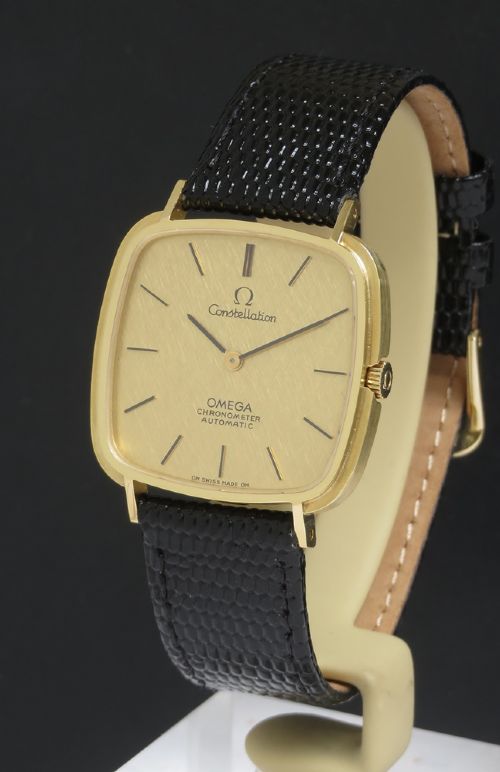
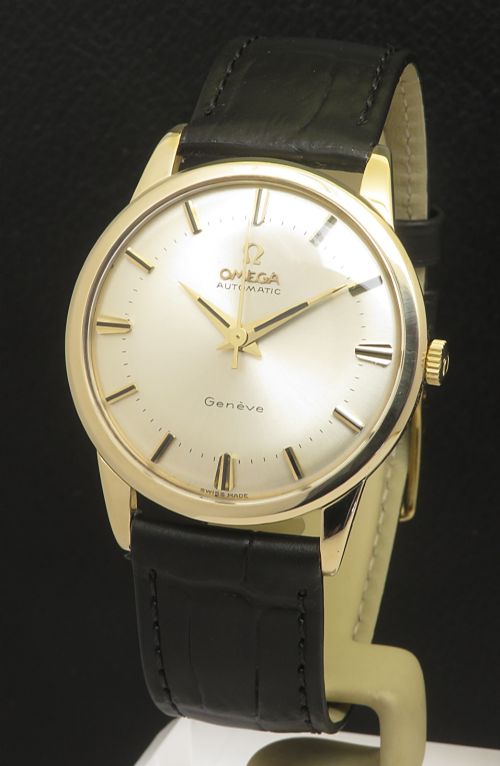
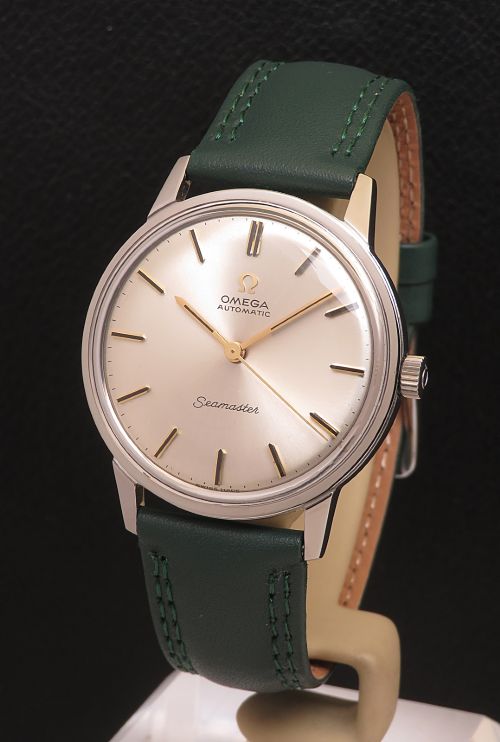
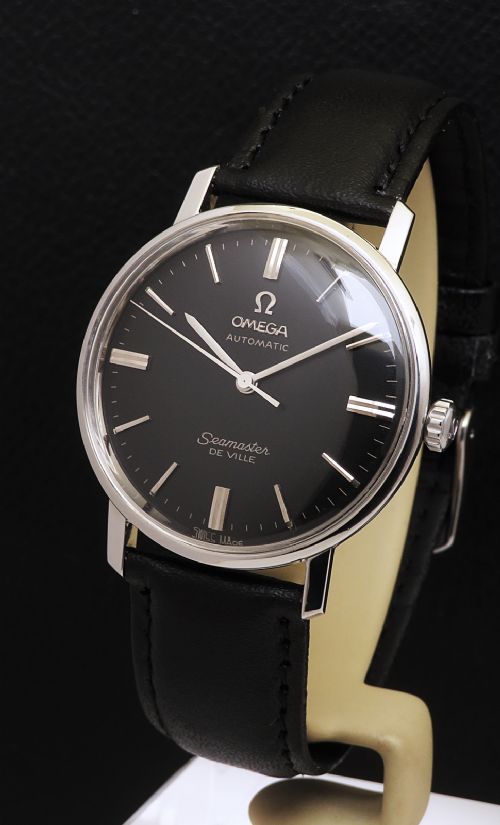
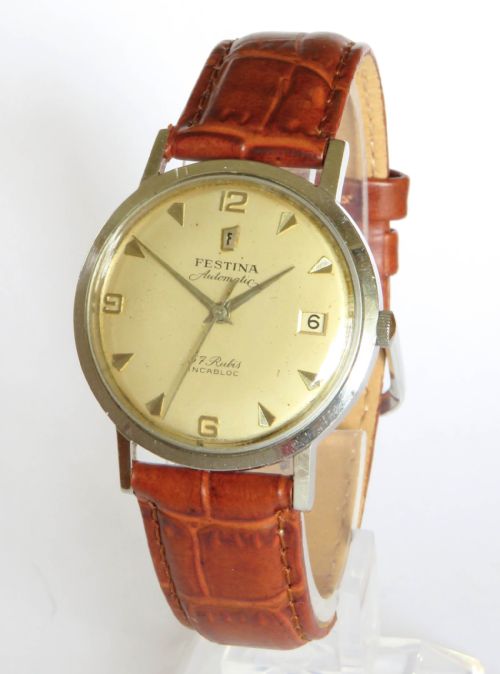
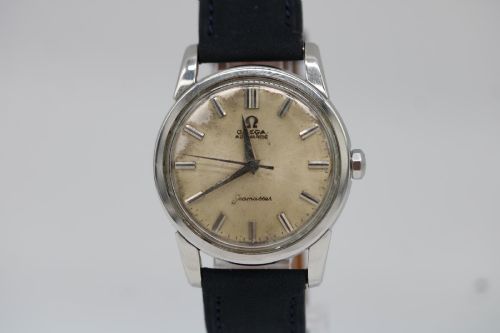
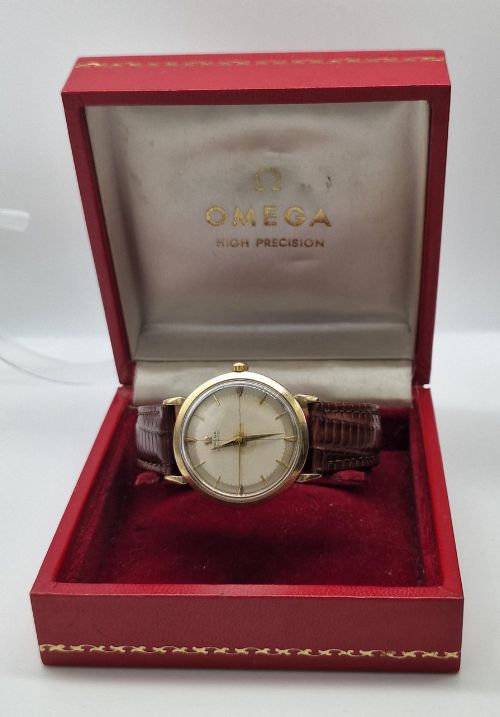
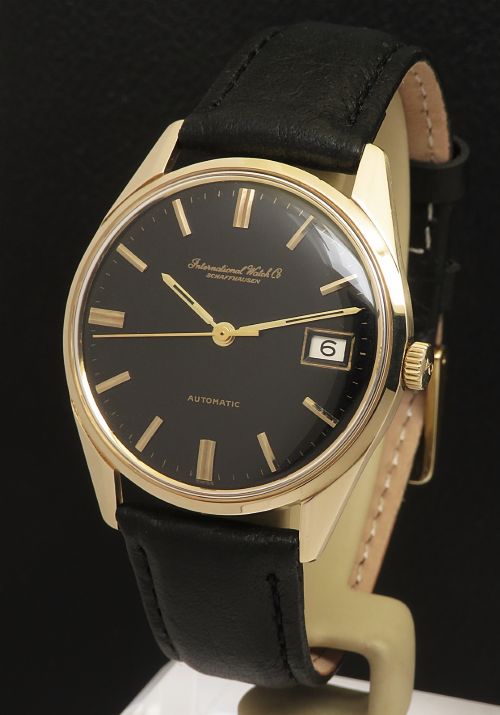
The selections span prominent lines such as the Omega Seamaster, Geneve, and Constellation, alongside pieces by makers like IWC, Tudor, and Longines. These timepieces display varied case forms including round stainless steel, gold plate, and solid gold configurations.
Wristwatches from this era often feature distinct dial variants such as honeycomb textures, patinated surfaces, or day-date apertures. Mid-century modern and retro styles dominate the aesthetic range of these mechanical items.
How they were made
Watchmakers constructed cases from durable stainless steel, gold plate, and solid 9ct or 18ct gold, paired with acrylic glass or acrylic crystal over the dial. Early automatic calibres utilised bumper mechanisms, where a weighted spring swings back and forth, before transitioning to full rotor systems.
Dials were hand-finished with applied markers, printed minute tracks, and intricate textures like honeycomb patterns or brushed sunburst effects. Straps were traditionally fashioned from leather to secure the metal case to the wrist.
The documented styles include mid-century modern, 1960s mod, and 1970s retro forms paired with leather straps and acrylic glass.
What varies in quality
Material choice dictates the baseline tier, moving from gold-plated brass and stainless steel up to solid 9ct and 18ct gold cases. The complexity and reputation of the internal movement also differentiate examples, with chronometer-grade calibres representing higher precision engineering.
The preservation of original components, including signed crowns, matching dials, and associated boxes or papers, elevates a watch's standing among collectors. Servicing history and the retention of crisp case edges further separate standard daily wear pieces from top-tier specimens.
Omega·Tudor·Hamilton·Festina·IWC·DeRe·Bucherer·Avia·Tissot·Wittnauer·Longines·Baume·Eterna·Prisma·Consul
The Swiss Automatic Wristwatch Glossary
- Automatic
- A self-winding mechanical movement that uses a rotating rotor to wind the mainspring automatically during wear. This mechanism removes the need for daily manual winding.
- Bumper automatic
- An early self-winding movement where the rotor swings through a limited arc and bounces off springs rather than spinning a full three hundred and sixty degrees. The wearer can physically feel the movement tap against the case.
- Chronometer
- A high-precision watch that has passed rigorous accuracy tests conducted by an official certifying body. These movements are adjusted for temperature and various positions.
- Calibre
- The specific internal movement designation assigned by the manufacturer. Knowing the calibre helps identify the exact mechanical generation of the watch.
- Gold plate
- A base metal layer covered with a thin coating of gold affixed by mechanical or chemical means. This technique provided the appearance of solid gold at a lower production cost.
Swiss Automatic Wristwatch: Frequently Asked Questions
Do Swiss automatic watches require batteries?
Automatic watches rely entirely on mechanical gears, springs, and a weighted rotor rather than electrical power. They run on kinetic energy generated by the natural movement of the wearer's arm.
When left off the wrist for a prolonged period, the mainspring winds down and the watch stops. Simply putting it on and setting the time restores operation as the internal rotor begins moving again.
What is a bumper automatic movement?
A bumper movement represents an early phase of self-winding technology developed before full rotor mechanisms became standard. Inside the case, the weighted mass swings back and forth through a partial circle rather than rotating completely around.
Collectors appreciate these movements for their distinct tactile feedback, as the wearer can feel the internal bumper striking the springs with each gesture.
How do I tell a chronometer from a standard watch?
A chronometer designation appears directly on the dial or movement and indicates that the piece has undergone official testing for precision. These movements feature specialised adjustments to maintain accuracy across various temperatures and physical positions.
Standard watches lack this formal certification, though they still utilise the same fundamental automatic winding principles.
Are these watches water resistant?
Vintage automatic wristwatches from the mid-century period were not manufactured to modern water-resistance standards. Original gaskets and seals degrade over decades, making them vulnerable to moisture.
Owners should keep these timepieces away from water, rain, and humidity to protect the dial, hands, and internal mechanical steel components from corrosion.