
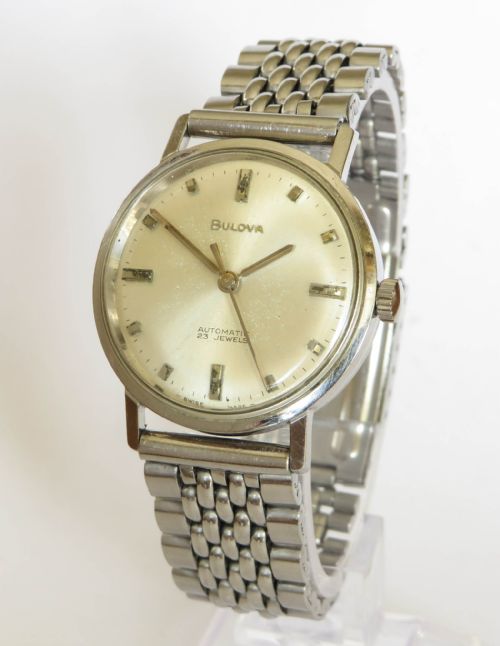
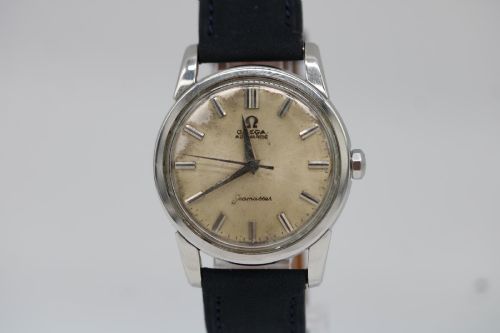
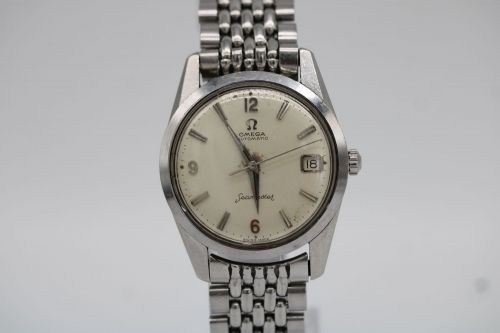
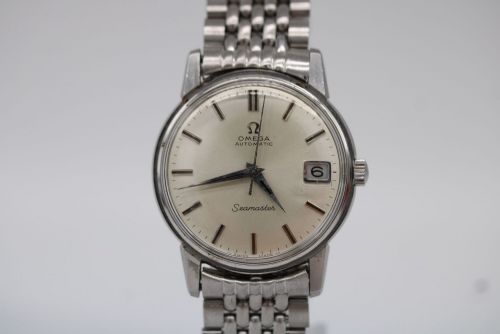
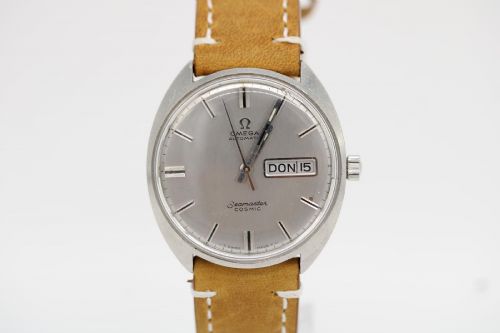
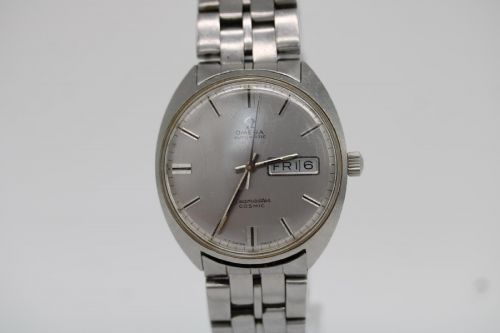
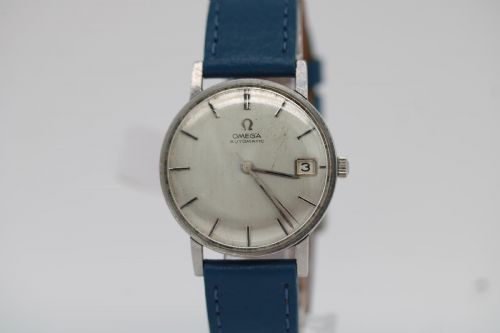
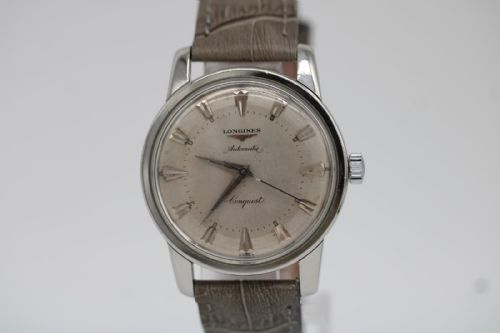
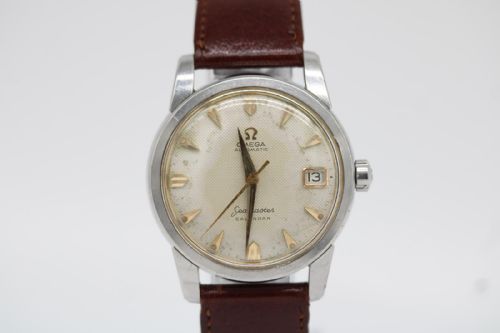
Silver Dial Automatic Watch
A silver dial automatic watch brings mid-century mechanical reliability together with a clean, understated metallic face that suits daily wear.
Silver Dial Automatic Watch
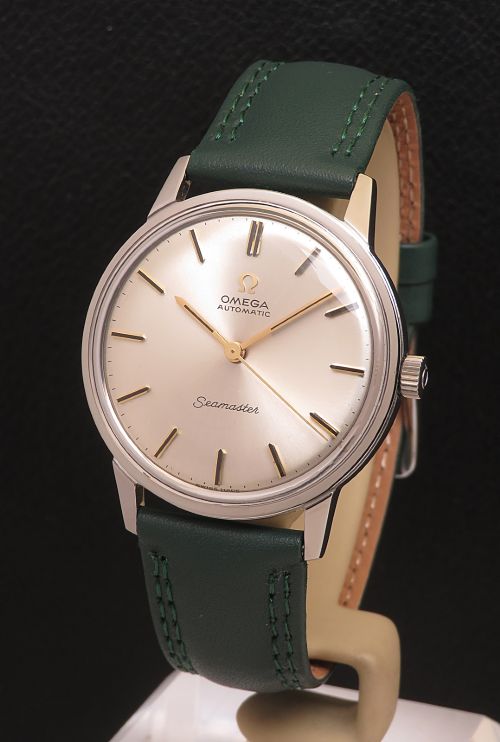
When you search for a silver dial automatic watch, you are looking at wristwatches driven by self-winding mechanical movements rather than batteries. The pieces collected here span the nineteen-fifties and nineteen-sixties, capturing the mid-century modern and nineteen-seventies retro design movements.
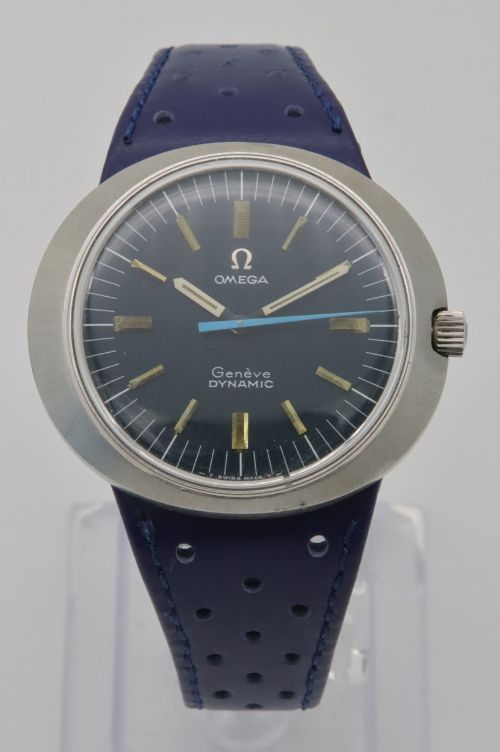
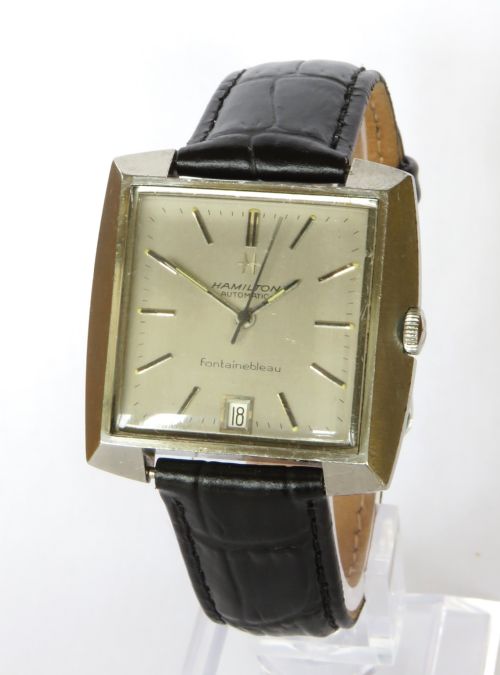
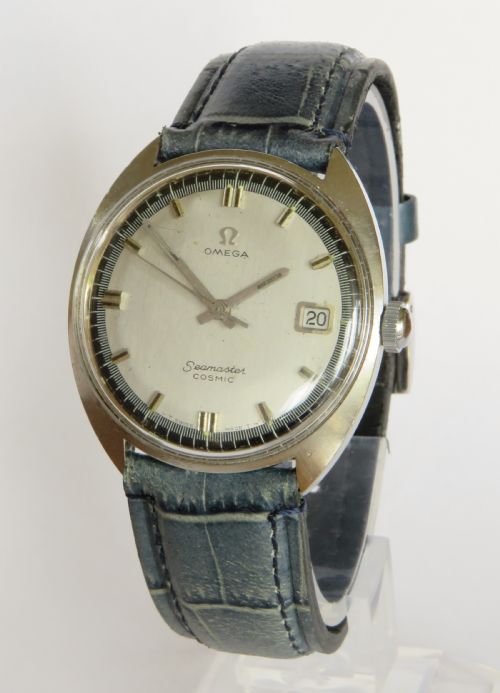
Most examples you will meet on this page take the form of classic wristwatches housed in stainless steel cases. Names such as Omega, Longines, Hamilton, Bulova, and Tudor appear repeatedly across these mid-century offerings, each presenting distinct calendar and date complications.
The dial surface itself defines the visual character, often paired with acrylic or acrylic glass crystals and fastened with leather straps. These wristwatches reflect an era when mechanical precision was standard and watch design focused on legibility and robust utility.
How they were made
The construction relies on stainless steel for durability in the case and winding mechanisms powered by the natural motion of the wearer's wrist. Internal calibres drive the hands and calendar functions, utilising metal gears and springs housed securely beneath glass or acrylic glass crystals.
Dials are finished with metallic silver tones, sometimes featuring textured honeycomb patterns or patinated surfaces developed over decades of time. Leather straps complete the assembly, fastened to the steel chassis with traditional spring bars.
Some dials feature a honeycomb texture, proving that watches can have a sweet side.
What varies in quality
Quality differences rest in the originality of the components and the preservation of the dial and case. Pieces that retain their factory textures and correct signed crowns sit higher in desirability than those with heavily polished surfaces or replaced parts.
The condition of the internal automatic calibre and whether the watch has been recently serviced also dictate standard. A movement running smoothly with crisp calendar engagement separates a well-preserved collector's piece from a standard daily wearer.
Omega·Longines·Hamilton·Bulova·Tudor
The Silver Dial Automatic Watch Glossary
- Automatic
- A self-winding mechanical movement that uses a weighted rotor to tension the mainspring as the wearer moves their wrist.
- Calibre
- The specific internal movement model designation created by the watch manufacturer.
- Acrylic glass
- A lightweight, shatter-resistant polymer material used for the crystal covering the dial.
- Honeycomb dial
- A textured, geometric dial pattern resembling a bee's honeycomb, seen on mid-century watch faces.
- Patina
- The natural ageing and discoloration of a dial or case that develops over decades of exposure to light and air.
Silver Dial Automatic Watch: Frequently Asked Questions
How do I wind an automatic watch?
An automatic watch winds itself automatically through the natural movement of your wrist during daily wear.
If the watch has stopped completely, you can give the crown a few manual turns to kickstart the internal movement before wearing it.
Are these watches waterproof?
Vintage watches from this period were generally water-resistant when new, but age degrades the original gaskets and seals.
It is strongly recommended to keep these pieces away from water and moisture unless they have been professionally tested and resealed.
How do I read the date on these watches?
Many mid-century models feature a small aperture on the silver dial that displays the calendar date.
Some advanced movements also include a day-of-the-week display alongside the date window for added convenience.
Can I change the strap myself?
You can change the leather strap using a standard spring bar tool to compress the pins holding the strap to the case lugs.
Ensure you match the lug width of the watch to the new strap size for a secure fit.