
Retro Automatic Timepiece
These vintage wristwatches known as a retro automatic timepiece represent the mechanical ingenuity of the mid-twentieth century, combining self-winding movements with distinctive period design.
Retro Automatic Timepiece
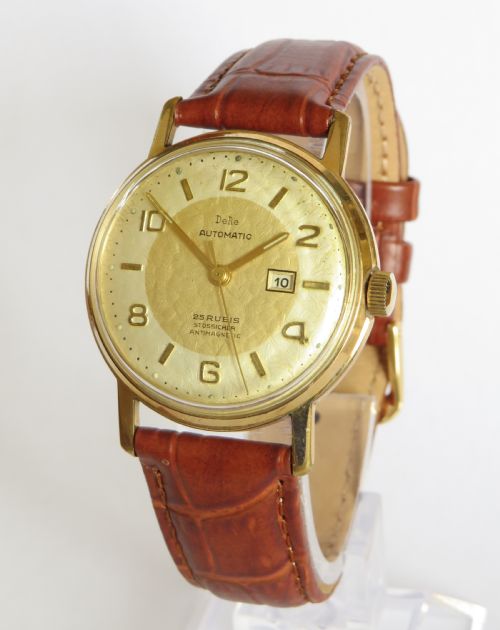
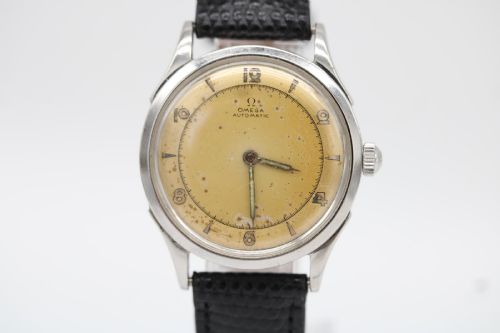
When searching for a retro automatic timepiece, collectors examine wristwatches produced primarily during the 1950s and 1960s, alongside select examples from the 1940s. These items range from stainless steel daily wearers to solid gold luxury models featuring specialist dials and calendars.
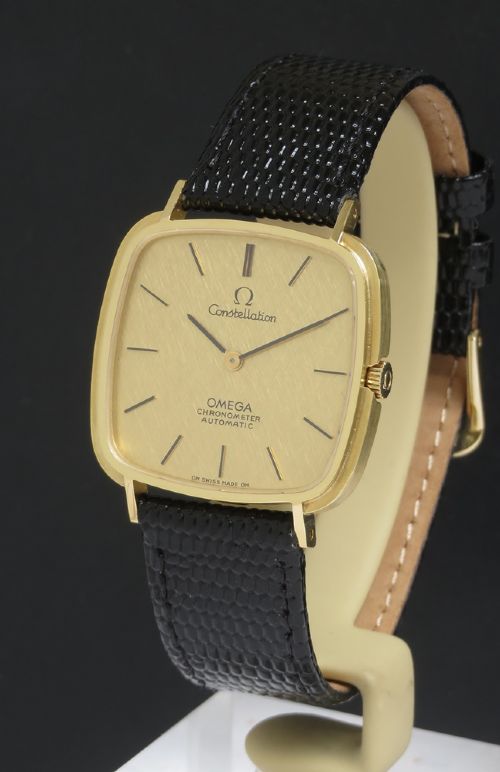
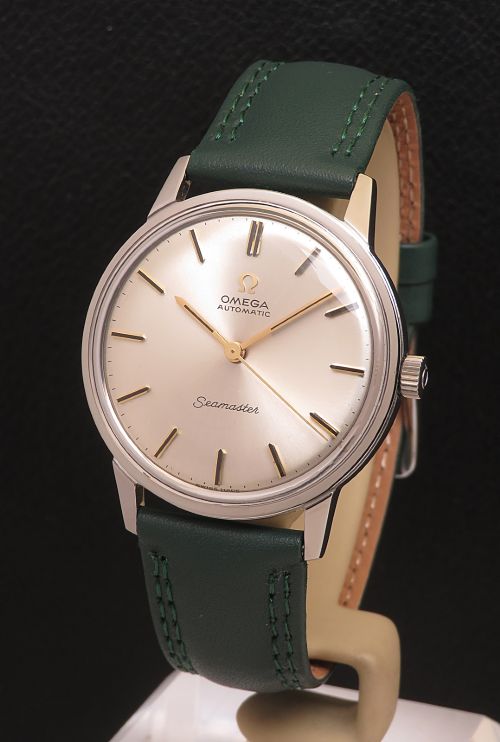
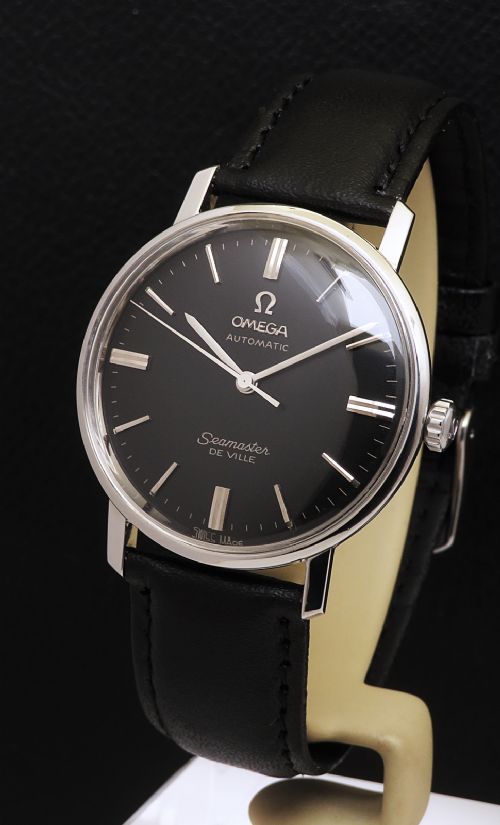
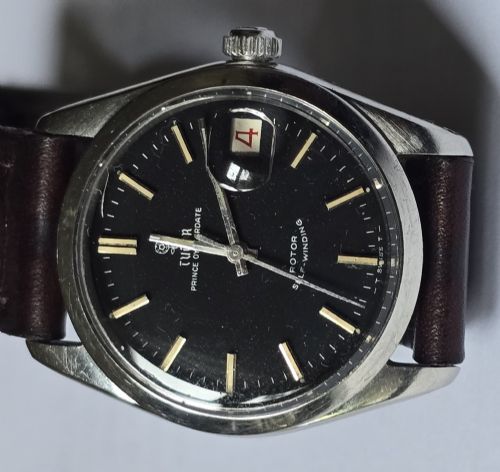
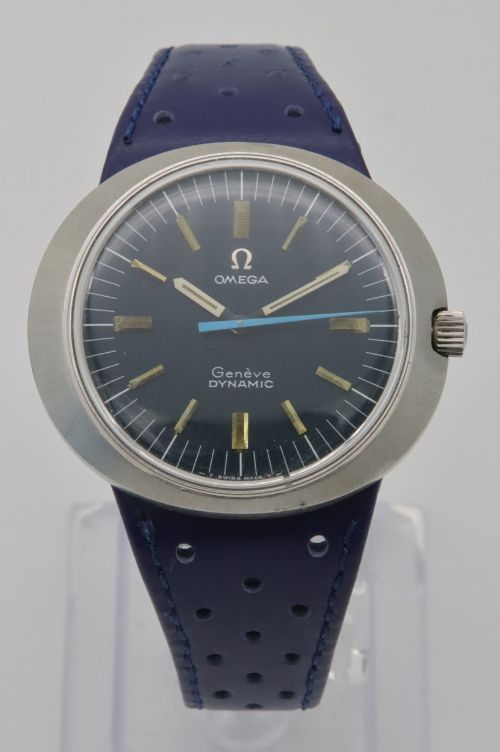
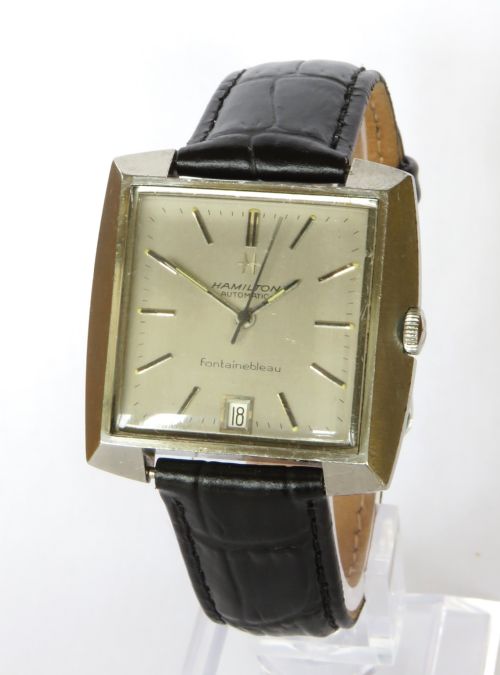
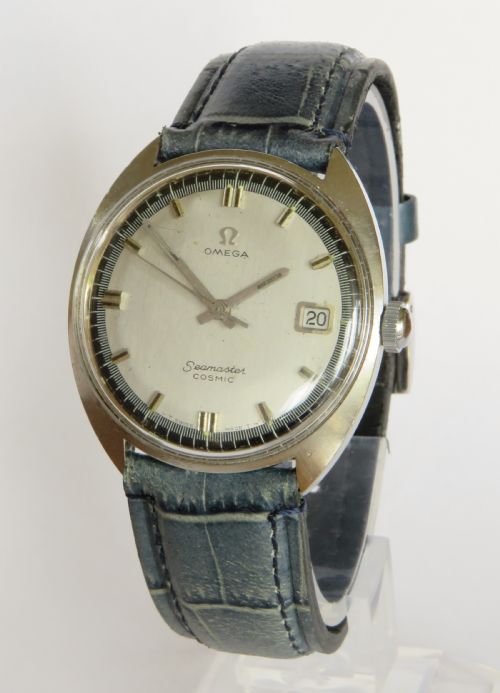
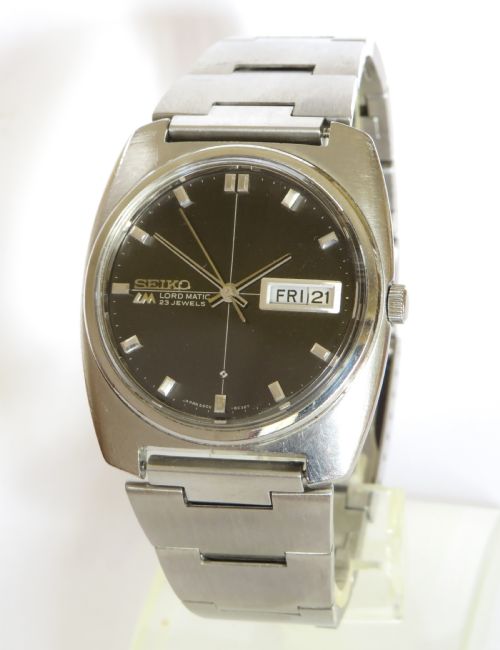
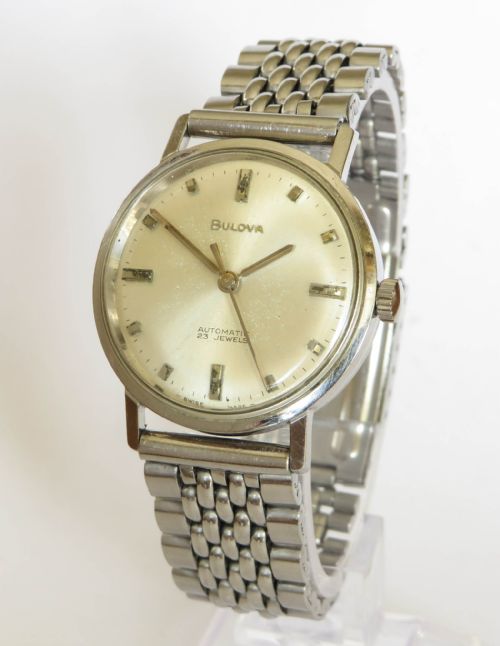
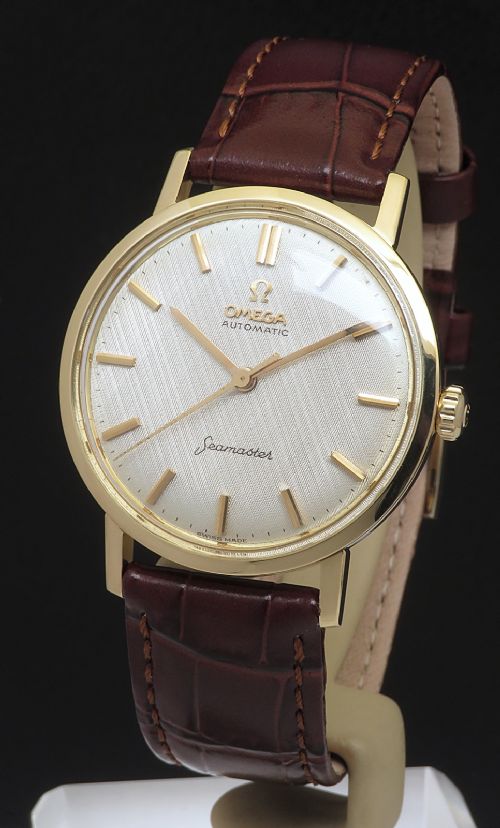
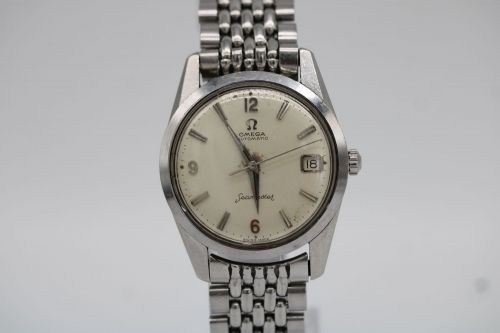
The most frequent items met on this page belong to the 1960s Mid-Century style, encompassing iconic lines such as the Omega Seamaster, Tudor Oysterdate, and diverse automatic wristwatches by Hamilton, Seiko, and Bulova.
Forms span robust calendar watches and chronometers housed in cases constructed during the peak of mid-century horology, offering buyers a direct connection to mechanical watchmaking traditions of that era.
Materials and construction methods
Cases of a retro automatic timepiece utilise metals including stainless steel, gold plate, solid 9ct gold, and heavy solid 18ct gold, paired with protective crystal glass or acrylic glass over the dial.
Strap construction relies predominantly on leather, while internal automatic movements harness mechanical energy through weighted rotors or bumper mechanisms to wind the mainspring during wear.
Listings feature items from the 1940s, 1950s, and 1960s, utilising materials such as stainless steel, leather, acrylic, and 18ct gold.
Distinctions in quality and execution
Superior examples of a retro automatic timepiece demonstrate original dial preservation, precise chronometer certification, and the inclusion of original manufacturer boxes and papers.
Higher grades are further distinguished by precious metal cases such as 18ct gold, complete restoration histories, and mechanical components that maintain factory specifications.
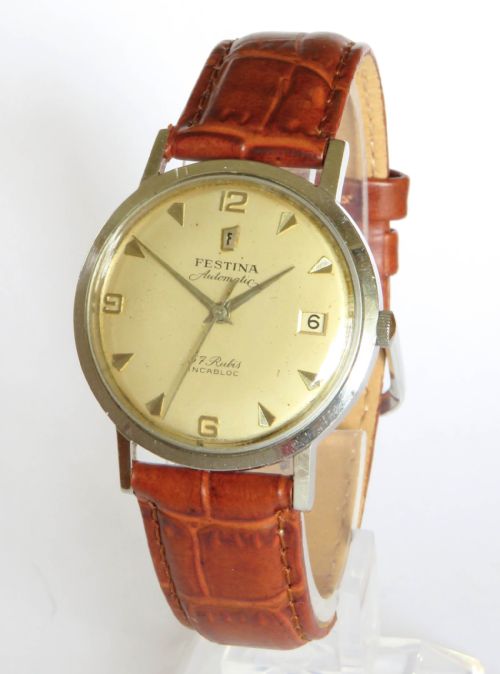
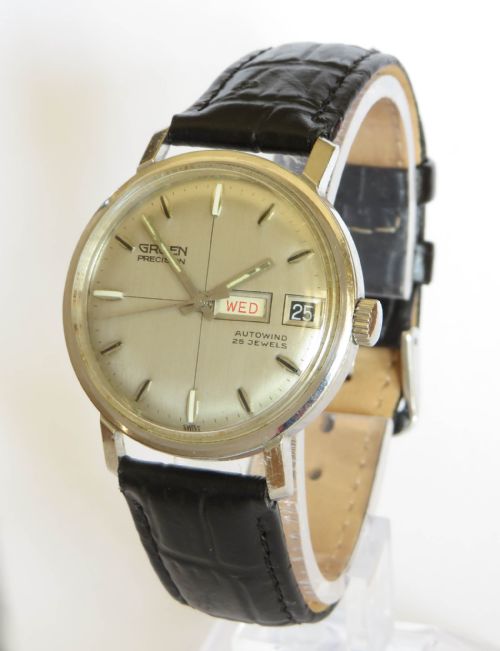
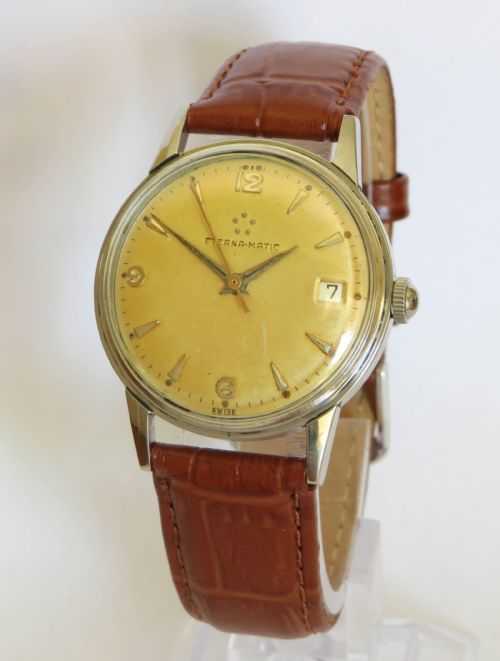
Omega·Tudor·Hamilton·Seiko·Bulova·Festina·Gruen·Eterna·Bucherer·Avia·Wittnauer·Longines·Prisma·Consul
The Retro Automatic Timepiece Glossary
- Automatic
- A self-winding mechanical watch movement that uses a rotating weight to power the mainspring during normal wrist movement.
- Chronometer
- A high-precision watch movement that has passed rigorous accuracy tests conducted by an official official testing institute.
- Bumper
- An early type of automatic movement where the rotor swings back and forth against springs rather than rotating fully through three hundred and sixty degrees.
- Calibre
- The specific manufacturer designation for the internal mechanical movement housed inside the watch case.
- Oysterdate
- A waterproof case design paired with a date display function, popularised by Tudor during the mid-century period.
Retro Automatic Timepiece: Frequently Asked Questions
How do automatic vintage watches work?
Automatic watches contain a weighted internal rotor that moves with the motion of the wearer's wrist, automatically winding the mainspring to power the mechanical movement.
This self-winding system removes the need for daily manual winding while maintaining traditional mechanical craftsmanship.
What periods do these watches cover?
The selection spans the 1940s, 1950s, and 1960s, capturing the evolution of post-war horology and mid-century modern design.
Earlier pieces from the 1940s often feature bumper movements, while 1960s examples showcase advanced date mechanisms and dynamic styling.
Are these watches suitable for daily wear?
Many collectors wear these vintage pieces daily, provided they have been recently serviced by a professional horologist to ensure mechanical reliability.
Care should be taken around water and moisture unless the specific model has been tested for modern water resistance.
How do I identify a 1960s model?
Sixties timepieces typically exhibit distinctive mid-century modern design cues, including minimalist baton markers, sunburst dials, and streamlined stainless steel or gold cases.
Reference numbers stamped inside the case back or between the lugs often help pinpoint the exact production year.