


Vintage Calendar Watch
A vintage calendar watch brings mechanical date displays to the wrist or pocket, combining timekeeping with day, month, or moonphase indications.
Vintage Calendar Watch
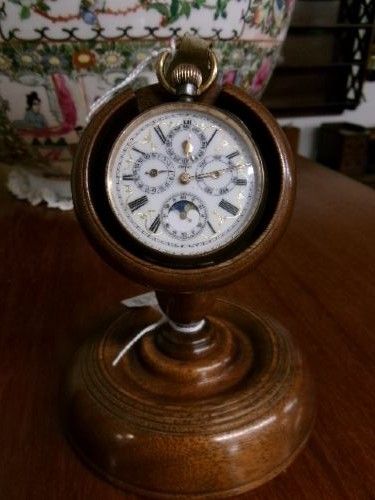
When you search for a vintage calendar watch, you encounter timepieces that display dates alongside hours, minutes, and seconds. These mechanisms range from simple date apertures to complex arrangements showing the day, month, and lunar cycle.
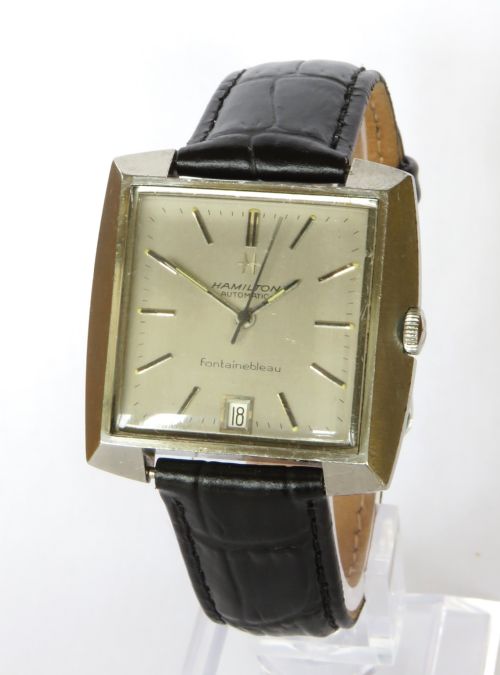
The pieces on this page span several decades, starting from Victorian pocket watches up to the 1970s. Wristwatches dominate the selection, with mid-century automatic and manual movements appearing most frequently.
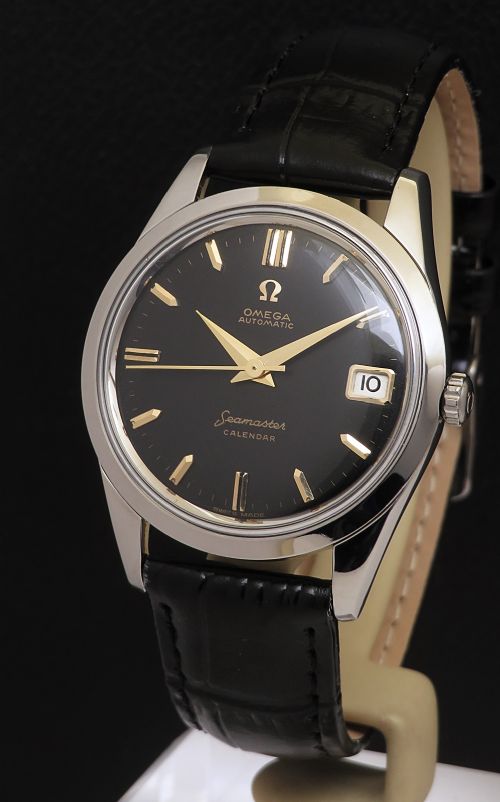
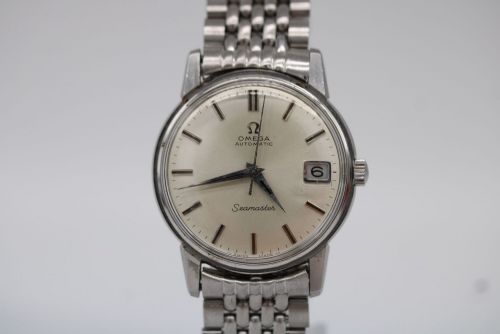
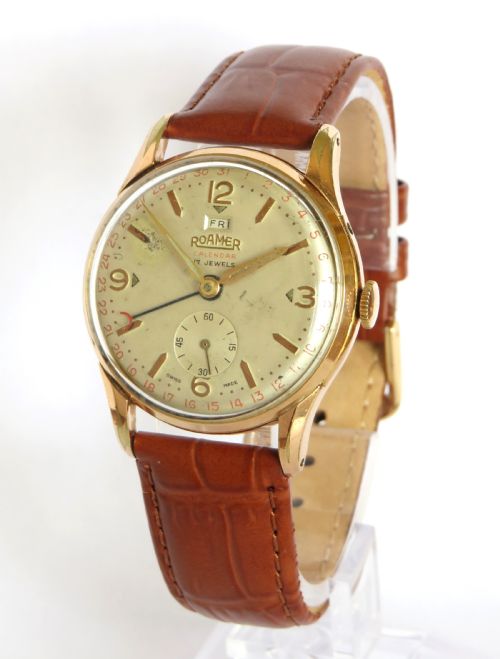
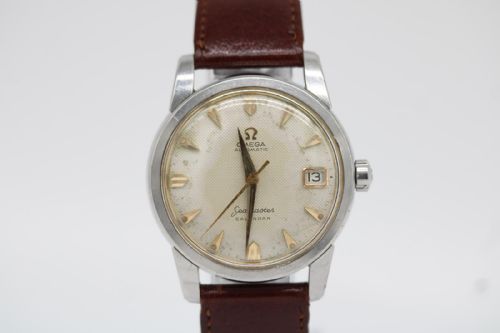
Makers such as Omega, Benrus, and Fludo feature prominently in the historical record and current listings. Omega Seamaster models with calendar functions form a large portion of the available and archived stock.
Materials and construction
Casings utilise stainless steel, gold plate, solid 18ct rose gold, gunmetal, and acrylic or glass crystals. Straps and bands are frequently fashioned from leather to complement the metal case.
Movements rely on mechanical engineering, incorporating automatic winding systems, bumper weights, and specialised Swiss chronograph calibres like the Landeron 80 and Valjoux 72. Dials display honeycomb patterns, enamel work, and subsidiary calendar registers.
The moonphase complication miniature sky disc patiently tracks lunar phases while the wearer sits at a desk worrying about earthly deadlines.
Evaluating quality and execution
The grade of a calendar watch rests upon the complexity of its movement and the preservation of its dial. Triple calendar complications and moonphase displays demand intricate gearing that elevates the status of the piece.
Casing materials also determine the tier of the watch, with solid gold housings sitting above gold-plated or stainless steel variants. Original dial condition, unpolished cases, and documented service histories further distinguish higher-grade examples.
Omega·Hamilton·Roamer·Fludo·Miramar·Benrus·Rodana
The Vintage Calendar Watch Glossary
- Triple calendar
- A watch complication that displays the day of the week, the month, and the date simultaneously, usually via subsidiary dials or windows on the main face.
- Moonphase
- A dial aperture that tracks the cycle of the moon from new moon to full moon and back again.
- Bumper movement
- An early form of automatic winding where the rotor swings back and forth against springs rather than rotating fully through three hundred and sixty degrees.
- Chronograph
- A watch with a stopwatch function alongside the standard timekeeping and calendar displays.
- Calibre
- The specific manufacturer's designation for a particular watch movement design.
Vintage Calendar Watch: Frequently Asked Questions
How do I set the calendar functions?
Most vintage calendar watches use recessed case pushers or specific crown positions to adjust the day and date rings independently. Care must be taken not to change the calendar when the movement's automatic changing mechanism is engaged near midnight.
Consulting the specific movement calibre instructions prevents damage to the delicate internal wheels and gears that drive the date disks.
Are these watches water resistant?
Vintage timepieces from the mid-century and earlier periods do not possess modern water resistance standards. Gaskets degrade over decades, and crown seals allow moisture to enter the movement.
Keeping these watches away from water and humidity preserves the dial enamel, steel springs, and internal calendar mechanisms from rust.
What is a triple date watch?
A triple date watch shows the day, month, and date on the dial without necessarily tracking the phases of the moon. These displays utilise apertures for the day and month alongside a pointer hand or outer track for the date.
Such layouts require precise synchronisation between the primary timekeeping train and the calendar gear train.
How often should a calendar watch be serviced?
Mechanical watches with complicated date and chronograph modules require periodic cleaning and oiling every three to five years. The additional friction from driving calendar discs places extra demand on the mainspring power reserve.
Regular maintenance ensures the oils do not congeal and stall the intricate date-changing cams.