
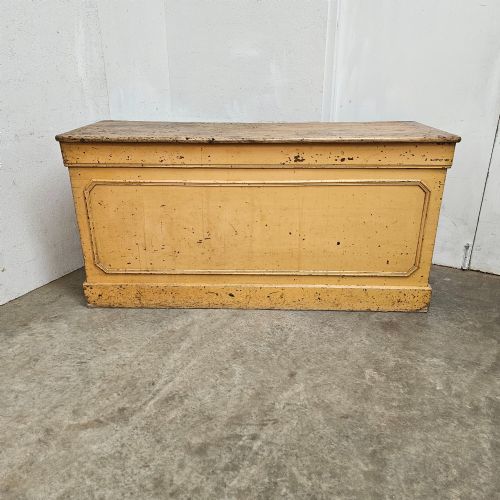
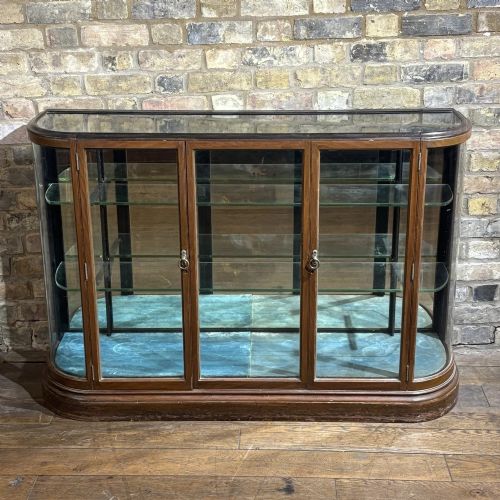


Retail Counter Cabinet
These retail counter cabinet pieces bring tangible commercial history into domestic spaces, offering glazed display and sturdy timber storage.
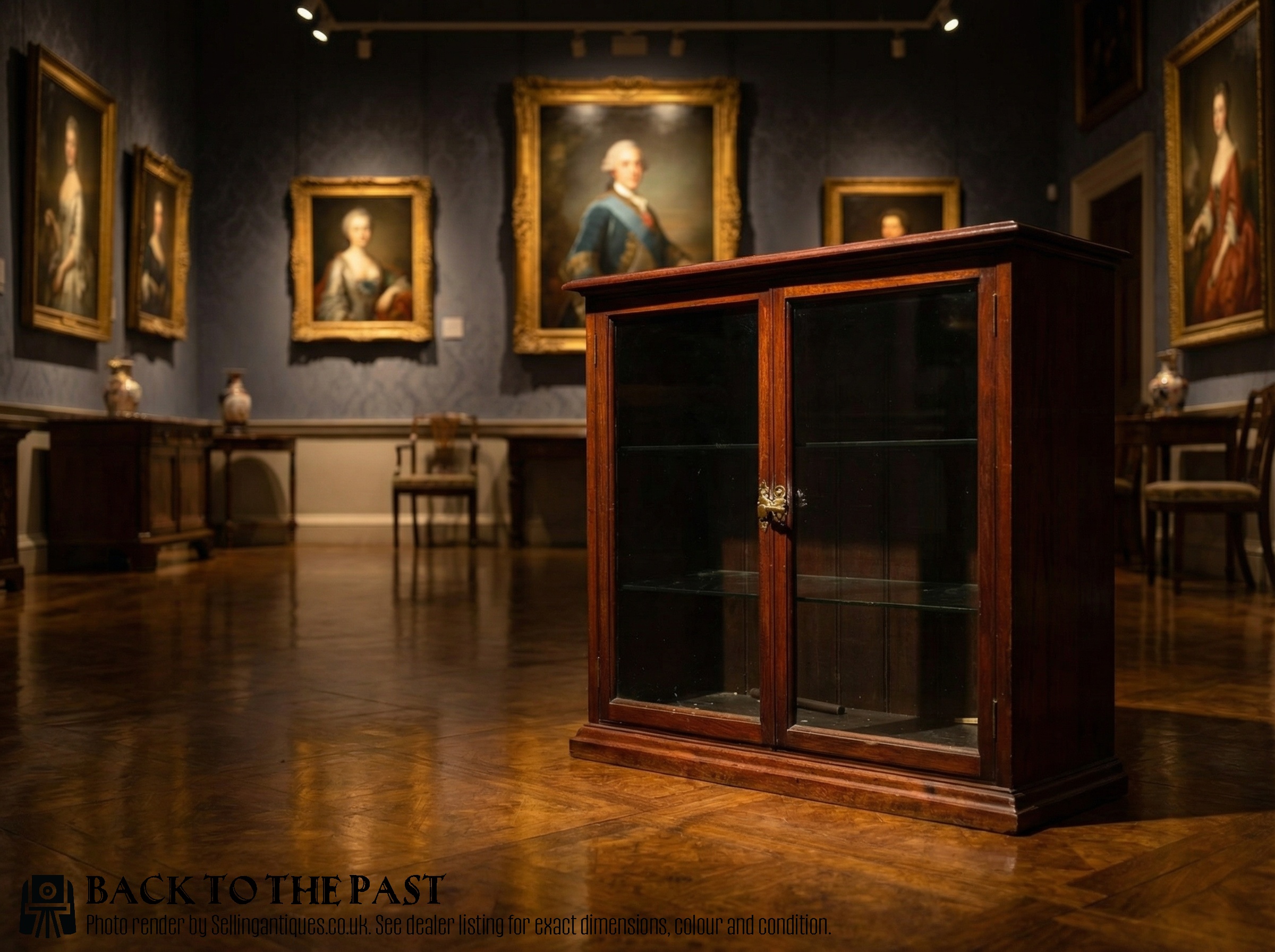
Retail Counter Cabinet
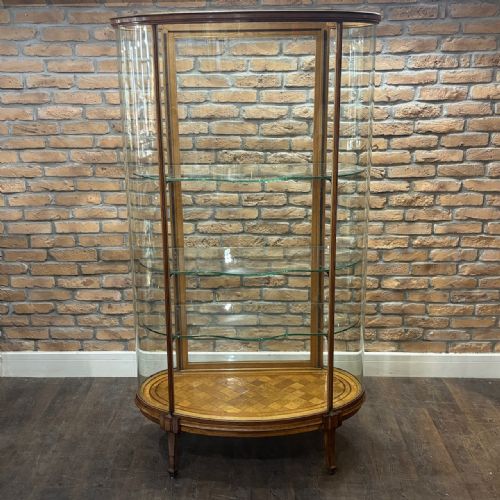
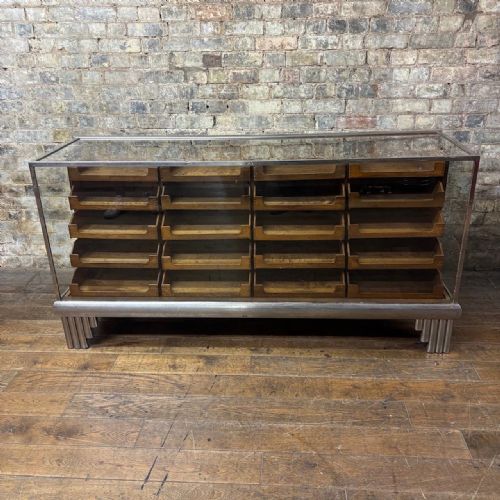
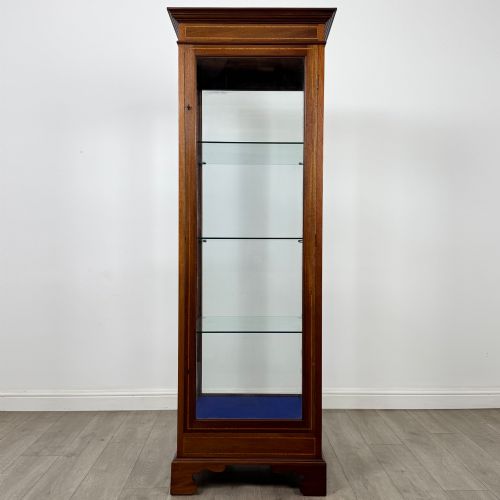
A retail counter cabinet serves as a functional display unit originating from late nineteenth and early twentieth-century commerce. These pieces include low serving counters, tall freestanding showcases, and compact countertop cases designed to hold confectionery, tobacco, and haberdashery.
Most examples found here date from the Victorian, Edwardian, and Art Deco periods, reflecting the commercial expansion of those eras. Makers such as F. Sage and Co. and Dudley and Co. produced specialised shop fittings in oak, mahogany, and pine to showcase retail goods.
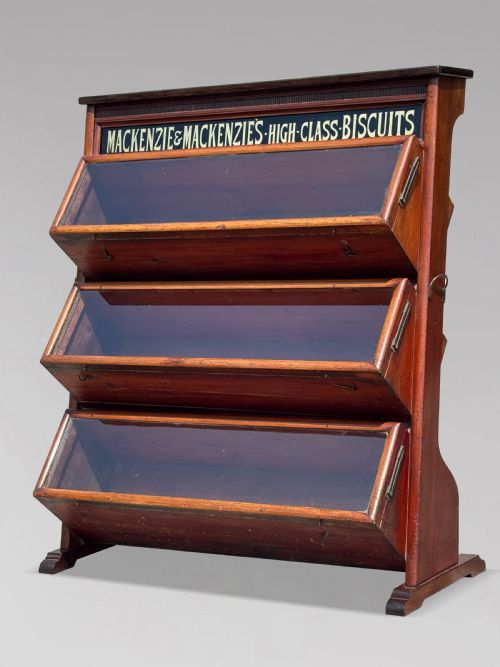
Buyers encounter everything from large multi-drawer apothecary fittings and curved bow-end display units to branded chocolate advertising cabinets. These items bridge utilitarian shop storage and refined interior display.
How They Were Made
Makers relied heavily on dense hardwoods like mahogany and oak for structural frames, alongside pine for internal drawers and backing. Glazing panels allowed maximum light penetration for merchandise, supported occasionally by brass, chrome, or aluminium framing.
Joinery techniques prioritised durability to withstand daily retail use, integrating mirrored interiors to amplify light and display depth. Surface treatments ranged from clear French polish and ebonising to original painted finishes and gold leaf detailing.
The selection spans from eighteen seventy to nineteen thirty, incorporating oak, mahogany, pine, and aluminum materials.
What Varies In Quality
Construction methods distinguish standard utility counters from bespoke architectural shop fittings produced by established makers. The presence of unaltered timber patination and genuine period surfaces dictates the distinction between ordinary utility items and exceptional survivals.
F. Sage and Co.·Dudley and Co.·John Stow Ltd of Bradford·Saml. Elliott and Sons
The Retail Counter Cabinet Glossary
- Bow-end
- A cabinet featuring curved glass panes at the extremities, designed to offer panoramic visibility of goods from multiple angles in a shop.
- Haberdashery counter
- A wide display fixture containing numerous shallow drawers, originally utilised for storing ribbons, threads, and small sewing goods.
- Countertop display cabinet
- A smaller, portable showcase designed to sit directly on top of a larger shop counter for eye-level customer browsing.
- Ebonised
- Timber treated with a chemical stain or finish to imitate the dense, dark appearance of ebony wood.
- Apothecary cabinet
- A specialist storage unit featuring multiple small drawers or compartments created for dispensing medicines and dry goods.
Retail Counter Cabinet: Frequently Asked Questions
How were retail counter cabinets used originally?
Shopkeepers placed these cabinets on sales counters or floors to protect delicate goods while keeping them visible to customers. They held items ranging from confectionery and cigars to apothecary supplies and sewing materials.
Merchants utilised the glass viewing areas for impulse purchases while storing backup stock in internal drawers or shelving beneath the display surface.
Where do these cabinets fit in a home?
Countertop models sit comfortably on sideboards or kitchen islands to display collections, glassware, or ceramics behind glass panels. Larger freestanding units function as principal display cases in living spaces or dining rooms.
Haberdashery counters with multiple drawers provide practical storage for everyday items while serving as functional console or island surfaces.
How do I identify an Edwardian cabinet?
Edwardian pieces generally date from the period between nineteen hundred and nineteen ten, typically constructed in light oak or mahogany. They often feature clean architectural lines influenced by late Victorian functionalism combined with simpler decorative restraint.
Maker stamps from firms operating during this specific decade offer reliable confirmation of period origin alongside characteristic brass hardware.
Are painted finishes on shop counters original?
Many commercial counters received utilitarian coats of paint to withstand heavy shop environments, and original paint layers often show genuine wear and patination. Traces of early signwriting or layered pigments indicate historical use within specific retail trades.
Close inspection under magnification helps determine whether a painted surface is an authentic period application or a later decorative update.