


Restoration Period Painting
Restoration period painting captures the aristocratic gaze and fluid drapery of late seventeenth-century society through master oil portraits.
Restoration Period Painting
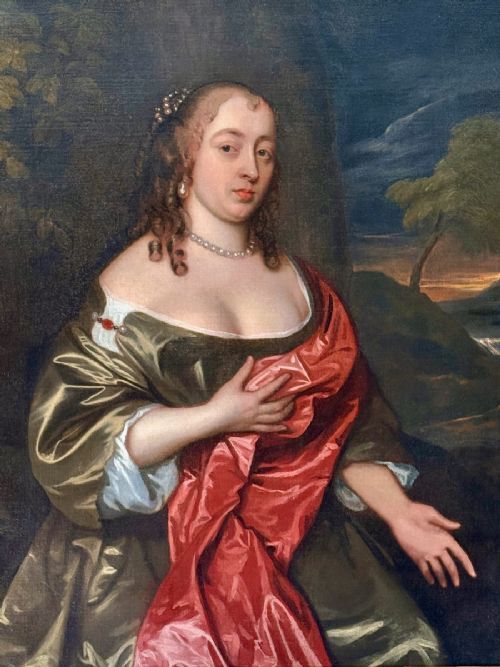
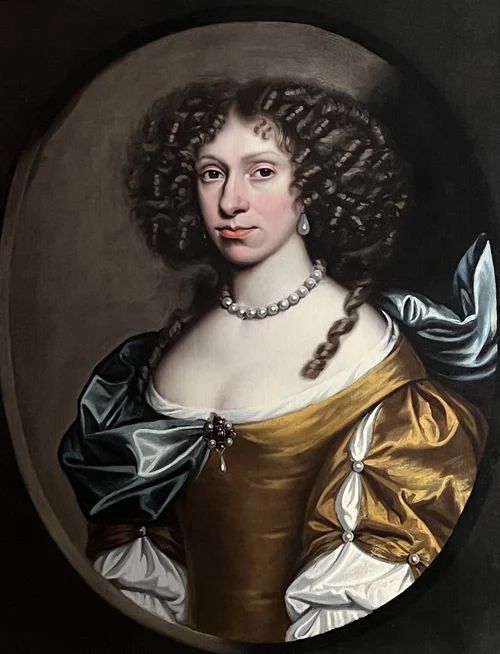
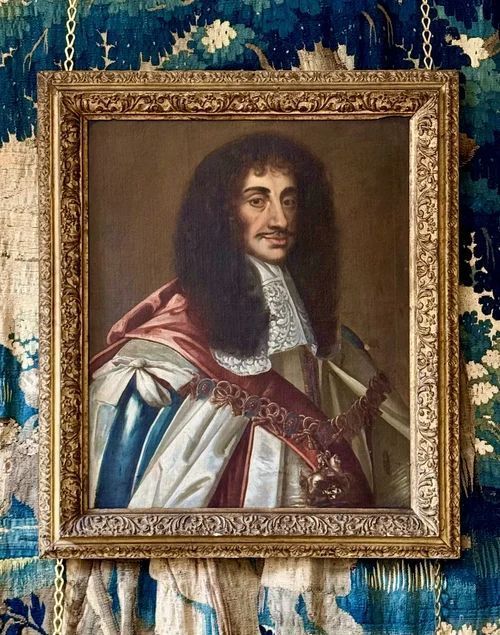
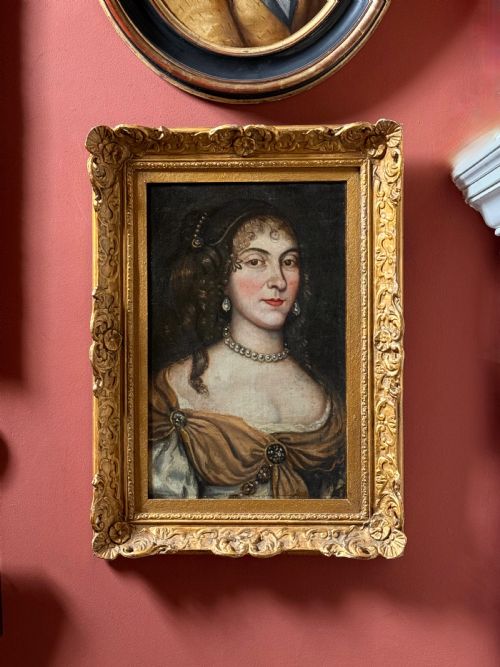
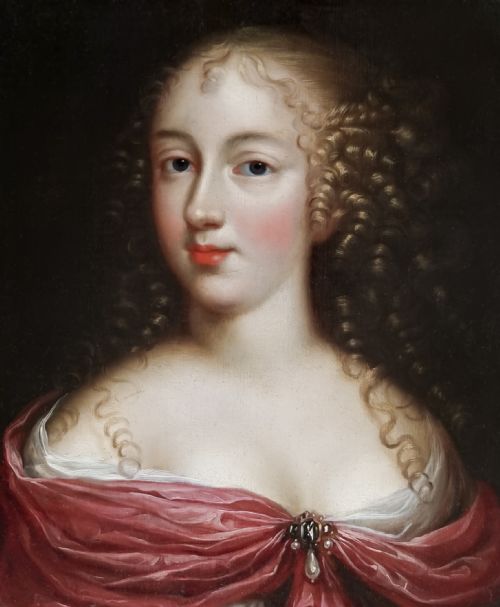
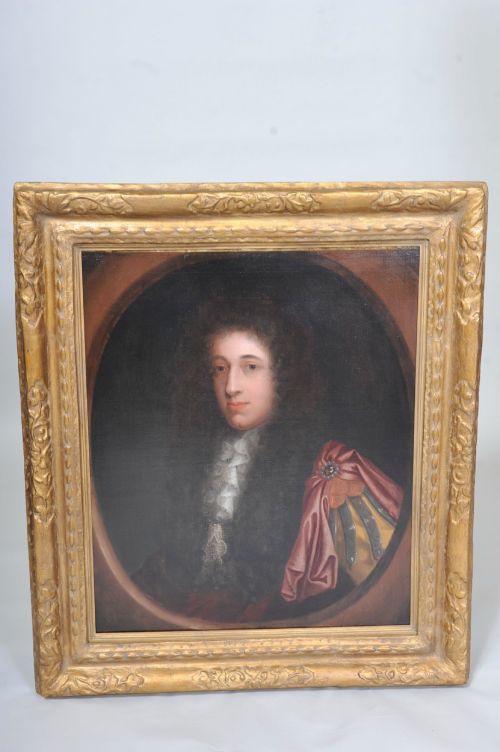
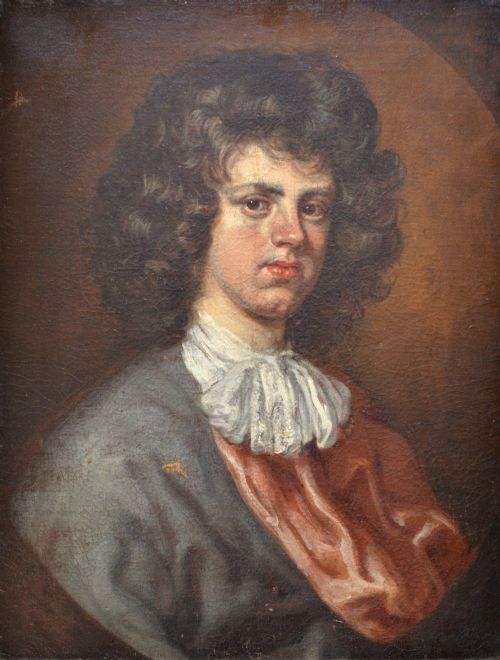
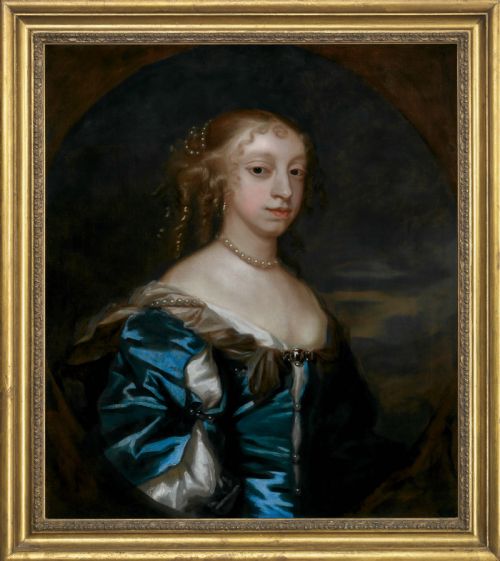
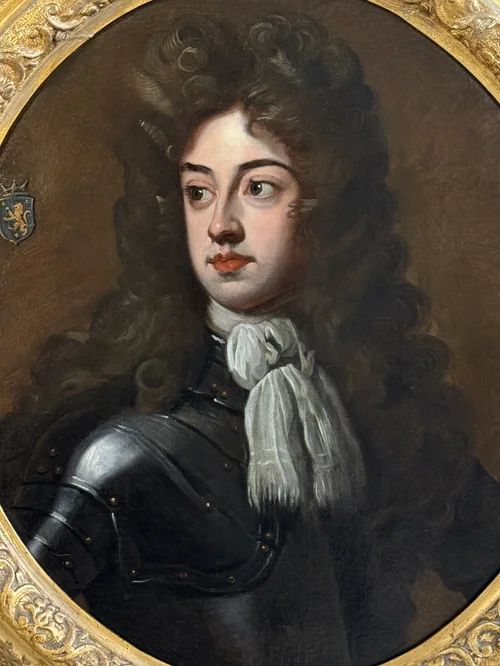
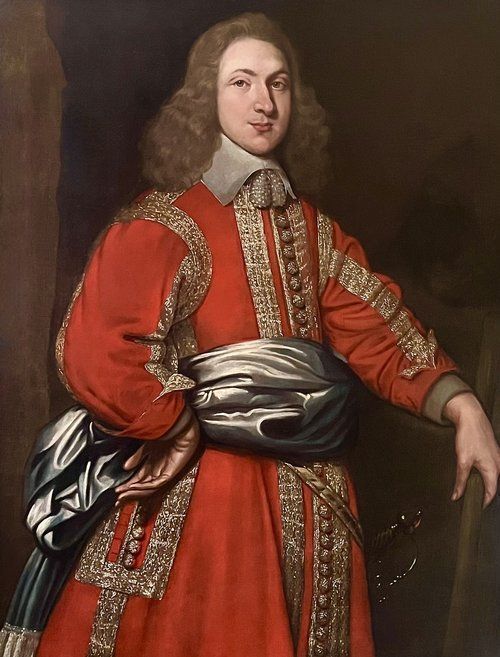
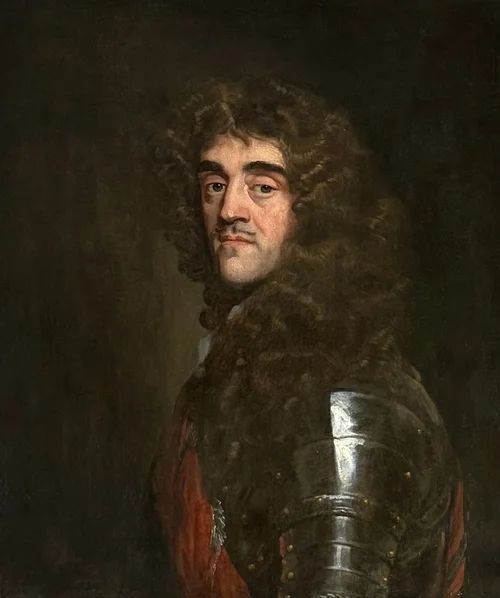
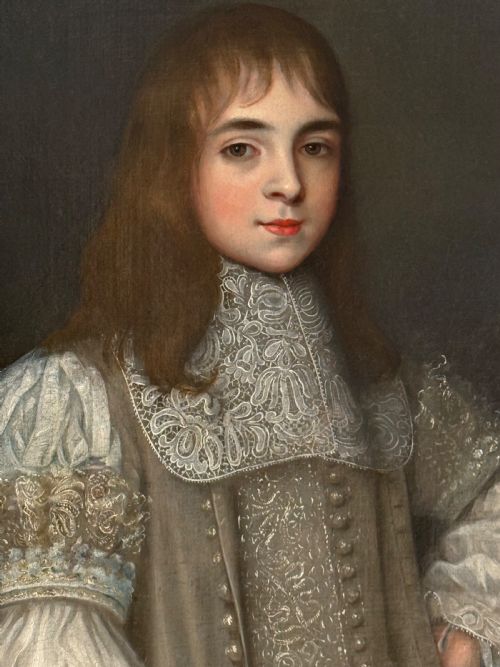
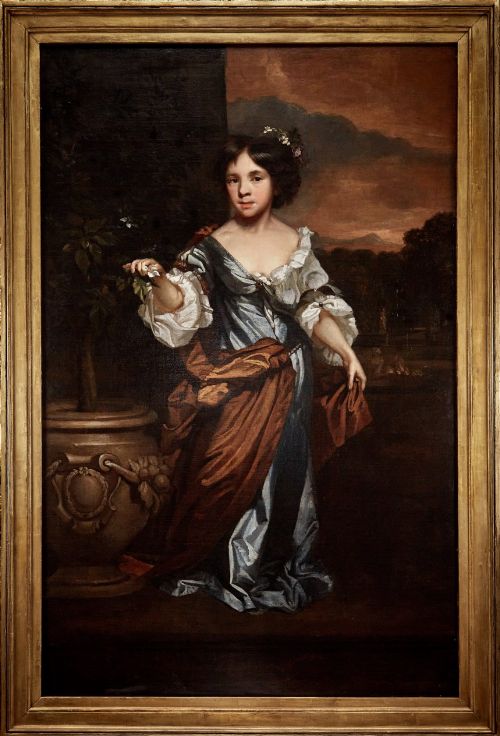
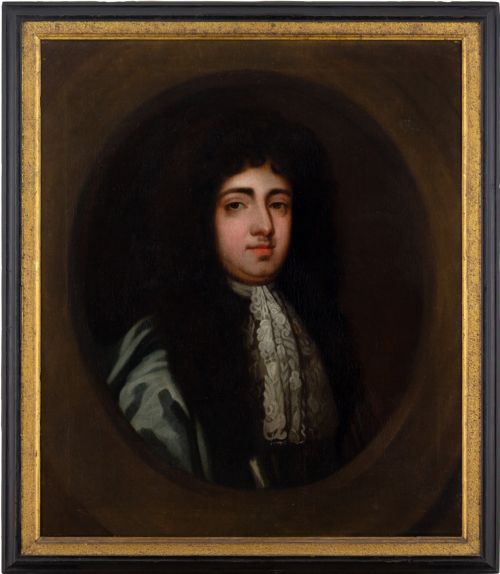
A restoration period painting typically portrays noblemen, ladies, and military officers rendered during the reigns of Charles II, James II, and William and Mary. These works function primarily as formal likenesses, capturing sitters in elaborate costume, armour, or pastoral settings.
Most examples found in this category belong to the seventeenth century, frequently executed in oil on canvas by prominent British and Anglo-Dutch workshops. Portraiture dominates the selection, ranging from intimate bust-length studies to grand full-length compositions.
Collectors encounter works attributed to major court painters or their circles, depicting identifiable historical figures alongside anonymous members of the gentry. The predominant styles reflect Baroque grandeur adapted to English tastes through rich pigments and dramatic lighting.
Materials and Technique
Artists painted primarily with oil pigments applied to woven canvas supports, occasionally utilising wood panels for smaller or earlier formats. Layers of translucent glazes built up skin tones and fabric textures, giving depth to silks, velvets, and steel armour.
Frames contemporary to the period typically feature carved giltwood or gold leaf ornamentation, enhancing the visual weight of the canvas. The preparation of the ground involved applying gesso or sizing to seal the fabric before the initial drawing and underpainting commenced.
Listings feature oil on canvas formats from the seventeenth century, created within English, Dutch, and French artistic traditions.
Assessing Quality and Execution
Condition plays a significant role in preservation, particularly regarding historical relining, craquelure, and areas of retouching. Surviving original pigment integrity and untouched varnish layers elevate the historical and visual importance of any canvas.
John Hayls·David Scougall·Sir Peter Lely·Pierre Mignard·Mary Beale·Sir Godfrey Kneller·John Greenhill·John Michael Wright·John Riley·John Closterman·Johann Kerseboom·Jacob Huysmans·Willem Wissing·Samuel Cooper·Arnold van Boonen·Adriaen Hanneman
The Restoration Period Painting Glossary
- Baroque
- A European artistic style characterised by dynamic movement, deep rich colour, and dramatic contrasts between light and dark. It heavily influenced court portraiture during the latter half of the seventeenth century.
- Carolean
- Pertaining to the reign of King Charles II, spanning from 1660 to 1685. This designation frequently describes furniture and paintings associated with the stylistic preferences of that era.
- Giltwood
- Wood that has been coated with a thin layer of gold leaf or gold paint. Frames constructed in this manner often complement the opulent aesthetic of Restoration canvas works.
- Craquelure
- The fine network of cracking formed in the paint or varnish layer as it ages over centuries. It serves as a natural indicator of age and material stability in antique oils.
- Relining
- A conservation process where a deteriorated original canvas is adhered to a new support fabric for structural stability. This method is common among seventeenth-century works to prevent further degradation.
Restoration Period Painting: Frequently Asked Questions
How can I identify a restoration period painting?
Look for stylistic markers such as long flowing wigs, satin drapery, laced cravats, and formal postures typical of the late seventeenth century. Sitters are frequently identified by contemporary inscriptions or recorded provenance linking them to the Stuart court.
Examination of the canvas weave, stretcher frames, and pigment composition can also provide confirmation of the seventeenth-century origin.
Were these portraits painted from life?
Primary portraits were executed with the sitter posing in the artist's studio over several sessions, focusing particularly on capturing an accurate likeness of the face. Hands and elaborate clothing were often painted later by studio assistants using professional lay figures.
When sitters were unavailable, artists relied on existing sketches or earlier portraits to complete posthumous or commissioned replicas.
How should I care for an antique oil painting?
Maintain stable environmental conditions with moderate humidity and away from direct sunlight to prevent the canvas from warping or the paint from fading. Avoid touching the painted surface, as natural skin oils can damage delicate glazes.
Dust the frame and canvas gently with a soft, dry brush and consult a professional conservator if cleaning or restoration work becomes necessary.
What does circle of an artist mean?
This attribution indicates that a work was produced by an unidentified painter working closely within the immediate style, workshop, or sphere of a master. These pieces share technical methods and aesthetic qualities with the named artist without being documented primary works.
Such paintings offer an authentic period alternative to direct studio output while maintaining high standards of execution.