


Restoration Era Wall Art
Restoration era wall art consists of oil paintings and carved wood panels from the seventeenth century that capture the distinct portraiture and craftsmanship of the period.
Restoration Era Wall Art
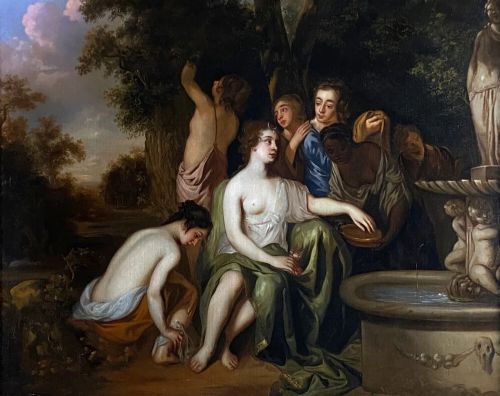
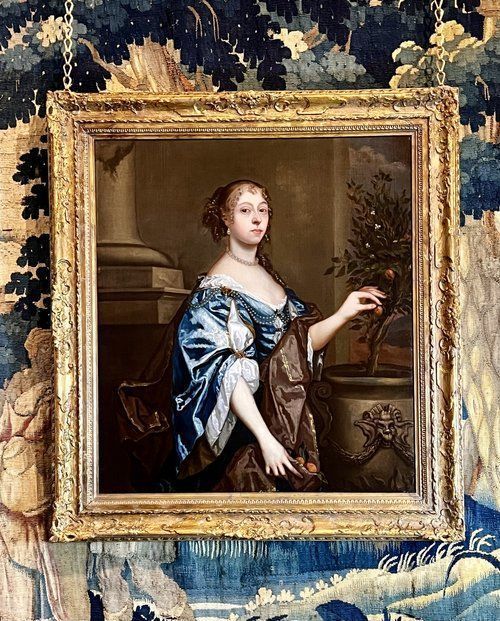
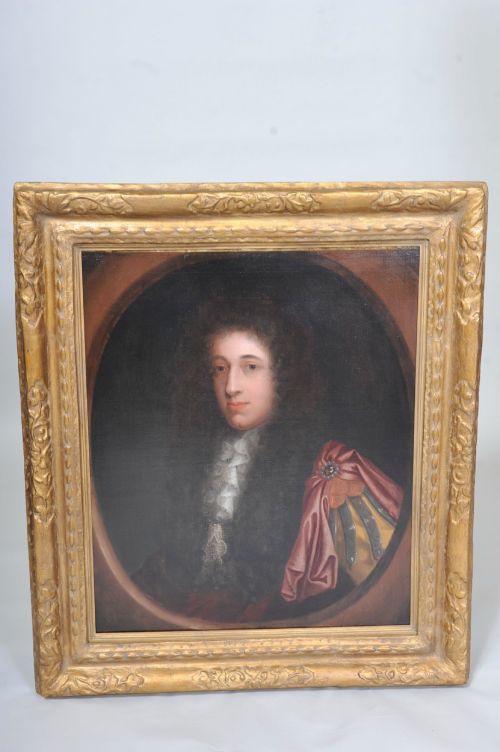
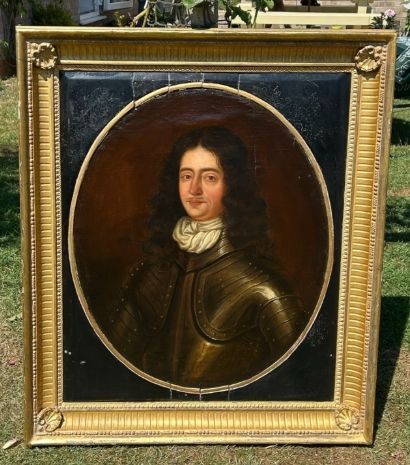
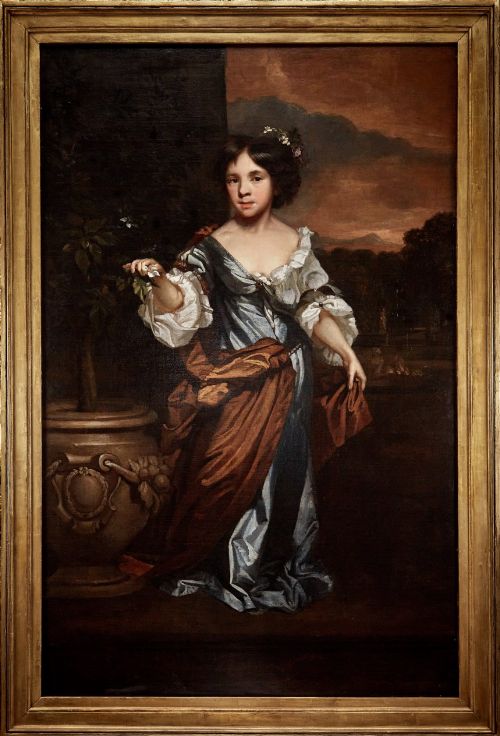
Restoration era wall art brings together seventeenth century oil paintings on canvas and heavy carved wood panels. These works capture the likenesses of nobility, gentlemen, and ladies alongside classical mythological scenes.
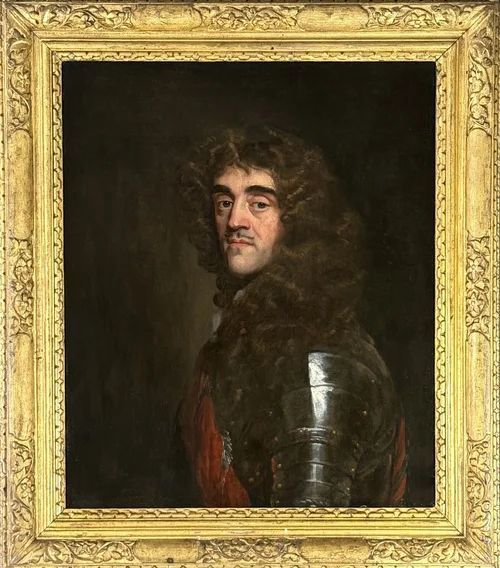
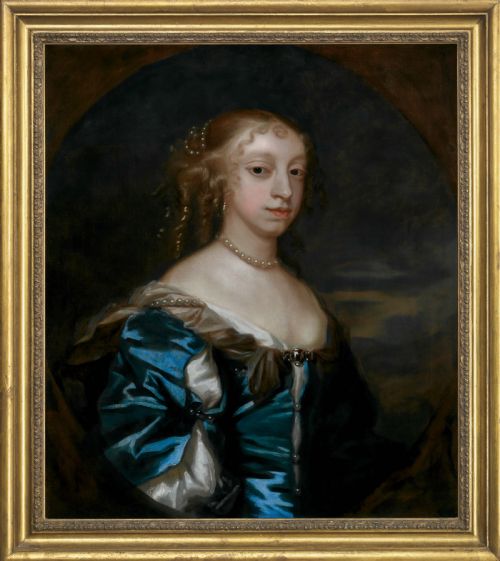
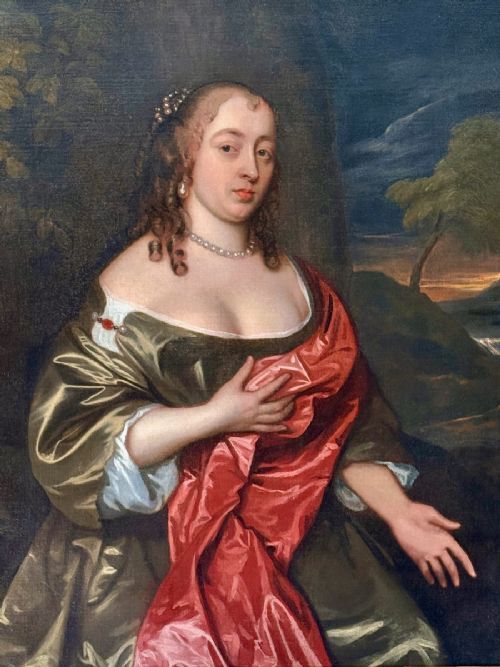
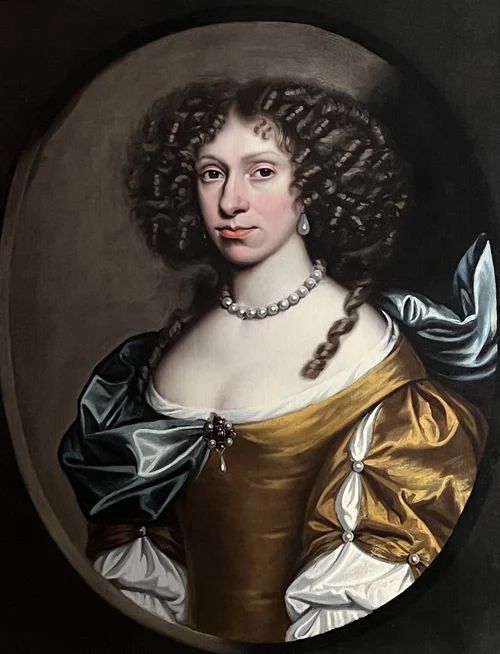
Buyers meet sixteenth and seventeenth century English and Dutch baroque works on this page. Portraits dominate the selection, often attributed to notable court circles or specific painters of the era.
Framed art and architectural salvage make up the physical forms available. Pieces range from intimate bust lengths to large panels intended for historic interiors.
How they were made
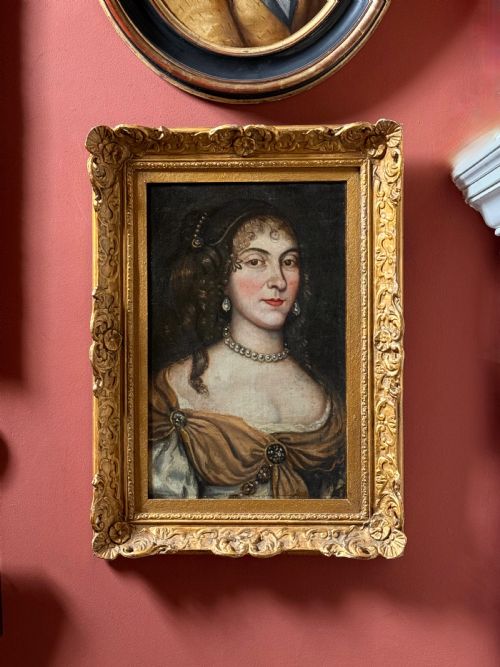
Painters utilised oil paint on stretched canvas to build deep, rich tones in their portraits and narrative scenes. Canvases are frequently housed in heavy gilt wood and gold leaf frames that reflect the decorative tastes of the period.
Carved wooden architectural elements rely on hand carving techniques executed in solid oak. Master craftsmen shaped these panels with detailed figures, cherubs, and armorial motifs for prominent placement in domestic interiors.
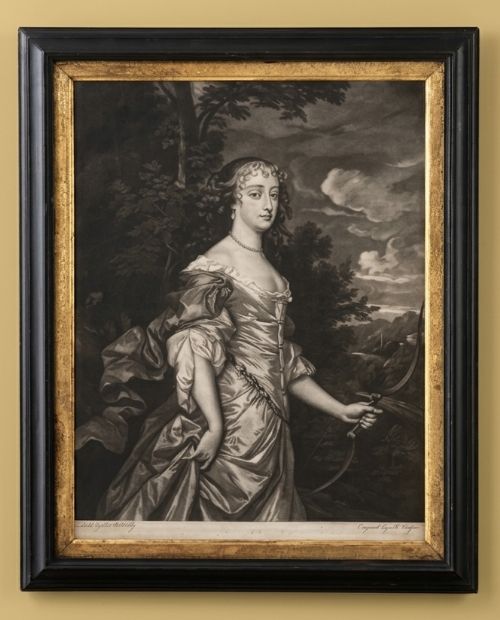
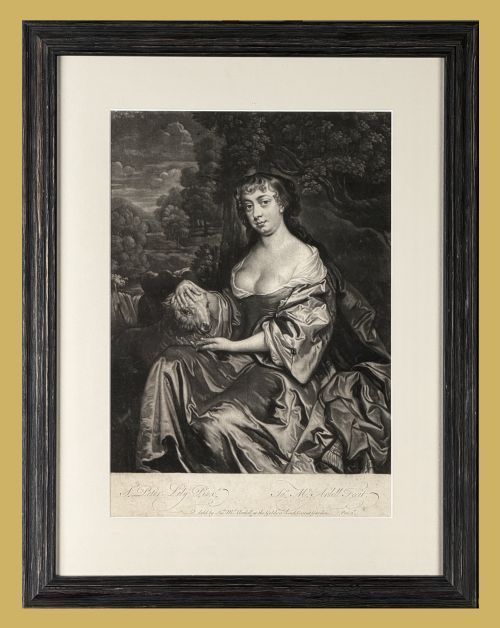
Listings span the seventeenth and nineteenth centuries, featuring oil on canvas paintings, mezzotints, and carved oak architectural panels.
What varies in quality
The standard of execution in portraiture separates studio masterworks from provincial follower pieces. Finer paintings display subtle handling of textiles like satin and lace, alongside more lifelike facial modelling.
Carved woodwork varies according to the depth and sharpness of the relief work. Superior carved panels show confident undercut details in figures and foliage rather than flat or purely mechanical execution.
John Hayls·David Scougall·Sir Peter Lely·Pieter Borsseler·James Macardell·John Riley·John Closterman·John Greenhill·Edward Pearce·Jacob Huysmans·Arnold van Boonen·William Wissing
The Restoration Era Wall Art Glossary
- Baroque
- A style of European architecture, music, and art of the seventeenth and eighteenth centuries that followed Mannerism and is characterised by ornate detail. In these listings, it defines dramatic portraiture and dynamic compositions.
- Mezzotint
- A printmaking process of the print intaglio family, done on copper, in which the plate is worked with a rocker to produce a dark background from which the lighter areas are scraped. This technique allows for subtle tonal gradations.
- Giltwood
- Wood that has been treated with gold leaf or gilding powder. Frames utilising this finish provide a bright, reflective border to dark oil paintings.
- Architectural salvage
- Building materials rescued from demolition or remodeling to be reused. The category includes carved oak staircase panels and timber elements intended for interior decoration.
- Circle of
- An art historical term indicating a work produced by an unidentified artist working closely with a master and strongly influenced by their style.
Restoration Era Wall Art: Frequently Asked Questions
What subjects appear in restoration era wall art?
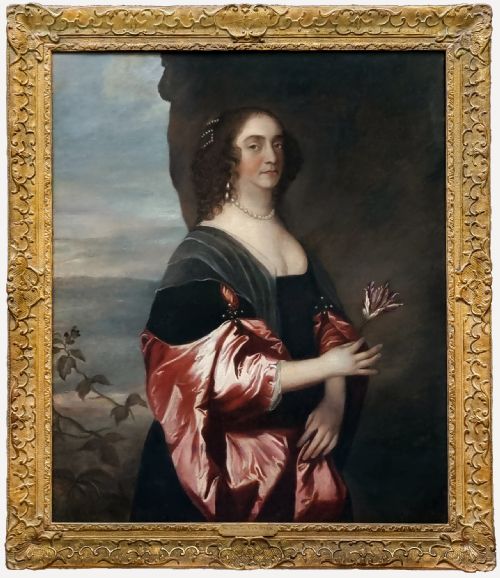
Paintings from this era focus heavily on portraits of nobility, gentlemen, and ladies, often set in landscapes or classical terraces. Mythological subjects also appear alongside carved armorial panels.
These depictions reflect the social standing and cultural interests of the seventeenth century elite.
How do you identify a restoration era portrait?
Identification relies on costume details, hairstyles, and painting techniques characteristic of the seventeenth century. Sitters often wear characteristic dress such as black dresses with red satin sleeves or elaborate lace collars.
Attributions to specific artists or circles further help date and contextualise individual works.
Where were carved wood panels displayed?
Carved oak panels functioned as integral architectural elements within grand seventeenth century staircases and panelled rooms. They displayed heraldic arms and figurative carvings to project family status.
Today, these architectural elements serve as standalone wall art within historic or modern interiors.
How should I frame an antique oil painting?
Period oil paintings are typically housed in heavy gilt wood or gold leaf frames that complement the dark tones of the canvas. Selecting a frame appropriate to the seventeenth century enhances the historical context of the artwork.
Proper framing also protects the canvas edges and provides structural support.