

Antique Oil Wall Artwork
Antique oil wall artwork brings historical depth and painterly texture into domestic spaces through centuries of framed canvases and panels.
Antique Oil Wall Artwork
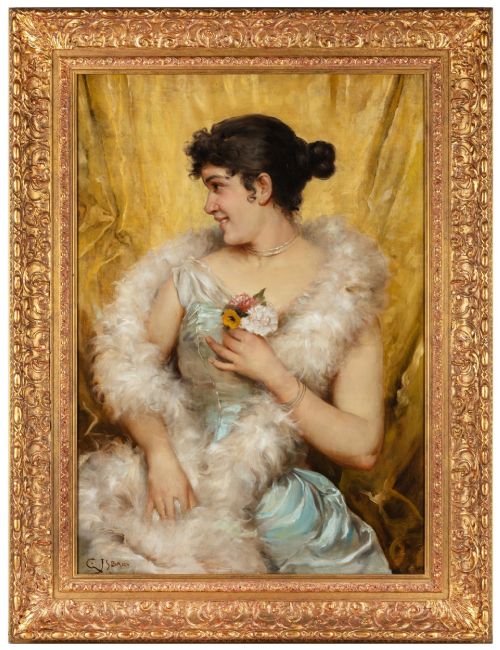
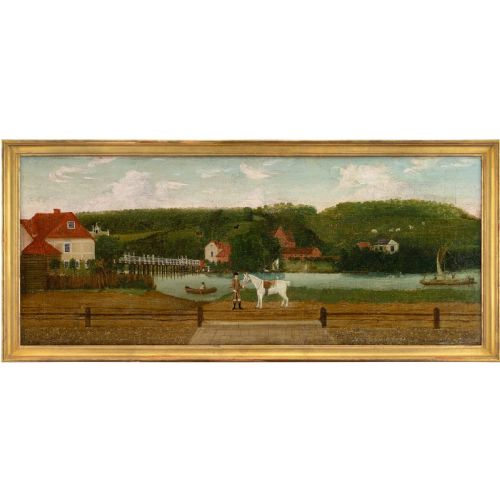
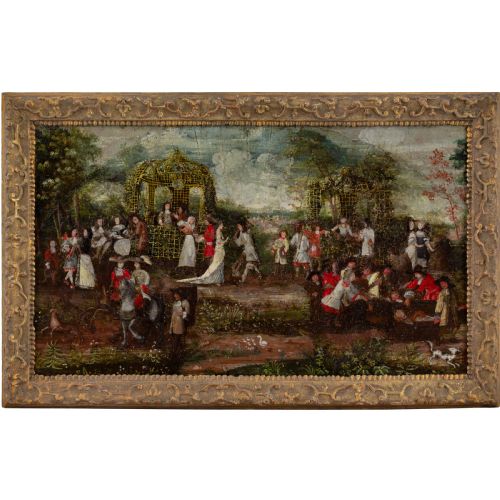
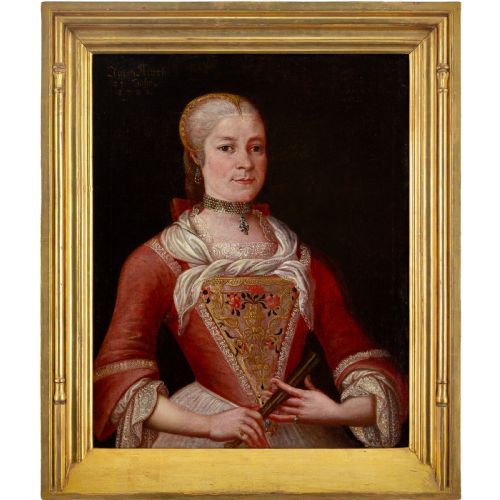
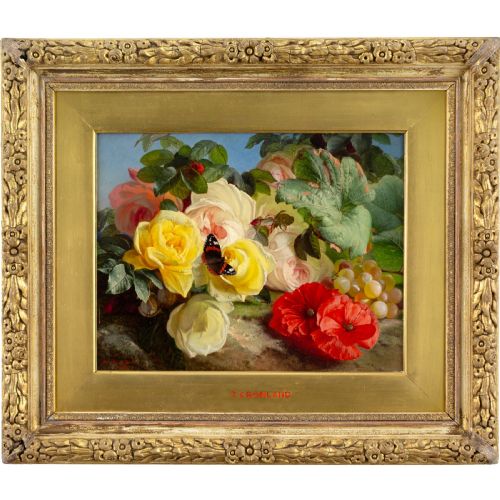
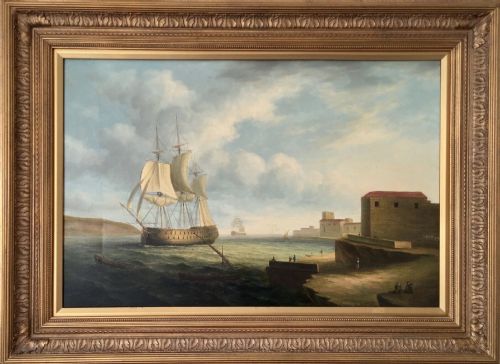
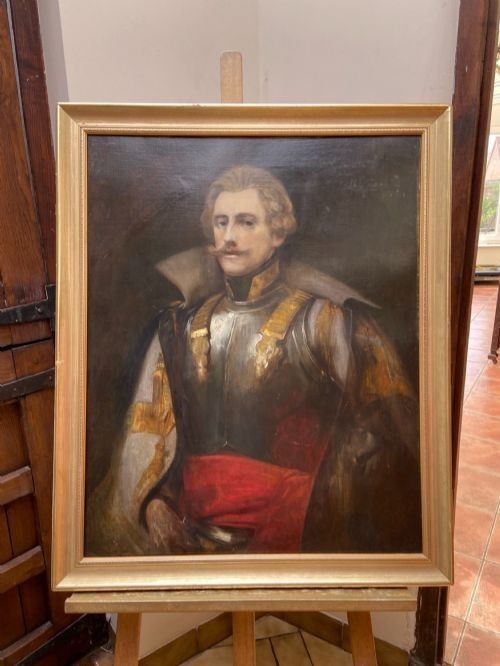
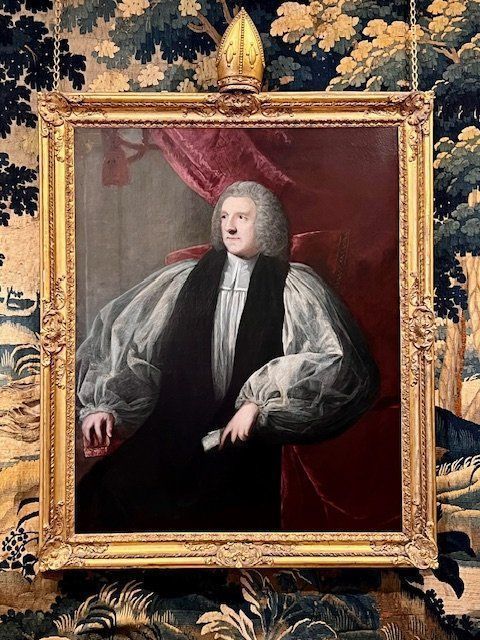
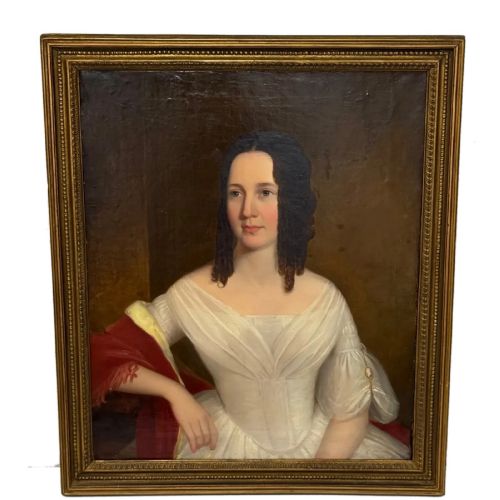
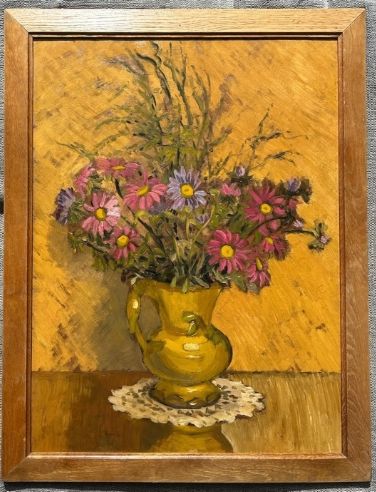
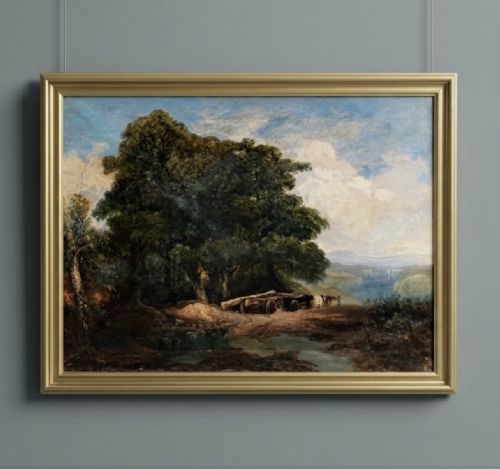
When searching for antique oil wall artwork, collectors encounter a diverse range of painted canvases, wood panels, and framed compositions spanning multiple centuries. The selection includes formal portraiture, pastoral landscapes, marine scenes, and still life compositions created by various European schools.
The pieces available on this page most commonly date from the nineteenth century, though earlier seventeenth and eighteenth-century examples appear alongside early twentieth-century works. These paintings range from intimate cabinet pieces to large-scale gallery canvases designed for prominent interior placement.
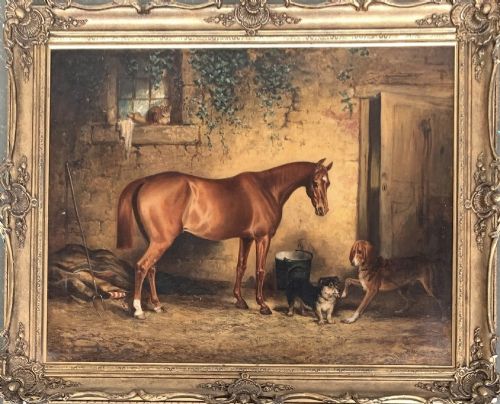
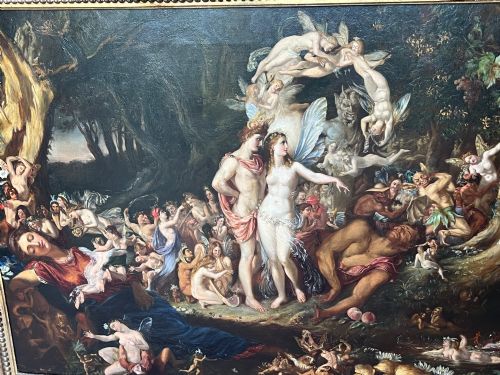
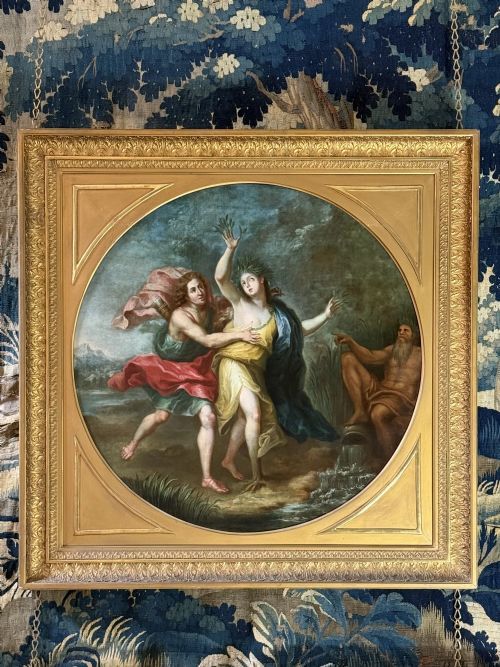
Subjects vary widely from equine portraits and coastal views to mythological narratives and devotional scenes. Buyers select these works to anchor a room with period character and traditional artistic execution.
Materials and Techniques
These works rely primarily on oil paint applied to stretched canvas or prepared wood panels, utilising the slow-drying properties of oils to build rich colour depth. Artists layered pigments to achieve subtle tonal gradations, dramatic light effects, and textured impasto surfaces.
The inventory includes diverse artistic traditions such as Dutch Golden Age still lifes, French Rococo scenes, and British landscape paintings.
Evaluating Quality in Painted Works
Quality in these paintings rests upon the draughtsmanship, brushwork control, and compositional balance demonstrated by the artist. Superior pieces reveal confident handling of light and anatomy, whereas lesser works display rigid lines and flat application.
The preservation of the original paint layer and the condition of the canvas or wood support influence the long-term integrity of the artwork. Surviving period frames constructed from carved giltwood also contribute significantly to the overall standing of a piece.
Henry Barraud·Charles Antoine Coypel·Sir Joshua Reynolds·David Scougall·Sir Peter Lely
The Antique Oil Wall Artwork Glossary
- Canvas
- A heavy woven fabric stretched across a wooden frame to serve as a support for oil paintings. Linen and cotton duck are the traditional textiles utilised.
- Impasto
- Paint applied in thick layers that stand out distinctly from the surface. This technique preserves visible brush marks and adds tactile dimension.
- Panel
- A flat piece of wood used as a rigid support for painting before canvas became dominant. Oak and mahogany were frequently selected for this purpose.
- Provenance
- The documented history of ownership associated with an artwork. Clear records help establish authenticity and past exhibition history.
Antique Oil Wall Artwork: Frequently Asked Questions
How do I hang a heavy oil painting?
Secure fixings into wall studs or utilise appropriate heavy-duty wall anchors rated for the weight of the frame and canvas. Wire should be checked regularly for strength.
Position the artwork away from direct sunlight and heat sources to protect the canvas and wood. Stable environmental conditions prevent warping and cracking.
How can I tell the age of the canvas?
Examine the reverse of the canvas for the tight weave, texture, and coloration typical of older textiles. Hand-built stretchers with wedge keys also indicate earlier manufacturing methods.
Stamps, stencil marks, or labels from nineteenth-century colourmen provide reliable clues to dating. Professional analysis can confirm the age of the underlying materials.
What is the difference between canvas and panel?
Canvas offers a flexible woven support that responds to atmospheric changes through a stretched wooden frame. Wood panels provide a rigid, solid foundation that prevents the flexing associated with textiles.
Panels frequently appear in earlier centuries and Dutch works, while canvas gained broader popularity later. Both require careful humidity control to prevent degradation.