

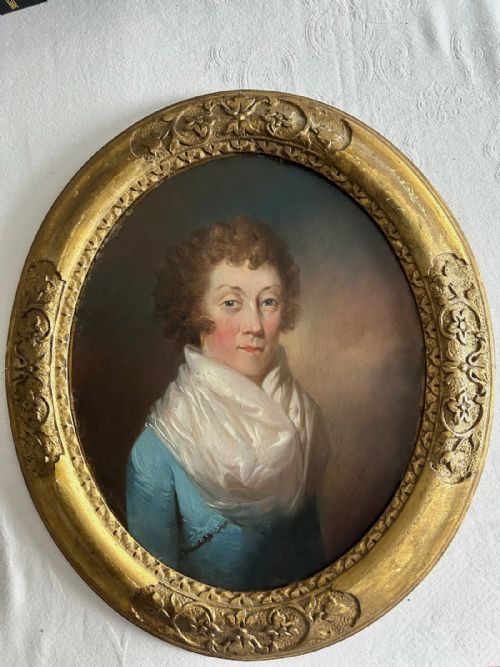
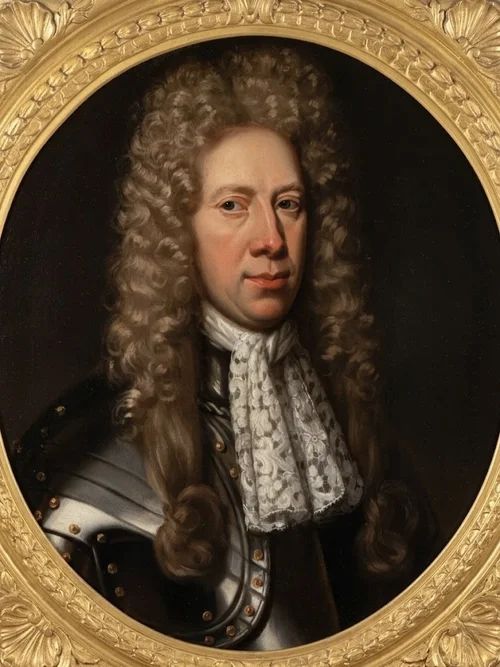
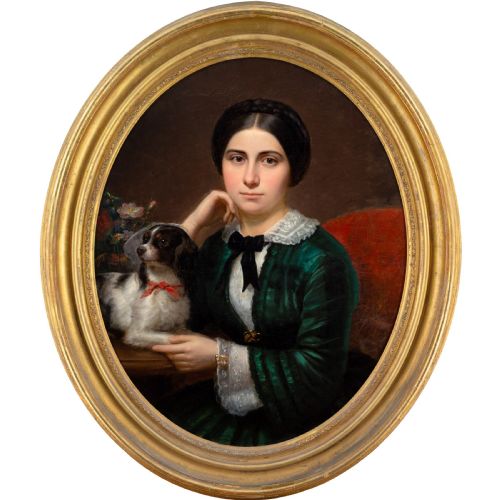
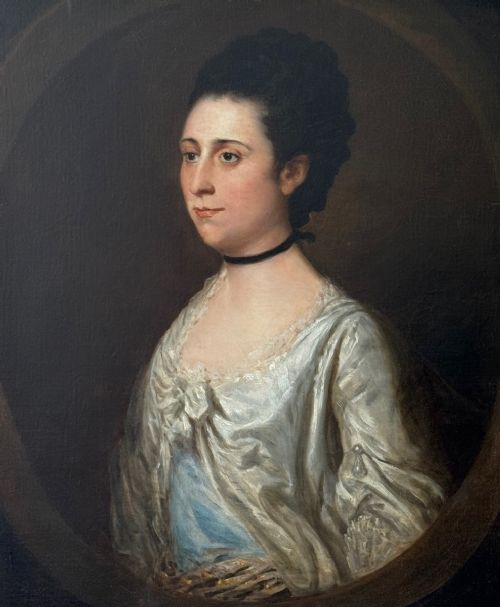
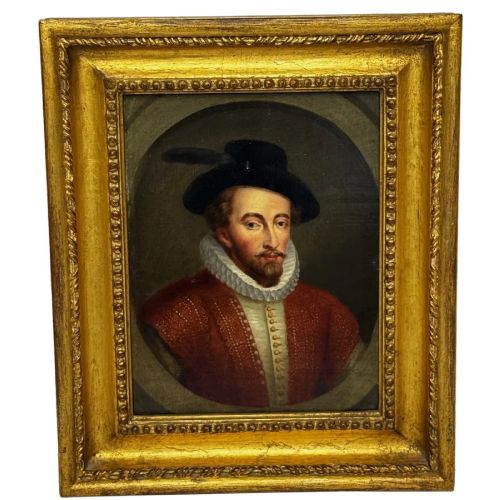
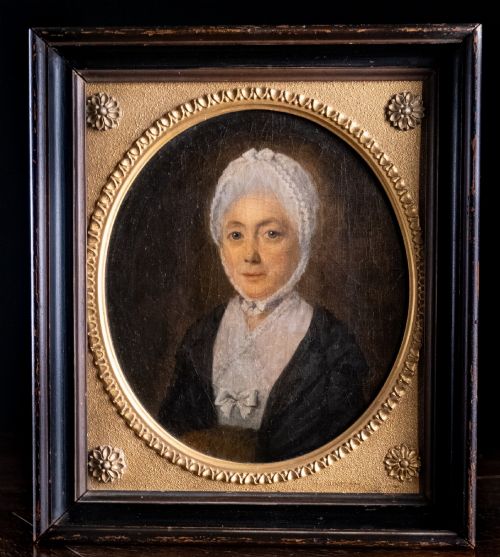
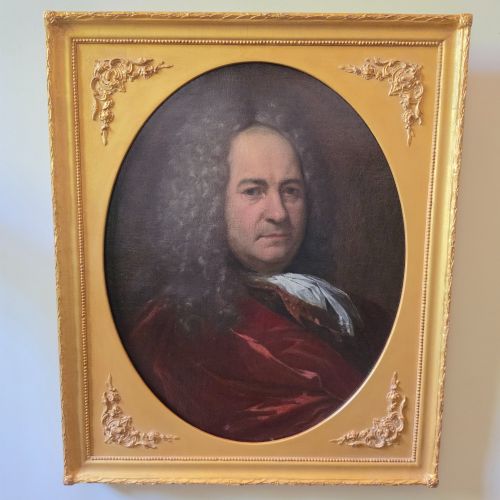
Oval Portrait on Canvas
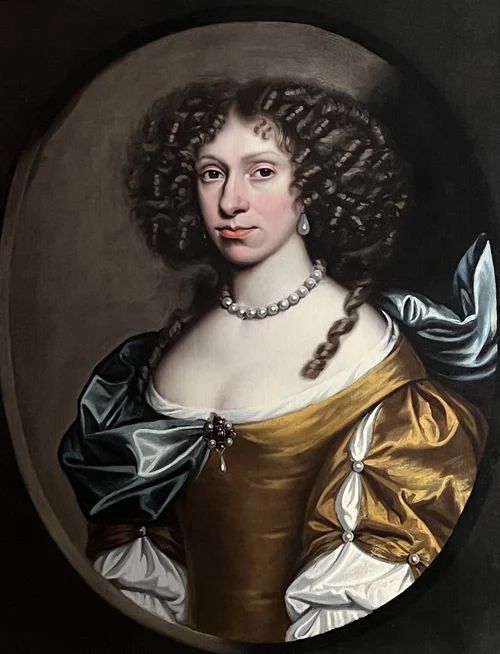
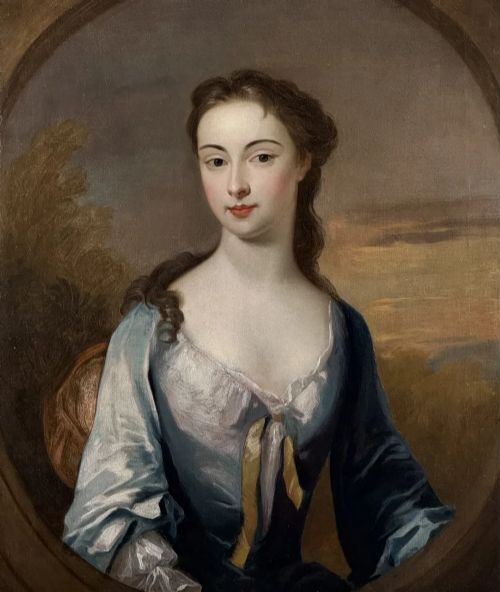
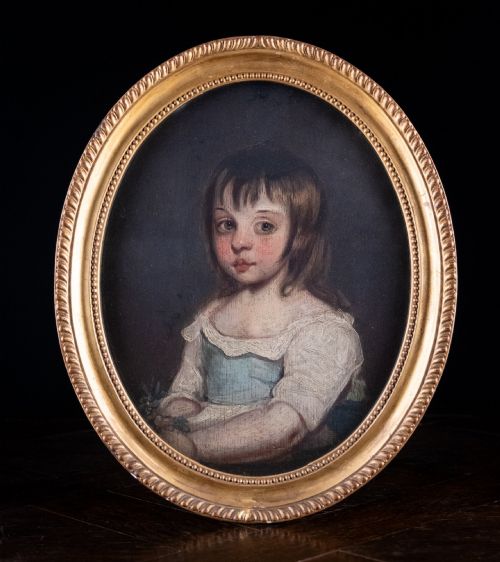
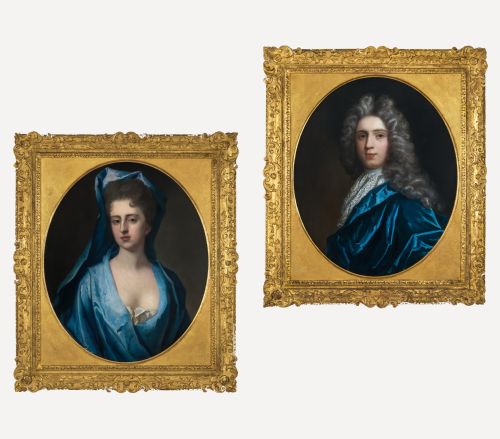
An oval portrait on canvas captures historical sitters within curved frames, offering an intimate glimpse into past centuries through enduring oil painting techniques.
Oval Portrait on Canvas
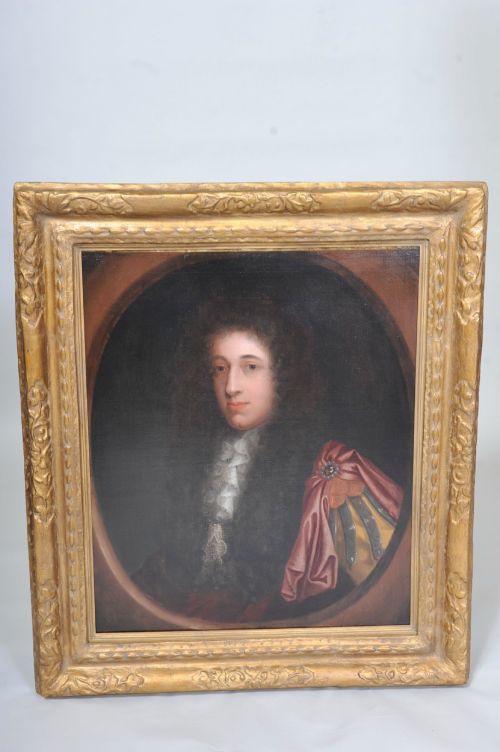
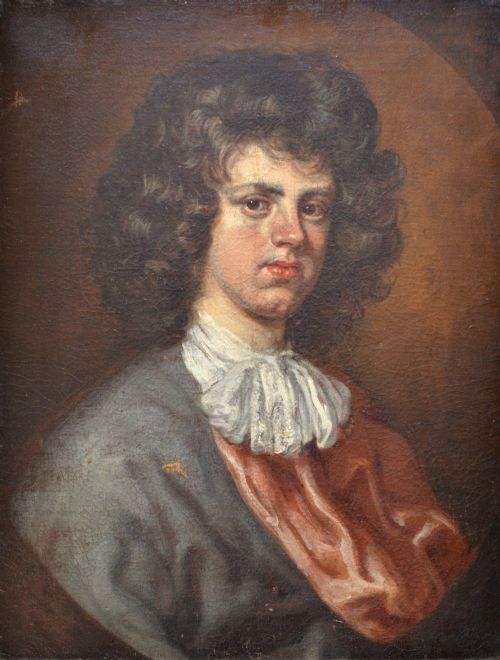
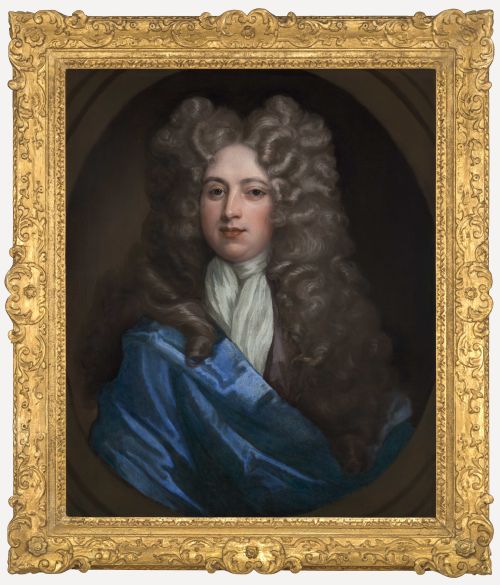
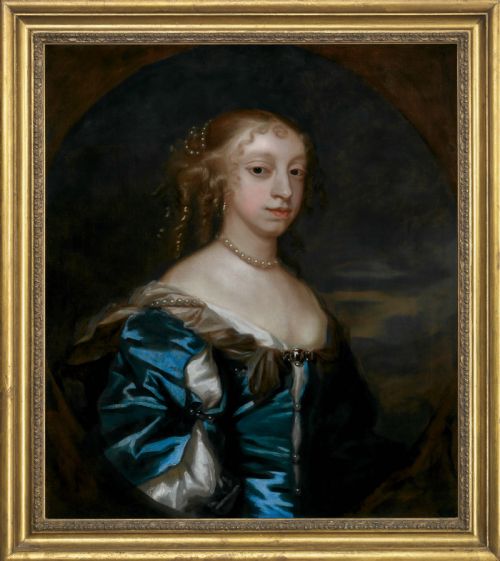
When searching for an oval portrait on canvas, a buyer discovers historic depictions of individuals ranging from the seventeenth century through the Victorian era. These artworks frequently present sitters in bust or half-length formats, tailored to fit curved wooden surrounds.
The pieces on this page originate from various European schools, including English, Scottish, French, and German makers. Subjects span nobility, children, gentlemen in periwigs, and ladies in period dress.
Works appear from the Georgian, Regency, and Baroque periods, demonstrating the enduring popularity of the oval format for portraiture. Collectors encounter both named sitters with recorded genealogies and anonymous subjects preserved by anonymous hands.
Materials and Construction
These works rely on oil paint applied to woven canvas stretched over wooden supports or shaped internal frames to achieve the characteristic curved edge. Artists built up layers of pigment to render fabric, skin tones, and detailed period clothing.
Many surviving examples retain their original surrounds constructed from wood, gesso, and gold leaf. Elaborate giltwood and ebonised frames provide both structural rigidity and decorative depth suited to the domestic interiors of their origin.
Several portraits preserve the likenesses of beloved family pets, including terriers and spaniels immortalised alongside their human companions.
Quality Variations
The ability of the artist to render facial expression and anatomical proportion dictates the distinction between standard provincial output and works by established portraitists. Superior examples demonstrate confident brushwork in rendering lace, drapery, and hair textures.
The preservation of the original canvas and the integrity of the ground layer influence the overall standard of a piece. Furthermore, the retention of a contemporary or period-appropriate giltwood frame enhances the historical completeness of the artwork.
David Scougall·Dumini Leopoldo·Charles Jervas·Michael Dahl·Thomas Murray·Mary Beale·John Scougall·Thomas Beach·Allan Ramsay·Joseph Vivienne·Jeremiah Davison·Pieter Borseler·William Millar·Arthur William Devis·Costantino Frixione·Agnes Dundas
The Oval Portrait on Canvas Glossary
- Canvas
- A heavy woven fabric used as a surface for oil painting. It is typically stretched tightly across a wooden frame before application of the ground and pigment.
- Giltwood
- Wood that has been coated with a thin layer of gold leaf or metallic powder. This finish was widely applied to decorative picture frames during the Baroque and Georgian periods.
- Gesso
- A plaster mixture applied to wood or canvas to prepare a smooth surface for painting. It provides a stable base for the subsequent layers of oil medium.
- Baroque
- An artistic style prevalent from the seventeenth into the eighteenth century characterised by dynamic movement and deep colour. Portraiture from this era often incorporates dramatic lighting and rich drapery.
- Periwig
- A voluminous artificial hair wig popular among men during the late seventeenth and early eighteenth centuries. Its presence helps date portraits from the Restoration period onwards.
Oval Portrait on Canvas: Frequently Asked Questions
How do I date an oval portrait?
Dating relies primarily on the sitter's costume, hairstyle, and the construction methods of the canvas support. Examining collar styles, wigs, and dress cuts provides a reliable chronological anchor.
Secondary clues include the framing style and any inscriptions or labels on the reverse of the canvas. Pigment analysis and stretcher frame construction offer further technical confirmation for specific decades.
Were these always framed in ovals?
Artists frequently painted directly onto rectangular canvases stretched to create an optical illusion within a shaped mount, or utilised custom oval stretchers. Many historic canvases were later cut or adapted to fit fashionable frames.
Original frames designed specifically for curved formats feature specialised corner blocks and tailored mouldings. Spotting original housing adds considerable historical integrity to the artwork.
Who are the subjects in these paintings?
Subjects range from titled aristocracy and military officers to children and prosperous merchants. Many sitters remain unidentified, listed simply as gentlemen or ladies of a specific period.
Inscribed names or coats of arms occasionally link the portrait to specific historical lineages. Researching the artist's working circle often helps identify unlabelled sitters.
How should I care for an oil on canvas?
Maintain stable room temperatures and avoid direct sunlight to prevent the canvas from slackening and the oil paint from cracking. Keep paintings away from high humidity and sudden environmental shifts.
Dust the surface gently with a soft, dry brush and avoid liquid cleaners or chemical solvents. Professional conservators should handle any structural repairs or cleaning of the paint layer.