
Restoration Era Portrait Art
Restoration era portrait art captures the nobility and notable figures of the late seventeenth century through enduring painted and printed likenesses.
Restoration Era Portrait Art
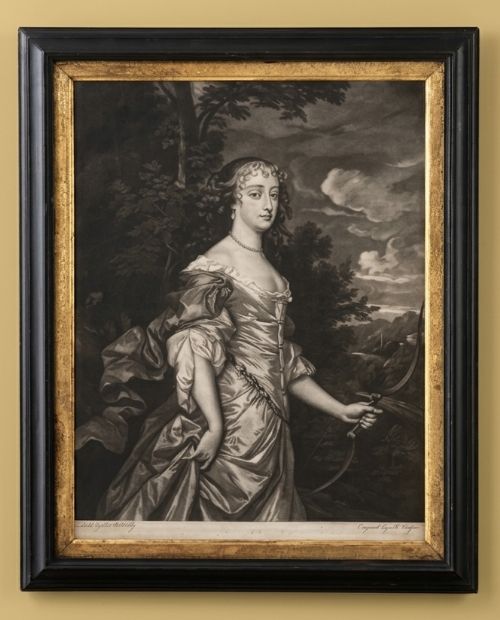
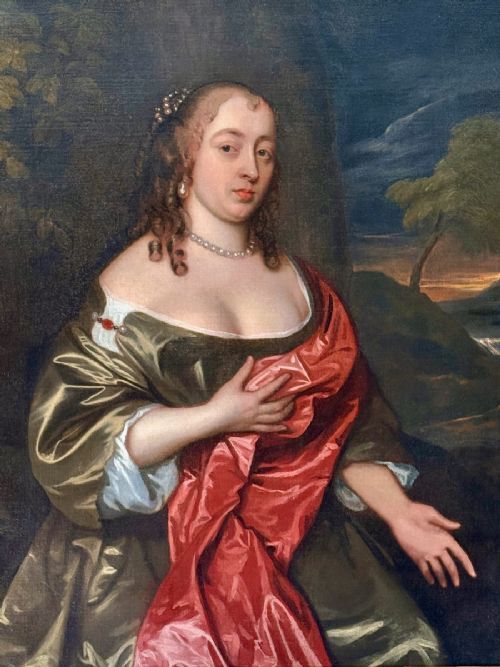
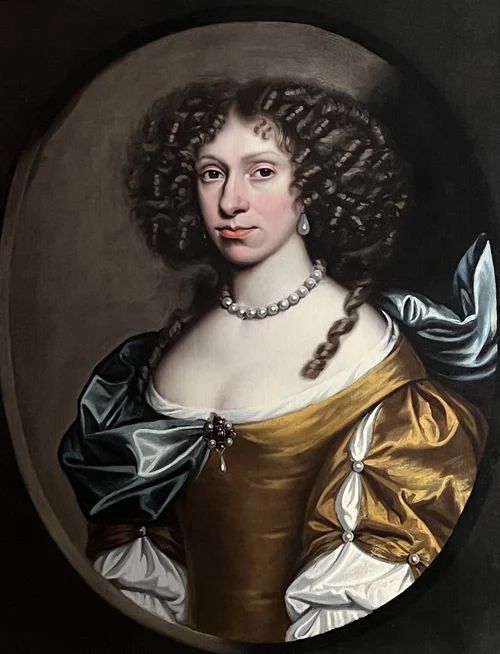
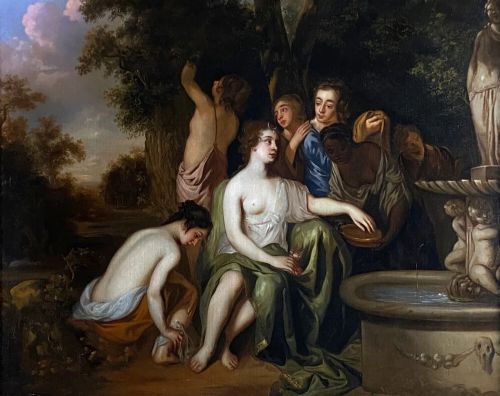
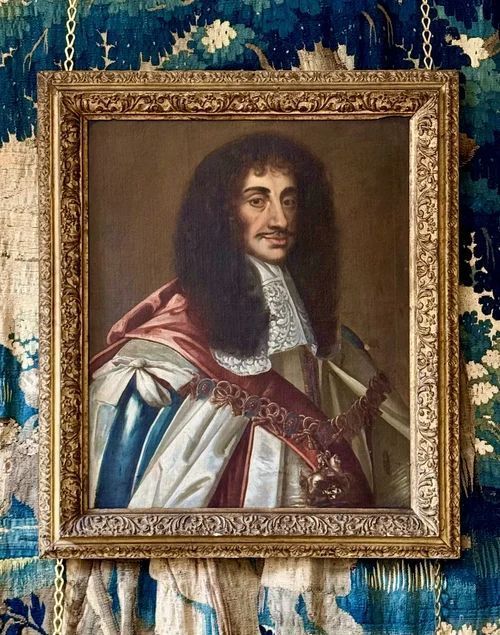
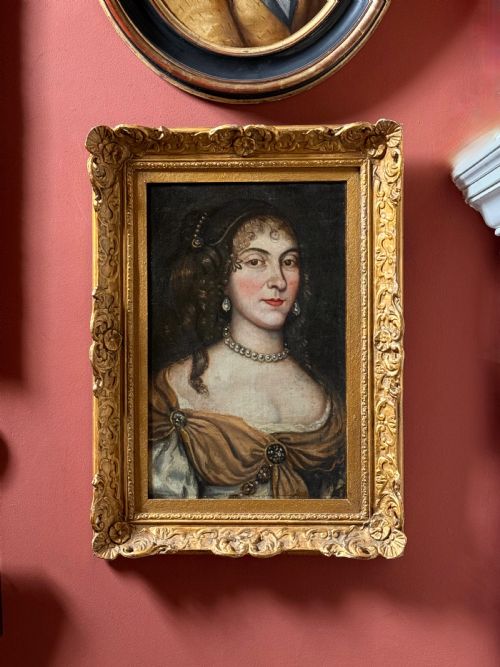
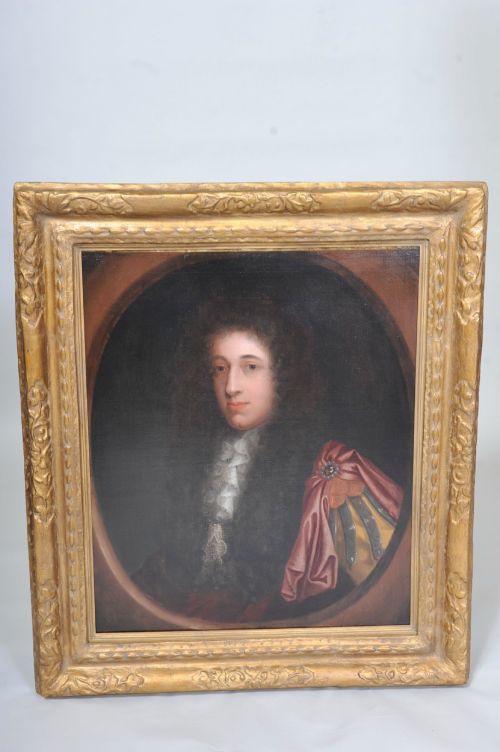
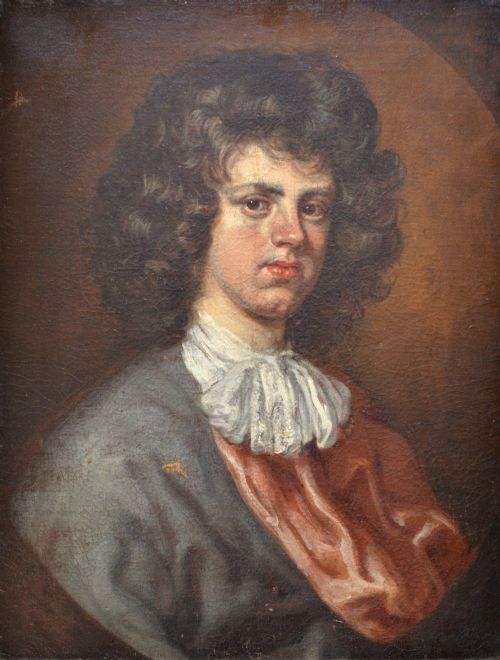
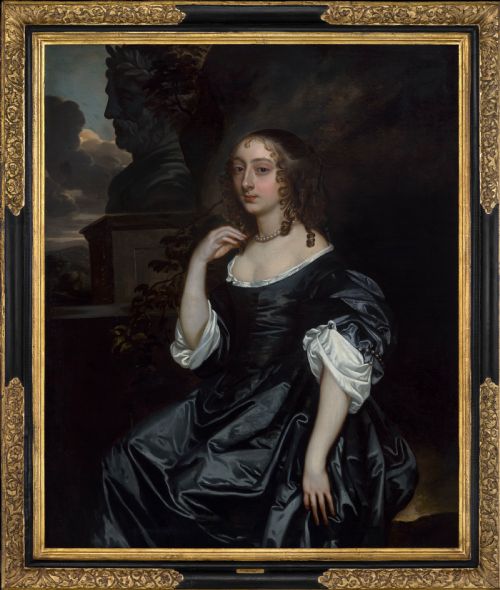
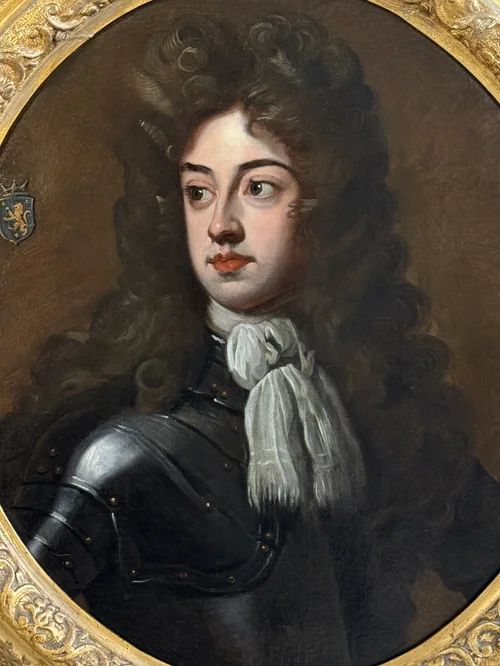
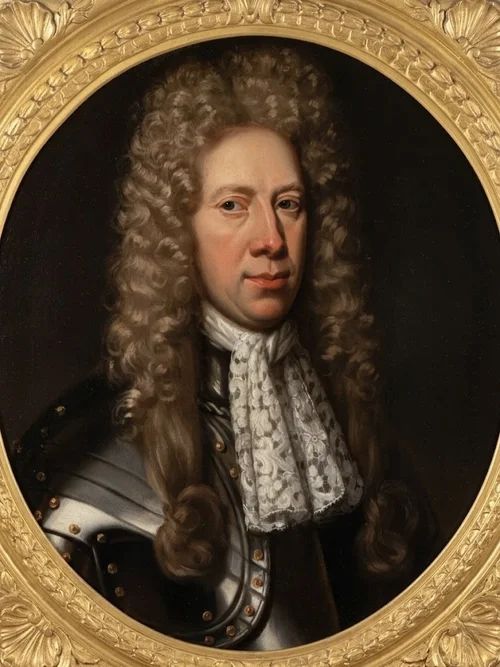
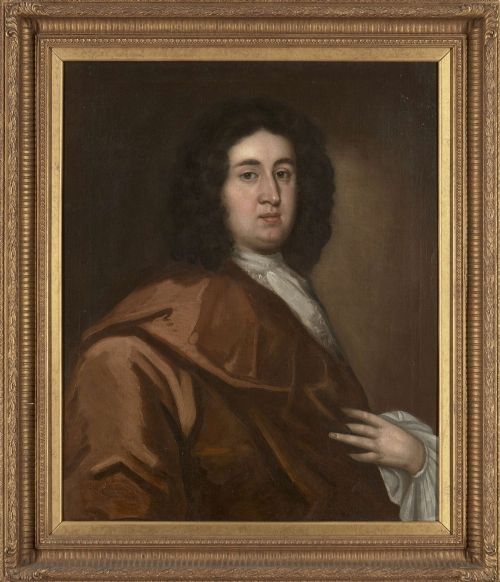
When you examine restoration era portrait art, you encounter oil paintings on canvas alongside historical mezzotint prints depicting aristocracy, clergy, and prominent nobility. These works record sitters from the seventeenth century, frequently associated with court circles, monarchs, and military commanders.
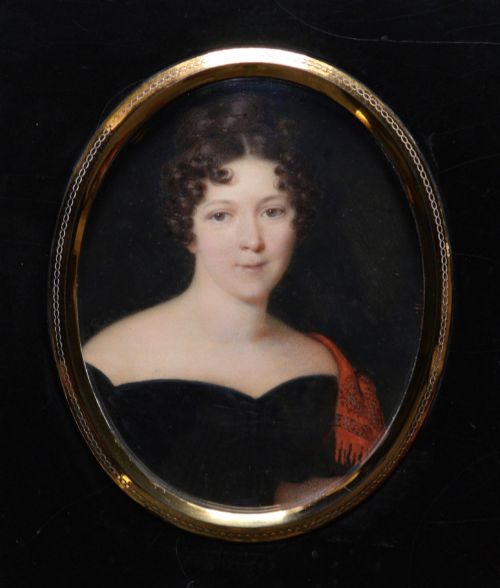
The selections on this page span oil paintings, portrait miniatures in watercolour, and antique engravings originating from English, French, and Dutch schools. You find both finished canvases by named masters and representative works created within their immediate studios or circles.
Materials and construction
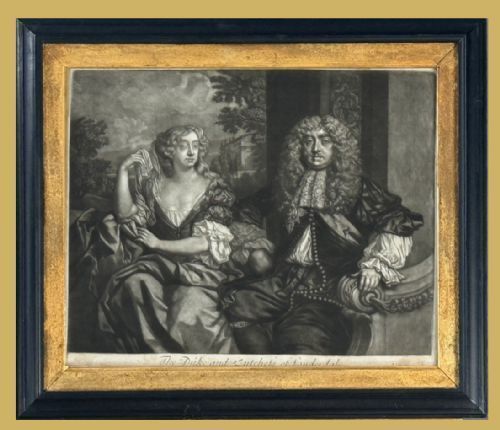
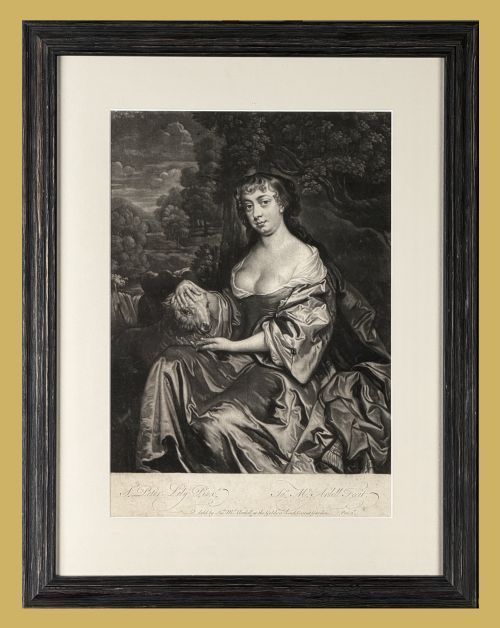
Printmakers employed mezzotint techniques on paper to translate large painted portraits into circulating engravings. These printed works replicate the tonal depth of the original canvases through finely grained ink plates.
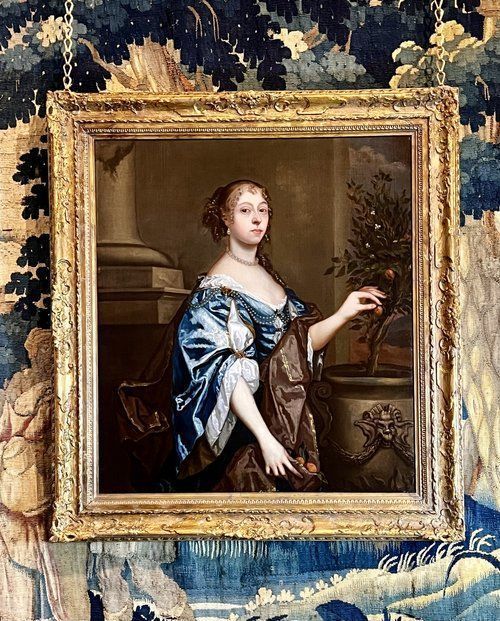
Several seventeenth-century ladies are immortalised holding garden oranges, a botanical status symbol at the time.
Distinctions in execution
The hierarchy of quality within these portraits rests upon the direct involvement of the primary artist versus workshop assistants or later followers. Pieces executed by the hand of a documented master display superior anatomical precision and handling of light upon drapery.
Condition and provenance further distinguish the works, as original seventeenth-century stretchers and untouched canvas surfaces retain greater historical integrity than heavily restored examples. The nuance in facial expression and the treatment of background landscapes also separate standard studio output from exceptional portraiture.
Sir Peter Lely·John Closterman·Mary Beale·John Michael Wright·Thomas Watson
The Restoration Era Portrait Art Glossary
- Mezzotint
- A printmaking process of the scraperboard family allowing halftone reproductions to be produced without line work. This technique creates subtle gradations of light and dark suited to translating oil paintings into print.
- Giltwood
- Wood that has been coated with a thin layer of gold leaf or gilt powder. Frames constructed this way surround many seventeenth-century canvases.
- Circle of
- A term indicating that a work was produced by an artist closely associated with a master, working in a similar style. It denotes proximity to the principal workshop without direct attribution.
- Studio of
- A designation signifying that a painting was executed within a named master's workplace under their supervision. Assistants often contributed to these compositions alongside the principal artist.
- Pinxit
- A Latin inscription abbreviation meaning painted by, frequently found alongside the artist signature and the sitter details on historical canvases.
Restoration Era Portrait Art: Frequently Asked Questions
What periods do these portraits represent?
The listings predominantly feature seventeenth-century works created during the Restoration period, alongside some nineteenth-century interpretations and later engravings. These dates reflect the active years of the sitters and the artists.
Most canvases originate from the later decades of the sixteen-hundreds, capturing court figures and nobility from the reigns of Charles II and subsequent monarchs.
Who are the typical sitters in these artworks?
The subjects include English and European nobility, military commanders, bishops, and court ladies of the seventeenth century. Many sitters are identified by historical inscriptions on the canvas or contemporary records.
Depicted individuals range from reigning monarchs to prominent statesmen and members of titled families.
How were these paintings displayed originally?
Landed gentry and nobility hung large oil paintings within wood and giltwood frames across country houses and town residences. These portraits served to establish family lineage and social status.
Smaller mezzotints and miniatures offered portable likenesses that could be kept in private studies or shared among family members.
How do you distinguish original period works from later copies?
Examination of the canvas weave, stretcher frames, and pigment composition helps determine the age of an oil painting. Seventeenth-century canvases display specific ageing characteristics and ground layers.
Signatures, historical inscriptions, and stylistic comparisons with documented works by artists like Sir Peter Lely or Mary Beale provide further confirmation.