


Restoration Era Female Portrait
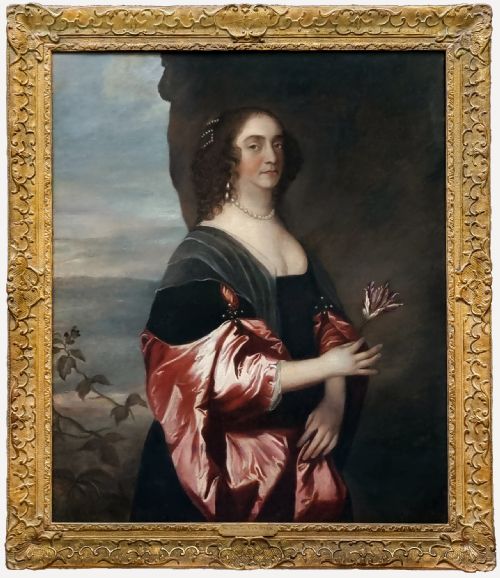
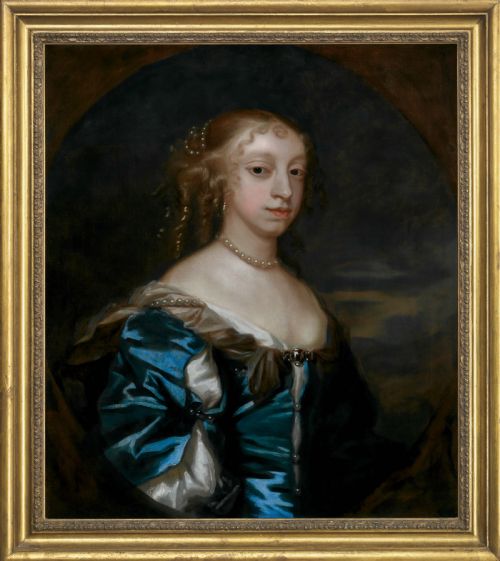
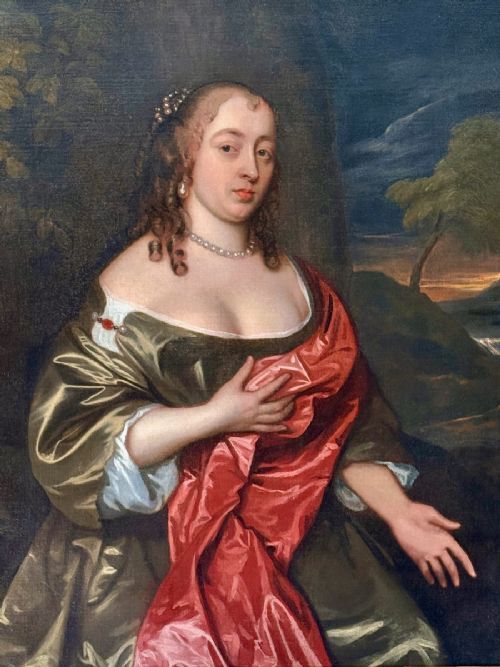
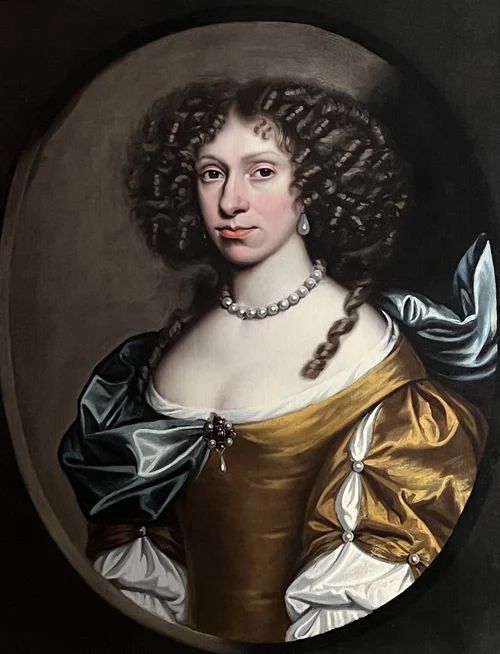
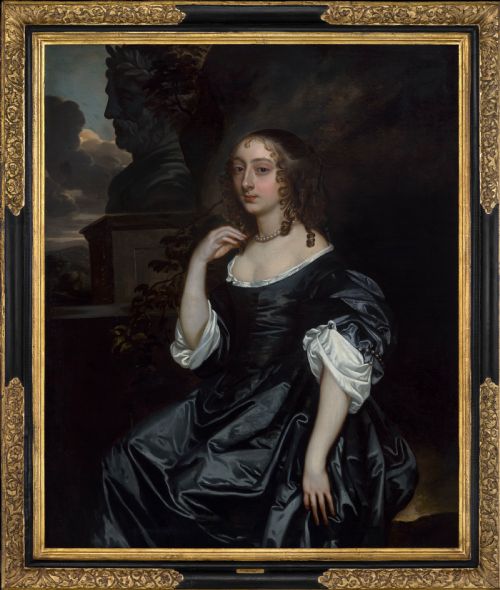
A restoration era female portrait captures the grand, confident likeness of aristocratic women through seventeenth century oil painting.
Restoration Era Female Portrait
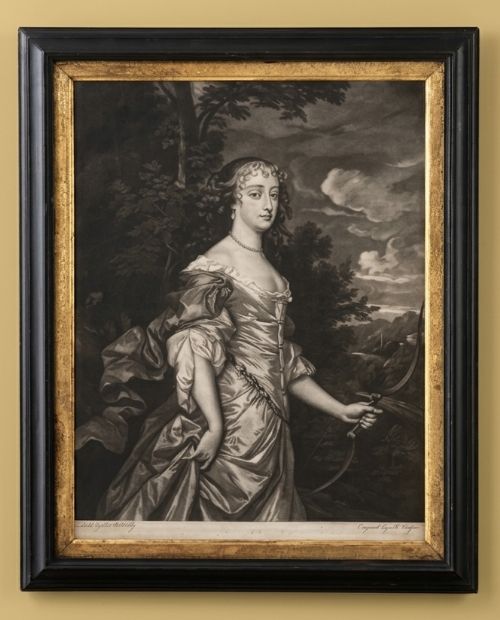
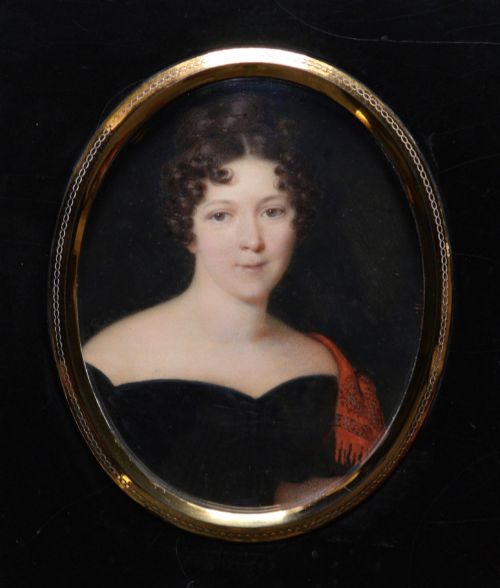
A restoration era female portrait presents aristocratic and noble women painted during the seventeenth century and nineteenth century. These oil paintings depict subjects in elaborate gowns, extensive landscapes, or formal interiors.
Most examples found here date to the seventeenth century, encompassing seventeenth century English, Dutch Baroque, and Restoration Stuart styles. The sitters range from identified nobility like Ellen Napier and Philadelphia Parker to unknown noblewomen and ladies.
Compositions often follow the conventions established by prominent painters and their studios, recording silk gowns, pearls, and dramatic drapes. Canvas and wood panel serve as the primary supports for these layered oil paintings.
How these portraits were made
Artists built these works using oil paint applied to canvas or timber wood panels. Preparation involved priming the surface before laying down initial sketches and building rich tones.
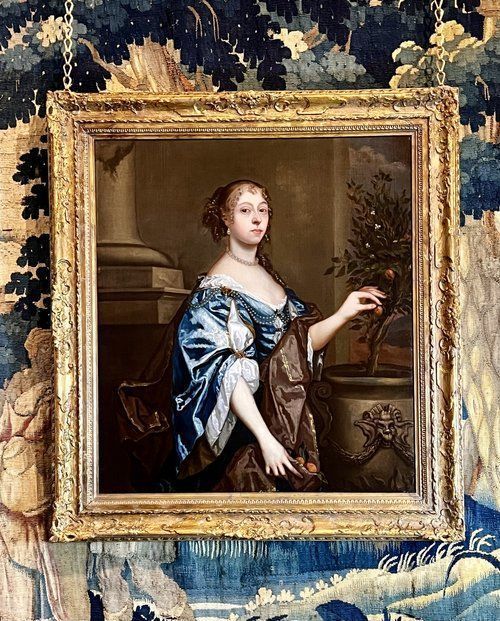
Gilt wood frames embellished with gold leaf frequently house the completed oil paintings. These frames provide structural support and complement the dark, dramatic palettes of the Baroque period.
One lady famously holds fresh oranges, bringing a vibrant splash of exotic fruit into the solemn world of seventeenth century portraiture.
What varies in quality
Quality rests upon the skill of the brushwork in rendering fabric textures, skin tones, and facial expression. Studio pieces produced under the direction of major masters demonstrate greater anatomical precision and depth.
The condition of the oil on canvas and the originality of the gilt wood frame influence the overall integrity of the piece. Surviving works retain distinct pigment layers and minimal overpainting across the canvas.
JOHN HAYLS·DAVID SCOUGALL·Pierre Mignard·PIETER BORSSELER·Sir Peter Lely·John Greenhill·William Wissing
The Restoration Era Female Portrait Glossary
- Baroque
- A style of European art spanning the seventeenth and eighteenth centuries characterised by grand drama, rich colour, and dynamic movement. This aesthetic defines the dramatic lighting and lavish garments seen in seventeenth century portraits.
- Oil on Canvas
- A traditional painting medium utilising pigments suspended in drying oils applied to stretched woven fabric. This combination allows for subtle blending and rich tonal depth.
- Wood Panel
- A rigid flat wooden support used as a base for painting prior to the widespread adoption of canvas. Panels provide a stable surface for detailed brushwork.
- Gold Leaf
- Gold beaten into extremely thin sheets used for gilding frames and decorative surfaces. It imparts a luminous metallic finish to the surrounding woodwork.
- Studio
- A master artist's workplace where assistants and pupils helped execute commissions under supervision. Many period works emerge from these collaborative workshops rather than the master's hand alone.
Restoration Era Female Portrait: Frequently Asked Questions
What defines a restoration era female portrait?
These works are seventeenth century oil paintings depicting women of nobility and court society. They feature dramatic Baroque lighting, rich fabrics like silk and satin, and formal poses.
Subjects often appear against landscape backgrounds or within interior settings typical of Restoration Stuart and Dutch Baroque aesthetics.
Who painted these portraits?
Paintings originate from prominent seventeenth century artists, their studio assistants, and contemporary followers. Notable figures include Sir Peter Lely, John Hayls, and Pieter Borsseler.
Many pieces also emerge from anonymous seventeenth century English school workshops working in the prevailing Baroque style.
How should I display an oil painting?
Keep oil paintings away from direct sunlight and excessive temperature fluctuations to protect the canvas and paint layers. Stable indoor humidity prevents wood panels and gilt frames from warping.
Ensure the piece hangs securely using appropriate wall fixings suited to the weight of the timber frame.
Are these portraits original period pieces?
The selection includes authentic seventeenth century works alongside nineteenth century interpretations created in historical styles. Documentation and stylistic analysis help determine the exact period of execution.
Materials such as aged canvas, timber panels, and period gilt wood frames provide physical evidence of age.