
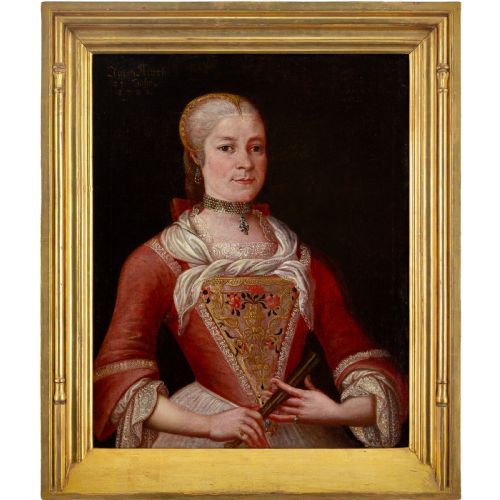
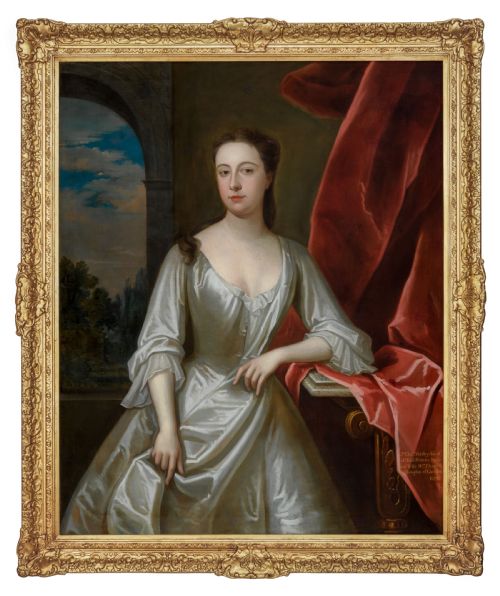
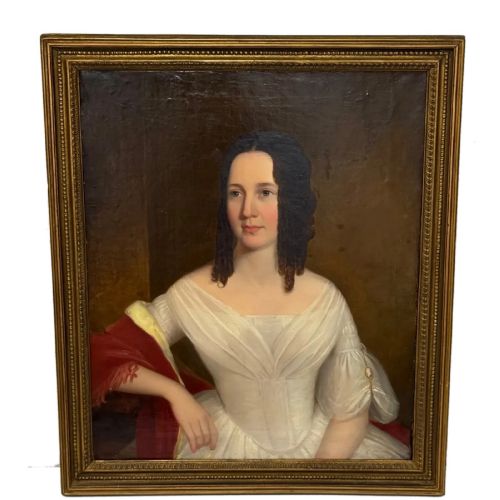
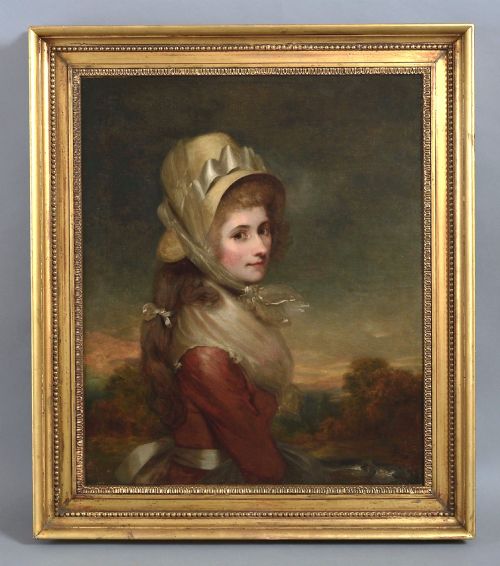

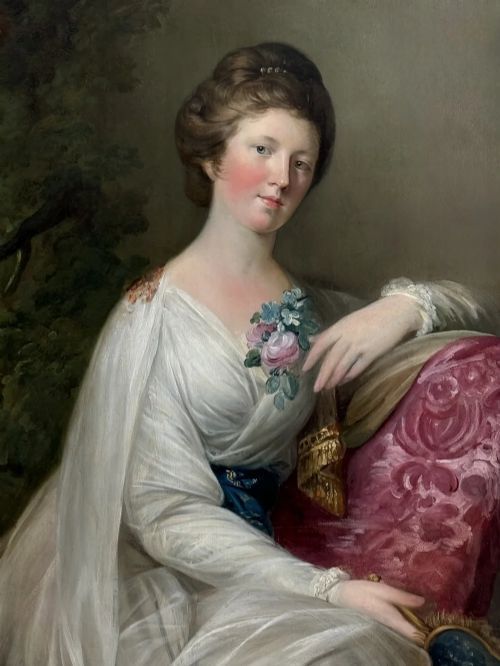
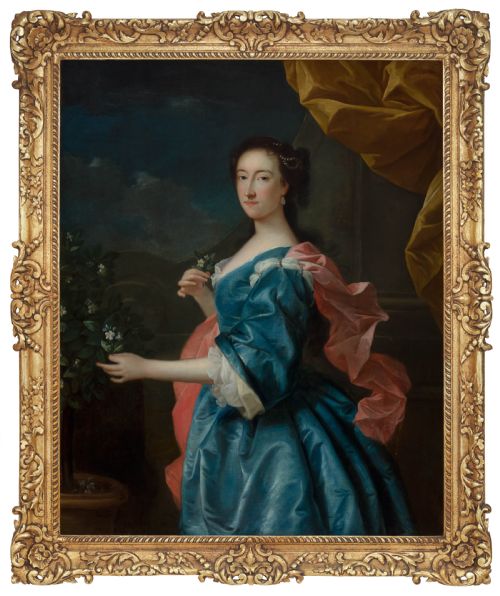
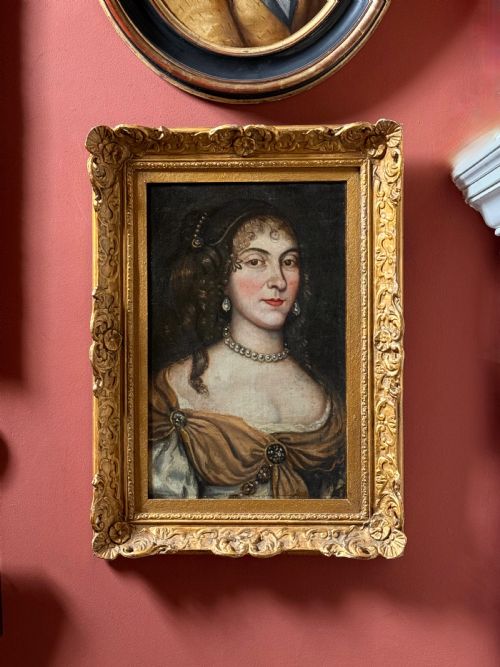
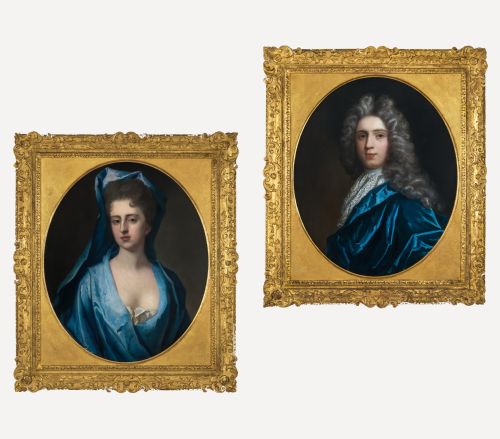
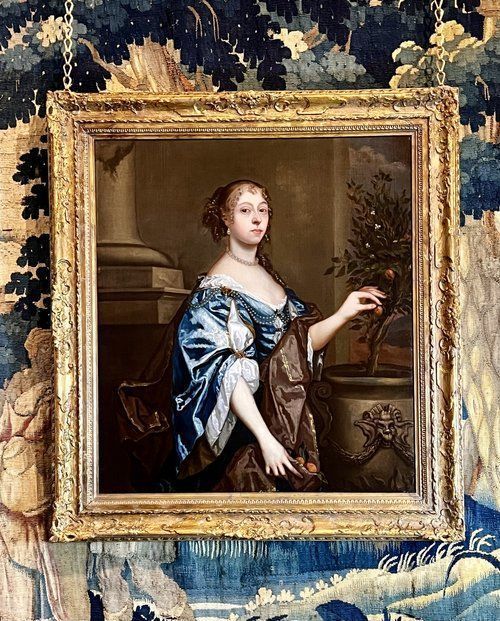
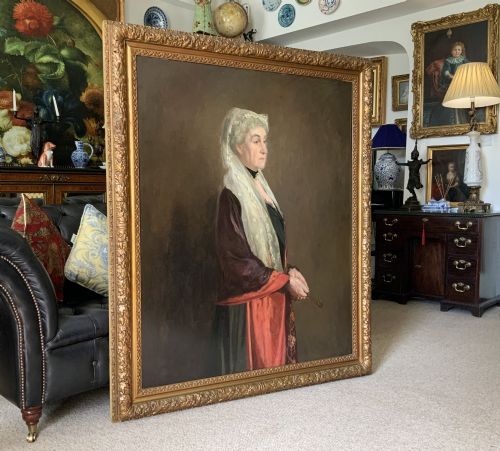
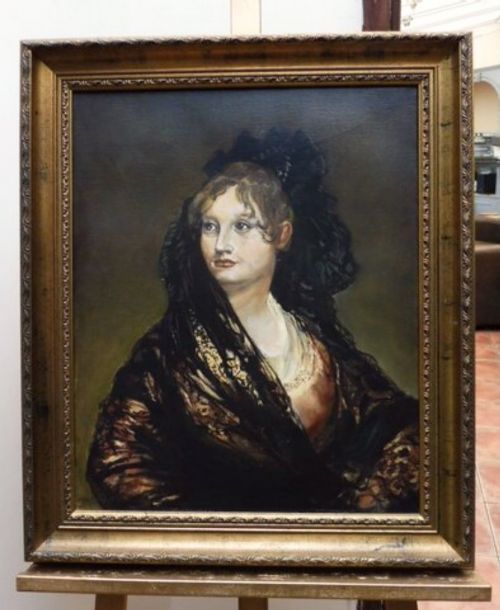
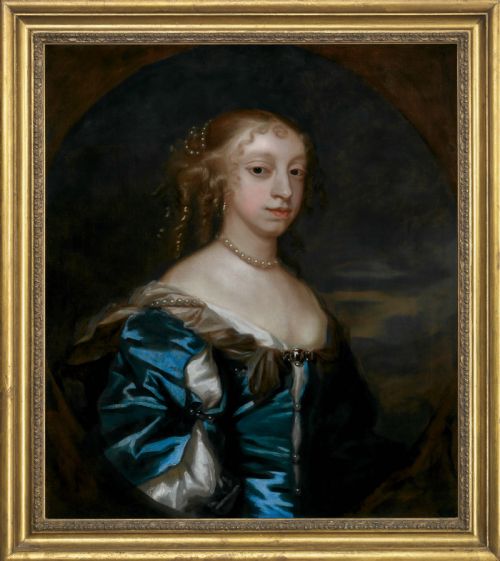
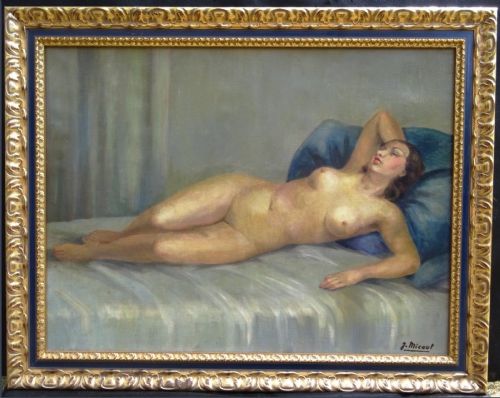
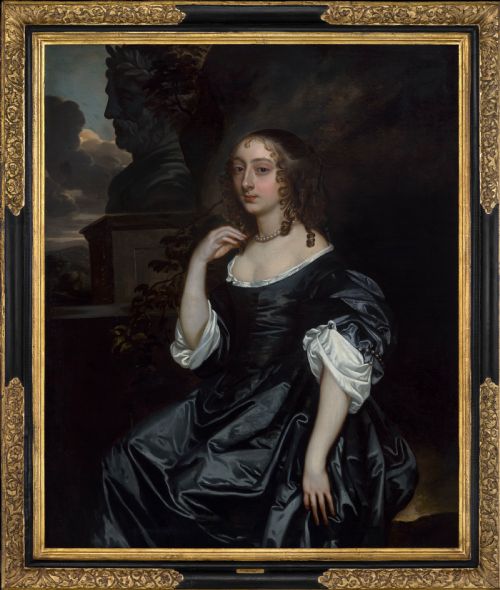
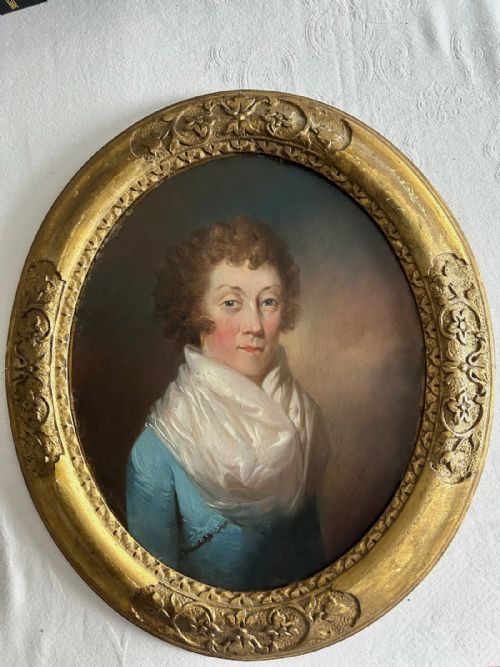
Framed Oil Painting Lady
A framed oil painting lady captures centuries of portraiture, recording sitters from noble lineages to Victorian society within period surrounds.
Framed Oil Painting Lady
A framed oil painting lady represents historical portraiture spanning the seventeenth century through to the mid-twentieth century, capturing individual sitters across diverse social strata. These works appear in various scales, from intimate bust-length studies on panel to monumental canvas depictions set within period interiors.
The selection encompasses British and continental schools, reflecting stylistic shifts from Jacobean formality and Dutch Golden Age realism to Georgian elegance and Edwardian portraiture. Buyers encounter both documented sitters with established provenance and anonymous subjects whose attire and accessories anchor them firmly in their respective eras.
Materials and Construction
Artists painted primarily with oil on stretched canvas or prepared wood panels, utilising ground pigments suspended in drying oils to build luminous skin tones and rich drapery. Canvas supports often show relining or mounting onto secondary boards in older examples, whilst panel works utilise oak or other dense timbers.
Surviving works are typically housed in period surrounds constructed from wood, embellished with moulded plaster or gesso, and finished with gold leaf or giltwood. These frames provide structural support and historical context, frequently retaining their original gilding or historical surface treatments.
Materials recorded across the selection include traditional oil paint applied to canvas, oak panels, and board.
Evaluating the Work
The integrity of the surface and the preservation of the original paint layer heavily influence standing, alongside the harmony between the artwork and its period frame. Works attributed to named hands or well-recorded studio circles generally command greater attention from collectors.
Sir Godfrey Kneller·Sir Martin Archer Shee·Jeremiah Davison·Michael Dahl·Thomas Murray·Pieter Borsseler·Sir Peter Lely·John Vanderbank·Cornelius Johnson
The Framed Oil Painting Lady Glossary
- Oil on Canvas
- A painting technique where oil paint is applied to a woven fabric support stretched across a wooden frame. This method became the dominant medium for portraiture from the seventeenth century onward.
- Giltwood
- Wood carved and coated with gold leaf or gold paint, commonly used for decorative picture frames. It provides a reflective, ornate border that enhances the artwork within.
- Panel
- A rigid wooden support, frequently oak in earlier periods, used as a base for painting before canvas gained widespread use. Panel paintings often survive from the seventeenth century and earlier.
- Ruff
- A projected pleated collar worn in the sixteenth and seventeenth centuries, frequently seen in Jacobean and Dutch portraits. Its intricate folds demonstrate the social status of the sitter.
- Provenance
- The documented history of ownership of an artwork, tracing its path from the creator or sitter to the current collection. A clear provenance helps establish authenticity and attribution.
Framed Oil Painting Lady: Frequently Asked Questions
How do I identify the period of a portrait?
Dating relies heavily on the sitter's costume, hairstyles, and accessories, which followed strict contemporary fashions. Examining the canvas preparation, stretcher bars, and framing style provides additional chronological markers.
Comparing the handling of paint and compositional conventions with dated comparative examples helps narrow down the decade of creation.
Are these portraits usually signed by the artist?
Many historical portraits remain unsigned, as studio assistants often executed works or masters left canvases unmarked. Attribution is frequently determined through stylistic analysis, historical records, and sitter identification.
Signatures, when present, may appear subtly in corners or within the background, though inscriptions added later by previous owners are also common.
How should I hang and light an oil portrait?
Oil paintings require stable environmental conditions away from direct sunlight, excessive humidity, and rapid temperature fluctuations. Placing them on internal walls helps protect the canvas and wooden frame from warping.
Directional picture lights using low-heat LED bulbs illuminate the finer details of the brushwork without risking damage to the pigment or varnish layers.
What is the difference between an original and an after-work?
An original portrait is painted directly from life by the artist during the sitter's lifetime. An 'after' work is a later copy, often produced as a tribute or record of a significant historical painting.
Both categories hold distinct places in collecting, with contemporary originals prized for their direct link to the sitter and historical copies valued for their skill.