
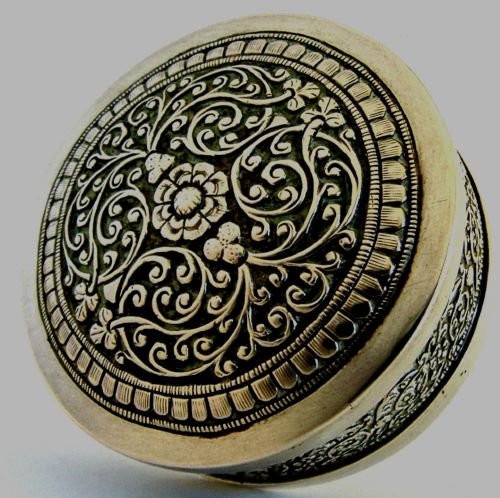
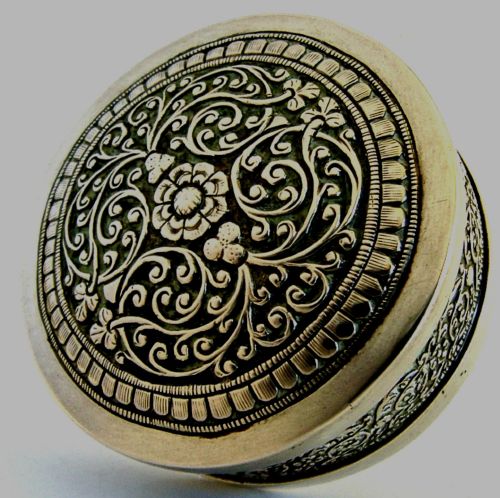
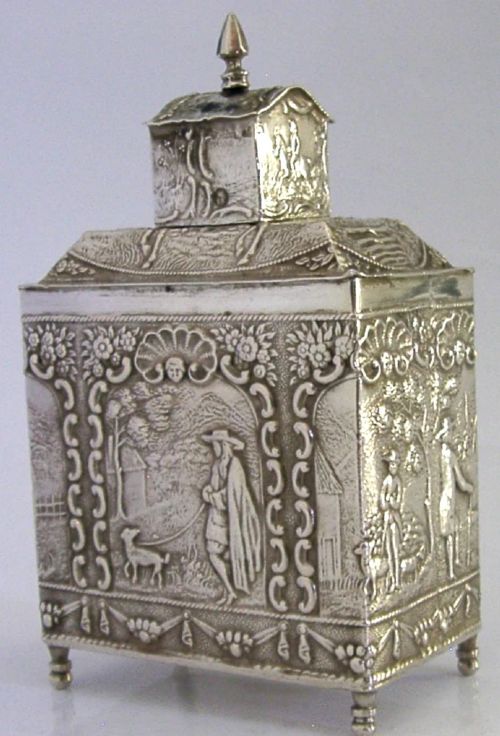

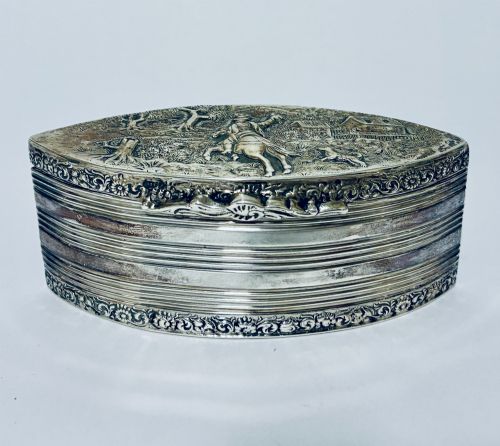
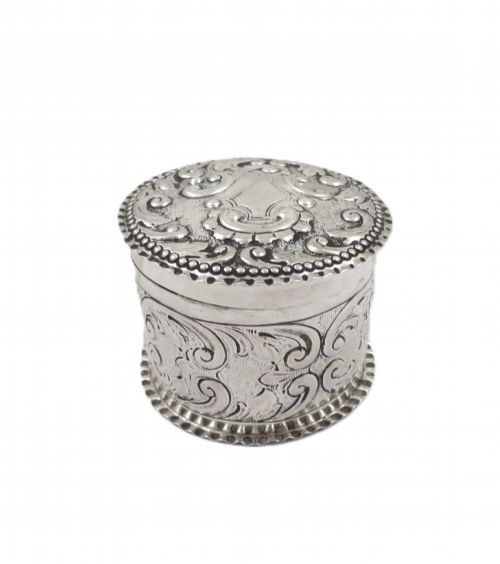
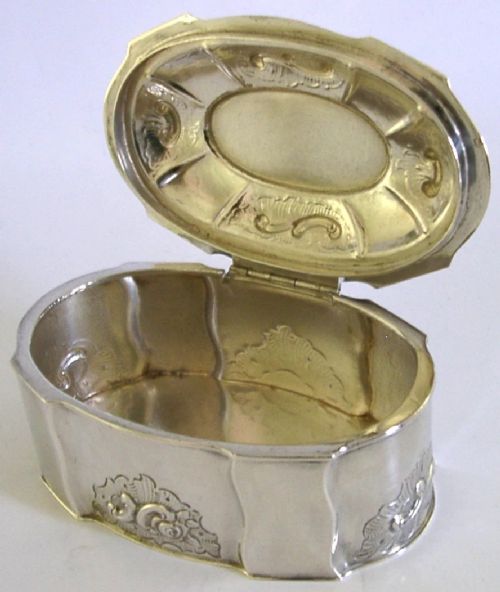
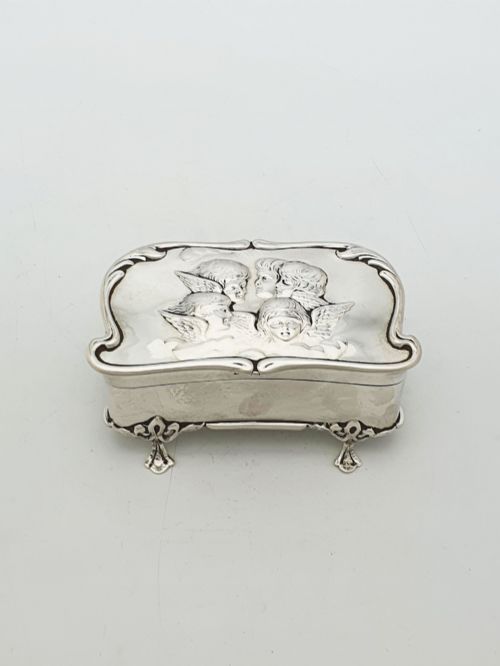
Repousse Silver Container
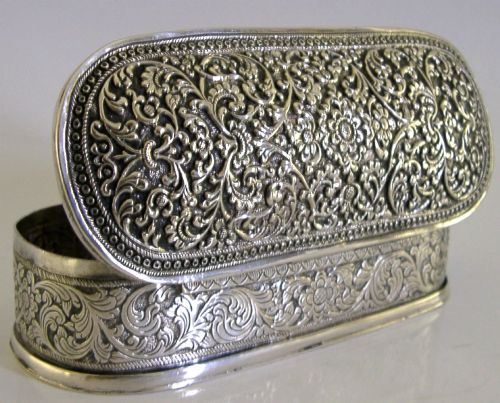
These repousse silver container pieces are hammered and embossed vessels intended for small treasures, tea, and snuff, offering tactile relief work.
Repousse Silver Container
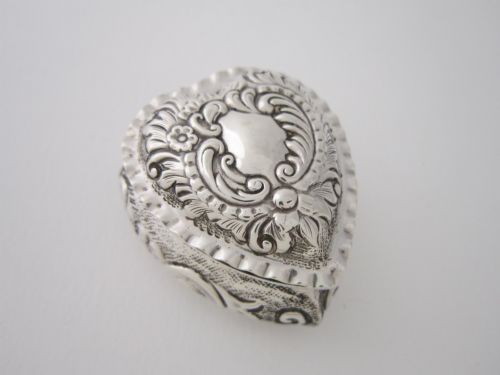
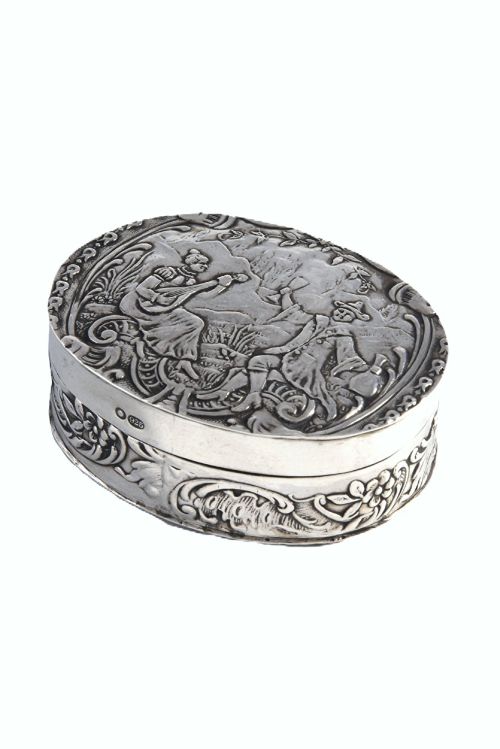
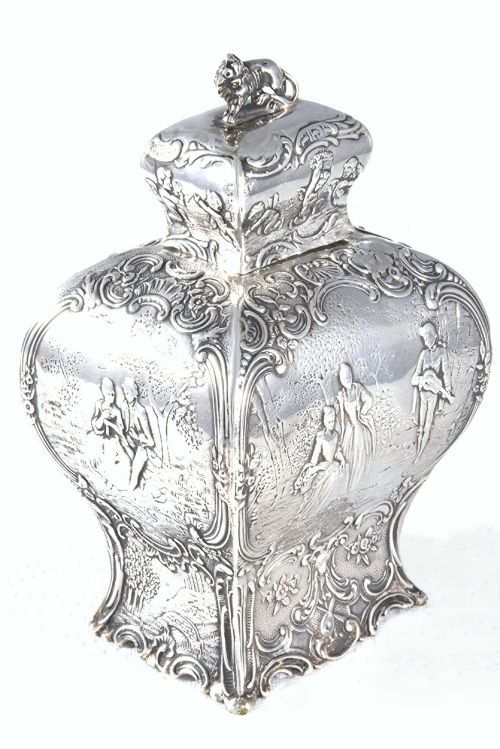
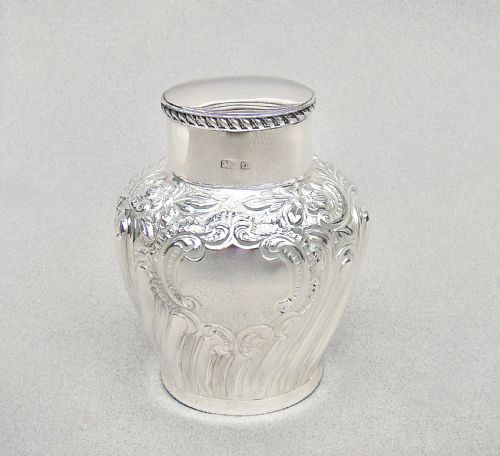
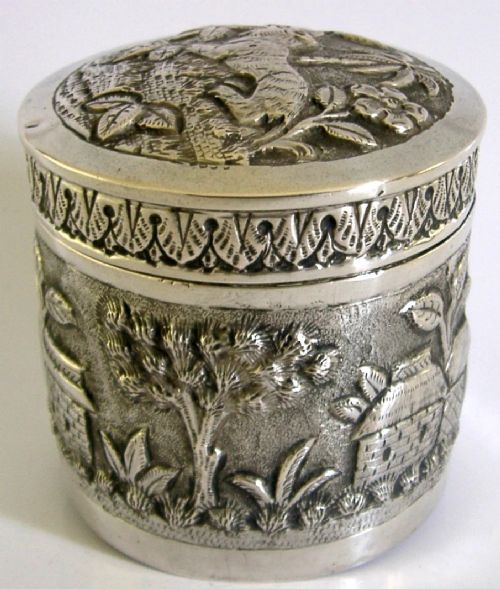
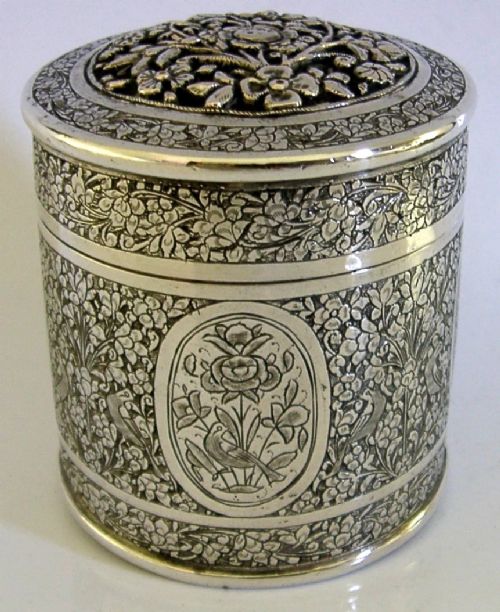
A repousse silver container takes many forms across this selection, appearing as tea caddies, trinket boxes, snuff boxes, and vanity pots. The varieties seen most frequently include Victorian and Edwardian items alongside Indian, Dutch, and Ottoman examples.
Makers shaped these vessels into ovals, hearts, and bombe profiles, utilising hinged and pull-off lids. Collectors encounter items intended for personal dressing tables, portable use, and the storage of leaf tea.
Origins span British assay offices, European workshops, and colonial centres such as India and Ceylon. Each piece reflects regional preferences for floral motifs, figural scenes, and architectural details hammered from the reverse.
How they were made
Silversmiths worked sheet sterling silver, solid silver, or silver plate by hammering the metal from the underside to raise decorative reliefs on the exterior surface. Artisans then refined the details from the front using chasing tools to sharpen lines and textures.
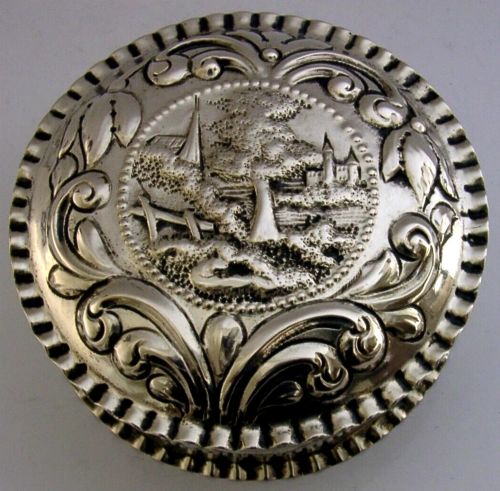
Interiors often received a layer of gold wash, known as silver gilt, to protect the silver from corrosive contents like tea or tobacco. Certain boxes incorporated glass bodies mounted with silver rims and lids, or cast elements such as picture castle tops.
Several boxes sport cheeky cherubs peeking out from the hammered flora.
What varies in quality
The depth and crispness of the hammered relief distinguish superior examples from flatter, worn specimens. Skilled chasing creates sharp definition in foliage, cherubs, and architectural scenes without thinning the metal wall.
Substance and structural integrity dictate the standing of a vessel, seen in heavy gauge silver that resists denting and hinges that operate smoothly. Maker marks and clear hallmarks provide definitive evidence of origin and standard.
Thomas Hayes·William Hutton & Sons Ltd.
The Repousse Silver Container Glossary
- Repousse
- A metalworking technique where the artisan hammers and pushes the metal from the reverse side to create a raised design on the front. This method gives decorative boxes their tactile, three-dimensional surfaces.
- Tea Caddy
- A small vessel designed to store loose tea leaves securely before brewing. Examples in this range often feature tight-fitting lids and internal compartments.
- Silver Gilt
- Sterling silver that has been coated with a thin layer of gold on the interior or exterior. This finish prevents tarnishing and protects the metal from acidic contents.
- Bombe
- A swollen, convex shape used on the body of certain boxes and caddies. This stylistic contour gained popularity during revival periods inspired by earlier continental designs.
- Hallmark
- A stamp or series of marks applied to precious metals indicating the standard of silver, the assay office, and the year of manufacture. These marks guide the identification of British and imported pieces.
Repousse Silver Container: Frequently Asked Questions
What were repousse silver containers used for?
These vessels held dry tea leaves, snuff, trinkets, and cosmetics on domestic tables or during travel. Their varied forms suited the specific storage needs of the period.
Smaller boxes contained pins and rings, while larger caddies preserved volatile tea aromatics behind secure lids.
How do I identify the period of a silver box?
Hallmarks stamped on British items provide specific assay office letters and date ciphers that point to the exact year of manufacture. Stylistic cues like Victorian rococo revival motifs or Edwardian lines also help narrow the date.
Colonial and continental pieces rely on regional styles, maker marks, and structural traits rather than standard British date letters.
What is the difference between sterling silver and silver plate?
Sterling silver consists of solid precious metal meeting a specific legal fineness standard throughout the entire piece. Silver plate involves a thin layer of silver bonded to a base metal core.
Weight and hallmarks generally distinguish solid metal items from plated alternatives.
How should I clean my antique silver container?
Maintenance requires soft cloths and minimal intervention to preserve the dark highlights within the recessed repousse work. Abrasive polishes can wear away delicate chased details and thin the high points of the relief.
Keeping items away from moisture and chemical fumes prevents rapid tarnishing.