
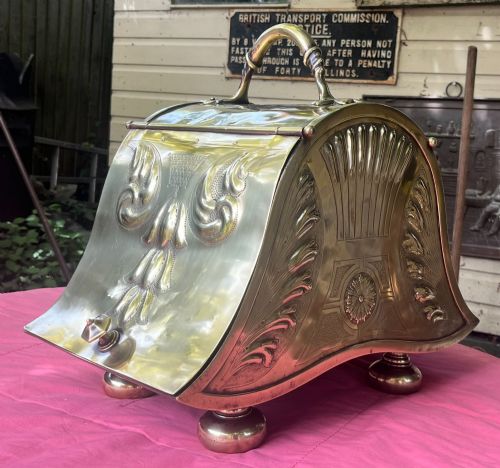
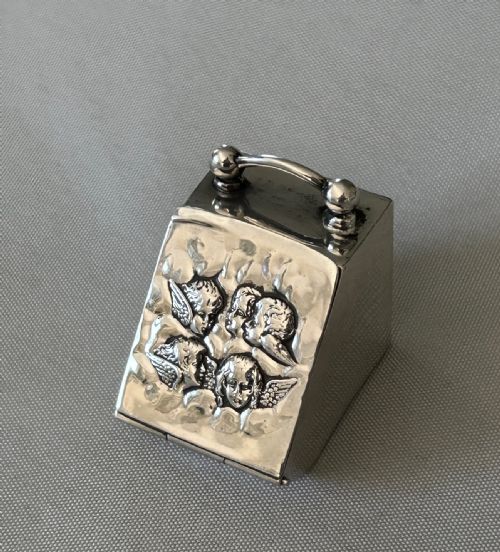


Repousse Coal Scuttle
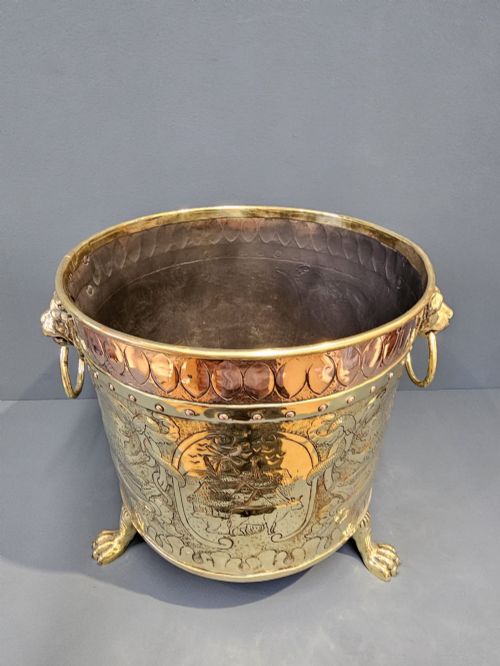
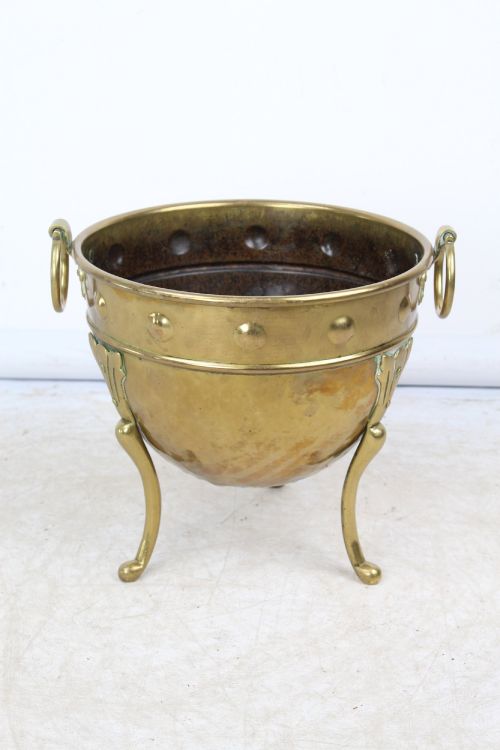
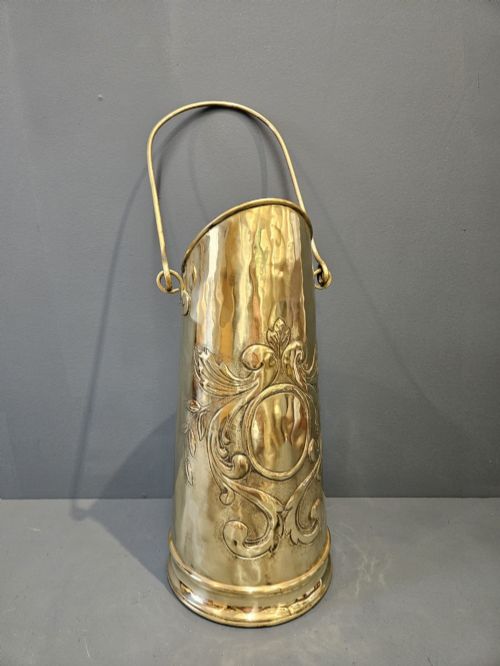
These repousse coal scuttle vessels bring tactile metalwork and hammered pattern to the hearth, offering a practical way to store fuel beside the fireplace.
Repousse Coal Scuttle
Victorian examples dominate the available pieces, often rendered in solid brass or warm copper with distinct hammered ornamentation. These vessels frequently appear alongside related fireside accessories such as shovels and purdoniums.
The objects serve primarily to hold coal, logs, or peat near the fireplace while displaying period craftsmanship from the nineteenth and early twentieth centuries. Most items combine metal bodies with supportive handles and feet suited for daily hearthside use.
Materials and Construction
Metals form the core of these pieces, with polished brass and warm copper appearing most frequently across the inventory. Artisans shaped these sheet metals into deep vessels, sometimes pairing them with oak, wrought iron, or ebonised wood for handles and trim.
The distinctive surface texture comes from repousse work, where craftsmen hammered the metal from the reverse side to raise ornamental designs in relief. This technique allowed makers to apply floral motifs, tavern scenes, or abstract patterns directly onto the body of the scuttle.
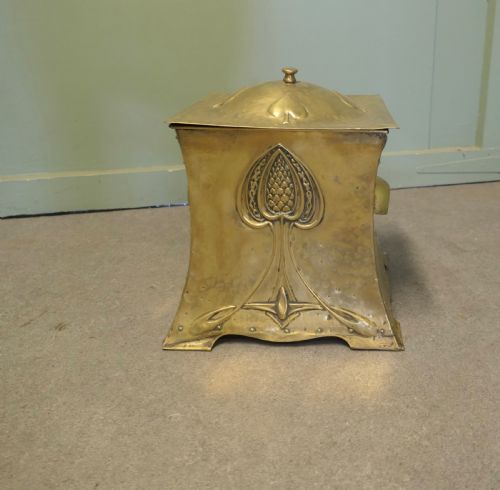
Listings feature items spanning the Victorian, Edwardian, and Regency periods, alongside pieces attributed to the Arts and Crafts and Art Nouveau movements.
Assessing Quality and Execution
The definition and depth of the hammered relief separate standard utility containers from finer decorative pieces. Skilled execution in the metalwork yields crisp floral motifs, figural scenes, or geometric borders that retain their structural integrity.
Material thickness and the sturdiness of joints, handles, and hinges dictate the durability of each vessel. Finer examples balance robust construction in brass or copper with balanced proportions and carefully fitted lids or swing handles.
Henry Loveridge·Petrus Ramus·Benham & Froud
The Repousse Coal Scuttle Glossary
- Repousse
- A metalworking technique where the artisan hammers a design from the reverse side to create a raised relief on the front surface. This method defines the decorative surface of the pieces found in this category.
- Purdonium
- A specific type of coal box, often featuring a sloping front and a hinged lid designed to house a removable metal liner. These items commonly include a matched scoop or shovel.
- Dinanderie
- A medieval term revived to describe objects made of beaten or worked brass and copper, particularly vessels and decorative containers. Pieces carrying this label often display rich surface texture and European origins.
- Log Bin
- A large open or lidded container intended to hold firewood rather than smaller pieces of coal. These items frequently incorporate sturdy metal bands or wooden elements for added support.
- Art Nouveau
- A design style characterised by flowing, organic lines and plant-inspired motifs that frequently appear on late nineteenth and early twentieth century metalwork. Objects from this movement emphasise asymmetrical curves and natural forms.
Repousse Coal Scuttle: Frequently Asked Questions
What is a repousse coal scuttle used for?
These vessels were designed to hold coal, logs, or peat close to the fireplace for convenient refuelling.
Today, they serve equally well as decorative fireside storage or as large planters and jardinieres for interior greenery.
How do I date a brass coal bucket?
Dating relies on observing stylistic markers such as Victorian ornamentation, Arts and Crafts motifs, or later Art Nouveau curves.
Construction details, including the presence of hand-hammered repousse work and the choice of associated materials like oak or wrought iron, also help place the piece in its era.
Are these coal scuttles made of solid brass?
Many of the listed containers utilise solid sheet brass or copper for the main body and decorative panels.
Some examples also incorporate mixed materials, adding wooden handles, oak bodies, or iron fittings to complete the design.
How should I clean an antique copper bucket?
Maintenance depends on whether you prefer a bright polished finish or a dark, aged patina accumulated over decades of use.
Gentle dusting and mild soapy water preserve the original metal surface without stripping away historic character.