





Rene Lalique Glass Platter
A rene lalique glass platter is a masterwork of moulded glass, bringing tactile Art Deco elegance and luminous opalescence into any room.
Rene Lalique Glass Platter
When you search for a rene lalique glass platter, you are looking at decorative plates, chargers, salvers, and shallow bowls created during the early twentieth century. These pieces bridge the gap between functional tableware and pure decorative art, originating primarily from the nineteen-twenties and nineteen-thirties.
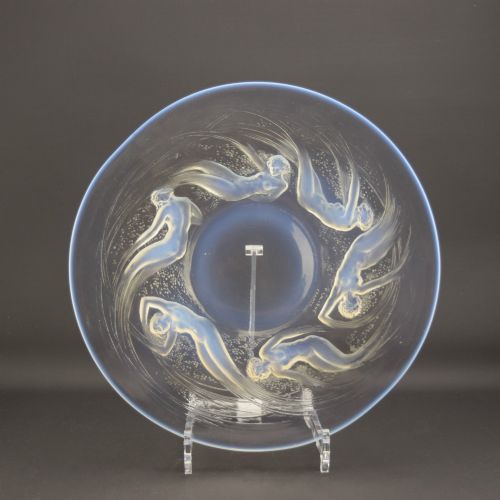
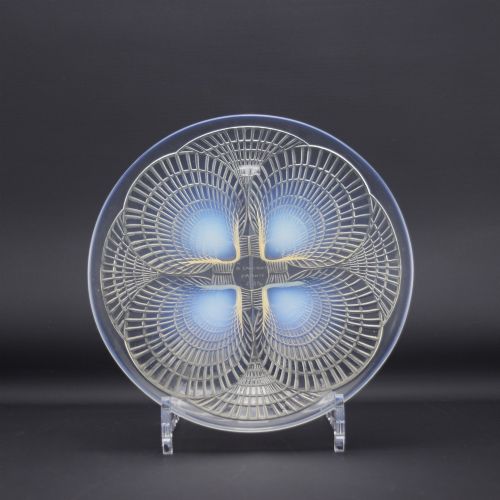
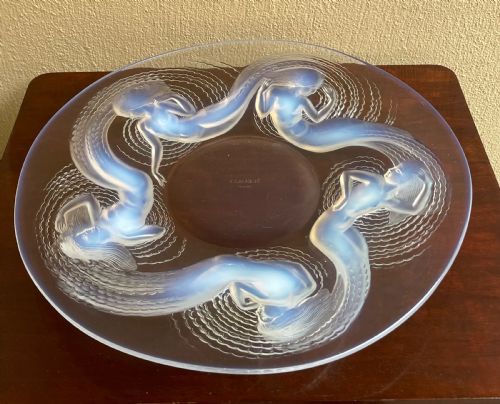
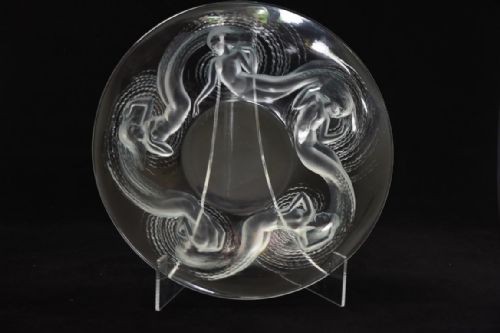
The versions you are most likely to encounter on this page span distinct forms like the Ondines, Coquilles, and Calypso designs. They appear in both clear glass and deeply tactile finishes, reflecting the classic aesthetic of the Art Deco period.
Production materials and techniques
These items rely on moulded glass, utilising specialised pressing techniques to achieve heavy relief and crisp sculptural detail. Makers employed opalescent glass to catch the light, shifting milky blues and warm yellows across the surface depending on the angle of view.
Selected examples incorporate sepia stain to emphasise the intricate low relief motifs, adding contrast and depth to figures and natural forms. The combination of frosted glass and clear glass further defines the contours of each subject.
Assessing quality in moulded glass
Quality rests in the crispness of the moulding and the vibrancy of the opalescent effect within the glass. Superior examples retain a striking interplay of translucent and milky tones that animate the relief work.
The depth and subtlety of the sepia stain also dictate the visual success of a piece, separating standard production from the finest surviving plates and chargers.
Rene Lalique
The Rene Lalique Glass Platter Glossary
- Opalescent Glass
- Glass that diffuses light to display milky, iridescent blue and amber tones. This optical effect shifts dramatically as the viewing angle changes.
- Moulded Glass
- Glass formed by pressing molten material into a metal or wooden matrix. This method allows for complex, high-relief decorative patterns.
- Sepia Stain
- A dark brownish pigment applied to recesses in the glass to create contrast. It highlights the fine details of figurative and botanical designs.
- Charger
- A large decorative plate traditionally used for presentation. In this context, it functions as a substantial centrepiece dish.
- Salver
- A flat ornamental tray or dish. These pieces showcase the intricate border designs typical of the period.
Rene Lalique Glass Platter: Frequently Asked Questions
How do I clean my rene lalique glass platter?
Wash the glass gently in warm, soapy water using a soft cloth, avoiding harsh abrasives or chemical cleaners that might damage the surface.
Dry the piece immediately with a lint-free towel to prevent water spots and preserve the delicate opalescent sheen.
Can I use these plates for serving food?
These items function primarily as decorative objects, chargers, and salvers rather than everyday tableware.
Displaying them on stands or flat surfaces protects their historical surfaces from cutlery scratches and modern wear.
What periods do these glass platters come from?
The available selection dates from the early twentieth century, specifically spanning the nineteen-twenties and nineteen-thirties.
This era encompasses the height of the Art Deco movement and the most innovative years of glass production.
How do I identify different plate designs?
Design names often reference natural motifs and mythological themes, such as fish, shells, or water nymphs moulded directly into the glass.
Comparing the raised patterns against known nomenclature helps distinguish series like Coquilles or Ondines.