



Renaissance Style Sculpture
These pieces of renaissance style sculpture capture historical grandeur, spanning from authentic early works to later revival interpretations in bronze, wood, and marble.
Renaissance Style Sculpture
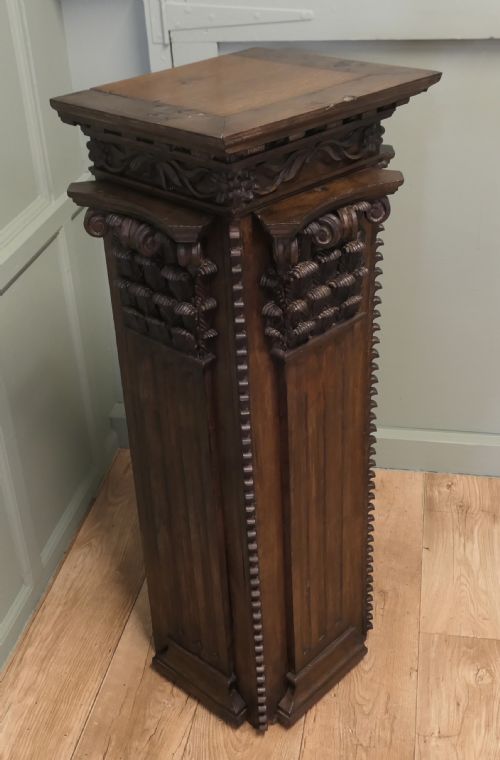
When you search for renaissance style sculpture, you encounter a diverse array of figural works, architectural fragments, and decorative carvings spanning multiple centuries. The selection encompasses genuine early items alongside later nineteenth-century revivals created in imitation of earlier European aesthetics.
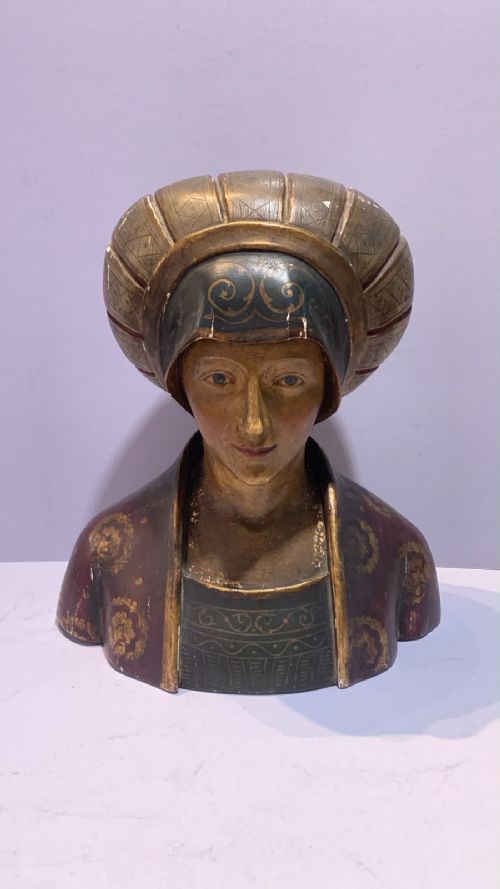
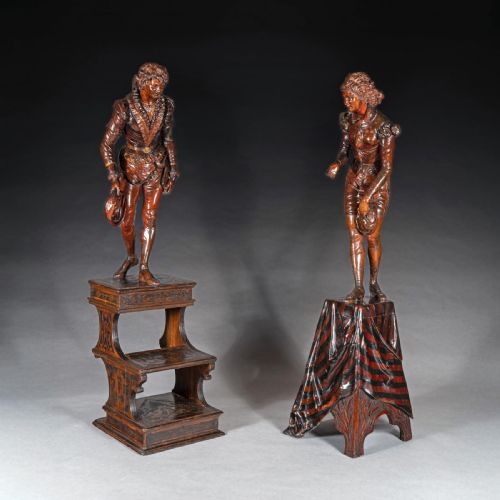
You are most likely to meet nineteenth-century interpretations on this page, including Grand Tour busts, cast bronzes after famous monuments, and carved wood figures. These pieces frequently draw upon Italian and French Renaissance motifs, translating historical forms into decorative objects for later collectors.
Materials and methods
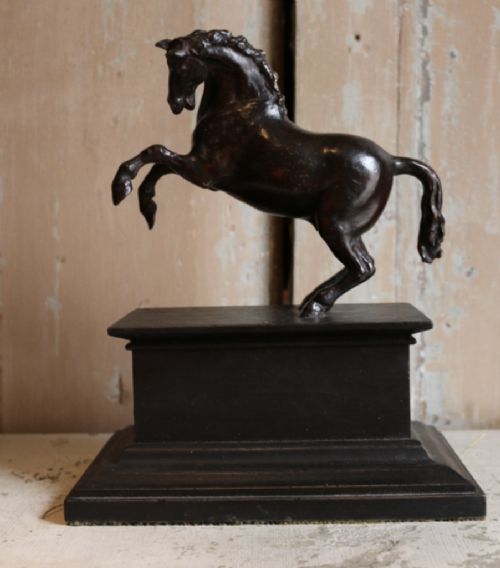
The objects in this collection rely heavily on traditional sculptural mediums such as bronze, carved oak, walnut, lime wood, plaster, and marble. Artisans shaped these materials using hand-carving techniques for wood and stone, while metalworks utilised traditional casting methods.
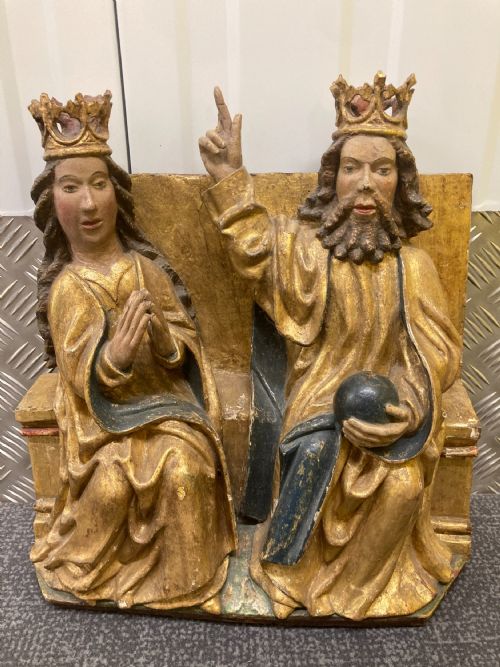
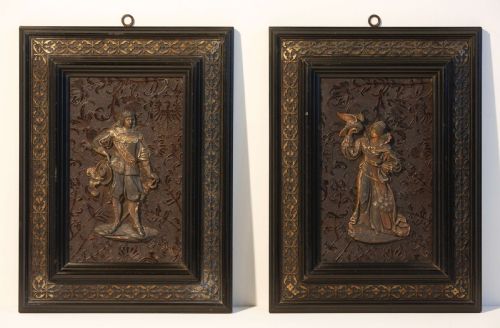
Surface treatments play an integral role in the finish of these pieces, incorporating gold leaf, polychrome paint, and patination. Architectural fragments and decorative reliefs frequently demonstrate the application of these finishing layers to enhance depth and detail.
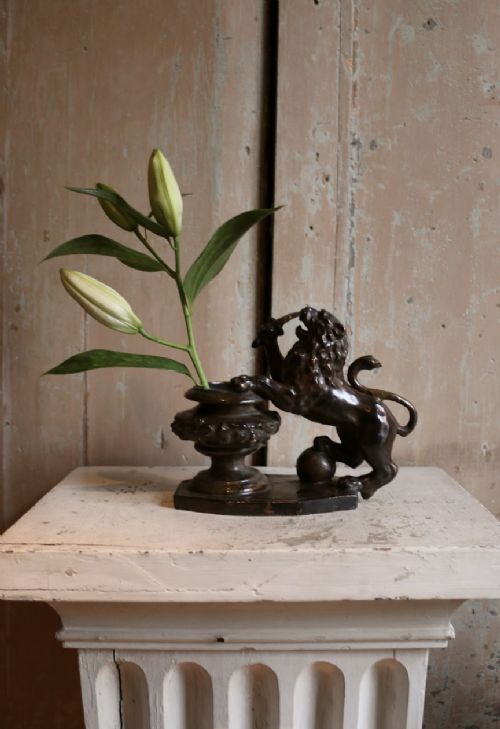
Several winged griffins and watchful lions stand ready to guard your mantelpiece from modern intruders.
Judging quality
The distinction between ordinary and exceptional pieces rests in the sharpness of the carving and the precision of the cast. Finer examples display confident handling of anatomy, drapery, and expression, whereas lesser items rely on generalized details and softer execution.
Material selection and surface preservation further differentiate the range. Works retaining original polychrome, gilding, or rich bronze patination command greater artistic integrity than those with compromised surfaces or later repaintings.
Valentino Besarel·Antonio Rossellino·Paul Fournier·Luigi Frullini
The Renaissance Style Sculpture Glossary
- Grand Tour
- A cultural journey undertaken by European elites that popularized the collection of classical and Renaissance sculpture. These souvenirs often included small-scale bronzes and busts.
- Polychrome
- Decoration executed in multiple colours, frequently applied to wood or plaster sculptures. This technique adds lifelike detail to religious figures and architectural elements.
- Spelter
- A zinc alloy used as a substitute for bronze in decorative figures. It is often given a bronze-like coating to imitate heavier metal.
- Term
- A pillar or pedestal tapering downwards, frequently surmounted by a carved bust or upper human torso. These architectural supports often feature cherubic or classical motifs.
- Giltwood
- Wood that has been coated with thin gold leaf or powder. This finish appears frequently on devotional panels and decorative carvings.
Renaissance Style Sculpture: Frequently Asked Questions
What is a Renaissance style sculpture?
These are works created in the artistic tradition of the fifteenth and sixteenth centuries, or later nineteenth-century revivals inspired by that era.
They include bronze figures, carved wood panels, and marble reliefs depicting human subjects, animals, and religious scenes.
How do I date a bronze sculpture?
Dating relies on examining the casting technique, the nature of the patination, and the stylistic clothing or hair of the subject.
Nineteenth-century revival pieces often utilise different casting marks and alloy compositions compared to earlier works.
Where were these sculptures displayed?
Historically, such pieces adorned noble residences, ecclesiastical settings, and private libraries as symbols of learning and taste.
Later revival pieces were designed to decorate Victorian drawing rooms, studies, and architectural interiors.
How should I care for carved wood sculptures?
Wood sculptures require stable indoor humidity levels to prevent cracking or warping of the carved elements.
Dusting should be performed gently with a dry, soft brush, avoiding chemical polishes that might damage historic finishes.