



Classical Sculpture Fragment
A classical sculpture fragment offers the distilled weight of antiquity, bringing weathered marble, cast plaster, and patinated bronze into modern interiors.
Classical Sculpture Fragment
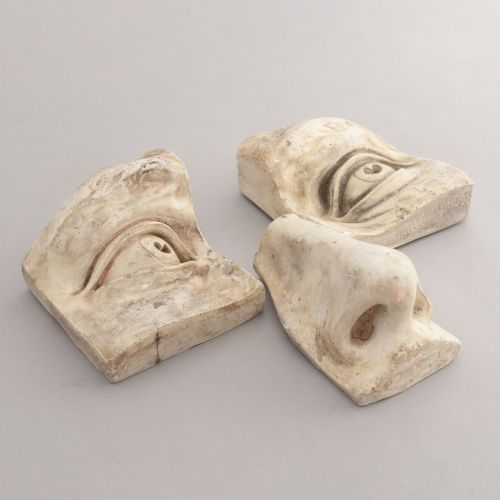
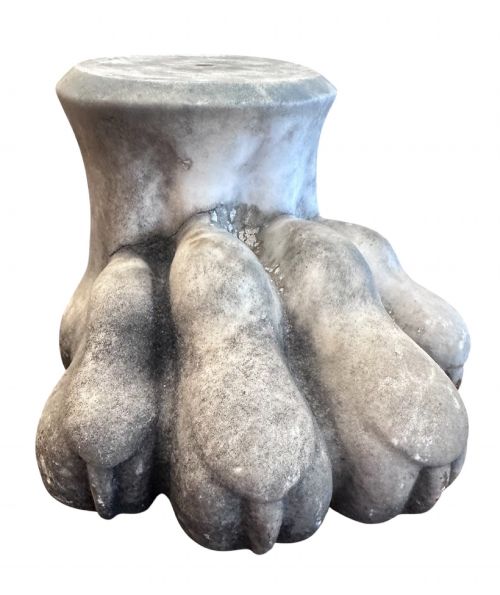
A classical sculpture fragment represents a partial historical form, from isolated lion paws and marble heads to individual eyes of David and horse nostrils. Buyers seek these pieces to introduce architectural gravity and a sense of ancient history into domestic spaces.
The versions most commonly met on this page span the nineteenth century, nineteen hundred, and nineteen thirty, drawing heavily on Italian grand tour styles and neoclassical revivals. These objects frequently take the form of plaster casts, architectural salvage, and theatrical props.
Makers and workshops across Europe, including German studios, produced these items using durable mediums like Carrara marble, papier-mâché, and bronze. Each fragment preserves a specific anatomical study or ornamental detail derived from larger sculptural traditions.
How they were made
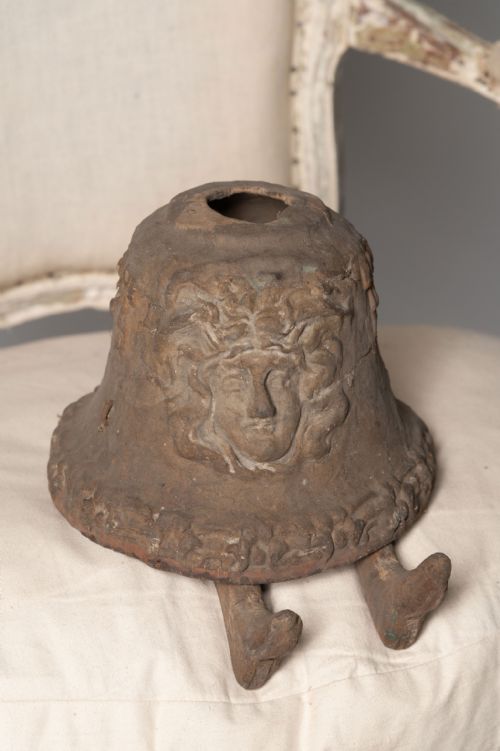
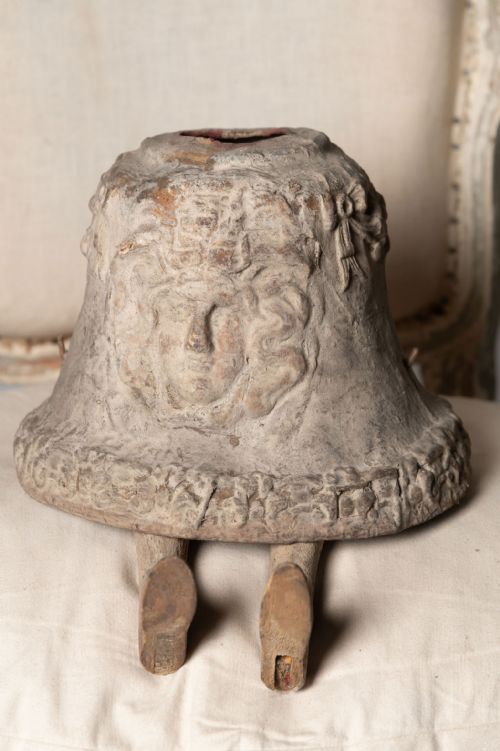
Surfaces were frequently finished with applied patinas or left as plain white plaster and wood to mimic excavated antiquities. The integration of papier-mâché and wood in theatrical props shows how lighter materials served temporary or decorative staging needs.
One unexpected fragment captures just the bronze nostril of a horse, proving that even the smallest breath of antiquity survives.
What varies in quality
The fidelity of the casting separates standard reproductions from superior works, particularly in how sharply fine details like musculature, fingernails, or facial expressions are rendered. Finer pieces demonstrate careful anatomical observation derived directly from historic sculpture rather than loose interpretation.
The integrity and weight of the material influence the overall presence of the object, with solid bronze and dense Carrara marble offering a different tactile permanence compared to lighter plaster, gesso, or papier-mâché.
The Classical Sculpture Fragment Glossary
- Grand Tour
- A traditional trip through Europe undertaken by upper-class travellers in the eighteenth and nineteenth centuries to study classical art and architecture. Objects acquired along the way often included small bronzes and plaster casts.
- Plaster Cast
- A copy of a sculpture made by pouring liquid plaster into a mould taken from the original work. These casts were widely used for academic study and interior decoration.
- Carrara Marble
- A type of white or blue-grey marble quarried in the city of Carrara in the north of Tuscany. It is prized for its fine grain and traditional use in classical sculpture.
- Patina
- A thin layer that naturally or artificially develops on the surface of bronze, wood, or stone through age, exposure, or chemical treatment. It adds depth and character to sculptural surfaces.
- Neoclassical
- A Western cultural movement in the decorative arts and architecture that drew inspiration from the classical art and culture of ancient Greece or Rome. This style dominated much of the eighteenth and nineteenth centuries.
Classical Sculpture Fragment: Frequently Asked Questions
What is a classical sculpture fragment?
A classical sculpture fragment is a detached part or a replica of a larger ancient artwork, such as a hand, head, or architectural element. These pieces focus attention on specific anatomical details or ornamental motifs.
Collectors and decorators prize them for their sculptural form and the historic atmosphere they bring to modern rooms.
How were these fragments used historically?
Historically, many of these pieces served as educational tools in art academies where students learned to draw and model from plaster casts of classical statues. Others were created as souvenirs for travellers or utilised as theatrical props.
Architectural salvage pieces also originated from buildings or larger decorative schemes that were dismantled or renovated over time.
How do I style a sculpture fragment at home?
These fragments work well displayed on plain surfaces like mantels, bookshelves, or dedicated pedestals where their three-dimensional forms can be appreciated from multiple angles. Pairing them with contemporary furnishings creates a striking contrast between old and new.
Because many are substantial in weight, ensure they rest on stable surfaces away from high-traffic edges.
How can I tell the age of a plaster cast?
The age of a plaster cast is typically indicated by the crispness of the casting, the type of underlying support structure, and the wear on the surface finish. Older pieces often exhibit natural patination, minor surface losses, and historical repairs that distinguish them from modern reproductions.
Examining the base and materials can also provide clues regarding the period of manufacture.