
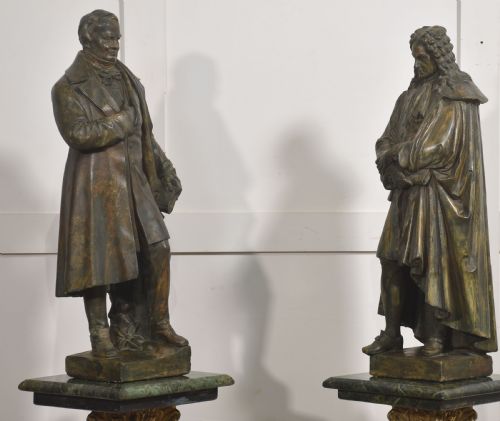

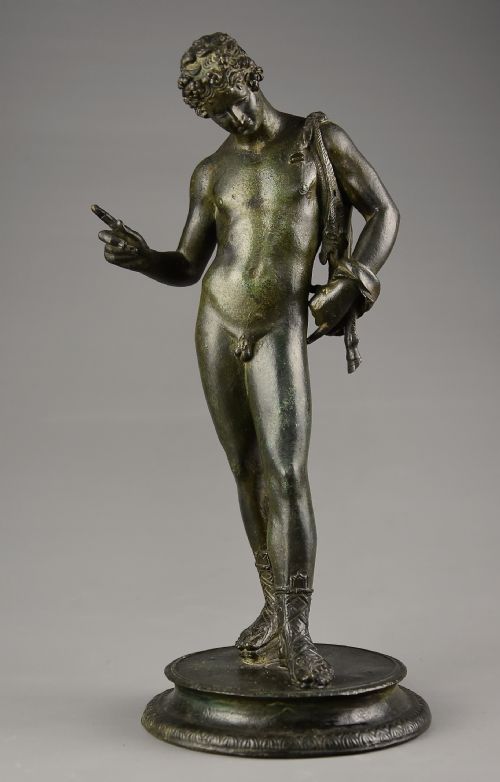

Standing Bronze Sculpture
A standing bronze sculpture brings solid weight, detailed casting and character into a room.
Standing Bronze Sculpture
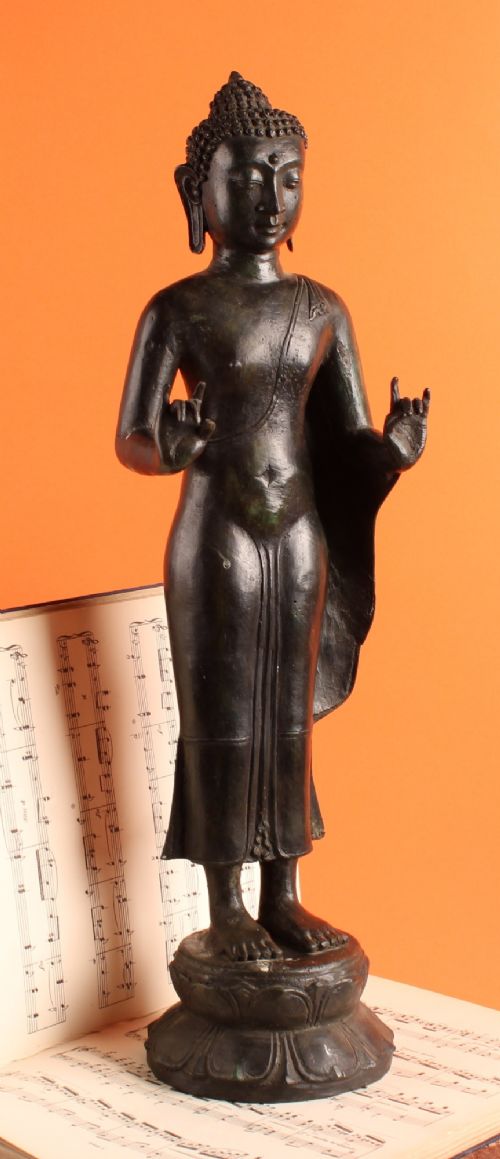
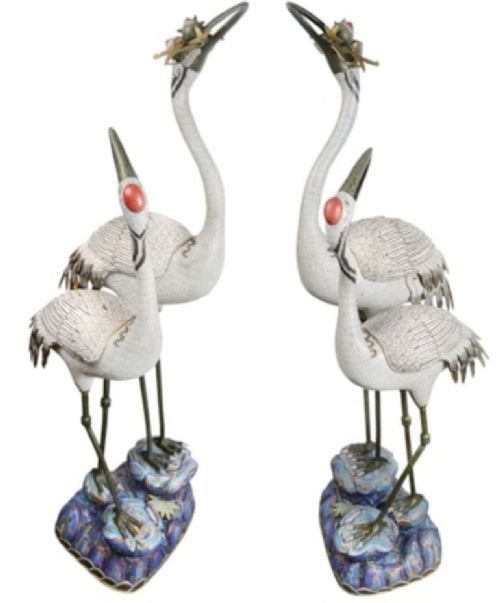
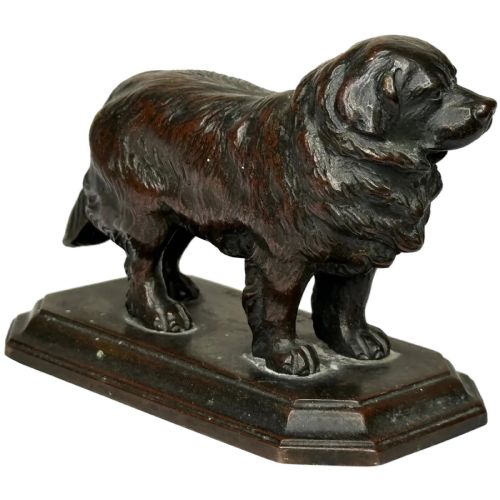
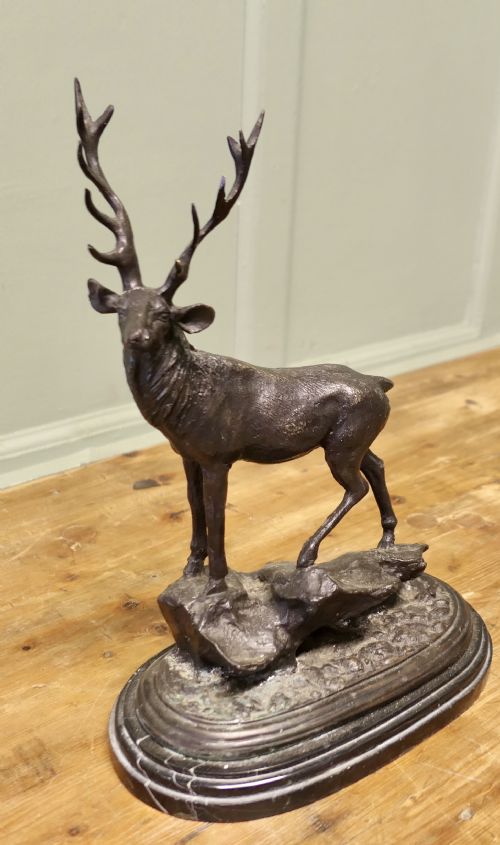
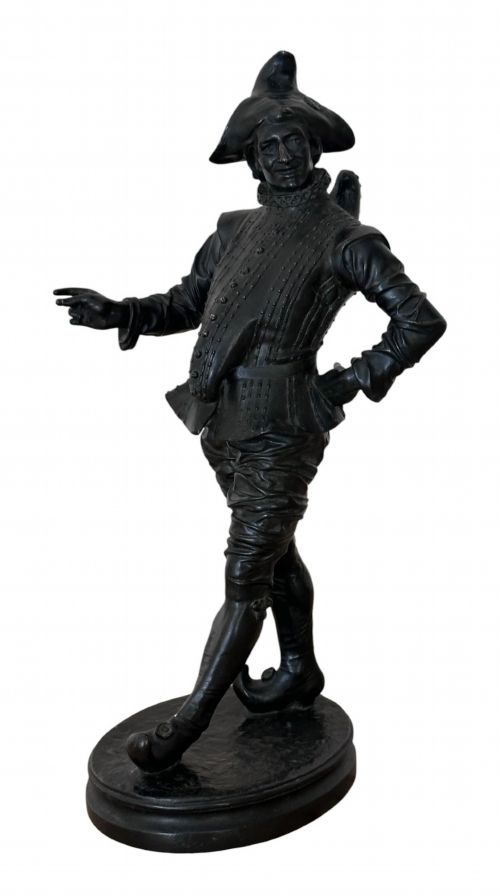
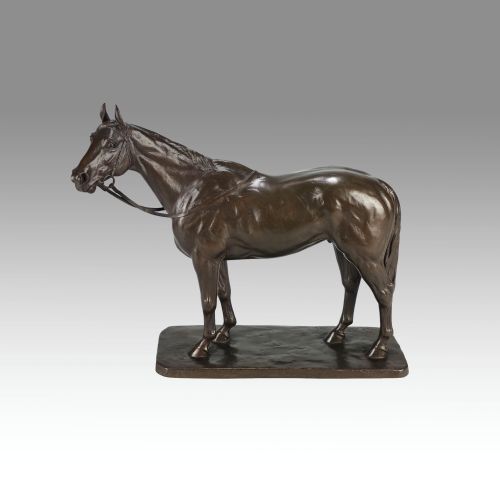
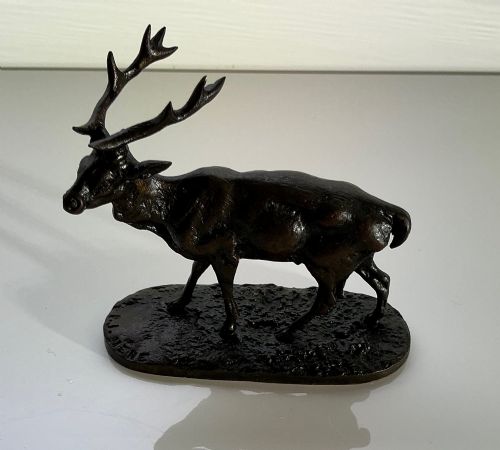
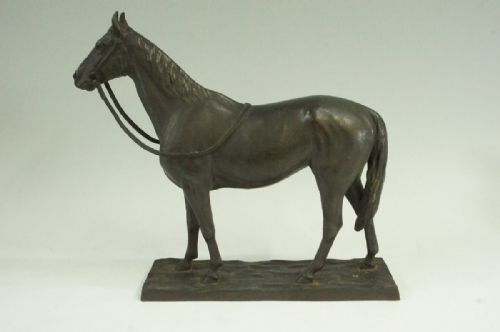
A standing bronze sculpture comprises cast metal figures, animals and deities produced across the nineteenth and early twentieth centuries. These works range from small Austrian cold-painted animal studies to monumental French human figures and Asian devotional bronzes.
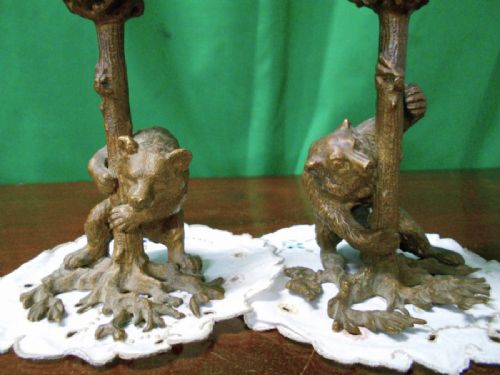
The versions most frequently met on this page include nineteenth-century French animalier bronzes, early twentieth-century Viennese cold-painted bird and animal figures, and South and Southeast Asian cast bronzes. Formats extend from tabletop animal studies and inkstands to floor-standing human figures and mounted deities.
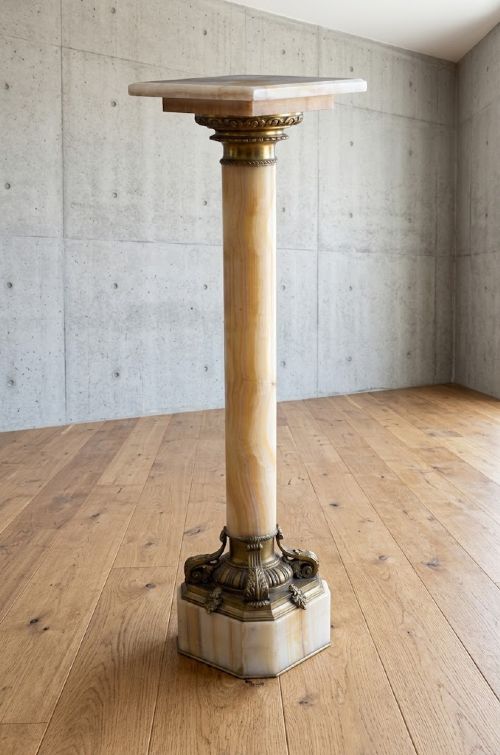
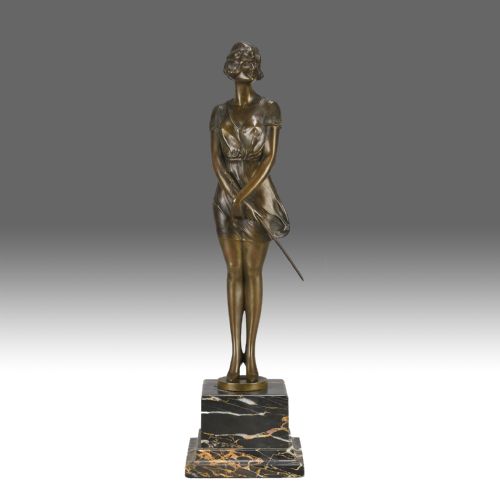
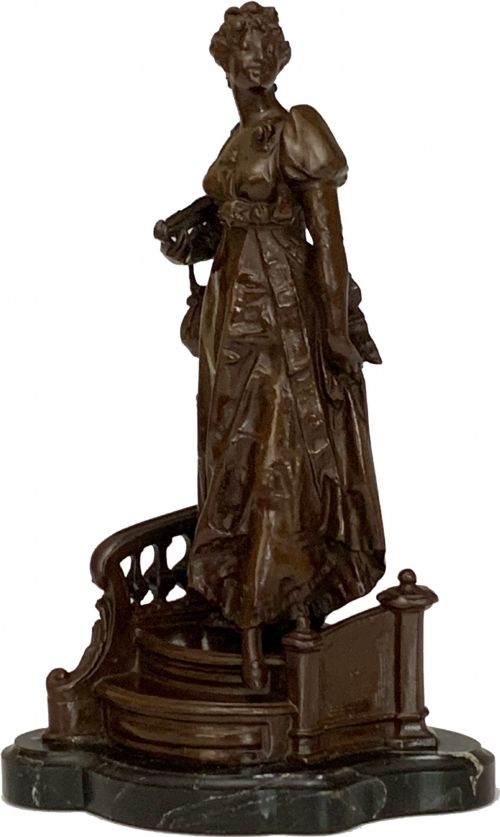
Makers and casters from France, Austria and Asia dominate the selection, often pairing the cast metal with marble plinths, onyx columns or ormolu collars. These pieces reflect diverse cultural traditions, spanning European realism, Art Deco stylisation and traditional religious casting methods.
How they were made
Foundries utilised the lost-wax casting technique or sand casting to shape the molten bronze, achieving intricate details in fur, feather and drapery. Cold-painted pieces received multiple layers of pigment applied over a metallic base, while others relied on chemical patination to produce deep brown, green or black surfaces.
Sculptors frequently mounted their completed metal castings onto supportive bases of marble, onyx or slate, sometimes securing them with ormolu collars. Artisans chased and chiselled the cooled bronze surfaces by hand to sharpen facial expressions, musculature and textures before finishing.
Listings feature bronze, marble, ormolu, gilt bronze, plaster, glass, and brass across nineteenth and early twentieth-century periods.
What varies in quality
The richness and stability of the patination or cold-painted pigments dictate visual depth, with uneven flaking or crude repainting reducing the integrity of the object. Furthermore, the selection of supporting materials, such as solid marble plinths versus softer chalk or spelter alternatives, influences the overall substance of the work.
Bruno Zach·P Granet·Kunio Itô·PJ Mene·Georges Van Der Straeten·Dopmeier·Franz Bergman·Fabergé·Hebrard·Barbedienne·Edith Parsons·Antonin Mercié·Joaquim Angles
The Standing Bronze Sculpture Glossary
- Animalier
- A nineteenth-century artistic movement focused on the realistic depiction of animals, particularly predators and domestic beasts. Sculptors in this style studied live subjects closely at menageries.
- Cold-painted bronze
- A technique where bronze castings receive paint applications without subsequent firing in a kiln. This method was particularly popular in Vienna workshops for small animal figures.
- Patination
- The chemical colouring applied to the surface of bronze to alter its tone. A dark brown or green patination protects the metal and adds visual depth to the form.
- Lost-wax casting
- A traditional method where a model is encased in wax, melted out, and replaced with molten metal. This process permits complex undercuts and fine surface details.
- Ormolu
- Gilt bronze ornamentation applied to furniture, bases and clocks. The process involves coating metal objects in a mercury and gold amalgam.
Standing Bronze Sculpture: Frequently Asked Questions
How do I clean my bronze sculpture?
Dust the bronze gently with a soft, dry brush or microfibre cloth to remove surface particles without disturbing the patination.
Avoid using water, chemical solvents or abrasive metal polishes, as these treatments strip away historical patinas and damage the surface.
What is cold-painted bronze?
Cold-painted bronze refers to metal figures coated with oil or enamel paints after casting, without undergoing kiln firing.
This technique produced vibrant birds and human figures in Austrian workshops, requiring careful handling to prevent paint loss.
How are bronze figures mounted?
Many bronze sculptures are secured directly to weighted bases made of marble, onyx, slate or carved stone for stability.
Foundries often used threaded rods or pins underneath the figure to anchor the metal securely to its plinth.
How do I identify animalier bronzes?
Animalier bronzes focus strictly on anatomical accuracy and dynamic movement in wild or domestic animals.
These pieces typically date from the nineteenth-century French school and bear signatures or foundry stamps near the base.