



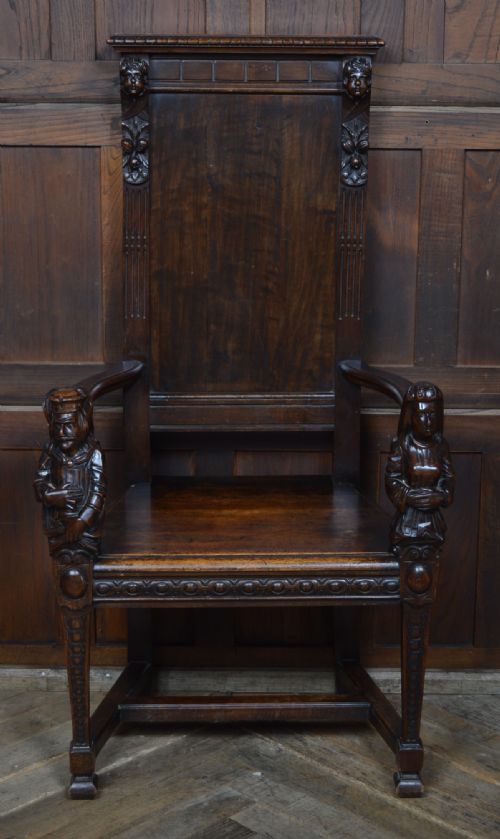


Renaissance Revival Carved Panels
These renaissance revival carved panels bring the dramatic depth and architectural weight of earlier centuries directly into nineteenth-century and later domestic interiors.
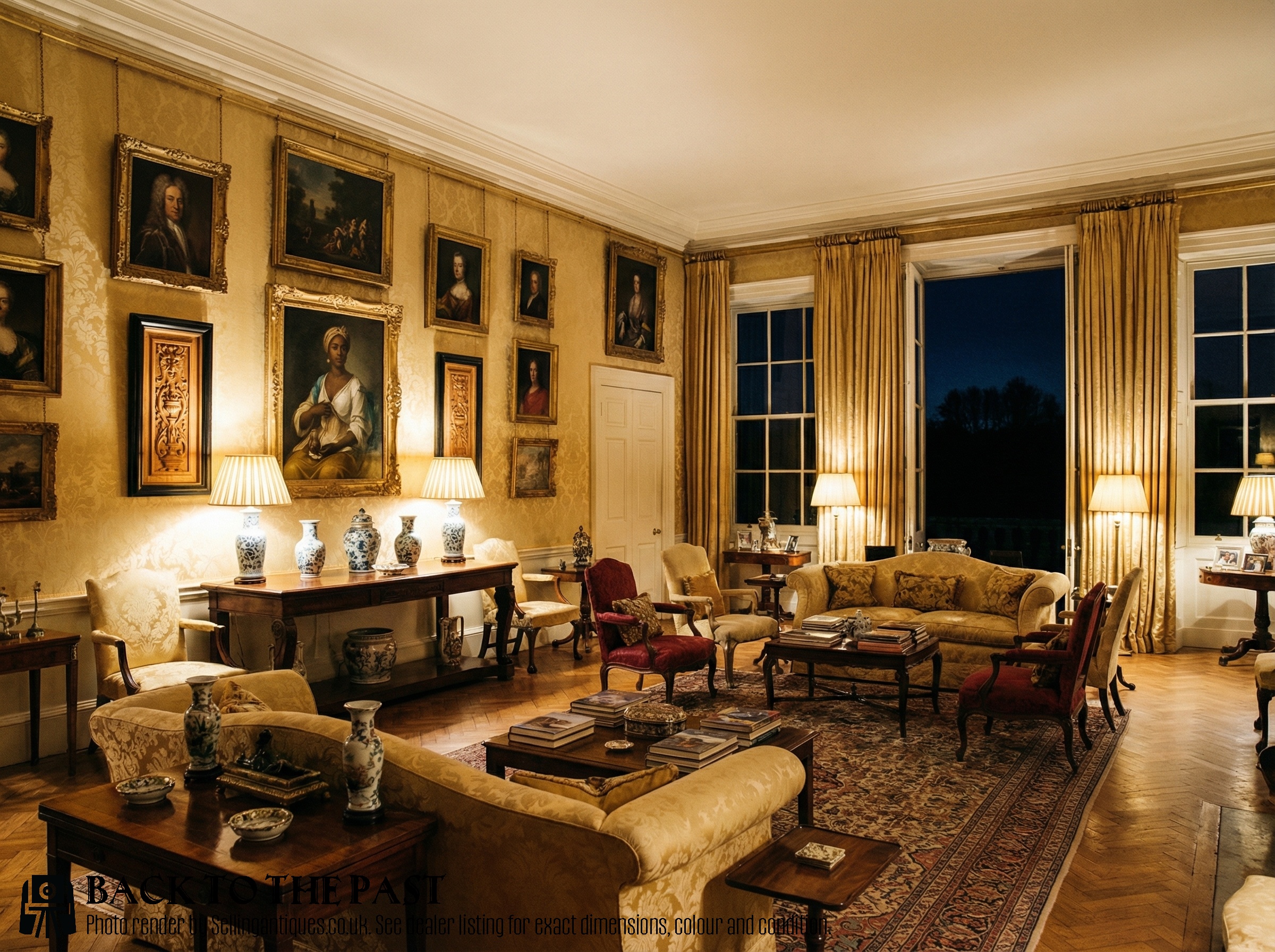
Renaissance Revival Carved Panels
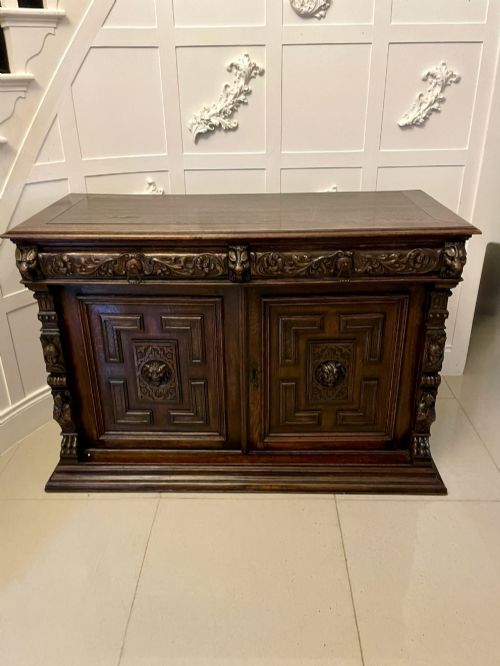
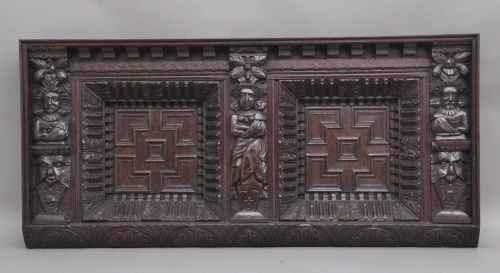
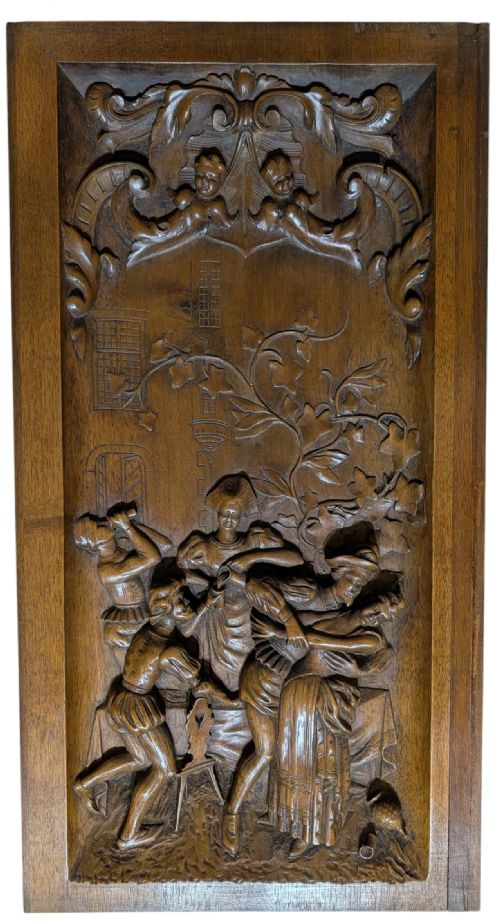
When you search for renaissance revival carved panels, you encounter a selection of architectural salvage, wall carvings, and decorative elements largely rooted in the nineteenth century. These pieces draw heavily on earlier vocabularies, adapting seventeenth-century and continental motifs into forms suited to Victorian and Edwardian homes. The inventory spans from individual wall plaques and architectural decorations to larger components integrated into furniture or architectural settings.
Many of the examples present as oak or walnut panels, often incorporating figural work such as putti or mythological terminals alongside dense foliate carving. While some items date directly to the nineteenth-century revival periods, others incorporate earlier elements or span related styles like Jacobean Revival and French Henri II. They serve primarily as decorative wall hangings or structural salvage with a strong sculptural presence.
Materials and construction
The makers relied predominantly on dense hardwoods such as oak and walnut, chosen for their ability to hold crisp, deep relief work over time. These timbers were worked with hand chisels and gouges, creating the characteristic shadows and high-relief detailing associated with the revival aesthetic. Occasional alternative materials like fruitwood, bronze, and leathermaché also appear in the record, expanding the textural range of the decorative elements.
Surface finishes typically enhance the natural grain of the wood through polishing or staining, occasionally complemented by applied pigment or tooling on associated leather components. Construction methods range from solid timber panels carved from the single board to composite architectural salvage assembled from multiple carved elements. The physical weight and rigidity of these materials dictated their use as wall hangings, overmantel surrounds, or integrated furniture components.
Listings feature items spanning from the seventeenth century through the Victorian era up to nineteen-twenty, predominantly utilising oak and walnut alongside occasional brass and leathermaché.
Distinctions in quality
The distinction between standard decorative salvage and finer pieces lies principally in the crispness and depth of the hand carving. Superior examples exhibit anatomical accuracy in figural subjects such as putti or griffin terminals, where musculature and drapery are rendered with deliberate artistic control rather than generic repetition. The clarity of undercut details and the natural integration of grain with design signal the hand of a more accomplished woodcarver.
Material selection and proportion further separate the tiers of work. High-grade items utilise well-seasoned, highly figured walnut or quarter-sawn oak that resists warping and accepts fine detailing without splintering. The overall balance of the composition, whether an independent wall panel or a terminal ornament, determines its architectural success and visual impact.
The Renaissance Revival Carved Panels Glossary
- Renaissance Revival
- A nineteenth-century aesthetic movement drawing inspiration from the art and architecture of the fifteenth and sixteenth centuries. It heavily reinterprets classical motifs, symmetry, and elaborate ornamentation.
- Architectural Salvage
- Building components and decorative elements recovered from structures slated for demolition or remodelling. These pieces are repurposed for interior decoration or restoration.
- Caquetoire
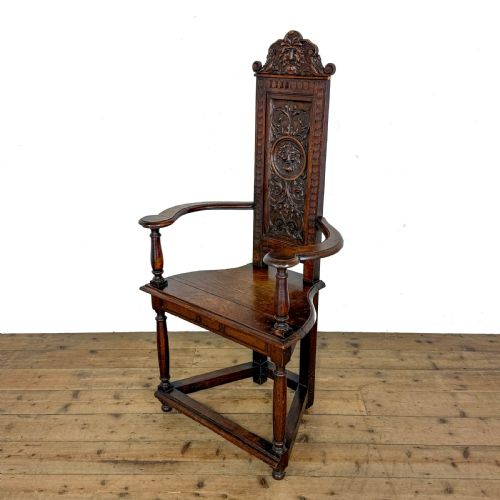
- A type of light, high-backed armchair originating in sixteenth-century France, featuring a narrow seat designed to accommodate the voluminous skirts of the period.
- Overmantel
- A decorative structure, mirror, or panel placed directly above a fireplace mantelpiece. It often anchors the visual weight of a chimney breast within a room.
- Putti
- Depictions of chubby, winged male infants used as decorative motifs in classical and revival art. They frequently appear in relief carvings alongside scrolling foliage.
- Terminal
- A sculptural pillar or pilaster that tapers toward the base, frequently ending in a bust or figure rather than a traditional capital. They often frame panels or architectural openings.
Renaissance Revival Carved Panels: Frequently Asked Questions
How were these carved panels originally used?
These panels were typically integrated into the interior architecture of substantial homes, serving as wall panelling, overmantel surrounds, or decorative inserts within larger pieces of furniture like sideboards and cabinets. They were designed to project status and a connection to historical European design traditions.
Over time, many of these elements were salvaged from older buildings or dismantled furniture, becoming independent decorative objects intended for wall hanging or display in nineteenth-century and later domestic spaces.
What is the difference between oak and walnut pieces?
Oak panels tend to feature a pronounced grain structure and a certain rustic gravity, aligning closely with English Jacobean and Gothic revival traditions. Walnut, conversely, permits finer, sharper detail work and was frequently favoured for continental styles such as French Henri II.
Both timbers were chosen for their durability, but walnut often commands attention for its smooth, dark patination and suitability for complex figural carving.
How do I date a revival carved panel?
Dating relies heavily on evaluating the tool marks, timber characteristics, and stylistic quirks of the specific revival period, most commonly falling into the nineteenth century. Examining the back of the panel often reveals construction methods, saw marks, and ageing patterns that distinguish a nineteenth-century interpretation from an older original.
One must look closely at how the panel was mounted or framed, as nineteenth-century secondary woods and fixings differ significantly from those of the seventeenth or eighteenth centuries.
Can these heavy wall carvings be hung safely?
Due to the dense hardwoods involved, these panels possess considerable weight and require robust, secure wall fixings anchored directly into studs or masonry. Professional framing or mirror-hanging brackets distributed evenly across the back structure ensure the piece is supported without placing undue stress on the ancient wood.
Consulting a professional installer is advisable for particularly large architectural salvage pieces to prevent structural separation or wall damage.
What styles are most commonly found alongside these panels?
The inventory frequently intersects with Victorian Gothic, Jacobean Revival, and French Henri II aesthetics, reflecting the nineteenth-century appetite for historicism. These styles share a vocabulary of heavy mouldings, strapwork, and sculptural figures.
Pieces often blend elements from different centuries, as nineteenth-century artisans freely combined earlier decorative motifs with contemporary furniture forms like sideboards, caquetoire armchairs, and secretaire bookcases.