


Renaissance Furniture
Renaissance furniture brings heavy timber and carved ornament into a room, offering strong architectural presence and functional storage.
Renaissance Furniture
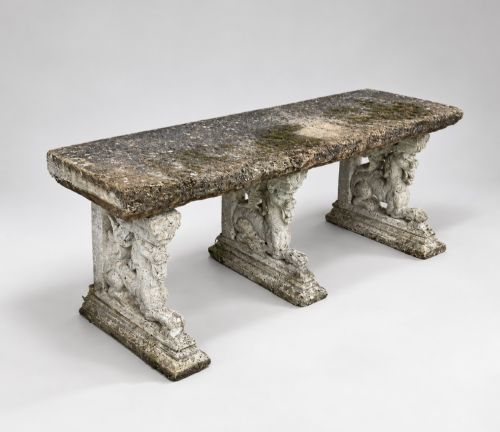
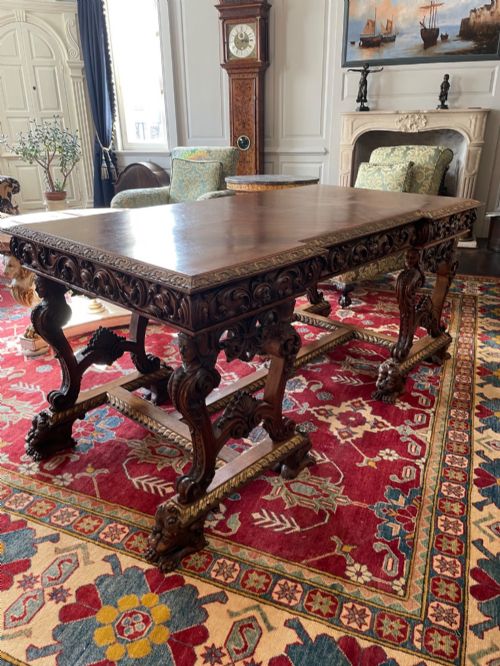
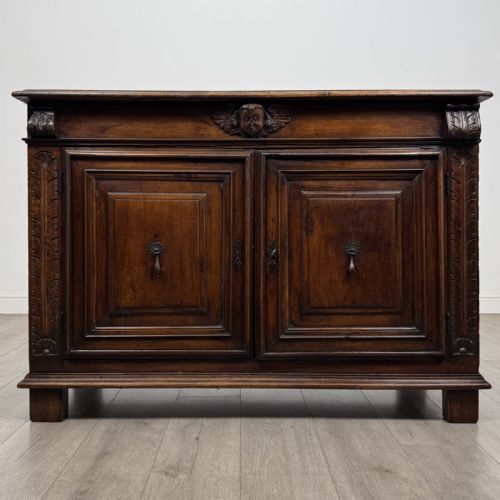
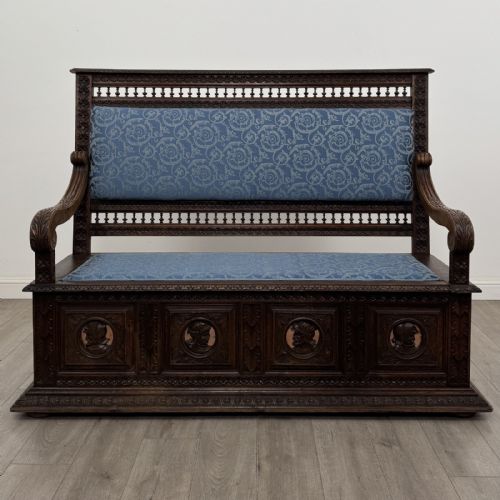
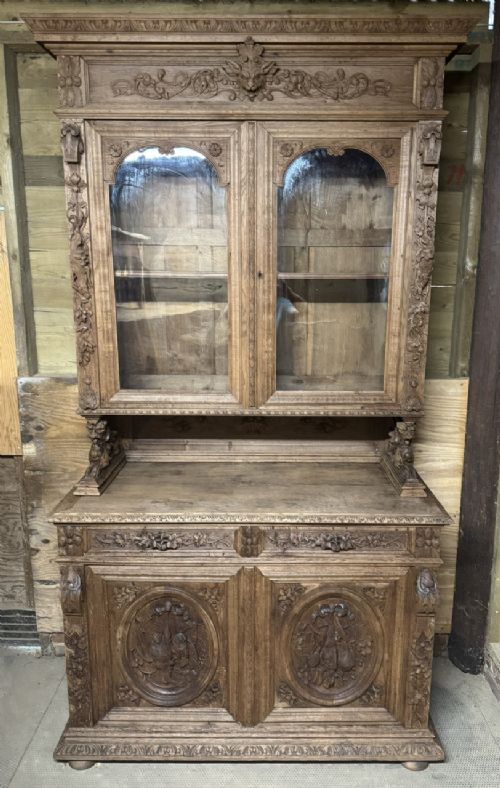
When searching for renaissance furniture, buyers encounter robust pieces dating from the seventeenth century alongside nineteenth-century revival interpretations. The selection spans utilitarian storage and seating forms, including cabinets, hall benches, settles, and dining tables.
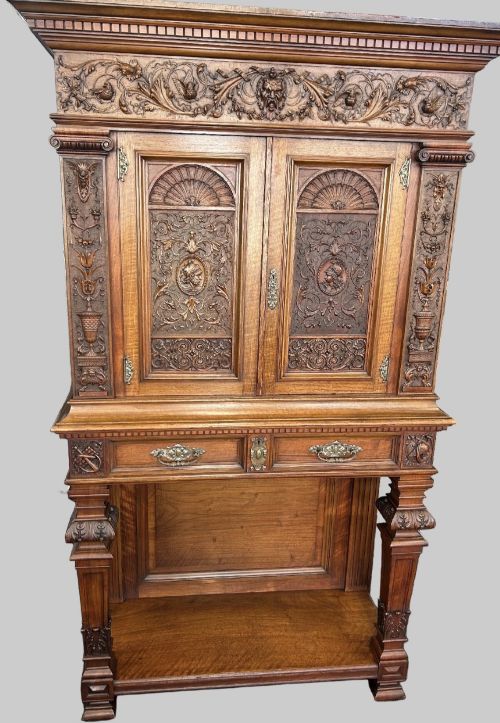
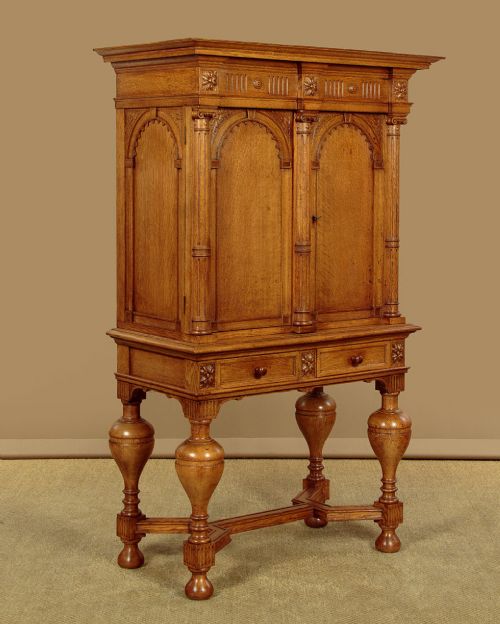
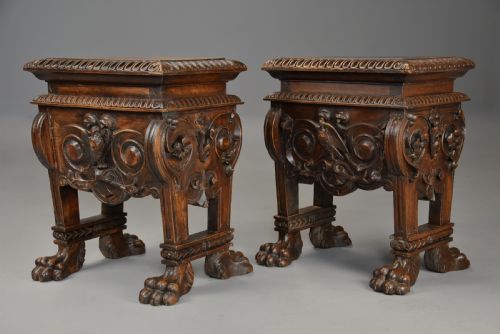
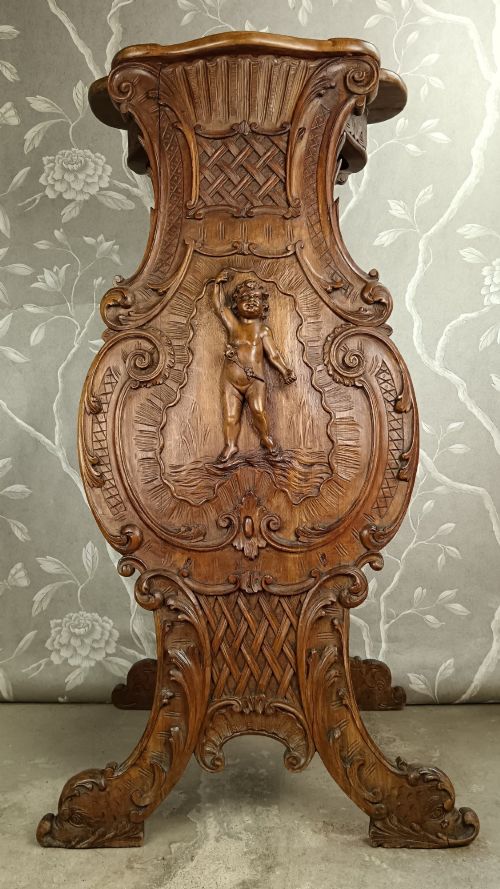
Italian, Flemish, and Spanish influences dominate the selection, often expressed through elaborate carvings in walnut and oak. These pieces range from grand cabinets on stands to smaller hall chairs and occasional tables.
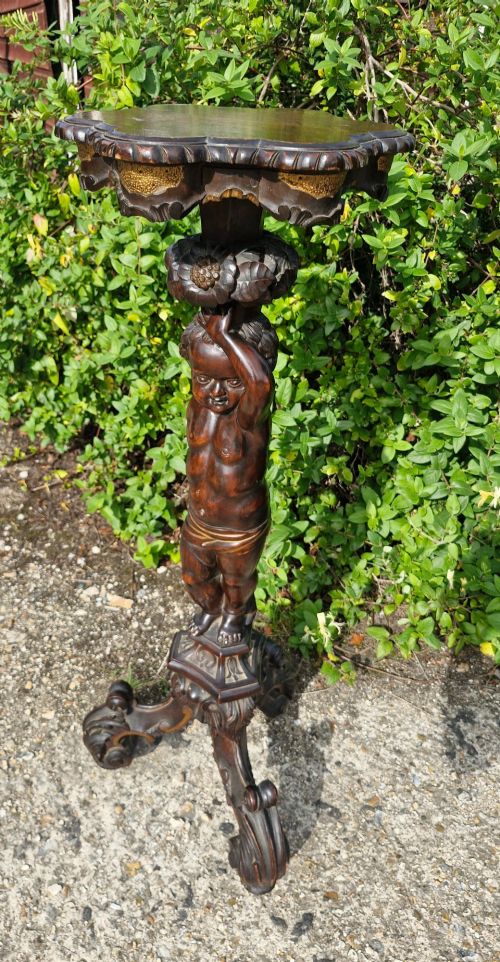
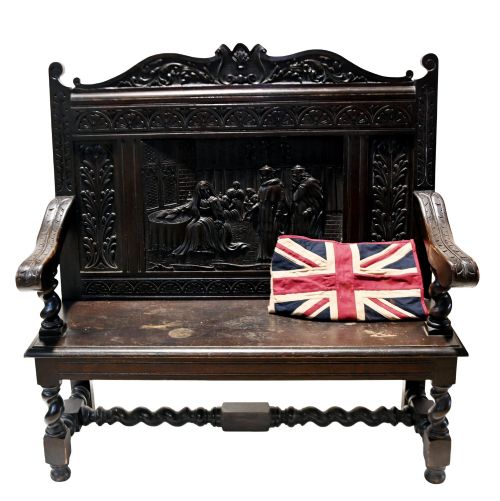
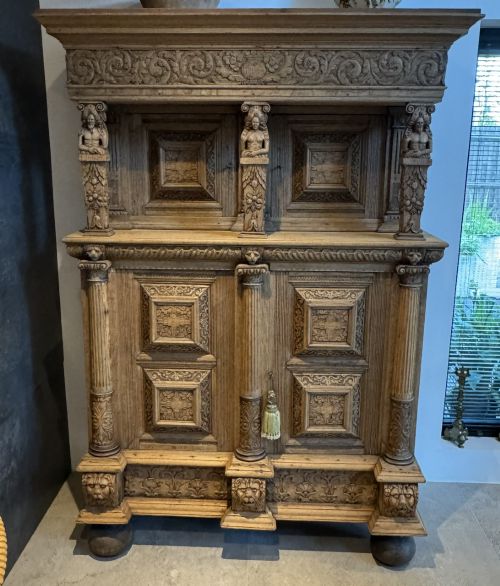
Revival pieces from the Victorian era sit alongside earlier period items, showing how later makers reinterpreted sixteenth and seventeenth-century motifs. Buyers frequently find oak and walnut forms featuring panels, caryatids, and figural carvings.
How they were made
Makers relied primarily on solid oak and walnut, selecting timber for strength and deep grain. Fruitwood also appears in specific regional pieces, whilst iron and brass provide structural hardware and decorative mounts.
Construction techniques centre on heavy mortise and tenon joinery to support elaborate hand-carved ornamentation. Panels are typically inset into sturdy frames to accommodate the natural movement of dense hardwoods over centuries.
Renaissance Furniture Retail Price Guide 2026
Typical asking prices for renaissance furniture among the pieces listed under this phrase on Sellingantiques today, from the lower quarter to the upper quarter. They describe what is for sale here now, not the wider market.
The inventory spans the seventeenth, eighteenth, and nineteenth centuries, alongside revival movements.
What varies in quality
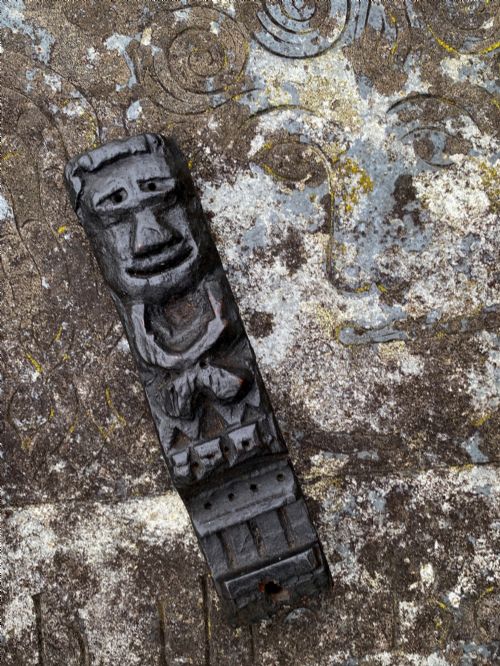
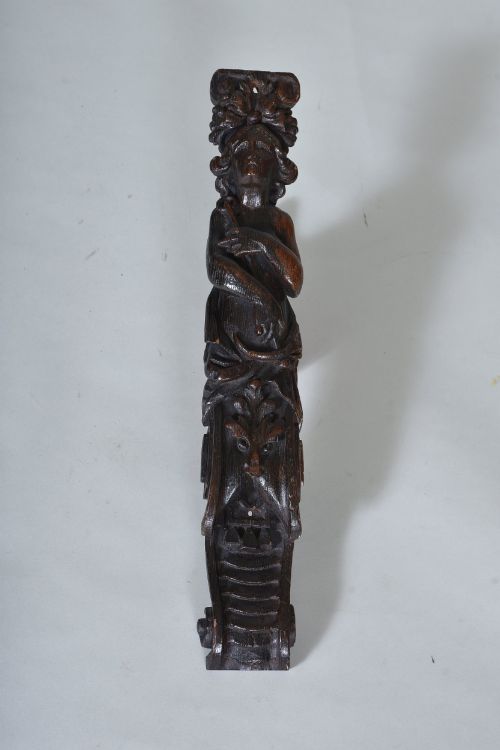
Depth and crispness of the hand-carving separate standard production from exceptional work, particularly on figural elements like Green Man masks and caryatids. Superior examples exhibit deliberate undercutting and clean tool marks rather than soft, moulded relief.
The choice of primary timber and the integrity of original surface patination dictate the standing of a piece. Solid walnut and quarter-sawn oak with untouched finishes command greater interest than heavily restored or later composite builds.
Gillows·White, Allom and Co
The Renaissance Furniture Glossary
- Cassapanca
- A wooden bench with storage beneath the seat, often featuring a carved back and armrests. This form served as seating and a trunk in grand halls.
- Vargueno
- A decorative cabinet originating in Spain, featuring a drop-front panel that conceals numerous small drawers and compartments. These portable writing cabinets typically rested on dedicated wooden stands.
- Caryatid
- A sculpted female figure serving as an architectural support pillar instead of a column. They appear frequently on the corners of cabinets and pedestals.
- Settle
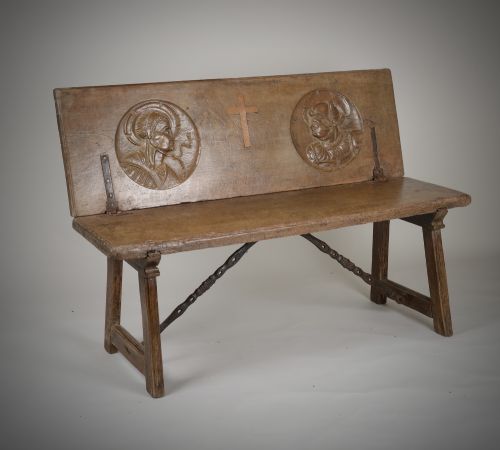
- A wooden bench with a high back designed to block draughts, often incorporating a hinged seat for storage. Monks benches represent a related variant with a convertible back.
- Revival
- A design movement that reproduces or reinterprets historical styles from earlier centuries. Nineteenth-century makers frequently adopted sixteenth-century motifs for domestic oak furniture.
Renaissance Furniture: Frequently Asked Questions
What is a cassapanca used for?
A cassapanca functions as both a hall bench and a storage chest. The hinged seat opens to reveal a deep compartment for blankets or garments.
Historically placed in grand entrance halls, these pieces provided immediate seating while keeping cloaks and household goods secured away.
Are these pieces made from solid wood?
Construction relies heavily on solid hardwoods such as oak and walnut, chosen for structural stability and deep grain. Panels and heavy frames were built to withstand centuries of use.
Revival pieces from the nineteenth century maintain this solid timber construction, utilising traditional joinery methods.
How do I care for antique oak furniture?
Keep wooden pieces away from direct heat sources and sudden humidity shifts to prevent the timber from splitting. Regular dusting with a soft cloth maintains the surface.
Applying traditional wax polish occasionally nourishes the grain without building up heavy chemical layers that obscure the natural patina.
What is a monks bench?
A monks bench is a convertible seat featuring a pivoting back that folds down over the arms to form a table top. This dual-purpose design conserved space in smaller rooms.
Carved ornamentation on the panels often reflects seventeenth-century motifs, though many surviving examples date from nineteenth-century revival periods.