


Renaissance Carved Coffer
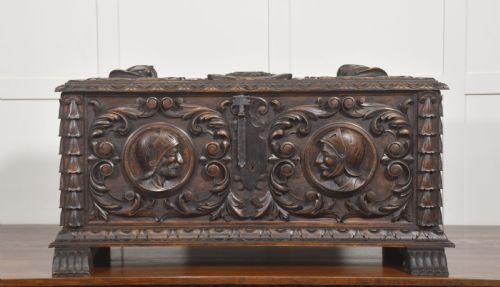
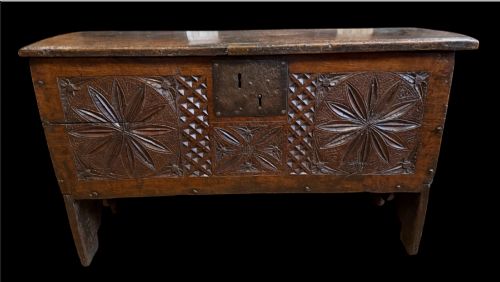
A renaissance carved coffer brings substantial historical presence into a room, offering robust storage fashioned from heavy timbers.
Renaissance Carved Coffer
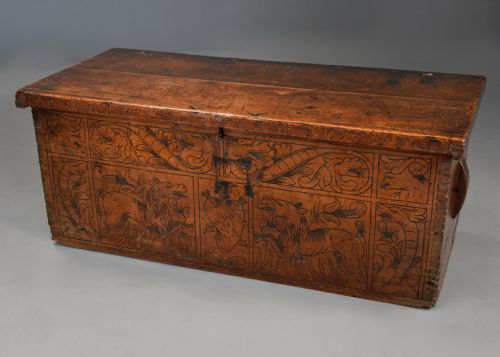
When you search for a renaissance carved coffer, you encounter heavy timber chests and storage boxes spanning the sixteenth to nineteenth centuries. These pieces originate from England, Spain, and Italy, reflecting diverse regional interpretations of classical and Gothic motifs.
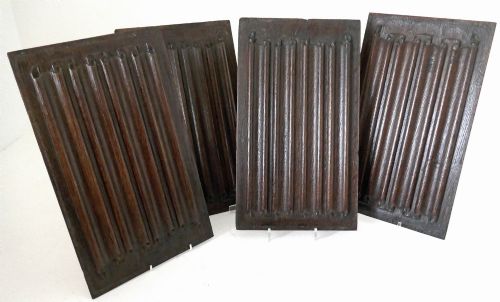
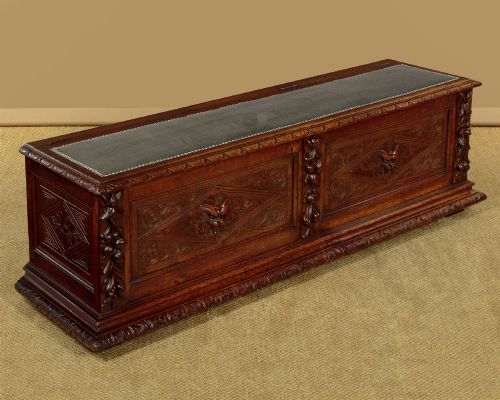
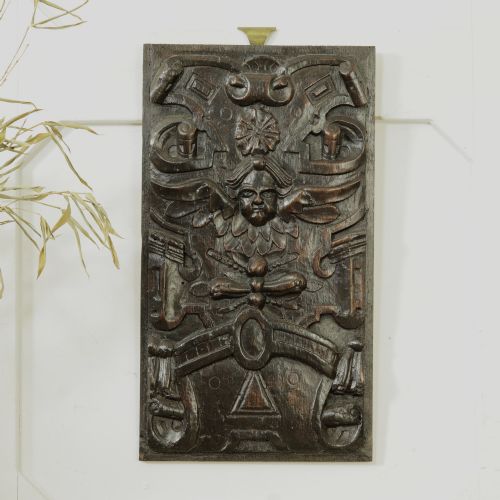
The version you are most likely to meet on this page is constructed from oak or walnut, often displaying deeply carved panels, linenfold patterns, or figural medallions. Alongside traditional chests, the selection includes related forms such as cassone marriage chests, hall benches, and wall panels.
Many examples date directly to the sixteenth and seventeenth centuries, while others represent later revival periods from the Victorian era and the end of the nineteenth century. Each piece serves primarily as a storage container or functional bench seat with a hinged lid.
How they were made
Carpenters constructed these pieces using solid hardwoods such as oak, walnut, cypress, cedarwood, and pine, joined with traditional framing and panel techniques. Boards were planed by hand and assembled to accommodate the natural movement of timber over centuries.
Carvers applied chisel and gouge directly to the wood surface, creating high-relief scenes, foliate scrolls, and figural medallions. Iron and brass hardware, including hinges, brackets, and locks, secured the lids and structural joints.
Surface treatments included applied gilt decoration and organic finishes that developed deep patinas over long periods of use. Cedarwood and cypress were selected in southern Europe for their aromatic qualities and resistance to pests.
Many seventeenth-century Italian chests were lined with aromatic cypress to keep moths away from delicate wedding silks.
What varies in quality
The depth and execution of the carving separate simpler utilitarian boxes from masterworks commissioned for elite patrons. Crisp relief work in walnut or oak demonstrates greater sculptural ambition than shallow, repetitive incisions.
The integrity of the original timber structure and the survival of early surfaces determine the historical standing of a piece. Retaining original hinges, locks, and patinated finishes preserves the authentic character established by centuries of handling.
The Renaissance Carved Coffer Glossary
- Cassone
- An ornate chest associated with Italian marriage customs, often decorated with carved panels, gilt finishes, and figural medallions. These pieces held the bride's dowry.
- Linenfold
- A style of wood carving that imitates folded parchment or linen, commonly found on sixteenth-century panels. It creates a rhythmic, vertical texture across the surface.
- Settle
- A wooden bench with a high back, solid arms, and a box seat that often lifts for storage. It combined seating with utility in early domestic interiors.
- Patina
- The surface sheen and colour developed by wood, metal, and polish through age and use. It reveals the physical history of the object.
Renaissance Carved Coffer: Frequently Asked Questions
What were coffers used for originally?
Coffers served primarily to store precious textiles, legal documents, valuables, and personal belongings in domestic and ecclesiastical settings. Their heavy construction and robust locks protected contents from theft, dampness, and pests.
In prosperous households, large examples doubled as seating benches or tables when covered with cushions. Marriage cassones specifically transported and housed a bride's dowry items during wedding processions.
How do I tell a sixteenth-century piece from a nineteenth-century revival?
Sixteenth-century examples display tool marks consistent with hand-cleaved and pit-sawn timbers, alongside joinery methods utilising wooden pegs and hand-forged iron. The wood exhibits deep historical shrinkage, oxidation, and wear patterns accumulated over hundreds of years.
Nineteenth-century revival pieces often incorporate machine-sawn components, standardised screws, and stylised carving that mimics earlier aesthetics without the corresponding structural fatigue. Examining the interior surfaces and underside provides clear evidence of period manufacturing techniques.
Where should I place a coffer in a modern home?
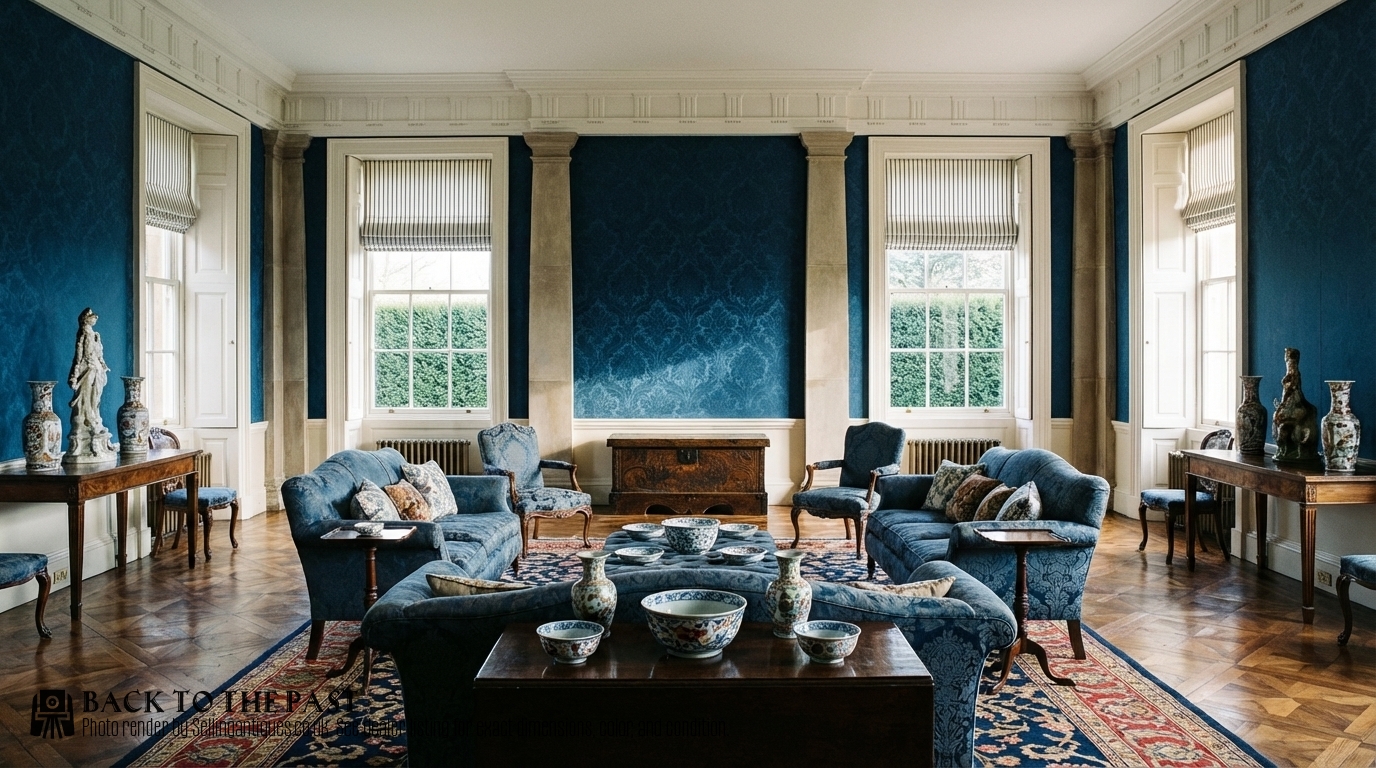
A coffer functions effectively as a hallway bench, providing seating alongside concealed storage for shoes and textiles. Placing it at the foot of a bed offers practical blanket storage while anchoring the room's proportions.
In a living space, a low coffer serves as a sturdy focal point against a wall, beneath artwork, or functioning as a low surface. Keeping the timber away from direct heat sources protects the antique wood from drying and splitting.
How do I care for antique wood surfaces?
Maintain the timber by dusting regularly with a soft, dry cloth to prevent particulate accumulation. Apply occasional applications of appropriate wax to nourish the grain and preserve the existing patina without creating a heavy buildup.
Protect the piece from direct sunlight and sudden temperature shifts, which cause wood to expand and contract. Maintaining stable indoor humidity levels ensures the structural stability of ancient joints and panels.