


Antique Spanish Coffer
An antique spanish coffer brings heavy timber, studwork and iron to a room, offering centuries of storage with an undeniable presence.
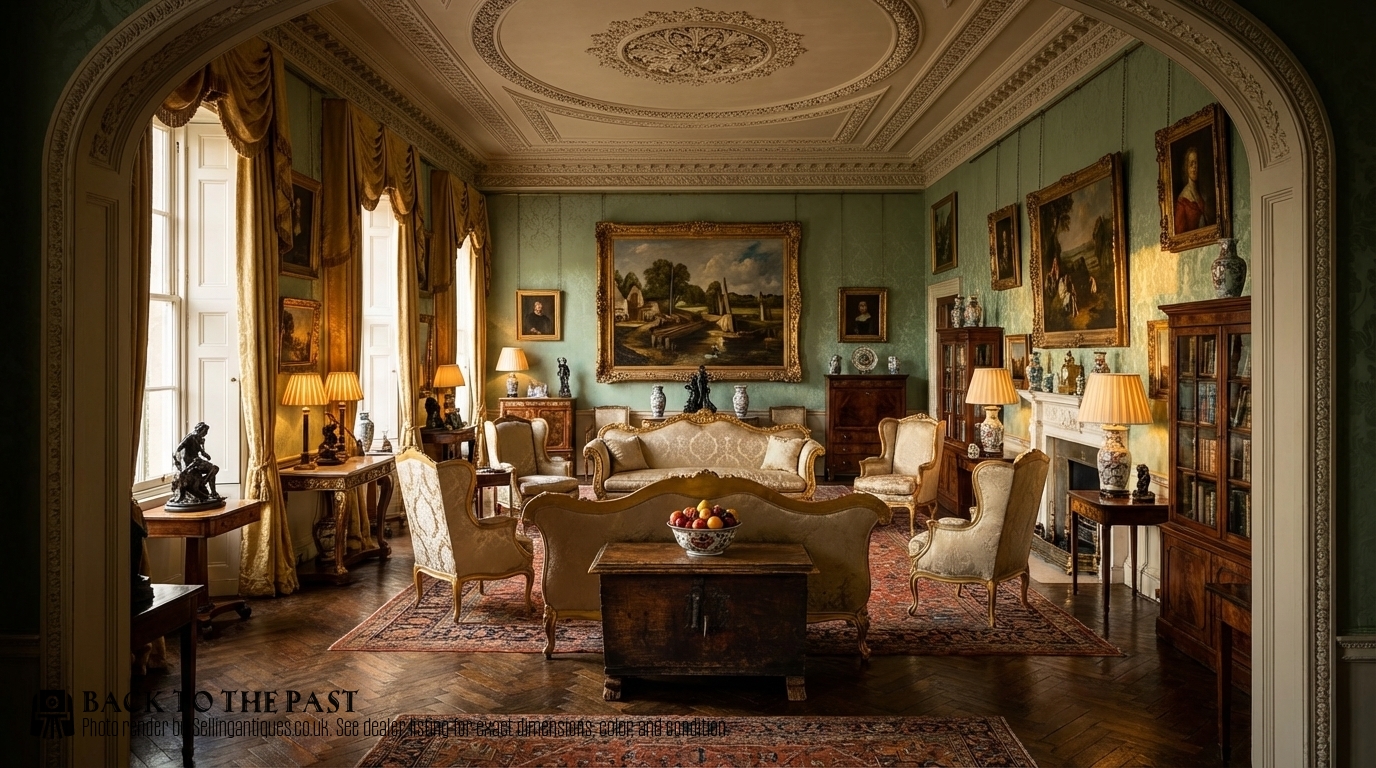
Antique Spanish Coffer
An antique spanish coffer serves as a sturdy storage vessel, taking forms such as dome-top trunks, blanket chests, flat-topped boxes and table cabinets. These pieces emerge from periods ranging from pre-sixteenth century examples up to around eighteen hundred, capturing styles from gothic and renaissance to baroque and colonial.
Buyers encountering this selection will find robust constructions designed for domestic storage or travel. The inventory ranges from substantial walnut and oak floor chests down to smaller leather-clad storage boxes and wall decor panels.
Materials and construction
Cabinetmakers utilised solid timbers including walnut, oak, pitch pine and pine for the primary body of each antique spanish coffer. These heavy woods provided the structural integrity needed for large storage chests and low coffers.
Many examples feature exterior cladding in leather fixed with decorative nailhead details, alongside heavy wrought iron and brass mounts, hinges and locks. Painted surfaces and moorish style decoration appear on select blanket chests from the later periods.
Some chests wear their travel scars proudly, carrying iron locks that likely outlasted the owners' keys centuries ago.
Factors that distinguish quality
The distinction between ordinary and exceptional pieces rests in the integrity of the original timber and the survival of secondary materials like leather cladding and ironwork. Intricate gothic tracery, elaborate brass stud patterns and untouched surface patination elevate certain chests above standard utilitarian boxes.
The presence of functioning original locks with matching keys and uncompromised internal joinery separates masterwork pieces from those heavily altered or restored over centuries of use.
The Antique Spanish Coffer Glossary
- Coffer
- A large strongbox or chest used for storing valuables, linen or documents. These objects typically feature hinged lids and sturdy locking mechanisms.
- Moorish style
- Decorative motifs influenced by the historic islamic culture of the Iberian peninsula. This aesthetic often manifests in geometric surface patterns and intricate nailhead arrangements.
- Wrought iron
- Iron beaten into shape by hand while hot, commonly utilised for structural braces, strap hinges and corner brackets on heavy storage trunks.
- Dome top
- A rounded lid construction designed to shed water and increase internal storage capacity. This profile appears frequently on sixteenth and seventeenth century travel trunks.
- Panel
- A distinct section of woodwork fitted within a surrounding frame to prevent splitting as the timber expands and contracts.
Antique Spanish Coffer: Frequently Asked Questions
What were antique spanish coffers used for?
These vessels stored valuable textiles, household provisions, armour and important documents securely within domestic and institutional settings.
Their heavy construction and iron locking systems made them suitable for transporting possessions during travel or long journeys.
How do I date an old coffer?
Dating relies on examining the construction methods, such as hand-cut dovetails, iron strapwork and the specific type of timber utilised.
Stylistic markers like gothic tracery or baroque carvings further narrow down whether a piece belongs to the sixteenth, seventeenth or eighteenth century.
Are these chests heavy?
Most examples utilise solid dense woods like walnut and oak reinforced with ironwork, making them naturally heavy objects.
Larger trunk forms require multiple people to move safely, whereas smaller table cabinets and boxes remain easily portable.
How do I clean leather clad coffers?
Leather surfaces benefit from gentle dusting with a dry cloth and occasional light conditioning to prevent the hide from drying out.
Harsh chemical cleaners and excessive moisture must be avoided to protect both the ancient leather and the underlying metal studwork.