


Carved Walnut Coffer Box
A carved walnut coffer box brings heavy timber, deep relief and centuries of utility straight into a modern room.
Carved Walnut Coffer Box
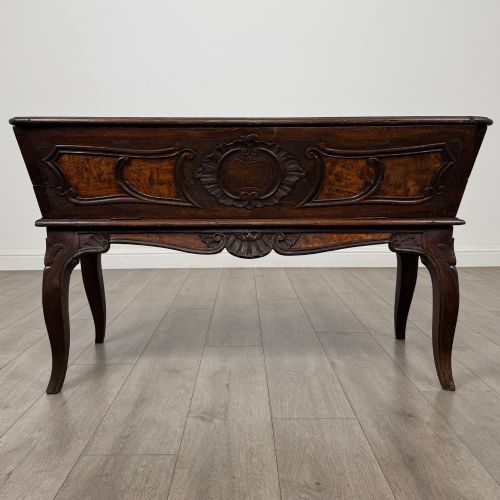
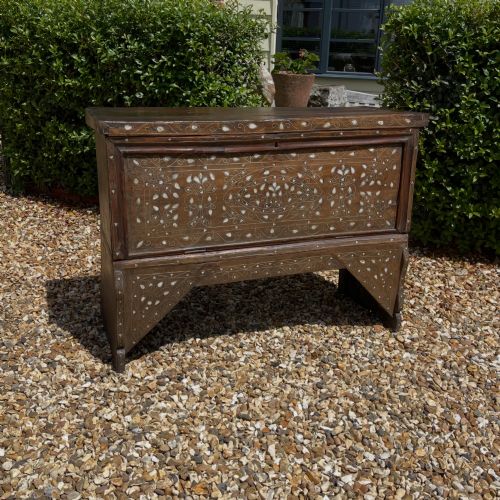
When you search for a carved walnut coffer box, you are looking at heavy timber storage pieces built to hold valuables, linens or documents across Europe. The examples on this page span from the sixteenth century through the nineteenth century, taking the form of chests, cassones, dough bins, trunks and hall seats. Continental origins dominate, with pieces originating from Italy, Spain, France and Syria.
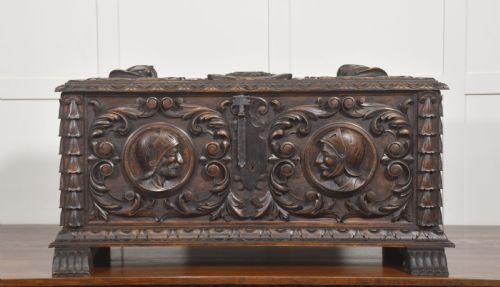
You are most likely to meet nineteenth-century revival interpretations alongside genuine seventeenth-century and sixteenth-century specimens. Styles range from Italian Renaissance and Gothic to Spanish Baroque and French Provincial, often featuring figural medallions or gilt decoration. These heavy wooden boxes served as primary furniture in historic interiors before fitted wardrobes existed.
How they were made
The primary material across these listings is solid walnut, chosen for its rich grain and durability under carving tools. Makers combined this timber with iron, wrought iron, bone, mother-of-pearl and giltwood to build and decorate the boxes. Some examples incorporate secondary woods such as oak alongside fabric linings.
Construction relied on heavy joinery designed to secure large panels of walnut against warping. Surface decoration was achieved through direct wood carving, sometimes enhanced with gilding or inlaid details like bone and mother-of-pearl.
Listings feature walnut combined with iron, bone and mother-of-pearl across sixteenth to nineteenth-century periods.
What varies in quality
Quality in these storage pieces rests upon the depth and execution of the carved ornamentation, from simple panels to complex figural medallions. The crispness of Renaissance revival or Gothic motifs distinguishes standard cabinetwork from masterwork output.
The choice of supplementary materials also defines the tier of the piece, where the presence of genuine wrought iron hardware, bone inlay or historical gilding elevates the object. The integrity of the original walnut timber and the sophistication of the regional style dictate the standing of each box.
The Carved Walnut Coffer Box Glossary
- Cassone
- A traditional Italian chest or coffer, often highly decorated and used historically for storing a bride's trousseau. These large receptacles frequently sat against walls and doubled as seating.
- Coffer
- A sturdy wooden box used for storing valuables, money or precious objects. Unlike simple trunks, coffers often display architectural carvings and robust locking mechanisms.
- Dough Bin
- A specialised wooden trough or box used for kneading and rising bread dough, sometimes mounted on cupboards or legs. They share the heavy wooden construction methods of standard storage chests.
- Giltwood
- Timber that has been treated with a thin layer of gold leaf or gold paint. This technique highlighted carved details on formal Renaissance and Baroque furniture.
- Renaissance Revival
- A nineteenth-century architectural and decorative style that drew inspiration from sixteenth-century forms. Makers in this period recreated the heavy proportions and figural carvings of earlier centuries.
Carved Walnut Coffer Box: Frequently Asked Questions
What is a coffer box?
A coffer box is a heavy timber chest traditionally used for secure storage of household valuables, documents or textiles.
They are distinguished by robust construction and often feature carved panels, iron hardware or hinged lids.
How were these boxes used historically?
Historically, these pieces functioned as secure storage units for expensive personal belongings before fitted closets became common.
Due to their sturdy build, they frequently doubled as benches or tables within domestic and civic interiors.
How do I live with a coffer?
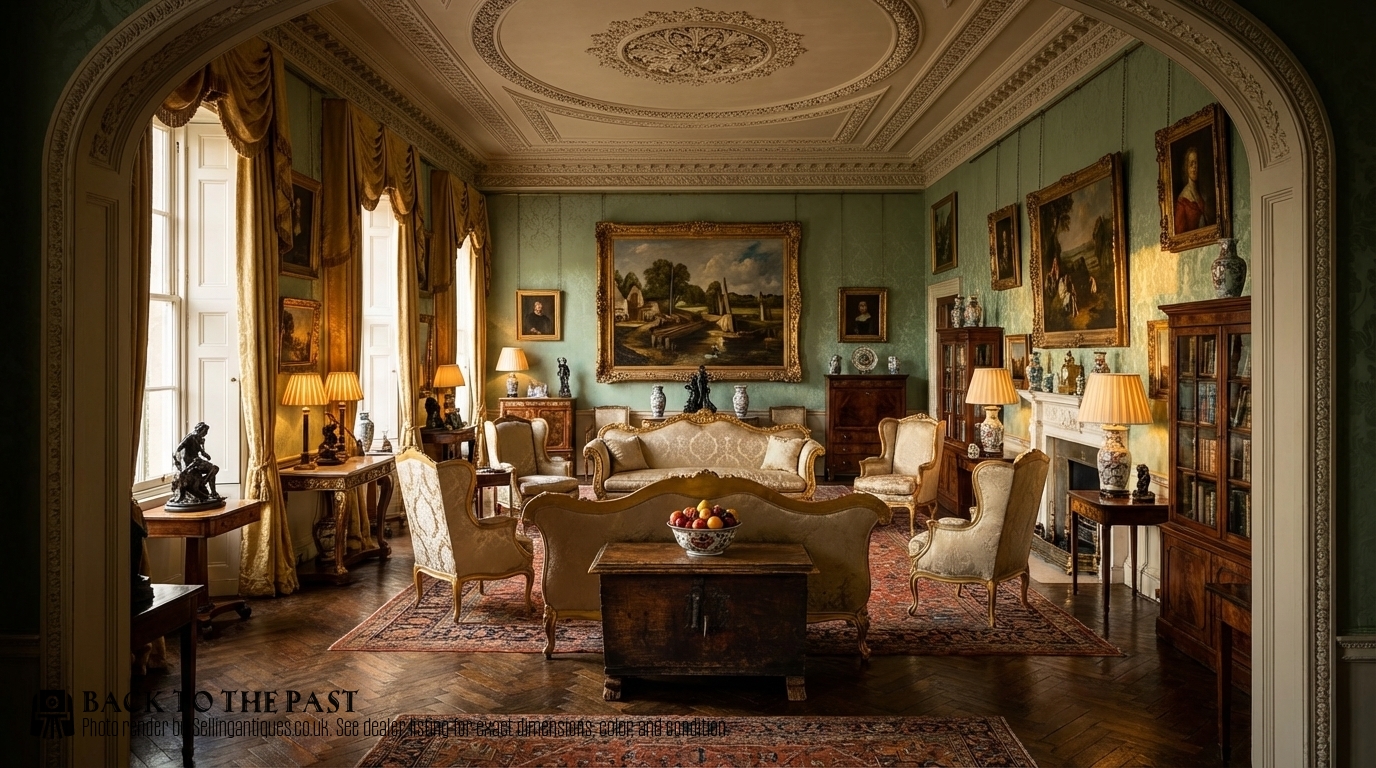
A coffer works well as a living room coffee table, an end-of-bed blanket chest, or an entryway bench.
Their substantial timber presence grounds a room while providing practical concealed storage for modern items.
How do I tell periods apart?
Periods are identified by the character of the carving styles, structural joinery and regional design traits.
Sixteenth and seventeenth-century pieces display authentic period tool marks and wear, whereas nineteenth-century revival pieces interpret these historic motifs through later manufacturing techniques.