


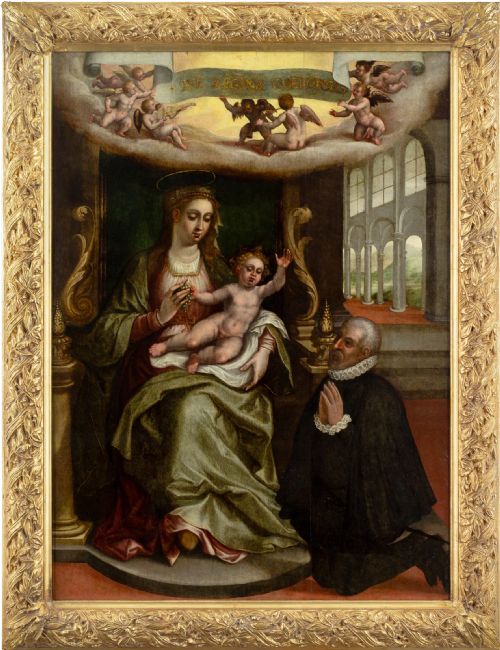


Renaissance Canvas Art
Renaissance canvas art captures historical portraiture and religious devotion through oil paintings produced across multiple centuries.
Renaissance Canvas Art
Renaissance canvas art comprises oil paintings executed on canvas support, ranging from actual sixteenth-century works to later copies and revival pieces produced in the nineteenth and twentieth centuries.
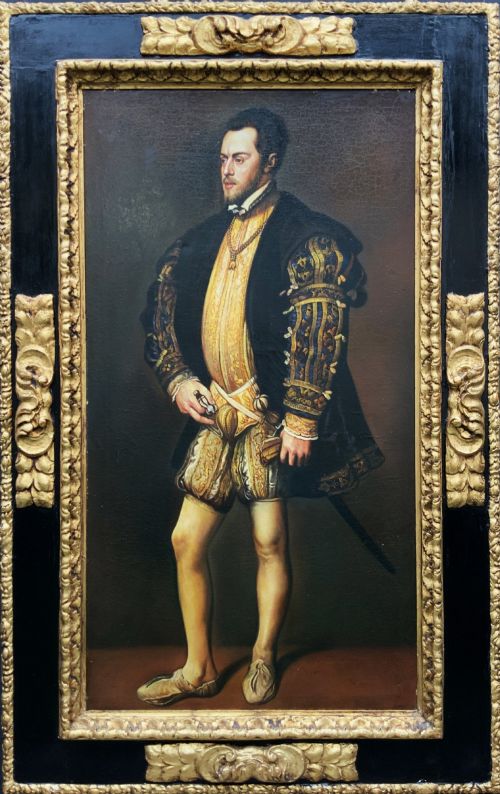
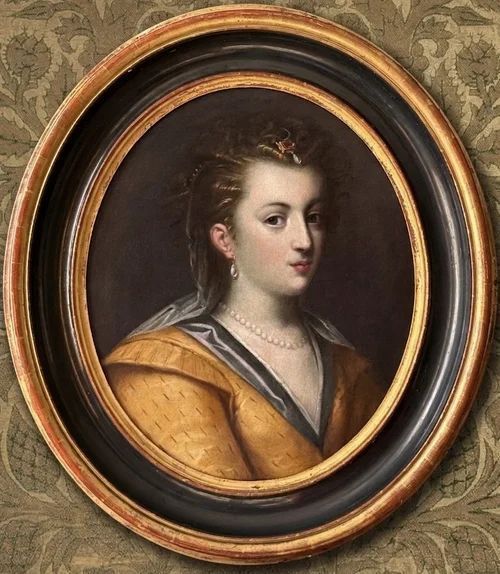
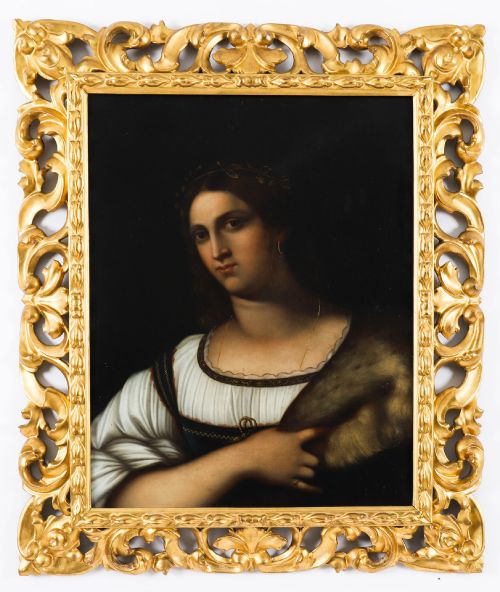
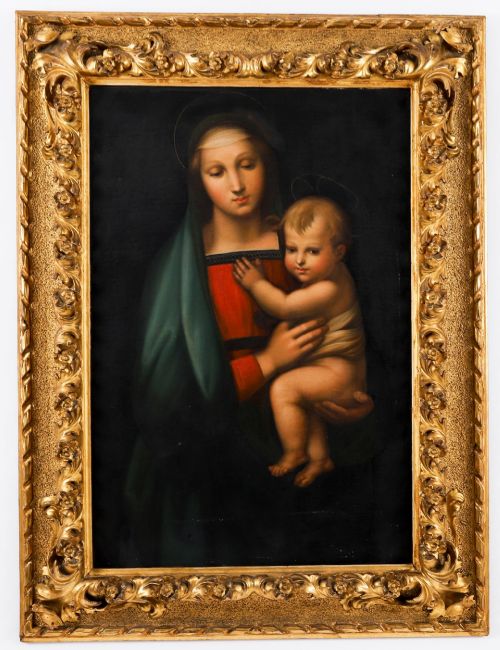
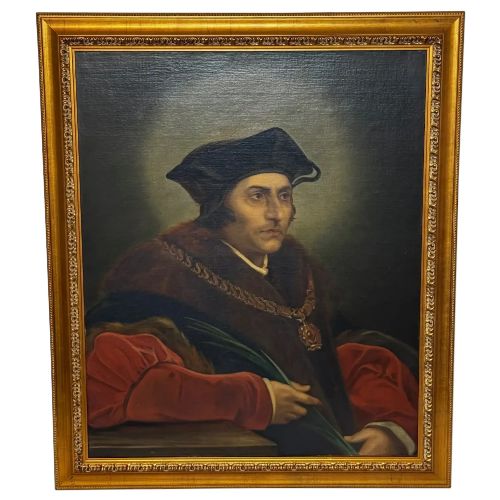
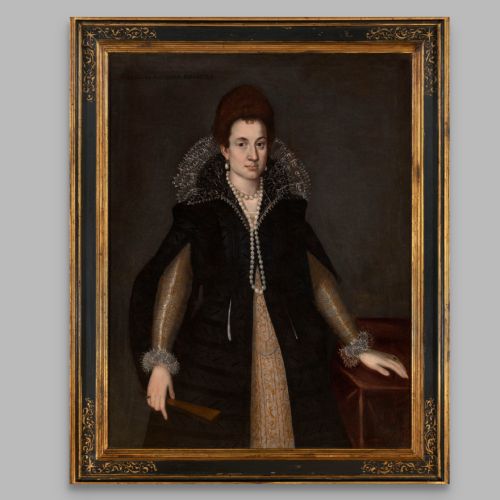
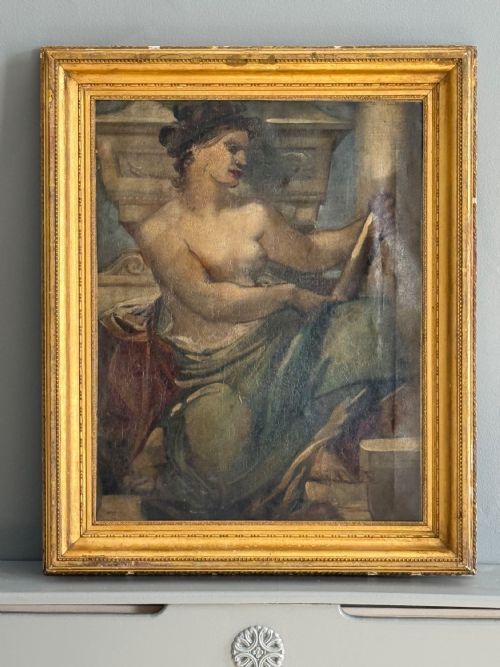
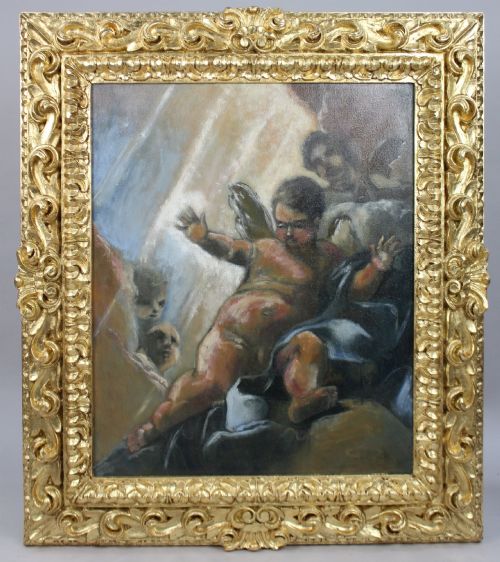
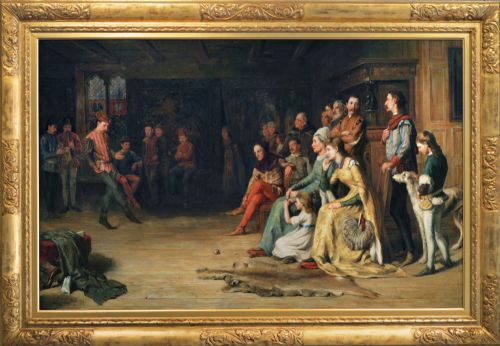
Buyers encounter portraits of noblemen and noblewomen, alongside religious compositions depicting the Madonna and Child, the Holy Family, and historical genre scenes.
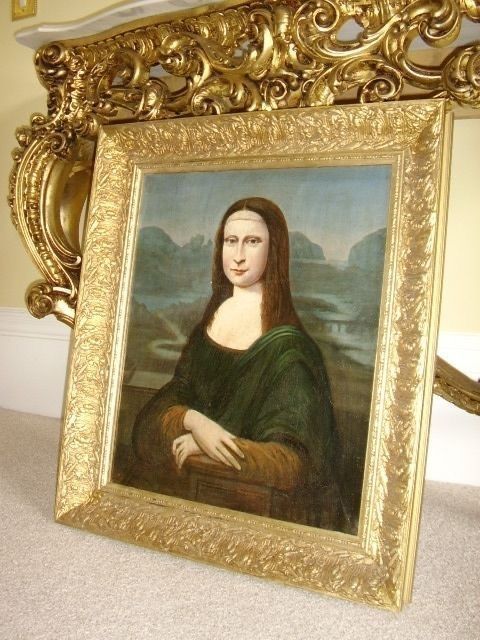
The selection includes original period works by identified circles and followers of major masters, alongside later interpretations styled after Italian and Northern Renaissance artists.
Materials and construction
These works utilise oil paint applied to woven canvas supports, often stretched over wooden frames and mounted within decorative carved giltwood surrounds.
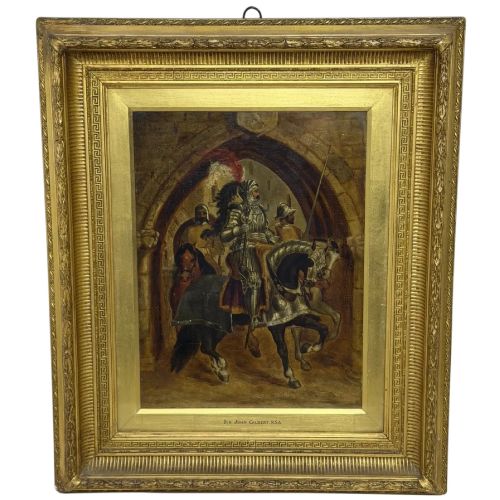
Pigments and oils build up depth through layered application, capturing realistic skin tones, fabric textures, and detailed armour characteristic of the period.
Renaissance Canvas Art Retail Price Guide 2026
Typical asking prices for renaissance canvas art among the pieces listed under this phrase on Sellingantiques today, from the lower quarter to the upper quarter. They describe what is for sale here now, not the wider market.
Several noblemen gaze outward in heavy armour while holding spices or lutes nearby.
Factors that define quality
Quality rests in the precision of brushwork and the fidelity of anatomical and textural rendering, distinguishing masterly hands from mechanical copies.
The sophistication of the supporting wooden frame, particularly carved and gilded examples, contributes to the overall integrity of the piece.
Studio M. Canals·Lavinia Fontana·Bernardino Luini·Hans Holbeel·Leonardo Da Vinci·Pietro Fachetti·Sir John Gilbert·James Hamilton·Paolo Veronese·Benvenuto Tisi·Joachim Bueckelaer·Alfred Holst Tourrier·Raffaello Sanzio Da Urbino·Antonio Allegri·Scipione Pulzone·Giovanni Battista Moroni·Rosso Fiorentino·Girolamo Dai Libri·John Bettes the Elder·Frans Pourbus the Elder
The Renaissance Canvas Art Glossary
- Oil on Canvas
- Pigments bound in a drying oil medium applied to a woven fabric ground. This surface supports the flexibility and longevity of historical paintings.
- Giltwood
- Wood that has been coated with thin sheets of gold leaf or gilt powder. This material frequently frames important historical portraits.
- Renaissance Revival
- A nineteenth-century artistic movement that revived the forms and aesthetics of fifteenth and sixteenth-century art. Works from this period emulate earlier Renaissance styles.
- Circle of
- A designation indicating an artist worked in the studio or under the direct influence of a named master. These painters shared techniques and subject matter with the primary artist.
Renaissance Canvas Art: Frequently Asked Questions
Are these paintings original sixteenth-century works?
The inventory includes actual sixteenth-century paintings alongside nineteenth-century revival pieces and later copies after old masters.
Examination of the canvas, pigments, and underlying support helps determine the precise age of each individual artwork.
What subjects are most common?
Portraits of noblemen, noblewomen, and historical figures appear frequently alongside religious compositions.
Religious scenes typically feature depictions of the Madonna and Child, the Holy Family, and biblical narratives.
How should I display an oil painting?
Display the canvas away from direct sunlight and sudden fluctuations in room temperature.
Ensure the artwork hangs securely using appropriate fixings suited to the weight of the canvas and its frame.
What does after an artist mean?
This attribution indicates the painting is a later study or copy created after a known master's original composition.
Such works demonstrate the enduring influence of Renaissance masters across subsequent centuries.