






Renaissance Art
When you search for renaissance art, you encounter centuries of painting, carving and textile work that revive classical forms for domestic interiors.
Renaissance Art
The category of renaissance art encompasses oil paintings on canvas, carved wooden panels, woven tapestry fragments and metalwork plaques created across several centuries. Buyers find both genuine sixteenth-century artefacts and later nineteenth-century revival interpretations inspired by Italian and Flemish masters.
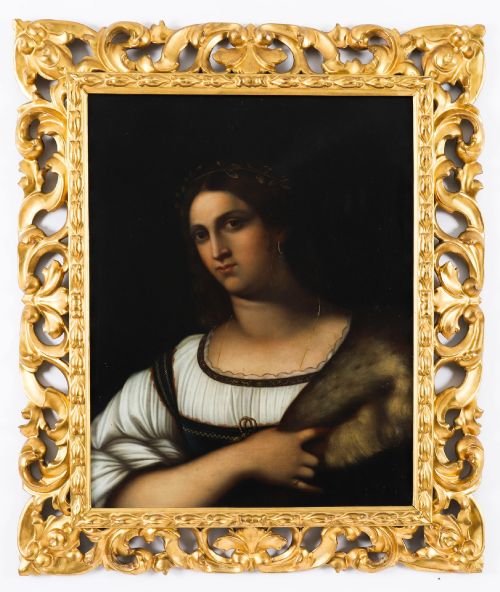
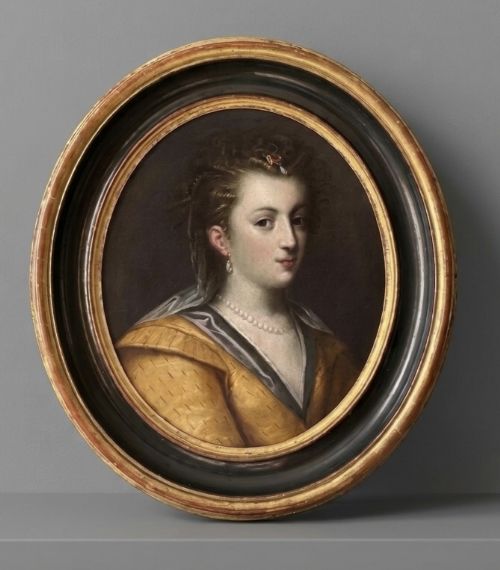
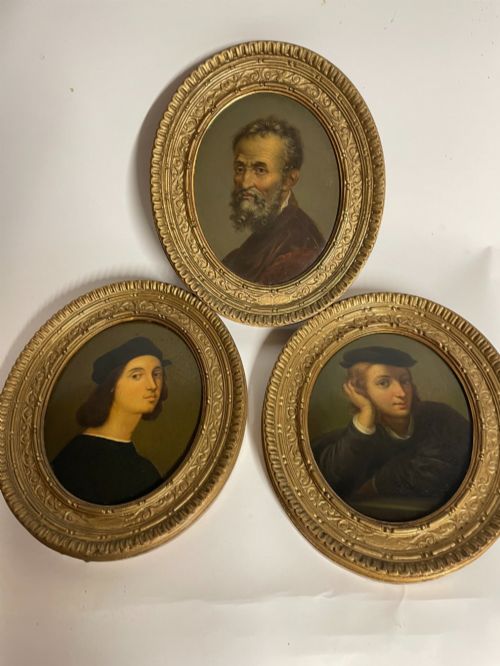
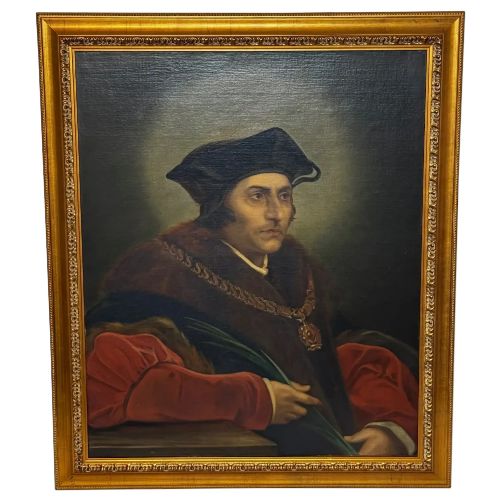
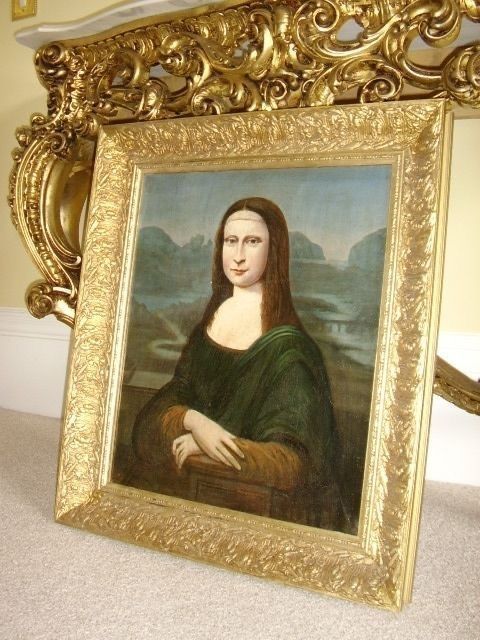
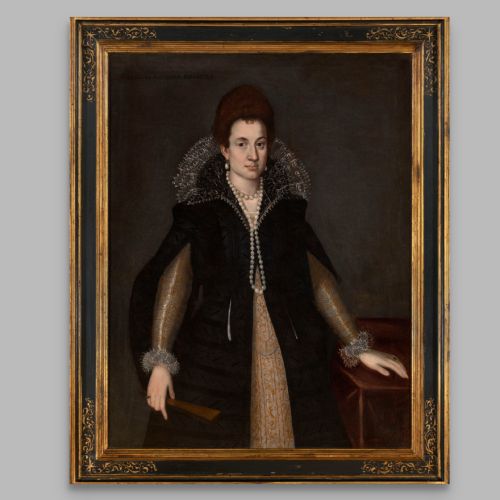
Painted portraits and religious scenes dominate the selection, often following compositions by artists such as Raphael, Titian or Leonardo da Vinci. These works include period oils alongside later copies, manuscript bindings on wood, and embroidered textile panels.
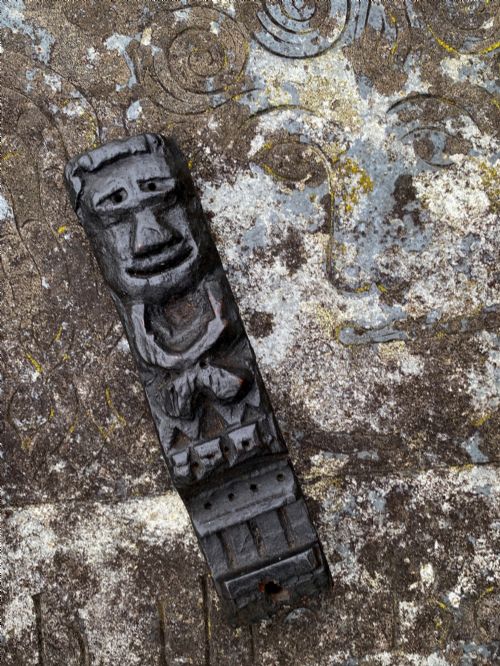
Sculptural elements in wood, giltwood and bronze also appear, alongside maps and wall chargers. The material reaches from early Flemish tapestries to Edwardian reproductions designed to echo sixteenth-century aesthetics.
What varies in quality
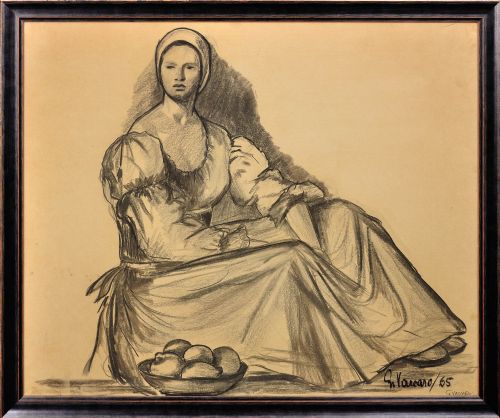
The standard of execution in painting relies on the fidelity of the draughtsmanship and the handling of light and shadow, particularly in works produced after famous masters. Earlier pieces depend on the preservation of the original pigments and the integrity of the canvas or wood support.
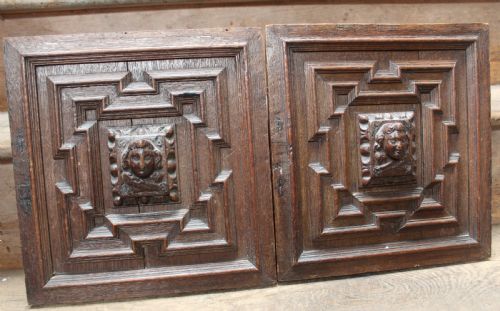
Carved works show distinction in the crispness of the chisel work and the depth of the relief, separating competent regional workshop production from coarser carving. Textile fragments vary according to the density of the weave and the survival of the original threads.
Renaissance Art Retail Price Guide 2026
Typical asking prices for renaissance art among the pieces listed under this phrase on Sellingantiques today, from the lower quarter to the upper quarter. They describe what is for sale here now, not the wider market.
Materials recorded across the inventory include oil on canvas, carved walnut, giltwood, embroidered silk, and hand-painted porcelain.
Studio M Canals·Lavinia Fontana·Bernardino Luini·Hans Holbein·Leonardo Da Vinci·Pietro Fachetti·Gian Paolo Pace·Sir John Gilbert·James Hamilton·Paolo Veronese·Braun and Hogenberg·Icilio Federico Joni·Benvenuto Tisi·Raphael·Titian
The Renaissance Art Glossary
- Orphrey panel
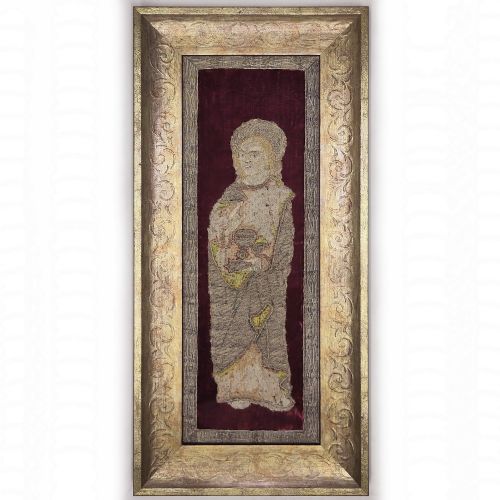
- An embroidered band, often found on ecclesiastical vestments, featuring figural or geometric needlework.
- Giltwood
- Wood that has been coated with a thin layer of gold leaf or gold paint, frequently used for ornate picture frames.
- Tapestry border panel
- A woven section originally forming the decorative edge of a larger wall hanging depicting pictorial scenes.
- Polychrome
- The practice of decorating architectural elements, sculptures or carvings in a variety of coloured paints.
- Tavolette
- Painted wooden book covers, historically used for municipal records in Siena, featuring decorative narrative scenes.
- Manner of
- A term indicating that a work is executed in the style of a specific master without being a direct copy.
Renaissance Art: Frequently Asked Questions
Are these paintings original sixteenth century works?
The selection includes genuine sixteenth-century survivals alongside nineteenth-century revival pieces painted in the style of the period.
Listings provide specific dates, attribution details or scientific tests such as infrared scans to help identify the exact era of creation.
How should I care for antique wood carvings?
Wooden sculptures and panels require stable indoor humidity levels and protection from direct sunlight to prevent cracking or fading.
Gentle dusting with a soft, dry cloth is sufficient for maintenance, avoiding liquid cleaners or harsh polishes on historic surfaces.
What is a tapestry border panel?
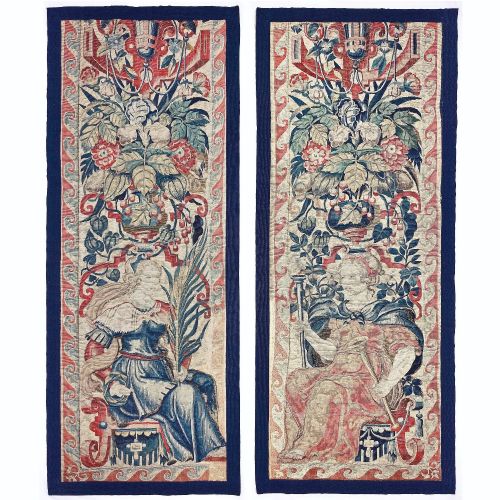
A tapestry border panel is a narrow woven section that once framed a larger wall hanging, featuring repeating motifs or figures.
These fragments are mounted and displayed independently as textile art due to their intricate weaving and decorative quality.
How do I distinguish a copy from a period original?
Distinguishing works relies on examining the ageing of the materials, the pigments used, and the construction of the canvas support or wood panel.
Stylistic comparison with known works by followers or masters also guides collectors in determining attribution.