




Religious Wall Relief Carving
These religious wall relief carving pieces bring centuries of devotion into a room, fashioned from solid timbers and moulded plaster.
Religious Wall Relief Carving
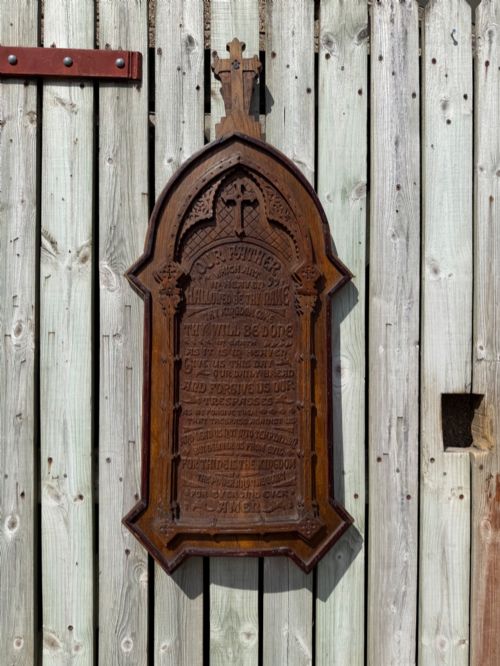
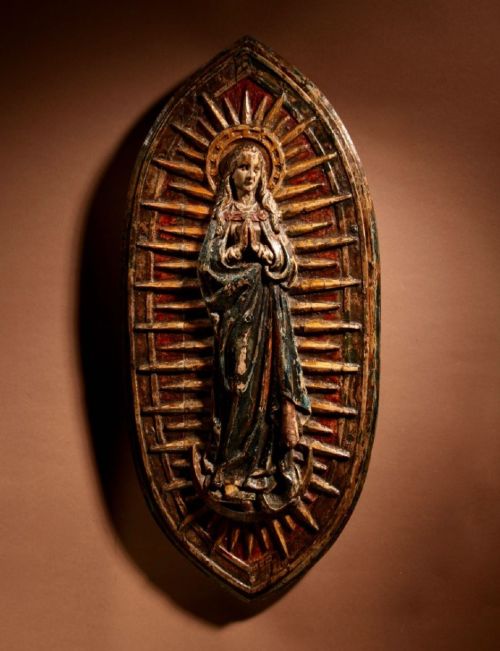
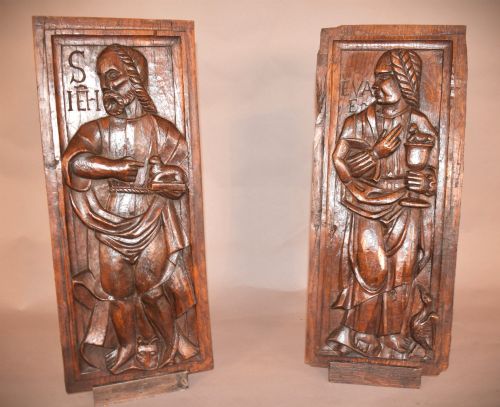
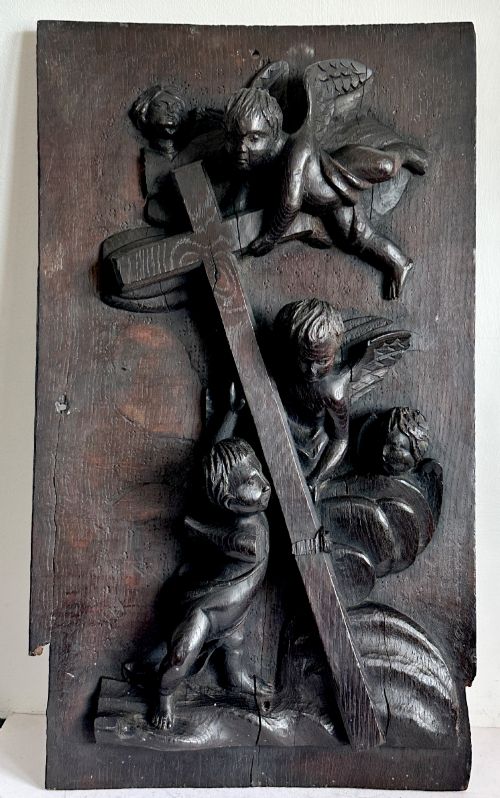
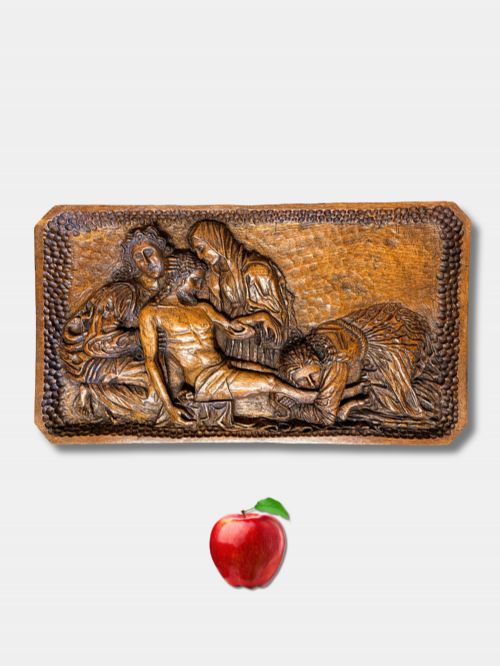
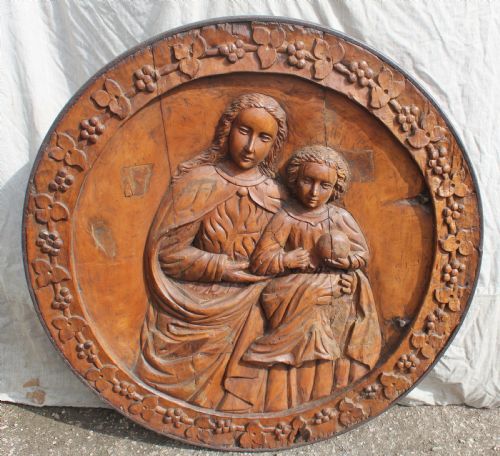
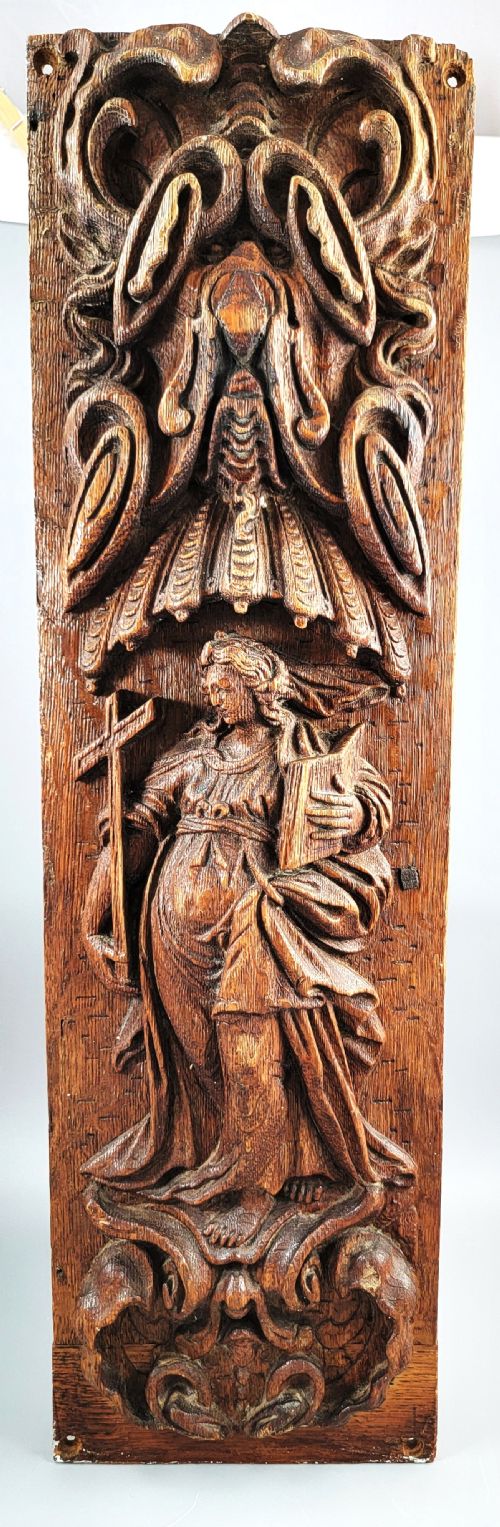
A religious wall relief carving takes many forms on this page, appearing as wall panels, plaques, and sculptures depicting biblical scenes and figures. Buyers encounter depictions of the Virgin, Christ carrying the cross, and allegorical figures mounted directly onto walls.
Most examples originate from the seventeenth and sixteenth centuries, alongside nineteenth-century revivals and folk art pieces. These items serve as focal points for interiors, carrying centuries of ecclesiastical and domestic history in carved wood.
How They Were Made
Carvers shaped these works primarily from dense hardwoods like oak, walnut, and chestnut, using hand chisels to cut deep pictorial scenes. Timber selection determined the longevity of the relief, allowing intricate detailing on panels and plaques.
Some pieces received polychrome finishes, gesso priming, or plaster layers to add colour and texture to the surface. These finishing techniques heightened the dramatic impact of baroque and gothic imagery.
Look closely to spot cherubs peering from baroque corners and serpents lurking beneath holy figures.
What Varies in Quality
The integrity of the timber and the preservation of original surfaces dictate the standing of a relief. Panels retaining early polychrome or untouched patination command greater attention from collectors.
The Religious Wall Relief Carving Glossary
- Relief
- A sculptural technique where figures project from a flat background. High relief elements emerge significantly from the panel.
- Polychrome
- The practice of decorating architectural elements, sculpture, or pottery in a variety of colours. Painted details often survived on wooden figures.
- Gesso
- A white paint mixture consisting of a binder mixed with chalk, gypsum, or pigment. It provided a smooth surface for gilding or painting.
- Baroque
- An extravagant style of architecture, art, and music that flourished in Europe from the early seventeenth century. It brought theatrical movement to religious carvings.
Religious Wall Relief Carving: Frequently Asked Questions
How do I hang a heavy wooden panel?
Heavy carved panels require secure wall anchors and appropriate load-bearing brackets fixed into structural studs.
Professional installation ensures the weight of oak or walnut sculptures is safely distributed across the wall.
Where should I place a religious carving?
These pieces suit quiet living spaces or hallways away from direct sunlight and sudden temperature shifts.
Stable indoor climates protect ancient timbers and delicate gesso finishes from cracking.
How do I clean antique wood carvings?
Dust surfaces gently with a dry, soft brush to remove particles without disturbing the aged patina.
Avoid liquid cleaners and polishes that might soften historic wax or damage exposed wood.
What is the difference between gothic and baroque carvings?
Gothic carvings display linear rigidity and restrained vertical forms typical of medieval ecclesiastical architecture.
Baroque pieces introduce dynamic movement, dramatic facial expressions, and ornate drapery.