


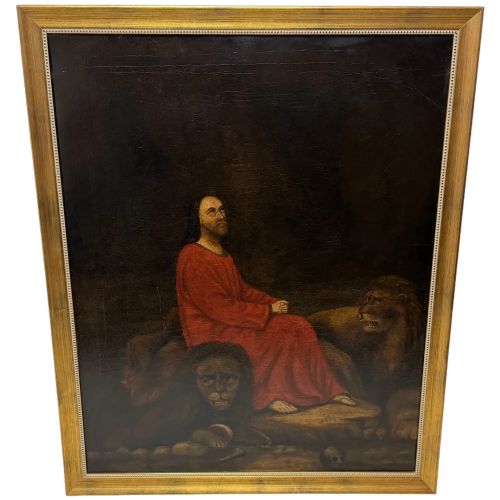
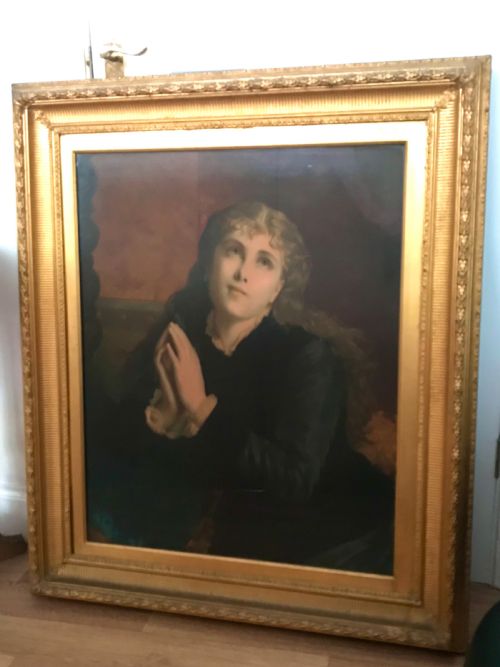
Religious Oil Portrait
A religious oil portrait brings centuries of devotion, master study and regional European school tradition straight to the wall.
Religious Oil Portrait
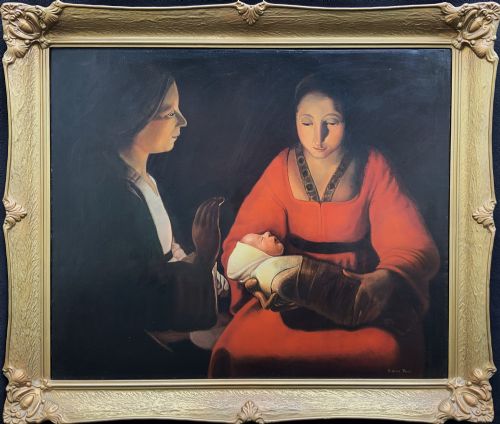
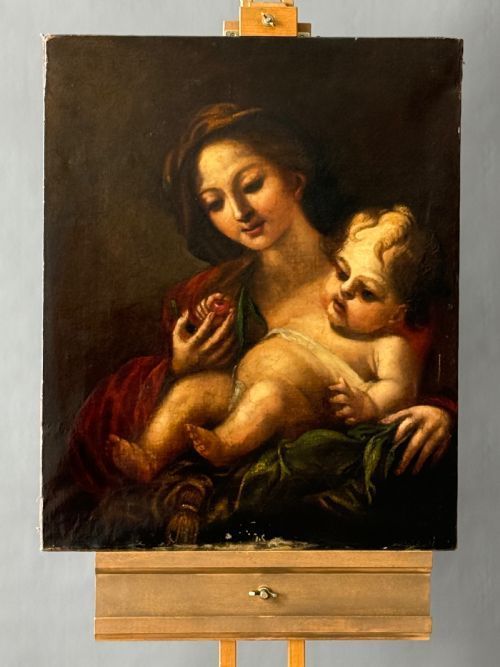
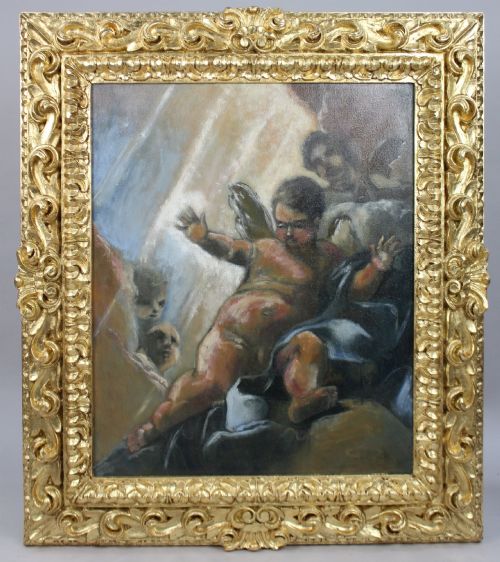
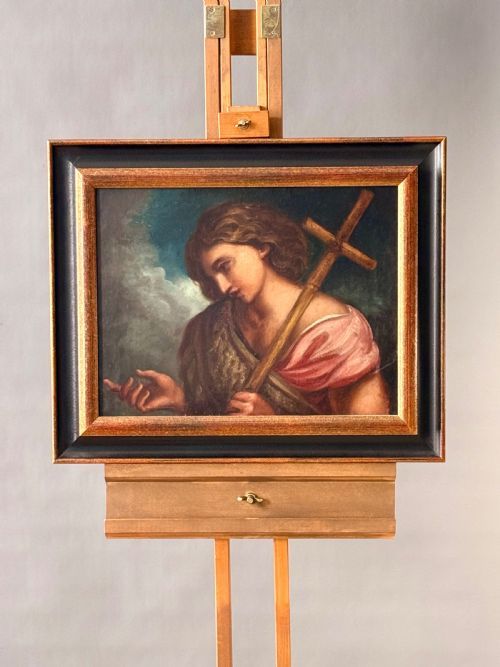
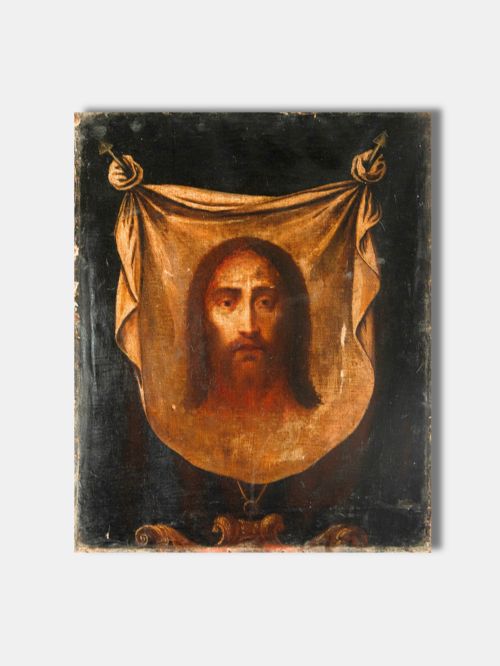
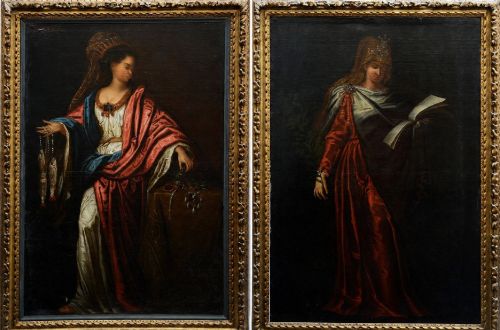
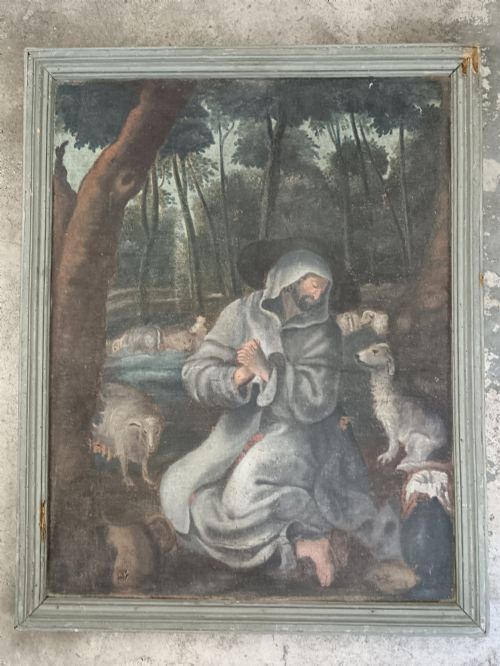
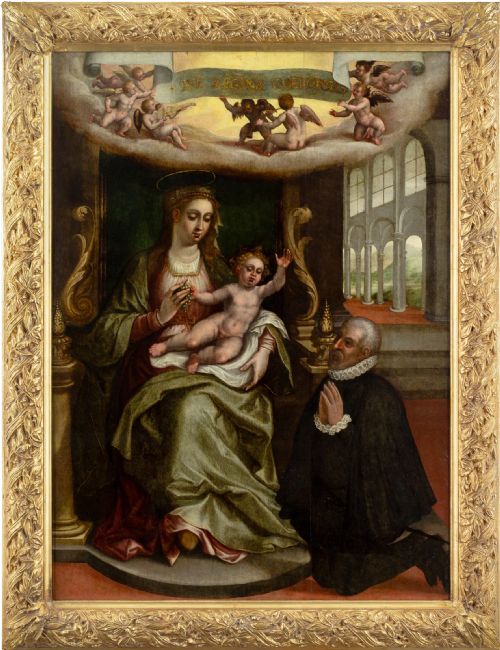
A religious oil portrait depicts biblical figures, saints and historical church personages rendered in oils on canvas or wood panels. Buyers seeking this phrase encounter devotional works ranging from 16th-century Italian Renaissance compositions to 19th-century revival pieces.
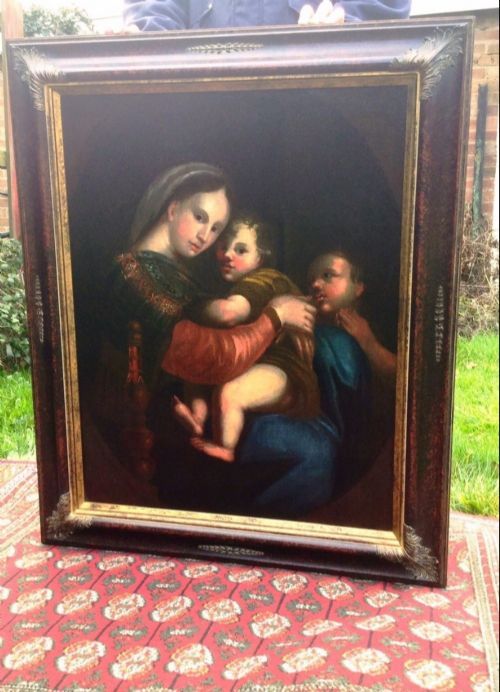
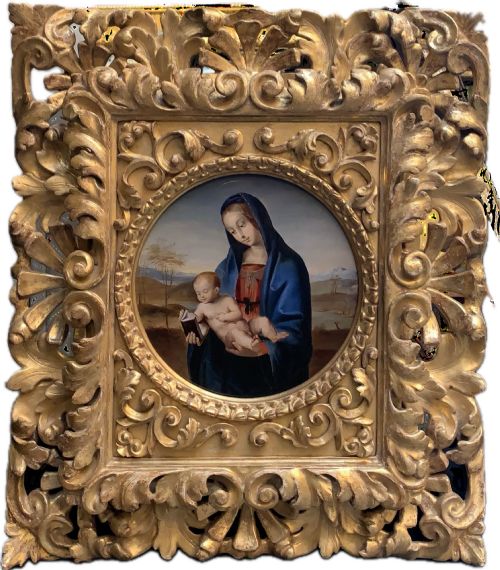
The selection frequently includes representations of the Madonna and Child, Mary Magdalene and various saints painted by regional European schools. These works vary from direct studio copies after masters like Raphael to independent local interpretations.
How they were made
Painters applied oil paint to stretched canvas or prepared wooden panels, often building up rich layers of pigment to achieve depth in drapery and flesh tones. Many canvases are housed in period frames constructed from carved giltwood and gesso.
Earlier examples rely on traditional ground preparations and organic binders, while later interpretations utilise standard commercial canvas supports and machine-moulded framing elements.
Keep an eye out for hidden pentimenti where an artist changed their mind about a saint's halo mid-brushstroke.
What varies in quality
The sophistication of brushwork and the anatomical proportion of the figures dictate the visual success of the piece. Masterful handling of light, shadow and facial expression separates a compelling devotional study from a stiff mechanical copy.
The integrity of the original support, the presence of visible pentimenti indicating an artist's working thoughts, and the historical suitability of the accompanying giltwood frame all influence the overall standing of the work.
The Religious Oil Portrait Glossary
- Pentimento
- An alteration in a painting evidenced by previous strokes that have been painted over. This reveals the artist changing their composition during the creative process.
- Giltwood
- Wood that has been carved and coated with gold leaf or a gold-coloured metallic finish. It forms the decorative border for many traditional devotional paintings.
- Gesso
- A paint mixture consisting of a binder mixed with chalk, gypsum, or pigment. It prepares wood panels or canvases to receive oil paint.
- Baroque
- An ornate artistic style originating in Europe characterised by dramatic movement and clear tension. It is frequently seen in 17th-century religious compositions.
Religious Oil Portrait: Frequently Asked Questions
How do I identify the period?
Examine the preparation of the canvas, the composition style, and the construction methods of the accompanying giltwood frame. Stylistic markers often point directly to specific centuries like the seventeenth or eighteenth.
Secondary clues include stretcher frame construction, nail types, and underlying gesso application techniques which evolved significantly across different European eras.
What subjects are most common?
Depictions of the Madonna and Child, Mary Magdalene, and various saints dominate the available selection. These subjects reflect centuries of Christian devotion and artistic study.
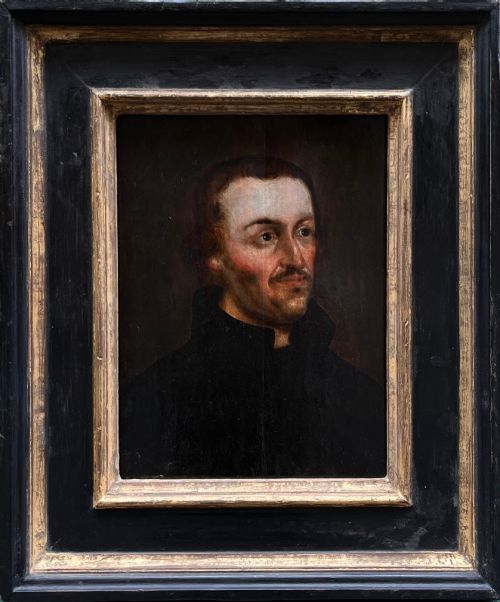
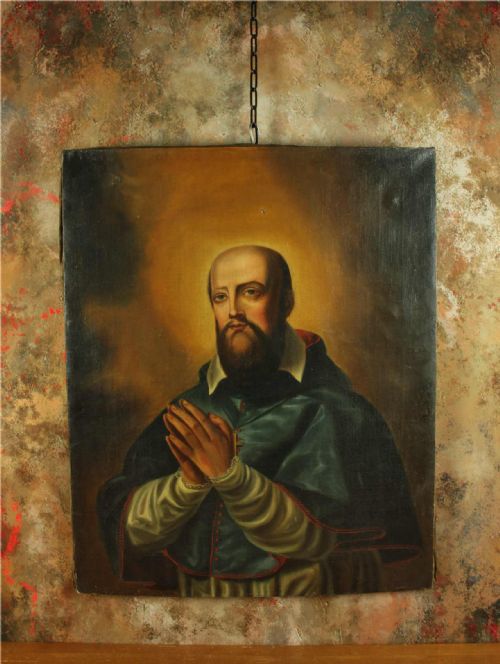
Other recurring themes include biblical narratives such as David and Goliath or depictions of specific religious figures like Francis of Assisi and Philip Melanchthon.
Are these original master paintings?
Most works originate from regional European schools, circle members, or later followers working after renowned masters like Raphael or Correggio. They represent historical traditions of copying and devotional painting rather than primary prime examples by the masters themselves.
These studio pieces and period interpretations hold their own distinct historical and artistic value within the realm of fine art.
How should I hang them?
Display these oil portraits away from direct sunlight and fluctuating heat sources to protect the delicate oil pigments and wooden supports. Ensure the wall structure securely supports the weight of heavy giltwood frames.
Pairing the piece with appropriate lighting enhances the rich tones of the canvas without exposing the paint surface to damaging ultraviolet rays.