

Religious Carved Figure
A religious carved figure brings devotional focus into a room, spanning centuries of European and Asian sacred artistry.
Religious Carved Figure
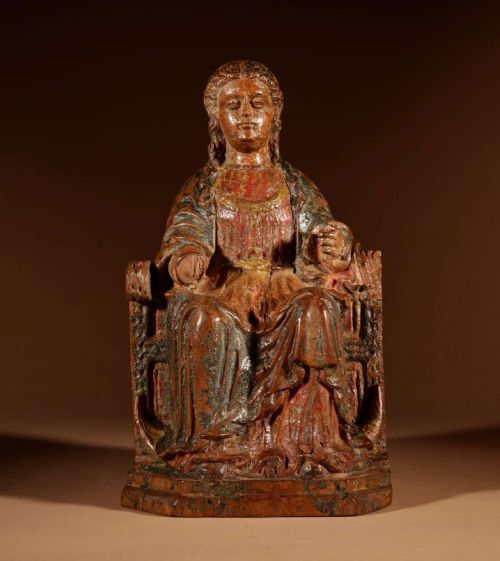
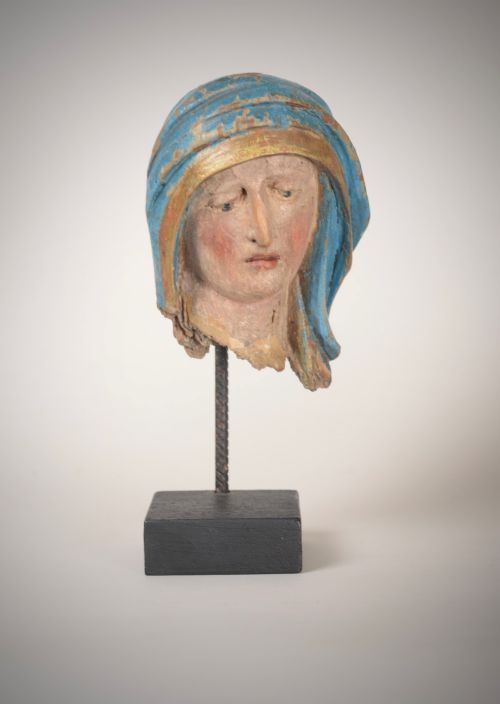
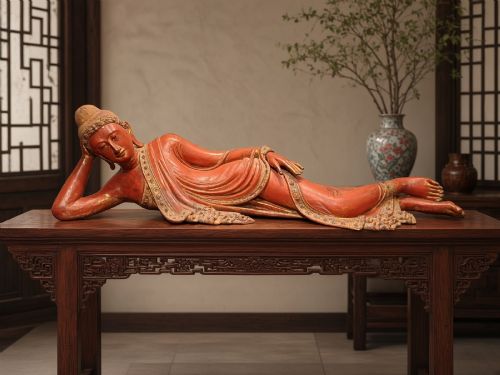
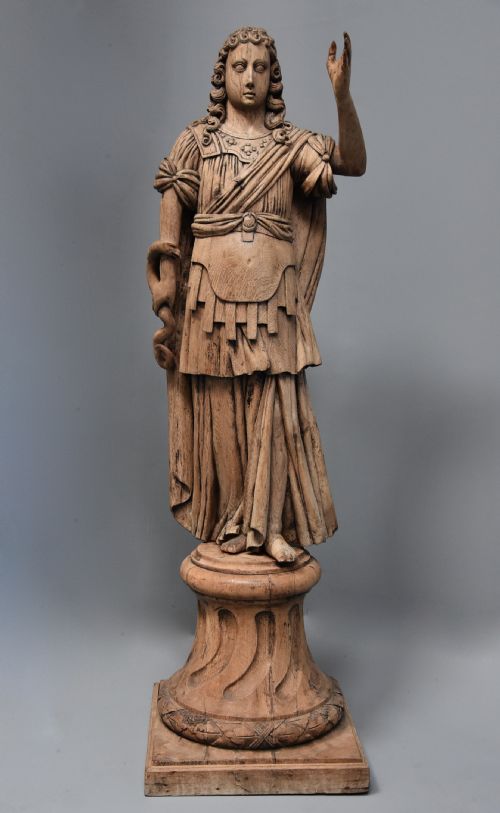
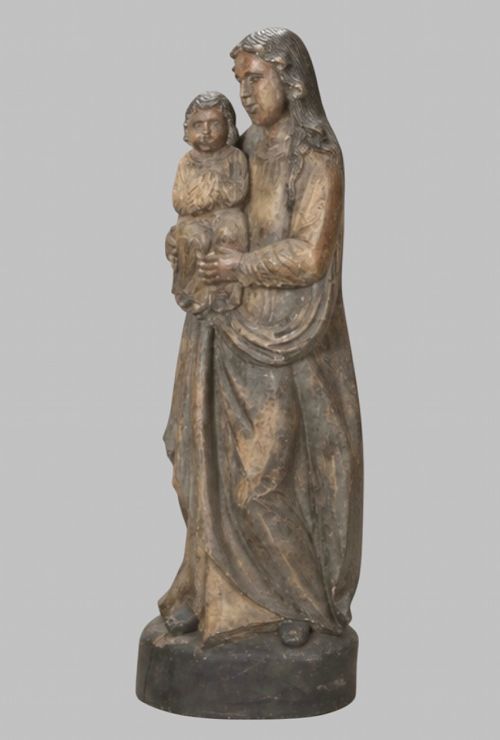
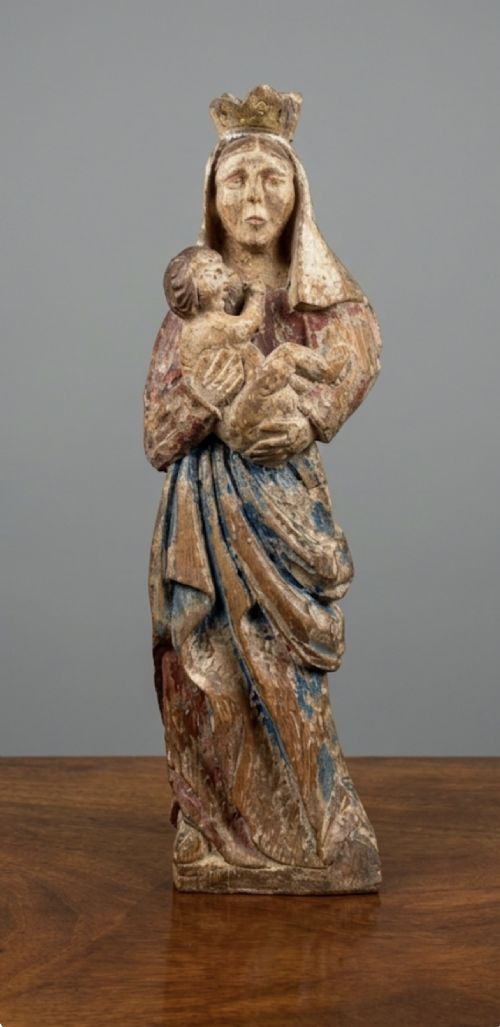
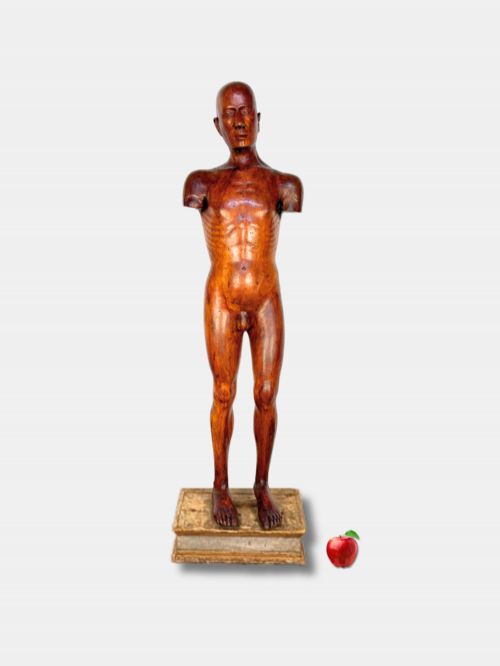
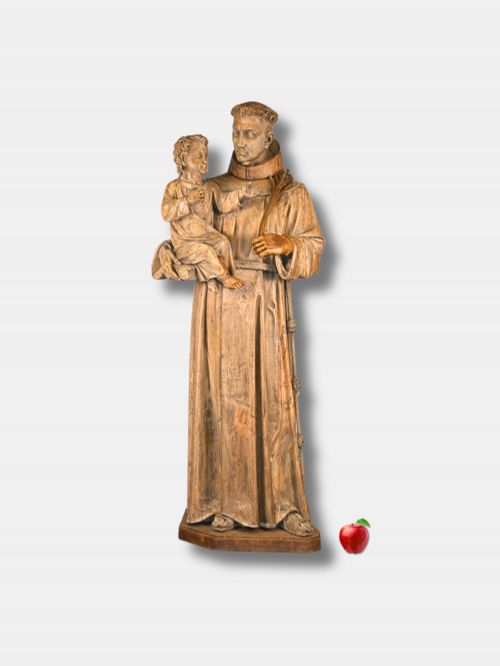
When searching for a religious carved figure, a buyer encounters centuries of devotional sculpture ranging from medieval saints to Asian deities. These pieces primarily take the form of standing or seated figures, depicting figures such as the Madonna and child, saints, and Buddha.
The versions most commonly met on this page originate from continental European traditions, particularly Italian, Spanish, and German workshops, alongside Asian Buddhist representations. Materials span from sturdy domestic oak to limewood and olive wood, often enhanced with historic paint or gilding.
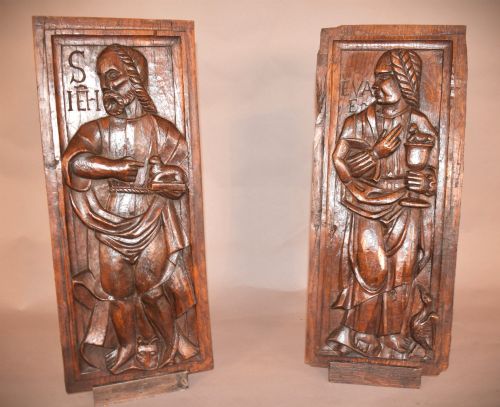
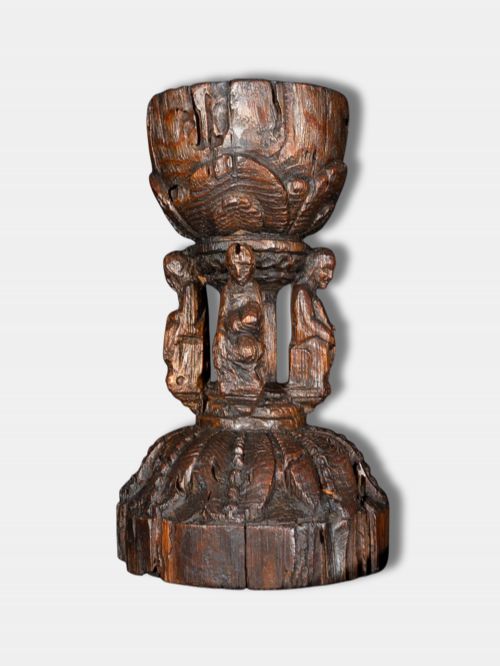
Forms vary from intimate domestic devotional carvings to life-size church figures and architectural fragments. Many retain traces of their original function, whether mounted on a plinth, integrated into a panel, or serving as a standalone icon.
How They Were Made
Carvers shaped these works from seasoned timbers such as oak, walnut, limewood, and olive wood, utilising gouges and chisels to achieve depth and expression. Grain direction dictated the relief of drapery folds and the turn of a head.
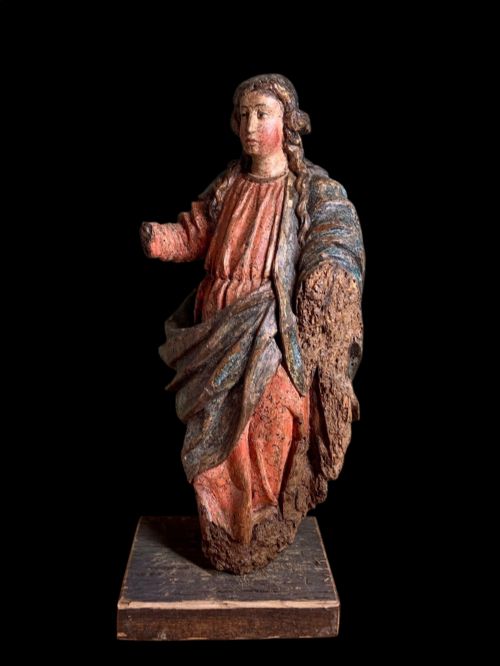
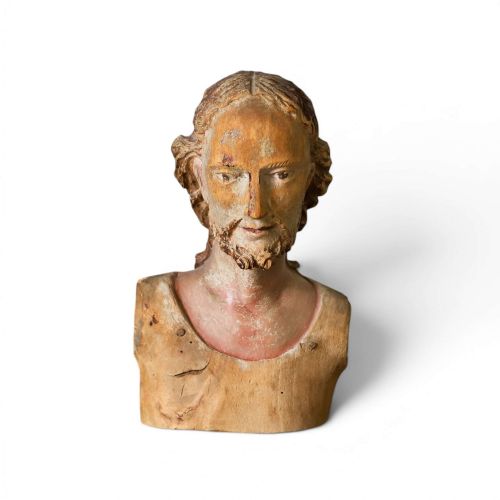
Many surfaces received a preparation layer of gesso before painters applied polychrome pigments or gold leaf to heighten realism and devotional impact. Over centuries, these layered finishes have settled into characteristic crackle and wear.
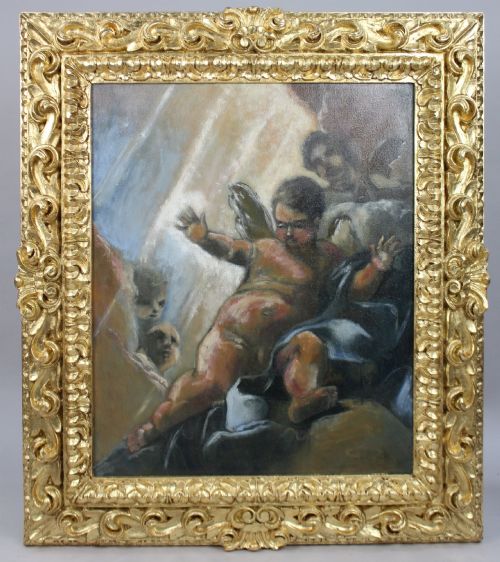
Listings feature wooden sculptures spanning from the sixteenth century through to the twentieth century, alongside painted canvas.
What Varies in Quality
Quality rests upon the anatomical confidence of the carving and the expressiveness achieved in the face and hands. Sculptors who understood weight and tension produced drapery that falls naturally rather than resting in stiff grooves.
The survival of original surface treatments, such as polychrome paint or gilding, elevates a piece significantly. Workmanship showing subtle tool control distinguishes master carvers from provincial artisan output.
The Religious Carved Figure Glossary
- Polychrome
- Painted in several colours. This term describes historic wooden sculptures finished with pigmented decoration over gesso.
- Gesso
- A plaster mixture used as a smooth base for painting or gilding on wood. It provides a bright foundation for gold leaf and pigments.
- Corpus Christi
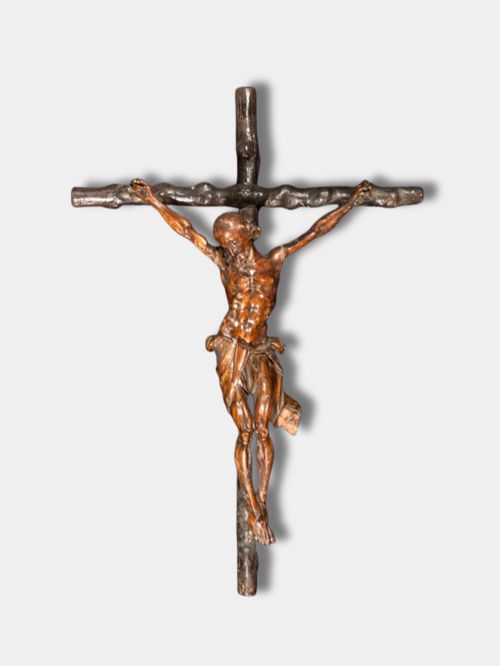
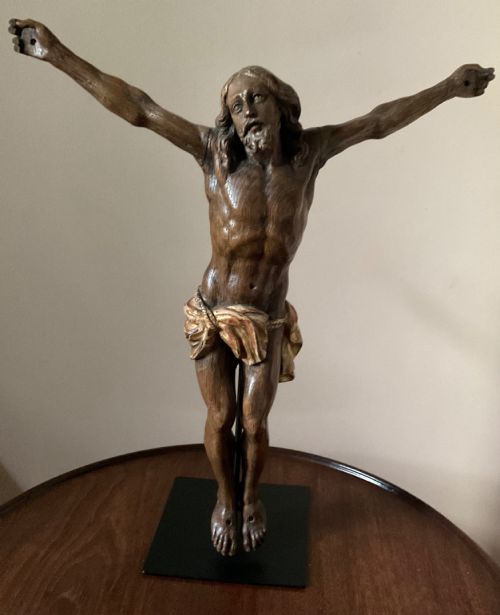
- The figure of Jesus Christ on the cross. These wooden carvings range from small domestic devotional pieces to life-size church figures.
- Capipote
- A Spanish devotional figure with a carved wooden head and hands attached to a framework designed for dressing in fabric vestments.
- Giltwood
- Wood that has been coated with thin gold leaf or powder. This finish was frequently applied to enhance the divine status of religious statues.
Religious Carved Figure: Frequently Asked Questions
Where were these figures originally displayed?
Many of these pieces originated in European churches, private home chapels, and roadside shrines. They served as focal points for prayer, meditation, and religious processions.
Over time, many migrated into private collections, bringing historic sacred art into domestic interiors as sculptural objects.
How should I care for historic carved wood?
Keep wooden sculptures away from direct heat sources and dramatic humidity fluctuations, which can cause the timber to split. Gentle dusting with a dry, soft brush is usually sufficient for maintenance.
Avoid applying modern polishes or cleaning agents to historic polychrome or gilt surfaces, as these can damage fragile original layers.
Why do some figures show paint wear?
Centuries of handling, candle smoke, and environmental shifts naturally age the delicate gesso and pigment layers. This accumulated wear often confirms the genuine age and devotional history of the carving.
Traces of underlying wood or early preparation layers frequently remain visible beneath the aged surface.